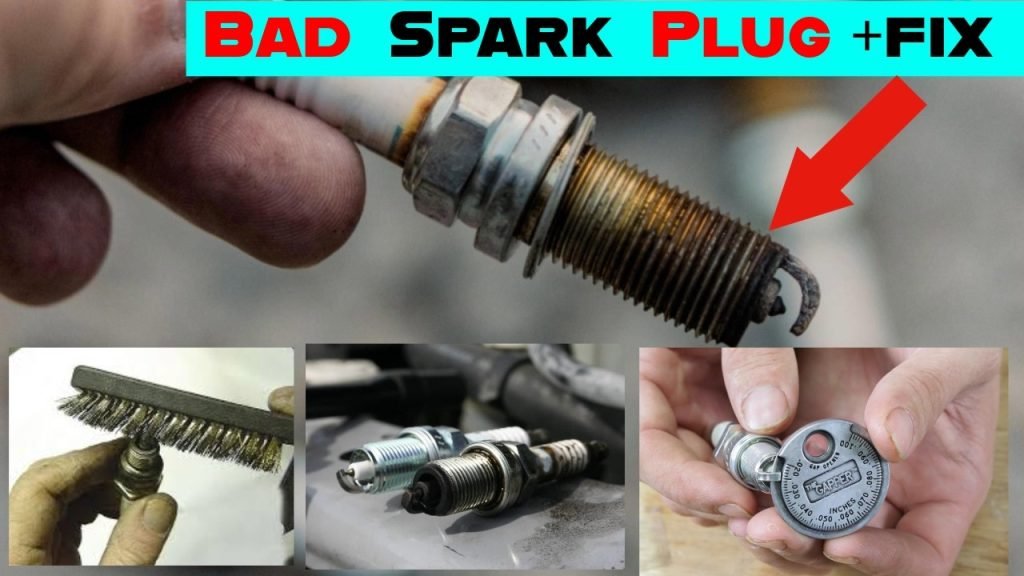
Have you ever felt your car struggling to start or noticed it running rough? These could be signs that your spark plugs are failing.
Knowing how to spot a bad spark plug can save you time, money, and stress. You’ll learn simple ways to check your spark plugs and understand when it’s time to replace them. Keep reading to make sure your engine runs smoothly and avoid unexpected breakdowns.
Common Spark Plug Issues
Identifying common spark plug issues can save you from costly repairs and keep your engine running smoothly. Spark plugs play a crucial role in igniting the fuel-air mixture, so any problem with them can affect your car’s performance. Recognizing these issues early helps you decide if a replacement is necessary.
Worn Electrode
The electrode is the small metal piece that creates the spark needed for combustion. Over time, it wears down due to constant sparking and heat exposure. A worn electrode leads to weak sparks, causing misfires and poor engine performance.
Have you noticed your engine struggling to start or feeling less powerful? It might be time to inspect the electrodes. Checking for rounded or eroded edges can tell you if the spark plug is past its prime.
Carbon Buildup
Carbon buildup appears as a black, soot-like deposit on the spark plug. It happens when the engine runs too rich or the spark plug is not firing properly. This buildup blocks the spark, leading to rough idling and decreased fuel efficiency.
Cleaning the plug might help temporarily, but persistent carbon deposits mean the plug isn’t firing correctly. Have you checked your fuel mixture or engine settings recently? These factors often cause carbon buildup.
Cracked Insulator
The insulator surrounds the central electrode and isolates it from the metal shell. Cracks in this ceramic part can cause misfires and poor engine performance. Even a small crack allows electrical energy to escape, preventing the spark from jumping the gap.
During a spark plug inspection, look closely for any hairline cracks on the insulator. Ignoring this issue can lead to inconsistent ignition, leaving you stranded unexpectedly. Have you ever experienced sudden engine stalls that couldn’t be explained?

Credit: www.zx6r.com
Performance Symptoms
Performance symptoms often signal a bad spark plug. These issues affect how your engine runs and how your vehicle feels during driving. Spotting these signs early can prevent bigger car problems.
Engine Misfires
Engine misfires happen when the spark plug fails to ignite the fuel-air mix. You might notice rough idling or jerking during acceleration. Misfires reduce engine power and cause shaking.
Poor Fuel Economy
A worn spark plug burns fuel inefficiently. Your car uses more gas than usual. This leads to frequent visits to the gas station and higher fuel costs.
Difficulty Starting
Bad spark plugs make it hard to start your engine. The engine may crank longer before turning on. Sometimes, it won’t start at all, leaving you stranded.
Visual Inspection Tips
Visual inspection of your spark plug is one of the easiest and quickest ways to tell if it’s failing. You don’t need fancy tools—just a close look can reveal a lot about its condition. Let’s break down what you should be looking for during your inspection.
Check For Deposits
Look closely at the spark plug tip for any unusual buildup. Thick black, oily deposits usually mean your engine is burning oil, which can foul the plug and cause misfires.
White or light-colored deposits may indicate overheating or the use of the wrong fuel. A little bit of tan or grayish residue is normal, but anything heavy should raise a red flag.
Inspect Electrode Gap
The gap between the center and ground electrode is crucial for a strong spark. If the gap looks too wide or too narrow, your spark plug won’t perform well.
Use a feeler gauge to measure the gap, or visually compare it against the manufacturer’s specifications. If it’s off, it can cause rough idling or hard starts—have you noticed these symptoms?
Look For Physical Damage
Cracks, chips, or melted electrodes are clear signs that your spark plug needs replacing. Even small damage can disrupt the spark and reduce engine efficiency.
Check the ceramic insulator for cracks, and make sure the metal parts aren’t bent or broken. Sometimes, damage happens during installation, so handle plugs carefully next time.

Credit: www.reddit.com
Testing Methods
Testing your spark plug is essential to ensure your engine runs smoothly. Faulty spark plugs can cause misfires, poor fuel economy, and hard starts. You don’t need to be a mechanic to check if your spark plug is bad; a few simple tools and steps can help you identify the problem quickly.
Using A Spark Plug Tester
A spark plug tester is a handy tool that shows if your spark plug produces a strong spark. Connect the tester between the spark plug and the ignition wire, then crank the engine. Look for a bright, blue spark inside the tester—if it’s weak or absent, your spark plug might be failing.
I once found a faulty plug by just using a tester during a weekend car check. It saved me a tow and expensive repairs later. This method is quick and effective, especially if you want to avoid guesswork.
Multimeter Resistance Check
You can also use a multimeter to check the resistance of your spark plug. Set the multimeter to the ohms setting, then touch one probe to the terminal and the other to the electrode. A typical healthy spark plug shows resistance between 4,000 to 8,000 ohms.
If the reading is outside this range or shows infinite resistance, the spark plug’s internal insulator might be damaged. This test is precise and helps you catch hidden problems you can’t see with the naked eye.
When To Replace Spark Plugs
Knowing the right time to replace spark plugs helps keep your engine running smoothly. Worn spark plugs cause poor fuel economy and engine misfires. Changing them at the correct time prevents damage and saves money. This section highlights key points to decide when to replace spark plugs.
Mileage Guidelines
Most spark plugs last between 30,000 and 100,000 miles. The exact lifespan depends on the type and quality. Copper plugs wear out faster, usually around 30,000 miles. Platinum and iridium plugs can last up to 100,000 miles. Check your vehicle’s owner manual for recommended intervals. Sticking to these guidelines avoids unexpected engine problems.
Signs Of Severe Wear
- Engine misfires or rough idling
- Hard starts or slow acceleration
- Poor fuel economy despite normal driving habits
- Engine knocking or pinging sounds
- Visible damage or heavy carbon buildup on plugs
Any of these signs mean spark plugs need immediate attention. Replacing worn plugs improves engine performance and reduces emissions.
Preventive Maintenance
Preventive maintenance plays a key role in keeping spark plugs in good condition. It helps avoid engine problems and costly repairs. Small efforts taken regularly can extend the life of spark plugs. It also improves engine performance and fuel efficiency.
Regular Cleaning
Cleaning spark plugs regularly removes dirt and carbon buildup. Use a soft brush or spark plug cleaner tool. Avoid harsh chemicals that can damage the plug. Inspect the plug for wear and replace it if needed. Clean plugs help maintain strong sparks and smooth engine runs.
Proper Installation
Correct installation prevents damage and ensures proper spark plug function. Tighten plugs to the manufacturer’s recommended torque. Too tight or too loose can cause problems. Use a torque wrench for accuracy. Check the gap between electrodes and adjust if necessary.
Using Quality Fuel
Good quality fuel reduces deposits on spark plugs. Poor fuel leads to fouling and misfires. Choose fuel from trusted sources. Avoid low-grade or contaminated fuel. Clean fuel helps spark plugs last longer and keeps the engine clean.

Credit: mechlesson.com
Frequently Asked Questions
How Do I Know If A Spark Plug Is Bad?
A bad spark plug causes engine misfires, rough idling, and poor fuel economy. Check for worn electrodes, cracks, or deposits on the plug to confirm damage.
What Are Common Symptoms Of A Faulty Spark Plug?
Symptoms include difficulty starting the engine, reduced power, increased fuel consumption, and engine hesitation during acceleration. These signs often indicate spark plug issues.
How Often Should Spark Plugs Be Replaced?
Replace spark plugs every 30,000 to 100,000 miles, depending on the type and vehicle. Regular inspection helps maintain engine performance and fuel efficiency.
Can A Bad Spark Plug Damage My Engine?
Yes, faulty spark plugs can cause misfires that damage the catalytic converter and reduce engine performance. Timely replacement prevents costly repairs.
Conclusion
Recognizing a bad spark plug can save you time and money. Symptoms include poor engine performance and increased fuel consumption. Listen for unusual noises and pay attention to engine behavior. Regular checks can prevent bigger problems. Replacing spark plugs improves your vehicle’s efficiency.
Ensure your car runs smoothly by addressing spark plug issues promptly. Remember, maintaining your car’s health keeps you safe on the road. Always consult a professional mechanic if unsure. Stay attentive to your car’s needs for a better driving experience.
Your vehicle deserves the best care possible. Keep it in top condition.





