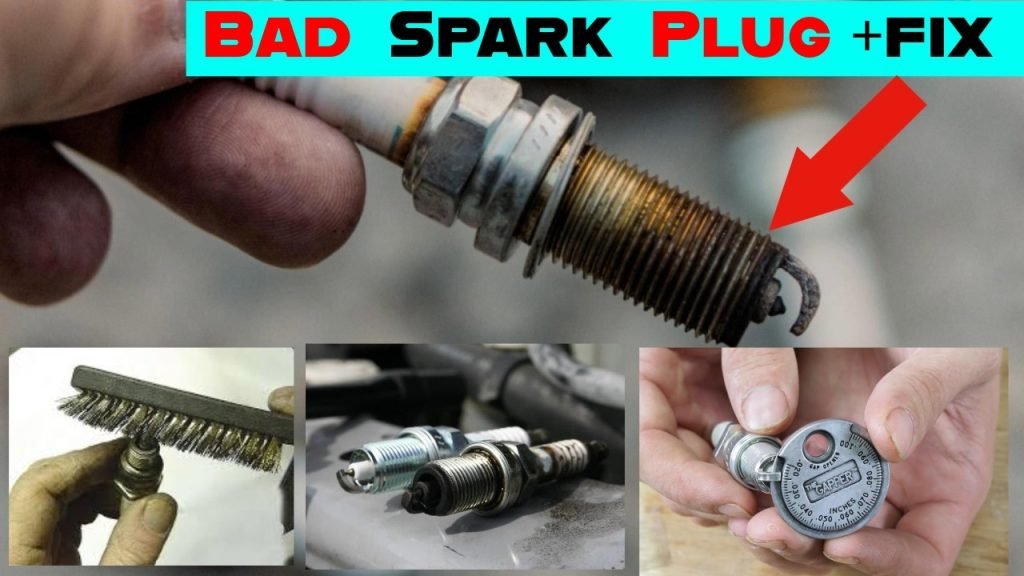
Have you ever wondered why your car’s engine feels rough or why your fuel efficiency has taken a sudden nosedive? The culprit might be a worn-out spark plug.
These small but mighty components are essential for starting your engine and keeping it running smoothly. Ignoring a bad spark plug can lead to bigger issues and costly repairs down the road. But don’t worry—understanding the signs of a failing spark plug is easier than you might think.
We’ll guide you through the telltale signs that indicate your spark plug needs attention. By the end, you’ll know exactly what to look for, and you might even save yourself a trip to the mechanic. Ready to ensure your engine runs like a dream? Let’s dive in!
Common Spark Plug Issues
Spark plugs play a vital role in engine performance. Over time, they face issues that affect your vehicle’s efficiency and starting ability. Knowing common spark plug problems helps you spot trouble early. This prevents bigger engine damage and costly repairs.
Most spark plug problems fall into a few categories. Each issue shows distinct signs and needs specific attention. Regular checks can keep your engine running smoothly and save money on fuel.
Worn Electrodes
Electrodes wear down from constant sparks inside the engine. This causes a bigger gap between them. A wide gap leads to weak or missed sparks. Your engine may misfire, run rough, or struggle to start. Worn electrodes often look rounded or thin at the tips.
Deposits And Buildup
Carbon, oil, or fuel can build up on spark plugs. Deposits block the spark from jumping the gap properly. This causes poor fuel burning and lower engine power. Black, sooty deposits signal carbon buildup. Oily or wet plugs show oil leaks inside the engine.
Cracked Insulator
The insulator around the center electrode can crack from heat or impact. Cracks let the spark leak to the engine block instead of igniting fuel. This results in misfires and rough idling. Visible cracks or chips on the ceramic part mean replacement is needed.

Credit: www.toyotanation.com
Symptoms Of A Bad Spark Plug
Recognizing the symptoms of a bad spark plug can save you from unexpected car troubles and costly repairs. Spark plugs play a crucial role in igniting the fuel-air mixture in your engine. When they start to fail, your vehicle will show clear signs that something is wrong.
Engine Misfires
One of the most common symptoms of a bad spark plug is engine misfires. You might notice your car jerking or hesitating during acceleration. This happens because the spark plug isn’t firing properly, causing the fuel mixture to ignite inconsistently.
If your engine sounds rough or stumbles, don’t ignore it. Have you ever felt your car hesitate just as you’re merging onto a highway? That hesitation often points to spark plug issues.
Poor Fuel Economy
Bad spark plugs can lead to inefficient fuel combustion, which directly impacts your gas mileage. If you find yourself filling up the tank more often than usual, it could be your spark plugs not doing their job.
Think about the last time you noticed a sudden drop in miles per gallon. This subtle change is a strong hint that your spark plugs may need attention.
Difficulty Starting
Struggling to start your car is another sign that your spark plugs might be failing. When spark plugs wear out, they can’t generate a strong enough spark to ignite the fuel properly.
Have you ever turned the key multiple times before the engine finally roars to life? This frustrating delay often means it’s time to check your spark plugs.
Rough Idling
When your engine idles roughly or vibrates excessively, bad spark plugs could be the culprit. The engine may sound uneven or shaky while your car is at a stop.
Imagine sitting at a traffic light and hearing your engine sputter or shake—this irregular behavior suggests your spark plugs need inspection.
Visual Inspection Tips
Visual inspection is one of the simplest yet most effective ways to figure out if your spark plug needs attention. Before you dive into complicated tests, just take a close look at your spark plug. Sometimes, the signs of wear or damage are right there on the surface.
Checking Electrode Wear
The electrode is the part of the spark plug that actually creates the spark to ignite the fuel. Over time, this metal tip can wear down or erode. If you notice the electrode is rounded, thinner, or uneven compared to a new spark plug, it’s a clear sign it’s losing its effectiveness.
Think about your car’s performance—have you felt a drop in power or rough idling? Worn electrodes often cause these issues because the spark struggles to jump across the gap. Don’t ignore this visual clue; replacing the spark plug can restore smooth running quickly.
Spotting Carbon Deposits
Carbon deposits appear as black, dry, and sooty buildup on the spark plug’s tip. This usually means your engine is running too rich or your air filter might be clogged. If you see heavy carbon fouling, your spark plug’s spark can be weak or inconsistent.
Have you noticed your engine misfiring or struggling to start? These are common symptoms of carbon buildup. Cleaning won’t always help, so it’s often better to swap out the plug to prevent further issues.
Identifying Oil Fouling
Oil fouling shows up as wet, oily deposits on the spark plug. This can happen if oil leaks into the combustion chamber from worn piston rings or valve seals. When the spark plug gets coated with oil, it can’t fire properly, causing your engine to misfire or stall.
Does your engine smoke more than usual or burn oil faster? These signs often go hand-in-hand with oil fouling on spark plugs. Catching this early can save you from bigger engine problems down the road.
Using Diagnostic Tools
Using diagnostic tools helps identify spark plug problems quickly. These tools check if the spark plug works well or needs replacement. They give clear and accurate results. Anyone can use them with basic instructions. These devices save time and avoid guesswork during car maintenance.
Spark Plug Tester
A spark plug tester shows if the spark plug sparks correctly. Connect the spark plug to the tester and crank the engine. Watch for a bright blue spark inside the tester. A weak or no spark means the plug is bad. This tool is simple and affordable. It helps detect ignition problems fast.
Obd-ii Scanner
An OBD-II scanner reads error codes from the car’s computer. It detects misfires or ignition faults linked to bad spark plugs. Plug the scanner into the car’s diagnostic port. The device displays codes and explanations. Clear codes and fix the spark plugs as needed. This tool is common and useful for many car models.
Multimeter For Resistance
A multimeter measures the spark plug’s resistance. Remove the plug and set the multimeter to ohms. Place the probes on the plug’s terminals. A very high or infinite reading means the plug is faulty. Normal resistance varies by plug type but should be low. This test checks the internal condition of the spark plug.
Maintenance And Replacement Advice
Maintaining spark plugs is key to keeping an engine running smoothly. Regular checks and timely replacements help avoid engine misfires and poor fuel economy. Knowing when to replace spark plugs saves money and prevents bigger repairs.
Understanding proper maintenance and replacement steps ensures your vehicle performs at its best. Use the right spark plugs and install them correctly to get the best results.
Recommended Replacement Intervals
Most spark plugs last between 30,000 and 100,000 miles. Check your vehicle’s manual for exact recommendations. Older cars often need replacements more frequently. High-performance or iridium spark plugs usually last longer. Replace spark plugs sooner if you notice rough idling or poor acceleration.
Choosing The Right Spark Plug
Pick spark plugs that match your engine’s specifications. Consider the type: copper, platinum, or iridium. Copper spark plugs are cheaper but wear out faster. Platinum and iridium last longer but cost more. Check the heat range and thread size to avoid damage.
Proper Installation Techniques
- Clean the spark plug hole before installation.
- Check the gap between electrodes with a gauge.
- Adjust the gap if needed to match the manual’s specs.
- Screw the spark plug in by hand first to avoid cross-threading.
- Use a torque wrench to tighten to the recommended torque.
- Do not overtighten; it can damage the threads or plug.
Credit: www.zx6r.com

Credit: www.reddit.com
Frequently Asked Questions
How Do I Know If My Spark Plug Is Bad?
A bad spark plug causes engine misfires and poor acceleration. Look for rough idling, difficulty starting, and reduced fuel efficiency as signs.
What Are Common Symptoms Of A Failing Spark Plug?
Common symptoms include engine misfires, rough idling, sluggish acceleration, and increased fuel consumption. These signs suggest spark plugs need inspection or replacement.
How Often Should Spark Plugs Be Replaced?
Most spark plugs last between 30,000 to 100,000 miles. Check your vehicle’s manual for specific intervals and inspect plugs regularly for wear.
Can A Bad Spark Plug Damage My Engine?
Yes, a faulty spark plug can cause misfires and poor combustion. This leads to engine damage, reduced performance, and higher emissions if ignored.
Conclusion
A bad spark plug can cause engine trouble and poor performance. Watch for rough idling, slow starts, or low fuel efficiency. Regular checks keep your car running smooth and save money. Replace spark plugs as needed to avoid bigger problems.
Stay alert to signs early and keep your engine healthy. Simple steps help you avoid costly repairs down the road. Spark plugs matter more than you might think. Take care of them, and your car will thank you.





