Your car’s engine is like a finely tuned orchestra, with each part playing a crucial role in creating that smooth drive you love. Among these parts, the spark plug is a small but mighty component that can make a big difference in your vehicle’s performance.
But how do you know when your spark plug is bad? Ignoring the signs can lead to costly repairs and a frustrating driving experience. Imagine you’re on a road trip, cruising along the highway, and suddenly your car starts to sputter.
Wouldn’t it be great to prevent that from happening? By understanding the telltale signs of a failing spark plug, you can keep your car running smoothly and avoid unexpected breakdowns. Read on to discover how a little knowledge can save you time, money, and stress on the road.

Credit: www.subaruoutback.org
Common Spark Plug Issues
Spark plugs play a key role in your vehicle’s engine. They create the spark needed to ignite the fuel-air mixture. When spark plugs fail, the engine suffers. Recognizing common spark plug issues helps maintain engine health. These problems affect performance, fuel efficiency, and starting ability.
Misfiring Engine
A misfiring engine feels jerky or uneven. This happens when the spark plug fails to ignite the fuel correctly. Misfires cause loss of power and rough running. Your car might hesitate during acceleration or stall unexpectedly.
Poor Fuel Economy
Bad spark plugs use more fuel than needed. Poor combustion wastes gasoline. You may notice a drop in miles per gallon. Fuel economy decreases because the engine runs inefficiently.
Starting Problems
Hard starts often link to worn spark plugs. The engine struggles to fire up. You might hear cranking sounds longer than usual. Sometimes, the car won’t start at all.
Rough Idling
Rough idling feels like the engine is shaking. The car vibrates or sounds uneven while stopped. Faulty spark plugs cause inconsistent firing. This leads to unstable engine operation at idle.

Credit: www.reddit.com
Visual Signs On Spark Plug
Checking the visual condition of your spark plug can tell you a lot about its health and performance. A quick look can reveal if the spark plug is still good or if it needs replacement. Let’s dive into the clear signs you should watch out for on your spark plug.
Worn Electrodes
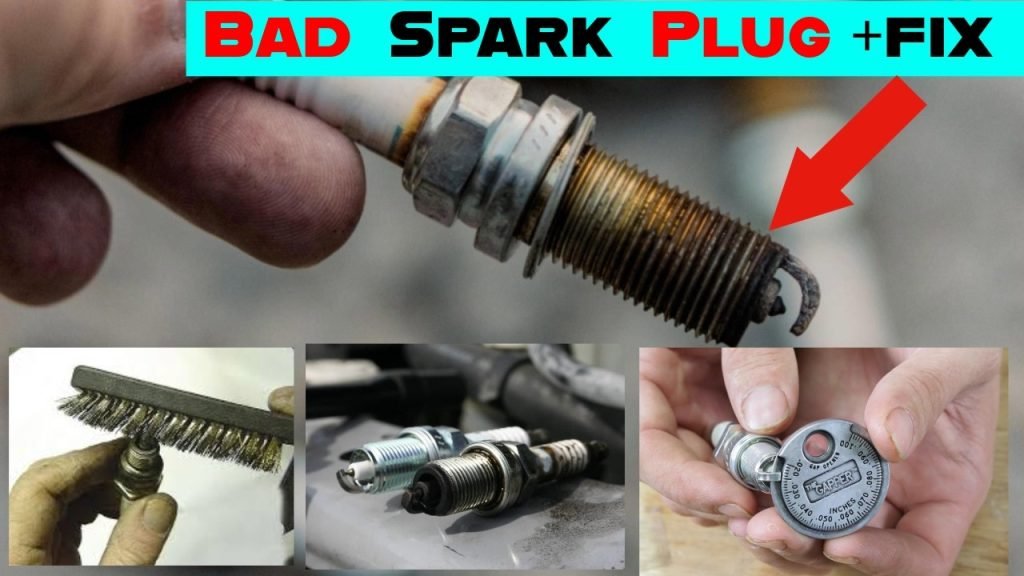
The electrodes on a spark plug are crucial for creating the spark that ignites the fuel. If you notice the electrodes are rounded, thin, or significantly worn down, it means the plug is losing its ability to produce a strong spark.
Have you ever experienced poor engine performance or difficulty starting? Worn electrodes could be the reason behind those issues. Replacing the spark plug can restore your engine’s smooth operation.
Carbon Deposits
Black, dry, and powdery carbon deposits on the spark plug indicate incomplete combustion or a rich fuel mixture. This buildup blocks the spark and lowers engine efficiency.
Cleaning might help temporarily, but if carbon deposits return quickly, it’s a sign that the spark plug isn’t functioning properly. You might need to check your fuel system along with replacing the spark plug.
Oil Fouling
If the spark plug tip looks wet or oily, oil is leaking into the combustion chamber and fouling the plug. This can cause misfires and rough idling, affecting your car’s performance.
Oil fouling usually points to worn piston rings or valve guides. Spotting this on your spark plug can save you from bigger engine problems later on.
Burned Or Damaged Tips
Look for melted, blistered, or cracked tips on your spark plug. These signs show the plug has been exposed to excessive heat or electrical stress.
Driving with burned spark plugs can lead to engine knocking or poor fuel economy. Identifying this early can help you avoid costly repairs.
Performance Symptoms
Performance symptoms often reveal a bad spark plug before other signs appear. These symptoms affect how your vehicle runs and respond during driving. Knowing them helps avoid bigger engine problems and costly repairs.
Loss Of Power
A bad spark plug can cause your engine to lose power. The engine may struggle to maintain speed or climb hills. This happens because the spark plug fails to ignite the fuel properly. As a result, the engine runs weaker than usual.
Acceleration Issues
Acceleration may feel slow or uneven with a bad spark plug. The car might hesitate or jerk when you press the gas pedal. This problem occurs because the spark plug does not create a strong enough spark. The engine cannot burn fuel efficiently, causing poor response.
Increased Emissions
Faulty spark plugs can increase harmful emissions from your car. Incomplete fuel burning leads to more smoke and pollution. This issue can cause your vehicle to fail emissions tests. It also harms the environment and wastes fuel.
Diagnosing Spark Plug Problems
Diagnosing spark plug problems is key to maintaining your vehicle’s engine health. Spark plugs ignite the fuel-air mix in the engine. Faulty plugs cause poor performance and fuel waste. Checking them regularly helps avoid costly repairs. Simple tools and inspections reveal many issues quickly.
Using A Spark Plug Tester
A spark plug tester checks if the plug produces a strong spark. Connect the tester to the spark plug and crank the engine. Watch the tester’s indicator light or spark gap. A bright, consistent spark means the plug works well. A weak or no spark signals a bad plug or ignition problem.
Checking Spark Plug Gap
The spark plug gap is the space between the electrodes. The correct gap ensures proper ignition. Use a feeler gauge to measure the gap size. Compare it with the vehicle’s manual specifications. Too wide or too narrow gaps cause misfires and engine roughness. Adjust the gap carefully or replace the plug if needed.
Inspecting Spark Plug Wires
Spark plug wires carry electricity to the plugs. Damaged or worn wires reduce spark power. Check wires for cracks, burns, or corrosion. Pull gently to ensure connections are tight. Replace wires that look damaged or feel brittle. Good wires keep the spark strong and steady.
When To Replace Spark Plugs
Knowing exactly when to replace your spark plugs can save you from unexpected breakdowns and costly repairs. Spark plugs wear out over time, but the timing of replacement depends on several factors. Paying attention to the right signs and guidelines can keep your engine running smoothly and efficiently.
Manufacturer Recommendations
Your vehicle’s manufacturer provides specific guidelines on spark plug replacement intervals. These are usually found in the owner’s manual and can vary widely depending on the make and model.
For instance, some modern cars with iridium or platinum spark plugs may only need replacement every 60,000 to 100,000 miles. Meanwhile, older vehicles with standard copper spark plugs often require replacement closer to every 30,000 miles. Following these recommendations ensures you don’t replace spark plugs too early or risk damage by waiting too long.
Signs Of Severe Wear
Sometimes, you don’t have to wait for the mileage mark to know it’s time to replace your spark plugs. Certain symptoms can indicate severe wear or failure.
- Engine misfires:If your engine hesitates or stalls during acceleration, worn spark plugs may be to blame.
- Poor fuel efficiency:Notice a drop in miles per gallon? Faulty spark plugs can cause incomplete combustion, wasting fuel.
- Rough idling:Your engine should run smoothly at idle; roughness could signal spark plug problems.
- Difficulty starting:Struggling to start your car can mean the spark plugs aren’t generating the needed spark.
Have you ever ignored these signs only to face a bigger repair later? Addressing these issues early can prevent costly downtime.
After Engine Repairs
After certain engine repairs, especially those involving the cylinder head or ignition system, it’s wise to inspect or replace your spark plugs. Repairs can disturb the condition of the plugs or cause damage during disassembly and reassembly.
Replacing spark plugs after major engine work helps maintain optimal performance and prevents future issues. It’s a small investment that protects your engine’s health and your peace of mind.
Tips For Spark Plug Maintenance
Maintaining spark plugs is key to keeping your engine running smoothly. Regular care helps avoid engine misfires and poor fuel economy. Simple habits can extend spark plug life and improve your vehicle’s performance.
Regular Inspection
Check spark plugs every 20,000 to 30,000 miles. Look for signs like worn electrodes, cracks, or heavy deposits. Use a flashlight and a magnifying glass for a clear view. Replace any spark plug that looks damaged or dirty. Clean minor carbon build-up with a wire brush.
Proper Installation
Use the correct torque when installing spark plugs. Too tight or too loose can cause problems. Apply a small amount of anti-seize compound on the threads to prevent sticking. Always install spark plugs by hand first to avoid cross-threading. Double-check the gap to match your vehicle’s specifications before installation.
Choosing The Right Spark Plug
Select spark plugs based on your car’s make and model. Use the recommended heat range and material type. Iridium and platinum plugs last longer but cost more. Copper plugs provide good performance but wear faster. Consult your owner’s manual or a trusted mechanic for guidance.
Credit: www.myjeepcompass.com
Frequently Asked Questions
How Can I Tell If My Spark Plug Is Bad?
A bad spark plug causes engine misfires, poor fuel economy, and rough idling. Check for worn electrodes or heavy deposits.
What Are Common Signs Of Spark Plug Failure?
Signs include difficulty starting, engine hesitation, reduced power, and increased emissions. Spark plugs need replacement to maintain engine health.
How Often Should Spark Plugs Be Replaced?
Replace spark plugs every 30,000 to 100,000 miles, depending on the type and vehicle. Follow your car’s maintenance schedule.
Can A Bad Spark Plug Damage My Engine?
Yes, faulty spark plugs can cause misfires, leading to engine damage over time. Replace them promptly to avoid costly repairs.
Conclusion
Knowing the signs of a bad spark plug helps keep your car running well. Watch for rough starts, poor fuel economy, or engine misfires. Check spark plugs regularly to avoid bigger problems later. Clean or replace them to improve engine performance.
A small issue can cause big trouble if ignored. Stay alert to these signs to save time and money. Keep your vehicle healthy and enjoy smooth rides every day. Simple care makes a big difference in car life.





