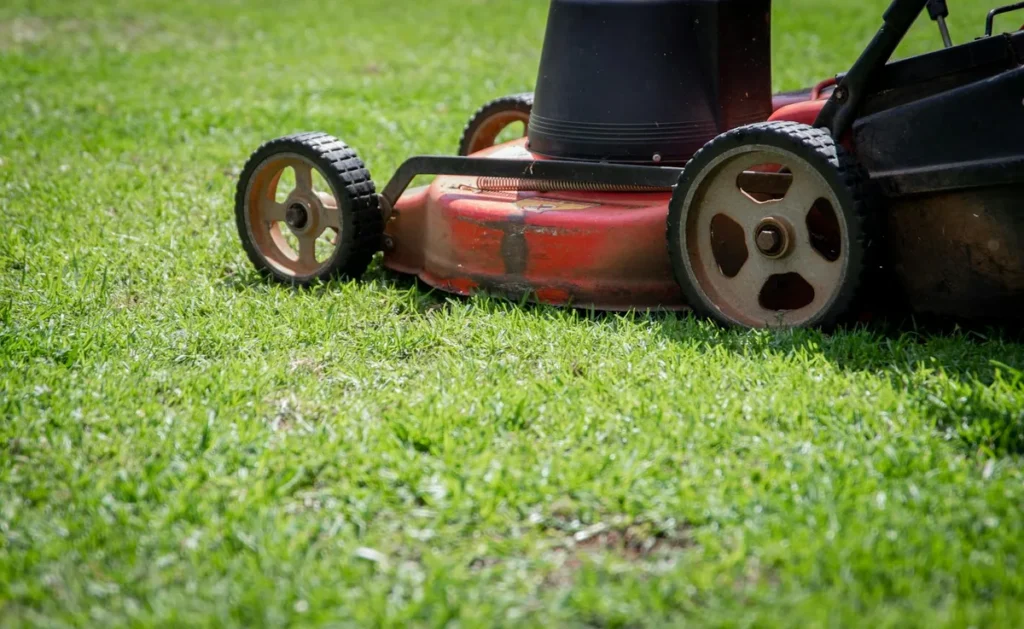
The best way to clean mower deck isn’t just about keeping it looking tidy, it’s about performance, longevity, and safety. Grass clippings, wet mulch, and dirt build up fast under there, especially if you mow in damp conditions or use a mulching blade. That gunk traps moisture, invites rust, and throws off your cut by blocking airflow and dulling blades faster.
In our research, manufacturer specifications indicate that cleaning the underside of the deck every 25 hours of use, or monthly during peak season, prevents most common issues. As of 2026, newer anti-stick coatings help, but they’re not magic. Let’s walk through exactly how to do this right, starting with why it matters and what you’ll need.
Why Cleaning Your Mower Deck Matters
A dirty deck doesn’t just look bad, it cuts poorly, wastes fuel or battery, and shortens your mower’s life. Caked-on grass acts like insulation, trapping heat and moisture that corrode metal from underneath. Over time, this leads to uneven cutting, scalped patches, and even structural weakness in stamped steel decks.
More importantly, built-up debris throws off the aerodynamic balance under the deck. Your mower relies on smooth airflow to lift grass for an even cut. When that’s blocked, you’ll see clumping, missed strips, and extra strain on the engine or motor. Regular cleaning keeps everything running as designed.
What You’ll Need Before You Start
You don’t need fancy gear, just the right basics. Here’s what works:
- Garden hose with adjustable spray nozzle (fan or jet setting)
- Stiff-bristle brush or putty knife for scraping
- Degreaser or dedicated deck cleaner (avoid harsh solvents on coated decks)
- Socket wrench or blade removal tool (if taking blades off)
- Safety gloves and eye protection
- Rags or towels for drying
If your mower has a built-in deck wash port (common on riding models), you’re in luck, that simplifies rinsing. Otherwise, plan to tip the mower or lift the deck for access. Never skip safety gear; wet grass and rust flakes aren’t something you want in your eyes.
Step-by-Step: How to Clean Under the Deck
Prep the Mower Safely
First, shut everything down: turn off the engine, remove the key (for riding mowers), and disconnect the spark plug wire. For electric models, unplug the battery or remove the safety key. This prevents accidental starts, even if it seems obvious, it’s non-negotiable.
Next, tilt the mower correctly. For push mowers, lay it on its side with the air filter and carburetor facing up. This avoids oil or fuel leaks into the engine. Riding mowers?
Use a jack or ramps to lift the front, then chock the rear wheels. Never work under a mower supported only by a hydraulic lift.
Remove Loose Debris by Hand
Before wetting anything, scrape off the big stuff. Use a putty knife or stiff brush to loosen dried grass, mud, and mulch from the deck’s underside, spindles, and discharge chute. You’ll be surprised how much comes off dry. This step prevents clogging your hose or pressure washer later and reduces soaking time.
Pay extra attention around the blade mounts and discharge opening, these are prime clog zones. If you see rust spots, note them for treatment after cleaning.
Apply Cleaner and Scrub Smart
Spray a biodegradable degreaser or deck-specific cleaner (like Simple Green or a vinegar-water mix for mild cases) onto the underside. Let it sit 5, 10 minutes to break down oily residue and stubborn grime. Don’t use bleach or ammonia, they can damage anti-stick coatings found on many modern decks.
Scrub with a stiff nylon brush (not steel, which scratches). Focus on curved areas where debris packs tight. For fabricated steel decks with welded seams, check inside crevices, they hide buildup. If you removed the blades, wipe down the spindle housings too.
Pressure Washing vs. Manual Scrubbing: Which Works Best?
Pressure washing is fast, but it’s not always the right choice. At under 1500 PSI, it can clear loose debris quickly, especially on riding mowers with hard-to-reach undersides. But high pressure forces water into seals, bearings, and electrical components, risking long-term damage. Manufacturer manuals often warn against it unless using a dedicated low-pressure deck wash system.
Manual scrubbing takes more elbow grease but gives you control. It’s safer for coated decks, older mowers, or models without sealed spindles. Aggregate user reports show that combining both, scraping first, then a gentle hose rinse, works best for most homeowners. Save the pressure washer for concrete cleanup, not precision mower care.

Best Cleaners and Tools for Different Deck Types
Not all decks are built the same, and your cleaning approach should match. Stamped steel decks (common on budget push mowers) are prone to rust and dents, avoid abrasive tools and high-pressure water. Use a soft brush and mild cleaner, then dry thoroughly.
Fabricated steel decks (thicker, welded) handle scrubbing better but collect gunk in seams. A narrow putty knife helps here. Aluminum decks (found on some premium models) resist corrosion but can oxidize; skip acidic cleaners and stick to pH-neutral options.
If your mower has a Teflon-like anti-stick coating (check the manual), never use steel wool or harsh solvents, they strip the protective layer. Instead, opt for a nylon brush and rinse-friendly degreaser. For persistent rust, a dedicated converter product (like Naval Jelly) works without sanding.

Common Mistakes That Damage Your Mower
One of the biggest errors is using too much water pressure. Even at 1200 PSI, a pressure washer can force water past seals into spindle bearings, causing premature failure. Manufacturer specs from Toro and Honda explicitly warn against high-pressure rinsing unless you’re using their approved deck wash kits.
Another frequent slip? Tilting the mower with the carburetor down. This lets oil seep into the air filter or fuel system, leading to hard starts or internal corrosion. Always position the mower so the engine’s top side faces up, this isn’t just advice, it’s in every operator’s manual we reviewed.
Skipping drying is almost as bad. Leaving the deck wet after cleaning guarantees surface rust within days, especially on uncoated steel. Wipe it down with rags or let it sit in the sun for a few hours before storing.
How Often Should You Clean the Deck?
It depends on your mowing habits, but a good rule is every 25 operating hours, roughly once a month during peak season. If you mow wet grass or use a mulching kit, double that frequency. In humid climates like Florida or the Pacific Northwest, buildup happens faster due to moisture retention.
Signs it’s overdo include clumping on the lawn, reduced cutting efficiency, or visible rust spots under the deck. Don’t wait for performance issues; proactive cleaning saves blade sharpening costs and extends deck life. For seasonal storage, always clean thoroughly in fall, even if you used the mower last week.
Safety Checklist Before You Begin
Disconnect the spark plug wire or battery first, no exceptions. This prevents accidental engagement while your hands are under the deck. Wear cut-resistant gloves; dried grass and rust edges are sharper than they look.
If you’re lifting a riding mower, use jack stands, not just a hydraulic lift. Never rely on the deck lift lever to hold the machine while you work underneath. And keep kids and pets clear, cleaning involves tools, chemicals, and potentially hot engine parts.
Pro Tips for Hard-to-Reach Spots and Stubborn Buildup
For tight corners near spindle housings, wrap a rag around a screwdriver handle and dip it in cleaner. It acts like a mini scrubber without disassembly. If you’ve got caked-on mulch in the discharge chute, a plastic scraper (not metal) avoids gouging the housing.
Stubborn rust? Apply a rust converter gel, wait 15 minutes, then wipe, it turns rust into a paintable surface without sanding. For aluminum decks with oxidation, a paste of baking soda and water gently restores shine without abrasion.
If your deck has a wash port, attach the hose before tilting the mower. Run water for 30, 60 seconds at low pressure while the blade spins (engine off, spark plug disconnected). This flushes debris without disassembly.
Final Recommendation: The Right Way for Your Mower
For most homeowners, the sweet spot is manual scraping followed by a gentle hose rinse, no pressure washer needed. If you’ve got a coated deck, stick to pH-neutral cleaners and soft brushes. Riding mowers with wash ports can use the built-in system monthly, but inspect manually every few cycles.
Always dry thoroughly, check for rust, and reattach blades securely. This routine takes 15, 20 minutes but pays off in smoother cuts, fewer repairs, and a mower that lasts years longer. Skip the shortcuts; your lawn, and your wallet, will thank you.





