Have you ever felt your car engine sputtering or noticed a lack of power when you hit the gas? These could be signs that one of your spark plugs is misfiring.
Ignoring this issue can lead to bigger problems down the road. But how do you know for sure if a spark plug is the culprit? This guide will walk you through the tell-tale signs of a misfiring spark plug and what you can do about it.
Understanding these symptoms not only saves you money but also keeps your vehicle running smoothly. Stick around, and you’ll learn how to diagnose the issue like a pro, ensuring your car remains the reliable companion you depend on every day.
Common Symptoms Of Misfiring
Misfiring spark plugs can cause several issues in your vehicle’s performance. These symptoms often signal a problem with ignition or fuel delivery. Recognizing these signs early helps prevent bigger engine troubles and costly repairs.
Engine Hesitation
The engine may hesitate or stall during acceleration. This happens because the spark plug fails to ignite the fuel properly. Hesitation can make driving feel jerky and unsafe.
Rough Idling
A misfiring spark plug causes the engine to idle roughly. You might notice vibrations or shaking when the car is stopped. This rough idling means the engine is not running smoothly.
Reduced Fuel Efficiency
Fuel consumption increases due to incomplete combustion. Misfiring spark plugs waste fuel, lowering miles per gallon. This leads to more frequent trips to the gas station.
Loss Of Power
The vehicle may lose power during driving or acceleration. A weak spark means the engine cannot produce full power. This causes slower response and poor performance on hills or highways.

Credit: www.subaruoutback.org
Visual Inspection Of Spark Plugs
Visual inspection of spark plugs offers a straightforward way to spot signs of misfiring. You don’t need fancy tools—just a clean workspace, a spark plug socket, and a keen eye. Taking time to examine your spark plugs can reveal clues about your engine’s health and help you decide if replacement or cleaning is necessary.
Checking For Carbon Deposits
Carbon deposits appear as a dry, black soot on the spark plug’s tip. This buildup often means your engine is running too rich or the air-fuel mixture is off balance. Have you noticed your engine idling roughly or using more fuel? That could be linked to these deposits.
Light carbon deposits are common, but thick layers can block the spark, causing misfires. Cleaning or replacing the plug usually fixes the issue quickly.
Examining Electrode Wear
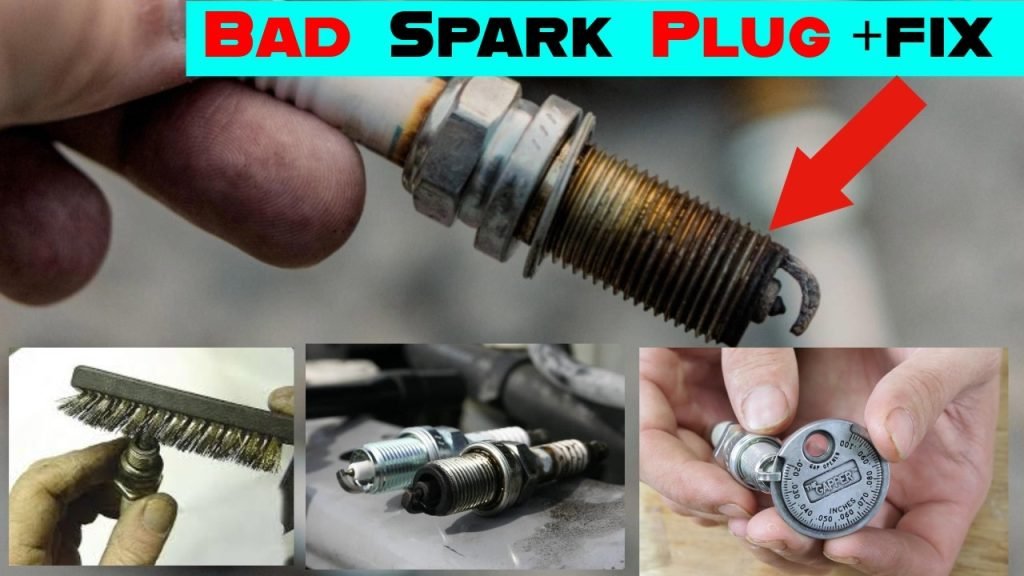
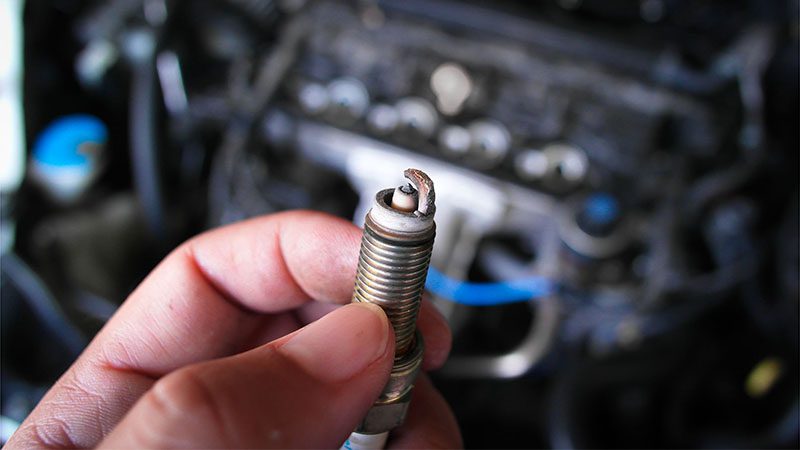
The electrode is the small metal part where the spark jumps across. Over time, it wears down and becomes rounded or eroded. This wear increases the gap, making it harder for the spark to ignite the fuel-air mix properly.
If your spark plug’s electrode looks worn, it’s a clear sign the plug isn’t firing efficiently. Worn electrodes often cause hesitation during acceleration or rough running.
Looking For Oil Fouling
Oil fouling shows up as a wet, oily coating on the spark plug’s insulator and electrodes. This usually means oil is leaking into the combustion chamber, which can happen due to worn piston rings or valve seals.
Oil fouling can drown the spark, stopping ignition and causing misfires. Spotting this early can save you from bigger engine problems later.
Identifying Physical Damage
Physical damage includes cracks, chips, or broken insulators on the spark plug. Such damage can cause a weak or inconsistent spark. If you find any visible cracks or broken parts, the spark plug should be replaced immediately.
Have you ever pulled out a plug and found it shattered? It’s a sign something’s seriously wrong under the hood, and ignoring it could lead to costly repairs.
Using Diagnostic Tools
Using diagnostic tools can take the guesswork out of identifying a misfiring spark plug. These tools give you clear, actionable information about your engine’s performance. Instead of relying on sound or rough running alone, you can pinpoint the exact issue and save time and money on repairs.
Obd-ii Scanner Codes
Plugging an OBD-II scanner into your car’s diagnostic port reveals trouble codes related to misfires. These codes often start with “P030” and may specify which cylinder is misfiring.
For example, a code like P0302 means cylinder 2 is misfiring. This helps you focus your inspection and repairs on the exact spark plug causing trouble.
Have you ever ignored a check engine light only to face bigger engine problems later? Using an OBD-II scanner can prevent that by catching issues early.
Multimeter Testing
A multimeter lets you test the spark plug’s electrical resistance. Measure the resistance across the spark plug’s electrode to check if it’s within the manufacturer’s recommended range.
High or infinite resistance often means the spark plug is faulty or worn out. This test is simple and affordable, and you don’t have to remove the spark plug wires to do it.
If you want a quick way to eliminate spark plug issues from your troubleshooting list, grab a multimeter and check the resistance values.
Spark Tester Usage
A spark tester helps you see if the spark plug is firing properly while the engine runs. Connect the tester between the spark plug wire and the plug itself, then watch for a strong, consistent spark.
No spark or a weak spark indicates a problem with the plug or ignition system. This tool is especially handy when you want to test spark plugs under real operating conditions.
Have you ever wondered if your spark plugs are really firing as they should? A spark tester gives you direct visual proof in seconds.
Credit: autopartswd.com
Common Causes Of Spark Plug Misfires
Understanding the common causes of spark plug misfires can save you time and money on repairs. Misfires don’t always mean the spark plug itself is faulty; often, other issues play a crucial role. Identifying the root cause helps you fix the problem effectively and avoid repeated breakdowns.
Ignition System Issues
Ignition system problems are a frequent culprit behind spark plug misfires. Faulty ignition coils can fail to send the proper voltage to the spark plug, causing weak or no sparks. Worn spark plug wires or damaged connectors may interrupt the electrical flow, leading to inconsistent firing.
Have you checked your ignition components lately? A simple visual inspection can reveal cracked wires or corrosion that hampers performance. Ignoring these signs often results in poor engine performance and reduced fuel efficiency.
Fuel System Problems
Your engine needs the right fuel-air mixture to run smoothly. A clogged fuel injector or a dirty fuel filter can disrupt this balance, causing the spark plug to misfire due to improper combustion. Low fuel pressure or a malfunctioning fuel pump can also starve the engine of fuel, leading to misfires.
Think about your last fuel system check. Are you using quality fuel and replacing filters on time? Sometimes, a quick cleaning or part replacement can restore your engine’s smooth operation without costly repairs.
Engine Mechanical Faults
Mechanical issues inside the engine can cause spark plugs to misfire as well. Problems such as low compression from worn piston rings, valve leaks, or a blown head gasket affect combustion efficiency. These faults mean the spark plug can’t ignite the mixture properly, no matter how well it’s functioning.
If your engine feels rough or loses power, it’s worth testing compression levels. Spotting mechanical faults early can prevent severe damage and keep your car running reliably.
Steps To Fix Spark Plug Misfires
Fixing spark plug misfires requires a careful approach to identify and address the root cause. Tackling this issue early can save you from more extensive engine troubles and improve your vehicle’s performance immediately. Let’s break down the key steps you can take to get your engine running smoothly again.
Cleaning Or Replacing Spark Plugs
Start by inspecting your spark plugs closely. Dirt, oil, or carbon buildup can prevent proper sparking. You might be surprised how often a simple cleaning solves the problem.
If the spark plug looks worn or damaged, replacement is the better option. Using the right type and gap for your engine is crucial—check your vehicle’s manual for specs. Have you checked if your spark plugs are reaching the recommended mileage for replacement?
Checking Ignition Coils
Ignition coils provide the electricity spark plugs need. A faulty coil can mimic spark plug misfires, making this a vital area to check. Use a multimeter to test coil resistance or swap coils between cylinders to see if the misfire moves.
Pay attention to heat or physical damage on the coils. Sometimes, replacing a bad coil can restore smooth engine operation instantly. Could your misfire be hiding in the ignition coil rather than the spark plug?
Addressing Fuel Delivery
Misfires may also stem from inconsistent fuel delivery. Dirty fuel injectors or a clogged fuel filter can starve your engine of fuel. Try using a fuel injector cleaner or replacing the filter to improve flow.
Monitor how your engine responds after these fixes. If fuel delivery was the issue, you’ll notice better throttle response and fewer misfires. Are you regularly maintaining your fuel system to avoid these surprises?
Inspecting Engine Components
Look beyond spark plugs and ignition systems—engine components like valves, compression, and sensors affect combustion quality. Low compression or faulty sensors can cause misfires that mimic spark plug issues.
Perform a compression test or scan your engine for error codes using an OBD-II scanner. This helps pinpoint if internal engine parts need attention. Could an overlooked engine issue be the real cause behind your misfires?

Credit: craigscarcare.com
Frequently Asked Questions
What Are Common Signs Of A Misfiring Spark Plug?
A misfiring spark plug causes engine hesitation, rough idling, and poor acceleration. You may also notice increased fuel consumption and engine vibration.
How Can I Test If A Spark Plug Is Misfiring?
Use an OBD-II scanner to check engine codes or visually inspect the spark plug for wear, deposits, or damage.
Can A Misfiring Spark Plug Damage My Engine?
Yes, prolonged misfires can cause engine damage, reduce performance, and increase emissions. Fixing spark plug issues promptly prevents costly repairs.
How Often Should Spark Plugs Be Checked For Misfiring?
Check spark plugs every 30,000 to 50,000 miles or during regular vehicle maintenance to ensure optimal engine performance.
Conclusion
A misfiring spark plug can cause many car problems. Signs like rough idling, poor fuel economy, and engine hesitation matter. Checking spark plugs regularly helps avoid bigger issues. Replace damaged or worn plugs to keep your engine running smooth. Simple steps can save time and money.
Stay alert to your car’s performance for a safer drive. Understanding spark plug health helps you maintain your vehicle better. Keep your engine firing right and enjoy a smoother ride.





