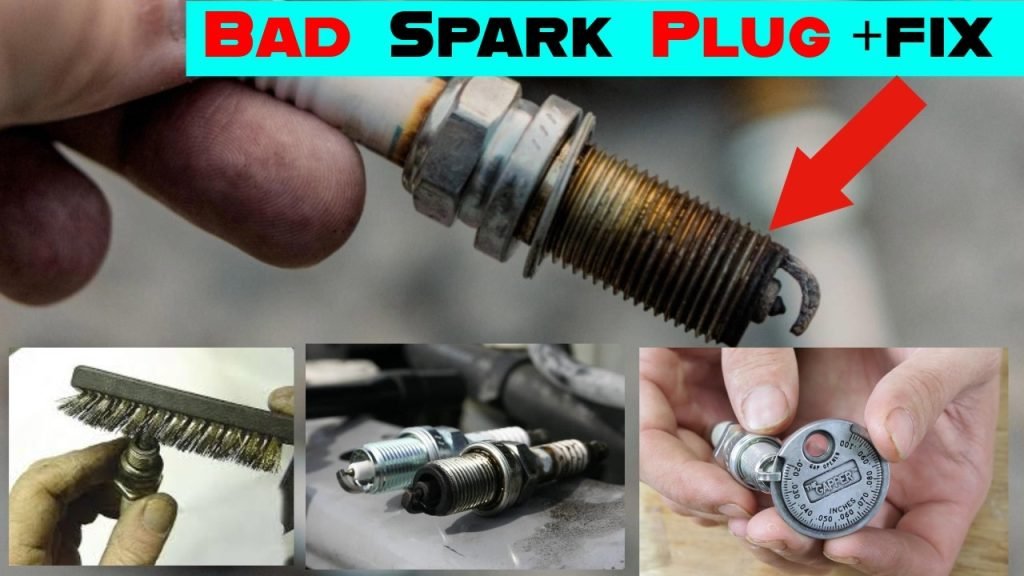
Are you starting to notice your car’s engine running rough, or perhaps you’re experiencing a drop in fuel efficiency? These could be signs that something isn’t quite right under the hood.
One of the usual suspects in such scenarios is a faulty spark plug. But how do you know if a spark plug is bad? Before you find yourself stranded on the side of the road or dealing with costly repairs, it’s crucial to understand the tell-tale signs that your spark plugs might be failing.
Imagine cruising smoothly down the highway, feeling the power and efficiency of your vehicle, only to have it sputter and stall unexpectedly. It’s frustrating, isn’t it? But what if you could avoid these unpleasant surprises by knowing exactly what to look for and when to take action? You’ll discover simple yet effective ways to diagnose a bad spark plug, ensuring your car remains reliable and efficient. Keep reading, and empower yourself with the knowledge to keep your vehicle in top shape and avoid unnecessary headaches.
Common Spark Plug Problems
Knowing the common problems that affect spark plugs can save you time and money. These issues often cause your engine to misfire, run rough, or lose power. Understanding what to look for helps you decide if it’s time for a replacement or just a quick cleaning.
Worn Electrodes
Electrodes wear down over time because of constant sparking. When the gap between the electrodes widens, the spark weakens, leading to poor engine performance. Have you noticed your car hesitating or struggling to start? Worn electrodes might be the reason.
Carbon Buildup
Carbon deposits can coat the spark plug, blocking the spark from jumping properly. This buildup often results from running your engine too rich or short trips that don’t allow full combustion. If your engine feels sluggish or has trouble idling smoothly, check your plugs for a black, soot-like layer.
Oil Fouling
Oil fouling happens when oil leaks into the combustion chamber and coats the spark plug. This causes misfires and a noticeable drop in fuel efficiency. If you spot oily, wet plugs during an inspection, it’s a sign that your engine might have worn piston rings or valve seals.
Overheating Signs
Excessive heat can damage spark plugs, causing them to appear white or blistered. This condition often results from incorrect heat range plugs or engine timing issues. Have you experienced frequent engine knocking or pinging? Overheating spark plugs could be a key factor.

Credit: www.reddit.com
Symptoms Of A Bad Spark Plug
Bad spark plugs cause several noticeable car problems. These symptoms affect driving performance and fuel usage. Detecting them early helps avoid costly repairs and ensures smooth engine function.
Engine Misfires
Misfires happen when spark plugs fail to ignite the fuel properly. The engine may jerk or hesitate during acceleration. You might hear a popping sound or feel vibrations. This problem reduces power and can damage the engine over time.
Poor Fuel Economy
Worn spark plugs burn more fuel than usual. The engine struggles to run efficiently. This leads to more visits to the gas station. Paying attention to fuel use helps spot spark plug issues early.
Hard Starts
Starting the car becomes difficult with bad spark plugs. The engine may crank longer before starting. Sometimes, it won’t start at all. Cold weather can make this problem worse.
Rough Idling
A bad spark plug causes uneven engine running at idle. The engine may shake or sound uneven. This rough idling wastes fuel and stresses engine parts. It signals the need for spark plug inspection.
Visual Inspection Tips
Visual inspection of spark plugs can reveal a lot about their condition and the overall health of your engine. By taking a close look at specific parts of the spark plug, you can catch early signs of wear or damage before they lead to bigger problems. Let’s focus on what to look for during your inspection to know if a spark plug is bad.
Checking Electrode Condition
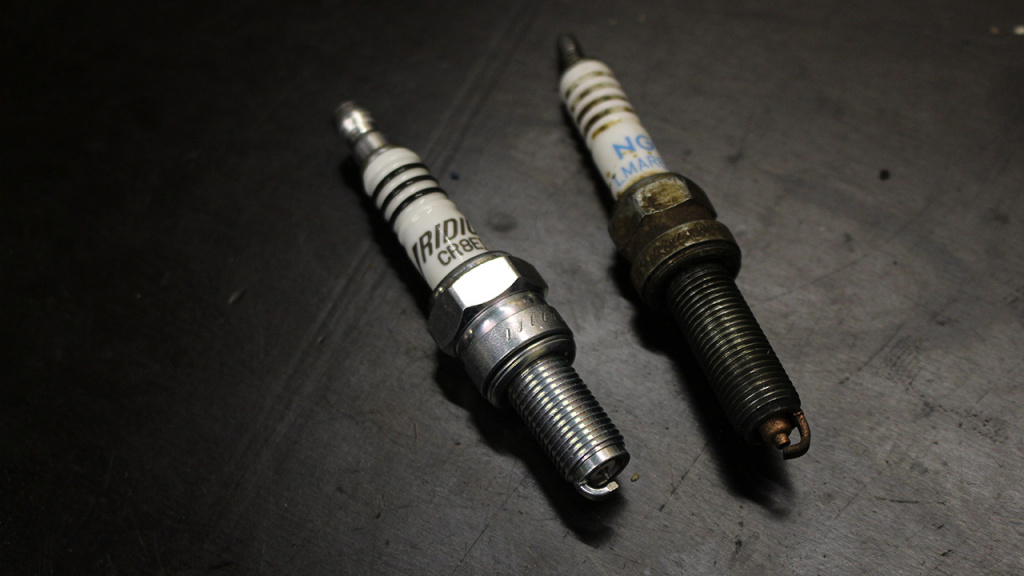
The electrode is the part of the spark plug that actually produces the spark. If it looks worn down, rounded, or eroded, it’s a clear sign your spark plug is struggling. Sharp edges on the electrode help create a strong spark, so any smoothing out means less efficient ignition.
Have you noticed your car misfiring or struggling to start? Worn electrodes might be the reason. A healthy electrode usually appears clean and intact, so don’t ignore any visible changes here.
Identifying Deposits
Deposits on the spark plug can tell you a lot about your engine’s combustion. Look for unusual buildups like oily, black soot or white, chalky residue. These deposits can indicate issues such as oil leaks, fuel mixture problems, or overheating.
- Black, dry sootoften means a rich fuel mixture or weak ignition.
- Oily depositssuggest oil is leaking into the combustion chamber.
- White or ash-colored depositsmay point to coolant leaks or fuel additives causing buildup.
Do your spark plugs show any of these signs? Catching these early can save you from costly repairs down the road.
Spotting Cracks And Damage
Cracks in the ceramic insulator or visible physical damage are red flags. Even small cracks can cause misfires because they allow the spark to escape before igniting the fuel-air mixture. Check the insulator carefully under good lighting.
Have you ever found a cracked spark plug and wondered what caused it? Extreme heat or improper installation often leads to this damage. Replacing damaged plugs immediately helps maintain engine performance and prevents further damage.

Credit: www.reddit.com
Using Tools To Test Spark Plugs
Testing spark plugs with the right tools can save you time and money. Instead of guessing if a spark plug is bad, you can measure its actual condition. Using tools like a multimeter, spark tester, or even conducting a compression test gives you solid proof of what’s going on inside your engine.
Multimeter Testing
A multimeter helps you check the spark plug’s resistance. Start by setting your multimeter to the ohms (Ω) setting. Touch one probe to the spark plug’s terminal and the other to the metal shell.
If the resistance is too high or reads as infinite, your spark plug may be failing. A healthy spark plug usually shows resistance between 4,000 and 8,000 ohms. This test is quick and tells you if the plug’s internal wire is broken or damaged.
Spark Tester Usage
A spark tester is a simple tool that lets you see if the spark plug actually fires. Connect the tester between the spark plug wire and the plug itself. Then, crank your engine.
If the spark is strong and consistent, your plug is working well. A weak or no spark means the plug could be fouled or worn out. Using a spark tester is a direct way to see the spark plug’s performance without removing it from the engine.
Compression Test
While not a direct spark plug test, a compression test shows if your engine cylinders are healthy. Low compression can cause misfires that seem like spark plug problems. Use a compression gauge on each cylinder after removing the spark plugs.
Consistent pressure readings indicate the engine is in good shape, so spark plug issues are more likely. Uneven or low compression might mean the problem is deeper than just the spark plugs. This test helps you rule out other engine issues before replacing plugs unnecessarily.
When To Replace Spark Plugs
Knowing the right time to replace spark plugs keeps your engine running smoothly. Spark plugs wear down over time and affect car performance. Replacing them at the right moment saves fuel and prevents engine trouble. Pay close attention to mileage and performance signs. Some symptoms mean urgent replacement is necessary.
Recommended Mileage Intervals
Most spark plugs need replacement every 30,000 to 100,000 miles. This depends on the type of spark plug and vehicle model. Check your car’s manual for exact mileage advice. Replacing plugs too late can cause engine misfires and poor fuel economy. Early replacement helps avoid costly repairs.
Performance Thresholds
Engine performance drops when spark plugs wear out. Noticeable signs include:
- Hard starts or engine misfires
- Rough idling or stalling
- Reduced acceleration or power
- Higher fuel consumption
These issues signal spark plugs may need replacement soon. Ignoring them leads to bigger engine problems.
Signs Replacement Is Urgent
Some spark plug problems require immediate attention. Look for:
- Engine backfiring or knocking sounds
- Check engine light turning on
- Visible damage on spark plugs, like cracks or heavy deposits
- Engine overheating or poor combustion
Addressing these signs quickly prevents engine damage and costly repairs. Replace spark plugs without delay when these occur.
Preventing Spark Plug Issues
Preventing spark plug issues helps keep your engine running smoothly. Spark plugs wear out over time. Taking simple steps can extend their life and improve performance. These practices reduce the chance of misfires and poor fuel economy.
Regular Maintenance
Check spark plugs at least every 30,000 miles or as your car manual suggests. Clean or replace them if needed. Regular inspection catches problems early. It prevents damage to other engine parts. Keep an eye on spark plug gaps. Adjust if they are too wide or narrow.
Using Quality Fuel
Choose fuel that meets your vehicle’s specifications. Low-quality fuel can cause deposits on spark plugs. These deposits reduce spark efficiency. Avoid fuels with high ethanol content unless recommended. Clean fuel helps keep spark plugs free from buildup.
Proper Installation
Install spark plugs carefully to avoid damage. Use a torque wrench to tighten them correctly. Over-tightening can crack the plug or thread. Under-tightening may cause poor contact and misfires. Always check the gap before installation. Use the plug type recommended by the manufacturer.
Credit: finntrail.com
Frequently Asked Questions
How Can I Tell If A Spark Plug Is Failing?
A failing spark plug causes engine misfires, rough idling, and poor acceleration. Check for worn electrodes or heavy deposits. These signs often indicate the spark plug needs replacement.
What Are Common Symptoms Of A Bad Spark Plug?
Symptoms include difficulty starting the engine, reduced fuel efficiency, and engine hesitation. You may also notice increased exhaust emissions and engine surging during acceleration.
How Often Should Spark Plugs Be Inspected Or Replaced?
Inspect spark plugs every 30,000 miles or as recommended by your vehicle’s manual. Replace them if you notice wear, damage, or if performance issues arise.
Can A Bad Spark Plug Cause Engine Misfires?
Yes, a bad spark plug often leads to engine misfires. This happens because it can’t ignite the air-fuel mixture properly, causing rough running and power loss.
Conclusion
A bad spark plug can cause many engine problems. Watch for rough idling, poor fuel economy, or hard starts. Check the plug’s tip for wear or deposits. Clean or replace spark plugs regularly to keep your engine healthy. Simple checks save time and money.
Remember, good spark plugs help your car run smoothly and efficiently. Stay alert to signs and maintain your vehicle well.





