Do you know when it’s time to replace your spark plugs? You might be surprised how much they affect your car’s performance.
Ignoring worn-out spark plugs can lead to poor fuel efficiency, rough idling, and even engine trouble. But how do you tell if your spark plugs need changing? You’ll discover the clear signs to watch for and why timely replacement can save you money and stress.
Keep reading to find out exactly when and why you should replace your spark plugs to keep your car running smoothly.
Credit: beachautomotive.com
When To Replace Spark Plugs
Knowing when to replace spark plugs is key to keeping your engine running smoothly. Spark plugs ignite the fuel in your engine, so worn plugs can cause poor performance and lower fuel efficiency. Replacing them at the right time helps avoid costly repairs and engine problems.
Signs Of Worn Spark Plugs
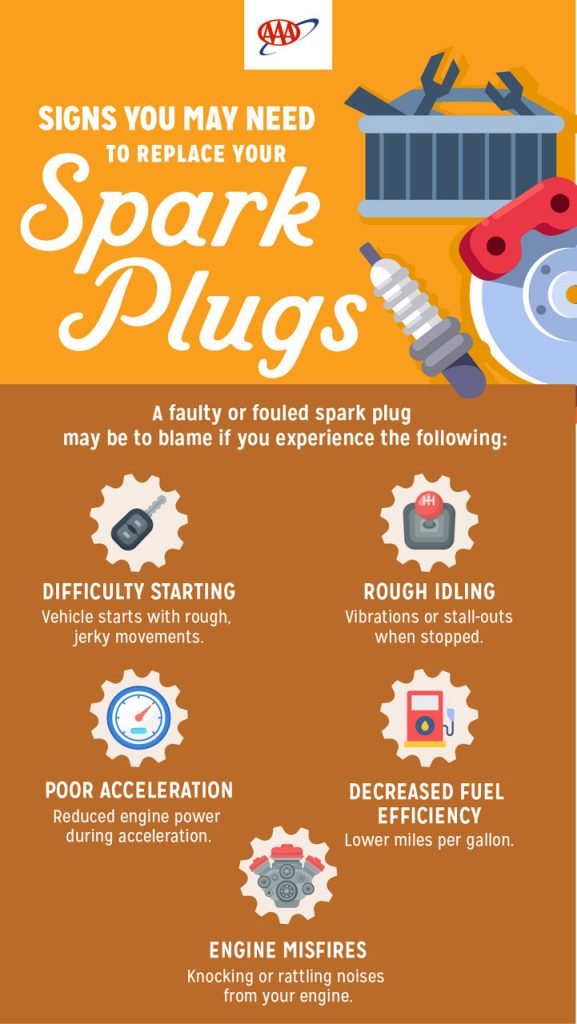
- Engine misfires or runs rough
- Difficulty starting the engine
- Reduced fuel efficiency
- Poor acceleration or power loss
- Engine idles unevenly or stalls
These signs mean the spark plugs may not be firing correctly. Checking them helps ensure your engine runs well.
Manufacturer Recommendations
Car makers provide specific guidelines for spark plug replacement. These vary by model and spark plug type. Check your owner’s manual for exact intervals. Following these guidelines keeps your engine in good shape and avoids unexpected issues.
Mileage And Usage Factors
Spark plugs usually last between 30,000 and 100,000 miles. Some last longer with special materials. Driving habits affect their lifespan too. Frequent short trips or stop-and-go traffic wear plugs faster. Regular highway driving often extends their life. Monitor mileage and driving style to decide when to replace them.
Credit: modernautoparts.co.za
Types Of Spark Plugs
Understanding the different types of spark plugs can save you time and money when it’s time to replace them. Not all spark plugs are created equal, and each type offers unique benefits and drawbacks. Knowing these differences helps you pick the best fit for your engine’s needs.
Copper Vs Platinum Vs Iridium
Copper spark plugs are the most affordable and provide excellent conductivity. However, they wear out faster and need replacement more often. If you drive an older vehicle or one with a low-compression engine, copper plugs might be enough.
Platinum spark plugs last longer than copper because platinum is more durable. They offer better performance and fuel efficiency but come at a higher price. Many modern cars use platinum plugs as a good middle ground between cost and longevity.
Iridium spark plugs are the most durable and provide the best performance. Their fine wire center electrode allows for a stronger spark and improved fuel combustion. Although they cost more upfront, iridium plugs often save you money over time due to their longevity and efficiency.
Choosing The Right Spark Plug For Your Engine
Check your vehicle’s manual to see the manufacturer’s recommendation for spark plug type and gap size. Using the wrong spark plug can cause misfires, poor fuel economy, or engine damage.
Consider your driving habits and conditions. If you often drive long distances or in stop-and-go traffic, a more durable spark plug like iridium might pay off.
Have you ever switched spark plug types and noticed a change in engine smoothness or gas mileage? Your experience can guide your choice. Don’t hesitate to ask your mechanic for advice tailored to your car model and driving style.
How Spark Plugs Affect Engine Performance
Your spark plugs play a crucial role in how your engine runs every day. They ignite the air-fuel mixture inside the engine’s cylinders, making sure your car starts and runs smoothly. If your spark plugs are worn or dirty, you might notice your engine acting up in ways you didn’t expect.
Impact On Fuel Efficiency
Worn spark plugs can cause incomplete combustion, which means your engine burns more fuel than it needs to. This leads to lower miles per gallon and higher fuel costs. Have you ever felt your tank emptying faster without changing your driving habits? Your spark plugs might be the reason.
Effect On Engine Power And Smoothness
When spark plugs don’t fire properly, your engine can misfire or run rough. This reduces your car’s power and can make acceleration sluggish. You might notice your engine hesitating or shaking—signs that your spark plugs aren’t doing their job well.
Spark Plugs And Emissions
Bad spark plugs can increase harmful emissions by causing unburned fuel to exit your exhaust. This not only harms the environment but can also cause your vehicle to fail emissions tests. Keeping spark plugs in good shape helps your car run cleaner and keeps you on the right side of the law.
Diy Spark Plug Replacement
Replacing spark plugs can save money and keep your engine running smoothly. Doing it yourself is easier than many think. Basic tools and careful steps are all you need. This guide helps you replace spark plugs at home safely and effectively.
Tools Needed
- Spark plug socket wrench
- Ratchet wrench
- Extension bar
- Torque wrench
- Feeler gauge
- Dielectric grease
- Protective gloves
- Safety glasses
Step-by-step Replacement Guide
First, let the engine cool completely. Remove the spark plug wire or coil pack carefully. Use the spark plug socket and ratchet to loosen and remove the old plug. Check the gap on the new spark plug with the feeler gauge. Adjust the gap if needed. Insert the new spark plug by hand to avoid cross-threading. Tighten it with the torque wrench to the manufacturer’s specification. Apply dielectric grease to the inside of the spark plug boot. Reattach the spark plug wire or coil pack securely. Repeat for each spark plug in your engine.
Safety Precautions
- Always work on a cool engine to avoid burns.
- Wear gloves to protect your hands from sharp parts.
- Use safety glasses to guard eyes from debris.
- Keep tools organized to prevent accidents.
- Disconnect the battery if working near electrical parts.
Professional Maintenance Tips
Proper maintenance of your spark plugs ensures your engine runs smoothly and efficiently. Professionals can spot issues early and keep your car in top shape. Following expert advice helps avoid costly repairs and keeps your vehicle reliable.
When To Seek Professional Help
Some spark plug problems need expert attention. Strange engine noises or rough idling are signs to visit a mechanic. If your car struggles to start or fuel efficiency drops, get a professional check. They have the tools to diagnose issues accurately.
Replacing spark plugs can be tricky. A wrong installation may harm your engine. Professionals know the right spark plug type and gap size for your car model. They can also check for deeper problems during replacement.
Additional Engine Checks During Replacement
Professionals do more than just change spark plugs. They inspect ignition wires and coils for wear. They check for oil leaks and carbon buildup that affect performance. Testing battery health and fuel system ensures the engine runs well.
These extra checks help catch problems early. Maintaining the entire ignition system improves your car’s power and fuel economy. This thorough approach extends engine life and reduces breakdown risks.
Common Spark Plug Issues
Understanding common spark plug issues can save you time and money. These tiny parts play a big role in your engine’s performance. If you notice problems like rough idling or difficulty starting your car, the spark plugs might be the culprit.
Fouling And Deposits
Fouling happens when dirt, oil, or fuel residues build up on the spark plug. This layer blocks the spark, causing misfires and poor fuel economy.
Have you ever noticed black, sooty deposits on the plug? That’s a sign of carbon fouling, often caused by running too rich a fuel mixture.
Cleaning or replacing fouled plugs can restore your engine’s smooth operation. Ignoring this can lead to bigger engine troubles down the road.
Gap Problems
The gap between the spark plug’s electrodes is crucial for a strong spark. If the gap is too wide or too narrow, ignition will suffer.
Think about how a weak spark might feel—your car hesitates or stumbles when accelerating. This could be due to incorrect spark plug gaps.
Checking and adjusting the gap with a feeler gauge is an easy fix you can do yourself or have a mechanic handle during routine maintenance.
Damage And Wear Signs
Physical damage and wear can affect spark plug function. Cracked insulators, worn electrodes, or burnt tips are clear signs it’s time for a replacement.
Have you ever inspected your spark plugs and noticed the electrodes looked eroded or melted? This often happens after high mileage or severe engine conditions.
Ignoring damaged plugs can lead to engine misfires and reduced power. Regular inspection helps you catch these issues early and keep your car running efficiently.
Extending Spark Plug Life
Extending the life of your spark plugs can save you time, money, and the hassle of unexpected car troubles. These small components play a big role in your engine’s performance, so keeping them in good shape is essential. Let’s look at practical ways to stretch their lifespan effectively.
Proper Engine Maintenance
Keeping your engine well-maintained directly affects how long your spark plugs last. Regular oil changes prevent dirt and grime from causing buildup on spark plugs, which can lead to misfires.
Check your air filter often. A clean air filter ensures the right air-to-fuel mixture, reducing stress on spark plugs and improving combustion efficiency.
Have you ever ignored a check engine light, only to find out it was a spark plug issue? Addressing engine problems early can prevent spark plug damage and extend their life.
Fuel Quality And Its Role
Using high-quality fuel reduces deposits on spark plugs, keeping them cleaner and functioning better for longer. Cheap or contaminated fuel often contains additives that can foul spark plugs faster.
Consider switching to premium fuel if your vehicle recommends it; this can improve combustion and reduce the chances of spark plug wear.
Do you know what’s in your fuel? Avoid stations with questionable fuel sources, as poor fuel quality can lead to costly spark plug replacements.
Driving Habits That Help
How you drive affects your spark plugs more than you might think. Short trips where the engine doesn’t fully warm up cause incomplete combustion, leaving deposits on the plugs.
Try to combine errands into longer drives to allow your engine to reach optimal temperature, which helps burn off carbon buildup on spark plugs.
Avoid aggressive acceleration and high RPMs regularly, as these stress the spark plugs and shorten their lifespan.

Credit: www.youtube.com
Frequently Asked Questions
How Often Should Spark Plugs Be Replaced?
Spark plugs typically need replacement every 30,000 to 100,000 miles. Check your vehicle’s manual for exact intervals. Regular replacement ensures optimal engine performance and fuel efficiency.
What Are Signs Of A Bad Spark Plug?
Common signs include engine misfires, poor fuel economy, trouble starting, and rough idling. If you notice these, inspect or replace your spark plugs promptly.
Can I Drive With A Faulty Spark Plug?
Driving with a faulty spark plug is possible but not recommended. It may cause engine damage and reduce fuel efficiency. Replace faulty plugs as soon as you can.
What Happens If Spark Plugs Are Not Replaced?
Old spark plugs cause misfires, reduced power, and lower fuel efficiency. Prolonged neglect can damage the engine and increase emissions. Timely replacement prevents costly repairs.
Conclusion
Replacing spark plugs is essential for your car’s health. They ensure smooth engine performance. Ignoring them can lead to bigger issues. Regular checks prevent costly repairs. So, keep an eye on their condition. It’s not just about performance; it’s about safety too.
Old spark plugs can cause engine misfires. This can be dangerous on the road. Remember, maintenance saves money in the long run. Don’t wait for problems to arise. Take action now. Your car will thank you. Drive safe, and keep those spark plugs in check!





