You’ve just noticed your check engine light glowing ominously on your dashboard, and you’re filled with a mix of curiosity and concern. Could something as simple as your spark plugs be the culprit?
Before you panic or rush to the mechanic, let’s explore the connection between bad spark plugs and that pesky check engine light. Understanding this link could save you time, money, and stress. We’ll delve into why spark plugs might be the reason for that unexpected light and what you can do about it.
Stick around, because the insights you gain could be the key to solving your car troubles.
What Spark Plugs Do
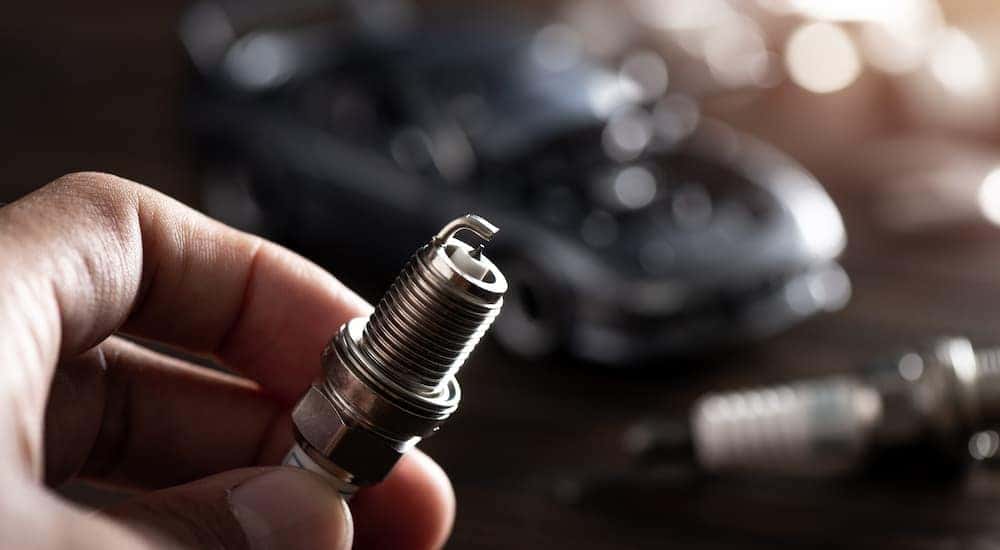
Spark plugs are small but powerful components in your vehicle’s engine. They create the spark needed to ignite the air-fuel mixture inside the cylinders. This ignition process drives your engine and keeps your car running smoothly.
Understanding what spark plugs do helps you realize why a bad spark plug can trigger your check engine light. If the spark is weak or inconsistent, your engine struggles to perform efficiently. This often leads to warning signals from your car’s onboard computer.
Role In Engine Performance
Spark plugs directly affect how your engine runs every time you start your car. They ignite the fuel-air mixture at precisely the right moment, ensuring smooth combustion. This timing impacts power output, fuel efficiency, and emissions.
If a spark plug misfires, you’ll notice rough idling, hesitation during acceleration, or a drop in fuel mileage. These issues happen because the engine isn’t firing properly in one or more cylinders. Your vehicle’s computer detects this and may turn on the check engine light to alert you.
Signs Of Spark Plug Wear
Spotting worn spark plugs early can save you from costly repairs. Common signs include:
- Difficulty starting your car
- Engine misfires or rough running
- Reduced fuel efficiency
- Increased exhaust emissions
Have you ever experienced your car hesitating on the road or feeling less responsive? These are clues your spark plugs might be failing. Checking and replacing spark plugs regularly can keep your engine performing at its best and prevent unexpected check engine light alerts.
Credit: www.mccluskeychevrolet.com
Check Engine Light Basics
The Check Engine Light (CEL) is one of the most important warning signals in your vehicle. It’s designed to alert you when something isn’t right under the hood. Understanding the basics of this light can help you respond quickly and avoid costly repairs.
Common Causes
Several issues can trigger the Check Engine Light, ranging from minor to serious. Some frequent causes include:
- Faulty spark plugs
- Loose or damaged gas cap
- Oxygen sensor failure
- Malfunctioning catalytic converter
- Problems with the mass airflow sensor
Did you know a single bad spark plug can cause misfires that light up the CEL? Ignoring it often leads to lower fuel efficiency and engine damage.
How It Alerts You
The Check Engine Light usually appears as a small engine icon on your dashboard. It can glow steadily or blink, each indicating different levels of urgency.
- Steady light:Indicates a non-emergency issue that needs attention soon.
- Blinking light:Signals a serious problem requiring immediate action to prevent damage.
Have you ever wondered why your light stays on even after you fix the problem? Sometimes, the system needs a reset or a drive cycle to turn off the light.
Link Between Spark Plugs And Check Engine Light
The check engine light is a warning signal from your vehicle’s computer. It alerts you when the engine has a problem. Spark plugs play a key role in engine performance. Faulty spark plugs can cause this light to turn on. Understanding this link helps you act fast and avoid bigger issues.
How Faulty Spark Plugs Trigger The Light
Spark plugs create sparks to ignite the fuel-air mix. Worn or damaged plugs cause misfires in the engine. Misfires reduce engine efficiency and increase emissions. The engine control unit (ECU) detects these misfires. It then triggers the check engine light to warn you. Ignoring this warning can lead to poor fuel economy or engine damage.
Diagnostic Trouble Codes To Watch
The ECU stores trouble codes when the check engine light appears. Codes related to spark plugs include:
- P0300 – Random/multiple cylinder misfire detected
- P0301 to P0308 – Specific cylinder misfire codes
- P0351 to P0358 – Ignition coil primary/secondary circuit issues
These codes help mechanics identify spark plug problems quickly. A simple scan tool can read these codes. This saves time and costs in diagnosing engine issues.

Credit: www.fcmuffler.com
Symptoms Of Bad Spark Plugs
Recognizing the symptoms of bad spark plugs is key to preventing bigger engine problems and unexpected repair bills. Spark plugs play a crucial role in igniting the fuel-air mixture in your engine. When they start failing, your vehicle sends out clear signals that something isn’t right.
Engine Misfires
One of the most obvious signs of bad spark plugs is engine misfires. You might feel your car jerk or hesitate during acceleration. This happens because faulty spark plugs fail to ignite the fuel properly, causing uneven combustion.
Have you ever noticed a sudden drop in power when you’re merging onto a highway? That could be your engine misfiring due to worn-out spark plugs. Ignoring this can lead to damage in other engine components.
Poor Fuel Economy
Bad spark plugs cause incomplete combustion, which means your engine burns more fuel to maintain performance. If you suddenly find yourself filling the tank more often, spark plugs might be the culprit.
Think about your last road trip. Did your fuel gauge drop faster than usual? Replacing spark plugs can improve your mileage and save money at the pump.
Rough Idling
Your car should run smoothly even when idling. Rough idling or unusual vibrations can signal spark plug issues. Faulty plugs create inconsistent sparks, causing the engine to stumble while at rest.
Next time you’re stopped at a light, listen to your engine. Does it sound shaky or uneven? This is a strong hint that your spark plugs need a checkup.
Testing And Diagnosing Spark Plug Issues
Testing and diagnosing spark plug issues is crucial when your check engine light comes on. Spark plugs play a key role in engine performance, and any faults can trigger warning signals. Knowing how to inspect and interpret these signs can save you time and money on repairs.
Visual Inspection Tips
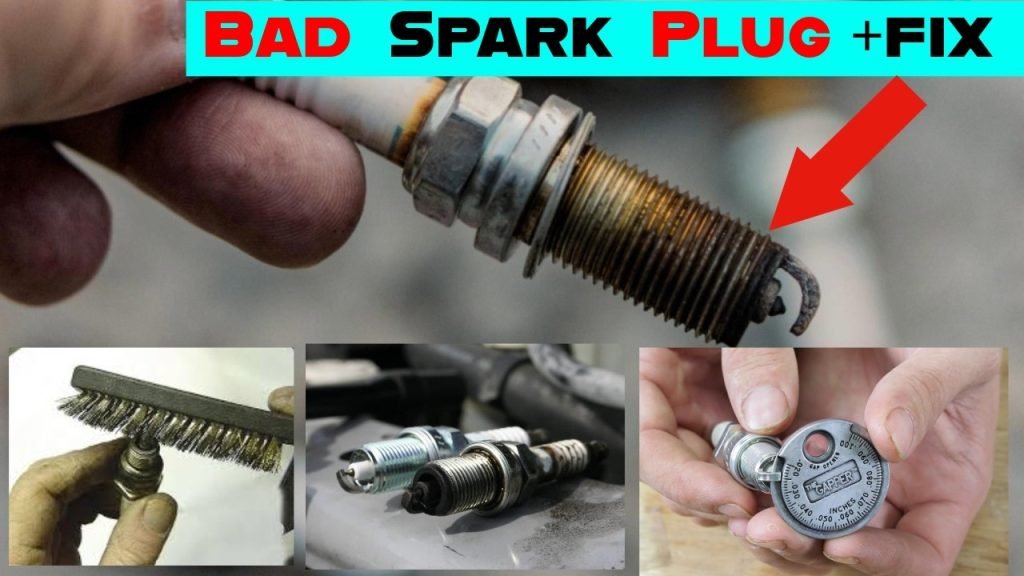
Start by removing the spark plugs carefully. Look for common signs like cracks, carbon buildup, or oil fouling on the electrodes. These issues often point to poor combustion or engine problems.
Check the gap between the electrodes using a spark plug gauge. A gap that’s too wide or too narrow can cause misfires and engine roughness. Remember, even slight wear can impact how your engine runs.
Don’t ignore discoloration. A white or blistered plug might indicate overheating, while a black, sooty plug suggests a rich fuel mixture. Each pattern tells a different story about your engine’s health.
Using An Obd-ii Scanner
An OBD-II scanner is a practical tool to help identify spark plug-related issues. Plug it into your vehicle’s diagnostic port to retrieve error codes that hint at misfires or ignition problems.
Codes like P0300 to P0308 indicate cylinder misfires, which often relate to spark plug failure. Use these codes as a starting point to narrow down which plugs need closer inspection or replacement.
Beyond codes, some advanced scanners show live engine data. This real-time information can help you spot irregular firing patterns, giving you deeper insight into whether spark plugs are the root cause.
Have you ever wondered why a tiny spark plug can cause your check engine light to come on? Testing and diagnosing these small parts can be the difference between smooth driving and engine troubles.

Credit: www.reddit.com
Fixing Spark Plug Problems
Fixing spark plug problems is essential for keeping your engine running smoothly and preventing the check engine light from coming on. Ignoring faulty spark plugs can lead to poor fuel efficiency, engine misfires, and costly repairs. Knowing when and how to replace them, along with selecting the right spark plugs, can save you time and money while improving your vehicle’s performance.
When To Replace Spark Plugs
Knowing the right time to replace your spark plugs can prevent bigger engine issues. Most manufacturers recommend replacing spark plugs every 30,000 to 100,000 miles, depending on the type. However, if you notice symptoms like rough idling, difficulty starting, or decreased fuel efficiency, check your spark plugs immediately.
Pay attention to the condition of the plugs during routine maintenance. Look for signs such as worn electrodes, heavy deposits, or cracks in the ceramic insulator. These issues can cause poor spark and trigger the check engine light.
Choosing The Right Spark Plugs
Picking the right spark plugs is crucial for your engine’s health. Different engines require different spark plugs based on heat range, material, and size. Using the wrong type can cause misfires or damage your engine over time.
Refer to your vehicle’s owner manual for the recommended spark plug type. You can choose from copper, platinum, or iridium plugs, each offering different lifespans and performance levels. If you’re unsure, ask a trusted mechanic or auto parts specialist for advice tailored to your driving habits and vehicle model.
Preventing Future Spark Plug Issues
Preventing future spark plug issues starts with understanding what keeps them healthy and what causes them to fail. Spark plugs play a critical role in your engine’s performance, so taking proactive steps can save you from unexpected breakdowns and that annoying check engine light. Let’s look at how regular care and early detection can keep your spark plugs—and your engine—in top shape.
Regular Maintenance Practices
Keeping your spark plugs in good condition means sticking to a maintenance schedule. Check your vehicle’s manual to know the recommended replacement interval. Most spark plugs last between 30,000 to 100,000 miles, depending on the type and driving conditions.
Don’t just replace spark plugs; clean or inspect them during oil changes or tune-ups. Dirt, oil, and carbon buildup can cause misfires and reduce fuel efficiency. I once ignored a rough engine sound until I checked the plugs and found heavy carbon deposits—cleaning them made the car run smoothly again.
Using the right spark plug type for your vehicle matters too. Installing the wrong heat range or size can lead to premature wear or engine damage. Always match plugs to manufacturer specifications to avoid surprises.
Signs To Monitor
You don’t have to wait for the check engine light to come on to spot spark plug issues. Pay attention to how your engine feels and sounds. If you notice rough idling, difficulty starting, or reduced fuel efficiency, your spark plugs might be struggling.
- Engine misfires:A sudden jerk or hesitation during acceleration can hint at faulty plugs.
- Lower gas mileage:If you’re filling up more often without changing driving habits, spark plugs could be to blame.
- Hard starts:Trouble turning over the engine can mean weak sparks from worn plugs.
- Unusual engine sounds:Popping or knocking noises might indicate spark plug problems.
Have you ever ignored small signs only to face bigger car troubles later? Catching these issues early lets you fix them before they trigger the check engine light or cause damage. Your car communicates; it’s up to you to listen.
Frequently Asked Questions
Can Bad Spark Plugs Trigger The Check Engine Light?
Yes, faulty spark plugs can cause the check engine light to illuminate. They affect engine performance and trigger error codes related to misfires.
How Do Bad Spark Plugs Affect Engine Performance?
Bad spark plugs cause misfires, rough idling, and poor acceleration. This reduces fuel efficiency and increases emissions, harming engine health.
What Symptoms Indicate Spark Plug Problems?
Common signs include engine misfires, difficulty starting, poor fuel economy, and a noticeable drop in power and acceleration.
How Often Should Spark Plugs Be Replaced?
Spark plugs typically last 30,000 to 100,000 miles. Check your vehicle’s manual for specific intervals to maintain optimal performance.
Conclusion
Bad spark plugs can definitely cause the check engine light to turn on. They affect how your engine runs and may cause misfires. Ignoring this warning can lead to poor fuel use and engine damage. Regularly checking and replacing spark plugs keeps your car healthy.
Stay alert to any engine problems and act quickly. This simple step helps avoid costly repairs later. Your car will run smoother and last longer with good spark plugs.





