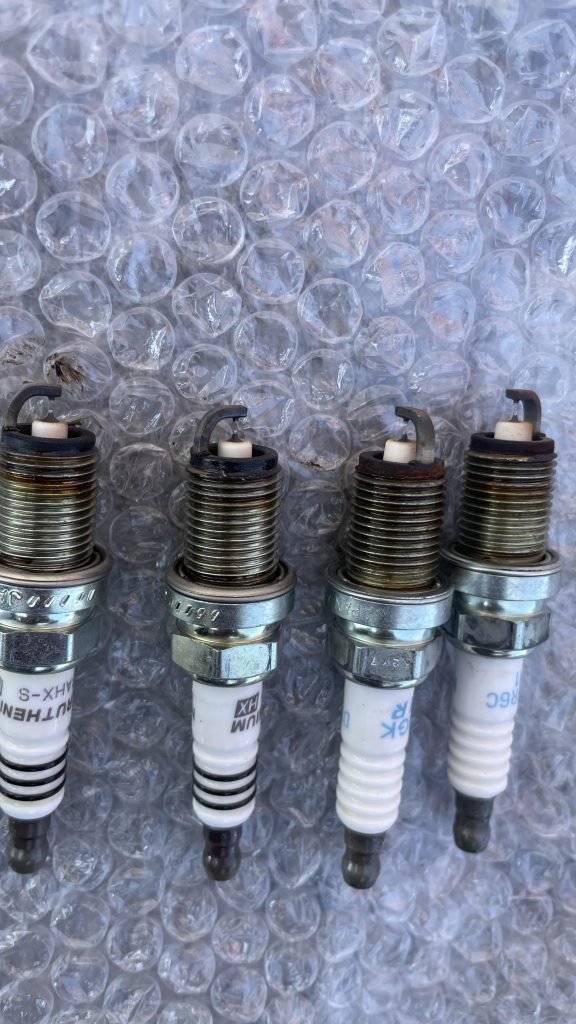
Have you ever been driving and suddenly noticed the ominous glow of the engine light on your dashboard? It can be a real cause for concern, leaving you wondering what’s happening under the hood.
One surprising culprit behind this warning could be your spark plugs. Yes, those small but mighty components play a crucial role in keeping your engine running smoothly. If they’re not in top shape, they might trigger that dreaded engine light.
Curious to know how something so small can lead to such a big warning? Stick around, and we’ll dive into how spark plugs can be the hidden cause behind your engine light woes. You won’t want to miss this crucial information that could save you time, stress, and costly repairs.

Credit: www.fcmuffler.com
Role Of Spark Plugs
Spark plugs play a crucial role in your engine’s operation. They create the spark needed to ignite the air-fuel mixture inside the cylinders. Without properly functioning spark plugs, your engine cannot run smoothly. Faulty spark plugs can cause engine misfires, poor fuel economy, and even trigger the engine light. Understanding their role helps explain why spark plugs affect the engine light status.
How Spark Plugs Work
Spark plugs deliver an electric spark to the engine’s combustion chamber. This spark ignites the fuel and air mixture. The ignition creates small explosions that power the engine. Each cylinder has its own spark plug. The spark must be strong and timed perfectly for the engine to run well. Worn or dirty spark plugs cause weak or no sparks. This can lead to engine problems and trigger the check engine light.
Importance In Engine Performance
Good spark plugs improve fuel efficiency and power. They ensure smooth starts and steady acceleration. Bad spark plugs cause rough idling and poor engine response. They increase emissions and reduce mileage. Replacing spark plugs regularly keeps the engine healthy. It also prevents the engine light from turning on due to ignition issues. Healthy spark plugs mean a happier engine and fewer repairs.
Engine Light Basics
The engine light on your dashboard is more than just a glowing icon—it’s your car’s way of telling you something needs attention. Understanding the basics of this warning can help you decide when to act and what steps to take next. Let’s break down what triggers this light and the common issues it points to, so you’re not left guessing when it suddenly appears.
What Triggers The Engine Light
The engine light can come on for many reasons, some simple and others more serious. It usually activates when the car’s computer detects a problem with the engine or related systems. This can include:
- Loose or damaged gas cap causing fuel evaporation issues
- Faulty oxygen sensors affecting fuel mixture and emissions
- Problems with the catalytic converter reducing exhaust efficiency
- Malfunctioning spark plugs or ignition coils leading to misfires
- Issues with the mass airflow sensor impacting engine performance
Many drivers overlook a loose gas cap, but it’s one of the easiest fixes that can trigger the light. Have you ever tightened your gas cap only to see the light go off after a short drive? That simple action can save you a trip to the mechanic.
Common Engine Light Issues
When your engine light comes on, it can indicate a range of problems from minor to critical. Some common issues include:
- Ignition system faults:Worn spark plugs or bad ignition coils can cause the engine to misfire and trigger the light.
- Fuel system problems:Dirty fuel injectors or a failing fuel pump may affect engine performance and emissions.
- Emission control failures:A failing catalytic converter or oxygen sensor can reduce efficiency and trigger warnings.
- Sensor malfunctions:Sensors like the mass airflow sensor help regulate air and fuel; when they fail, the engine light can activate.
I once ignored an engine light thinking it was a minor sensor issue, only to discover worn spark plugs were causing rough idling. Replacing them fixed the problem and prevented further damage. This experience taught me the value of not waiting too long to check the cause behind the warning.
What’s the best approach when your engine light comes on? Start by checking the basics you can handle, like the gas cap. If the light stays on, consider a diagnostic scan to pinpoint the problem before it worsens.
Spark Plugs And Engine Light
Spark plugs play a crucial role in your vehicle’s engine performance. They ignite the air-fuel mixture inside the engine cylinders, allowing your car to run smoothly. But what happens when they start to fail? Can spark plugs cause your engine light to come on? Understanding the link between spark plugs and the engine light can help you catch problems early and avoid costly repairs.
Symptoms Of Faulty Spark Plugs
Faulty spark plugs often show clear signs before your engine light turns on. You might notice:
- Engine misfires:Your car may jerk or hesitate during acceleration.
- Poor fuel economy:Your gas mileage drops unexpectedly.
- Difficulty starting:The engine takes longer to turn over or struggles to start.
- Rough idling:The engine vibrates or runs unevenly when stopped.
If you experience any of these, it’s a strong hint that your spark plugs need checking.
How Spark Plug Problems Trigger The Light
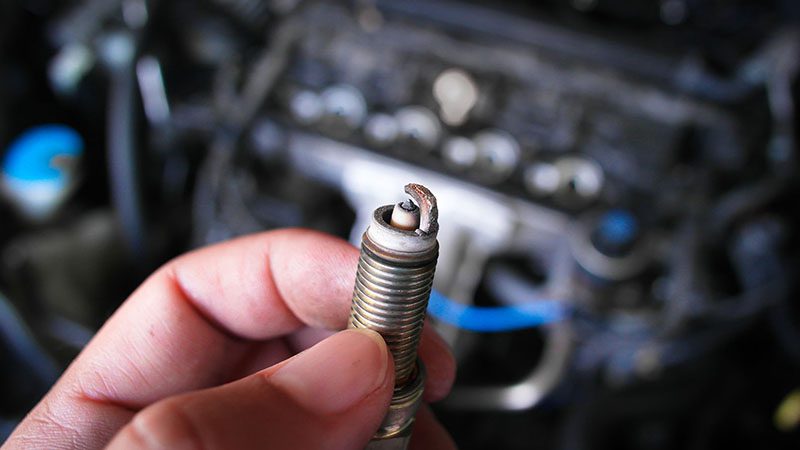
Your car’s computer constantly monitors engine performance. When spark plugs fail to ignite fuel properly, it causes misfires. These misfires are detected as inefficiencies, triggering the Check Engine Light to alert you.
Ignoring this warning can lead to:
- Increased emissions
- Damage to the catalytic converter
- Reduced engine power and performance
Have you ever ignored your engine light only to face bigger repairs later? Paying attention to spark plug issues early can save you time and money.
Credit: autopartswd.com
Diagnosing Spark Plug Issues
Diagnosing spark plug issues helps identify why the engine light turns on. Faulty spark plugs can cause misfires and poor engine performance. Checking them early prevents bigger engine problems. The process involves using the right tools and following clear steps. This section explains how to spot spark plug faults efficiently.
Tools For Diagnosis
- OBD-II scanner: Reads engine codes and detects misfires
- Spark plug socket wrench: Removes and inspects spark plugs
- Multimeter: Tests spark plug resistance and ignition coils
- Feeler gauge: Measures spark plug gap for proper spacing
- Flashlight: Helps see inside the engine bay clearly
Step-by-step Troubleshooting
Start by scanning the engine with an OBD-II tool. Check for codes related to misfires or ignition problems. Remove spark plugs carefully using the socket wrench. Inspect plugs for wear, deposits, or damage. Use the feeler gauge to check the gap size. Compare the gap with manufacturer specifications.
Test spark plug resistance with a multimeter. High resistance indicates a faulty plug. Also, check ignition coils connected to the plugs. Replace any spark plugs or coils showing damage or poor performance. Reinstall everything securely and clear engine codes. Finally, start the engine to see if the light turns off.
Repair And Replacement
Repair and replacement of spark plugs are crucial steps when addressing the engine light issue. Ignoring worn or faulty spark plugs can lead to poor engine performance and increased fuel consumption. Knowing when and how to replace them can save you time and money while keeping your engine running smoothly.
When To Replace Spark Plugs
You might notice your engine light turning on after your spark plugs have reached the end of their lifespan. Common signs include rough idling, engine misfires, and decreased acceleration. Most spark plugs need replacement every 30,000 to 100,000 miles, but this varies by vehicle and spark plug type.
If your car feels sluggish or you experience difficulty starting, it’s a clear indicator to check your spark plugs. Don’t wait for the engine light to come on—regular inspections can catch wear early. Have you checked your spark plugs during your last tune-up?
Choosing The Right Spark Plugs
Picking the right spark plugs depends on your vehicle’s make, model, and driving habits. Options include copper, platinum, and iridium plugs, each with different lifespans and performance levels. Iridium plugs last longer and provide better ignition but cost more upfront.
Always consult your owner’s manual or a trusted mechanic to match the right spark plugs to your engine. Using incorrect spark plugs can trigger the engine light and reduce efficiency. Think about how often you drive and the conditions—these factors influence your best choice.
Preventing Spark Plug Problems
Preventing spark plug problems is key to keeping your engine light off. Spark plugs play a vital role in engine performance and fuel efficiency. Poor maintenance or worn plugs can trigger the engine light. Taking simple steps helps avoid costly repairs and unexpected breakdowns.
Maintenance Tips
- Check spark plugs every 30,000 miles or as your car manual suggests.
- Use the right spark plug type for your vehicle model.
- Clean spark plugs to remove dirt and carbon buildup.
- Replace spark plugs that show signs of wear or damage.
- Inspect ignition wires and coils to ensure good connections.
- Keep the engine clean to prevent spark plug fouling.
Signs To Watch For
- Engine misfires or rough idling.
- Reduced fuel efficiency or poor acceleration.
- Difficulty starting the engine.
- Engine light turns on without other obvious issues.
- Increased exhaust emissions or unusual smoke.
- Engine hesitation or stalling during driving.
Other Causes For Engine Light
The engine light can turn on for many reasons beyond spark plugs. Understanding other common causes helps diagnose problems faster. Early detection can save time and money on repairs.
Several systems in your car work together to keep the engine running smoothly. Problems in these systems often trigger the engine light. Let’s explore some key areas that may cause this warning.
Ignition System Issues
The ignition system starts the engine and keeps it running. Faulty ignition coils or wires can cause misfires. Misfires make the engine run rough and trigger the engine light. A weak or dead battery also affects ignition performance. Ignition problems reduce fuel efficiency and increase emissions.
Fuel System Problems
The fuel system delivers gas to the engine. A clogged fuel filter limits fuel flow and causes poor engine performance. A failing fuel pump can lead to stalling or hard starting. Dirty or faulty fuel injectors cause uneven fuel delivery. Fuel system issues often cause the engine light to come on.
Sensor Failures
Sensors monitor engine conditions and send data to the car’s computer. A bad oxygen sensor affects fuel mixture and emissions. A faulty mass airflow sensor can cause poor acceleration and rough idling. Engine temperature sensors that fail can cause overheating or poor fuel use. Sensor problems often show up as engine light warnings.

Credit: www.reddit.com
Frequently Asked Questions
Can Spark Plugs Trigger The Engine Light?
Yes, faulty spark plugs can cause the engine light to illuminate. They affect combustion efficiency and engine performance, leading to error codes.
Why Does A Bad Spark Plug Cause Engine Issues?
Bad spark plugs cause misfires and incomplete combustion. This triggers the engine light and can reduce fuel efficiency and power.
How To Know If Spark Plugs Cause Engine Light?
If the engine light is on with rough idling or poor acceleration, spark plugs might be the issue. A diagnostic scan confirms this.
Can Replacing Spark Plugs Turn Off The Engine Light?
Replacing worn spark plugs often resolves misfire codes and turns off the engine light. Proper installation and correct parts are essential.
Conclusion
Spark plugs play a key role in your engine’s health. Faulty plugs often cause the engine light to turn on. Ignoring this warning can lead to poor car performance. Checking and replacing spark plugs can save you money. Keep your vehicle running smooth and avoid bigger problems.
Regular maintenance helps catch issues early. Pay attention to engine light signals. They protect your car from serious damage. Simple care makes a big difference in engine life.





