Imagine you’re cruising down the highway, enjoying your day, when suddenly, that dreaded check engine light flashes on your dashboard. Your heart sinks as you wonder what’s gone wrong.
Could it be something as simple as a bad spark plug? Before you panic, let’s delve into this common car conundrum. Understanding the role of spark plugs in your vehicle’s performance could be the key to solving the mystery of that pesky warning light.
You’ll discover how a faulty spark plug might be the culprit and learn how to address it before it leads to bigger problems. Stay with us, and we’ll guide you through the essential steps to keep your car running smoothly and your mind at ease.
What Sparks A Check Engine Light
The check engine light on your dashboard can catch you off guard. It’s a warning signal that something in your vehicle isn’t quite right. But what exactly triggers this light to turn on? Understanding what sparks a check engine light can help you act quickly and avoid costly repairs.
Common Causes
Several issues can cause the check engine light to come on. Some of the most frequent reasons include:
- Loose or damaged gas cap
- Faulty oxygen sensor
- Malfunctioning catalytic converter
- Bad spark plugs or ignition coils
- Mass airflow sensor problems
Each of these parts plays a key role in your car’s performance and emissions. If any of them fail, your engine might run poorly or pollute more, triggering the warning light.
Role Of Spark Plugs
Spark plugs create the spark needed to ignite the air-fuel mixture in your engine’s cylinders. If they wear out or become dirty, the spark weakens or misfires occur. This leads to rough idling, poor fuel economy, and sometimes engine stalling.
Have you ever noticed your car hesitating during acceleration? That could be a sign of bad spark plugs. When the engine misfires, your car’s computer detects the problem and turns on the check engine light. Addressing spark plug issues early can save you from further engine damage and improve your driving experience.

Credit: www.reddit.com
How Spark Plugs Affect Engine Performance
Spark plugs play a critical role in your engine’s performance. They ignite the air-fuel mixture that powers your car. If a spark plug is faulty, it can disrupt this process and cause noticeable issues in how your engine runs.
Ignition Process Basics
The spark plug creates a small electrical spark that ignites the fuel-air mixture inside the cylinder. This ignition pushes the piston down, generating the power your engine needs. If the spark is weak or inconsistent, the combustion won’t happen properly.
Think of your engine as a carefully timed sequence of sparks. Each misfire throws off the rhythm, leading to rough idling, lower fuel efficiency, and less power. Have you ever noticed your car hesitating or stalling? That might be your spark plugs struggling to do their job.
Signs Of A Bad Spark Plug
Bad spark plugs can cause a range of problems that you might spot early. Here are some common signs to watch for:
- Check Engine Light:This warning often lights up when the engine detects misfires caused by faulty plugs.
- Poor Fuel Economy:When spark plugs misfire, your engine burns more fuel to compensate.
- Hard Starts:Weak sparks make it harder for your engine to start smoothly.
- Engine Misfires or Rough Idle:You might feel shaking or jerking when the engine runs unevenly.
Have you ever ignored a check engine light only to face bigger engine troubles later? Taking care of spark plugs early can save you from costly repairs and keep your car running smoothly.
Link Between Bad Spark Plugs And Check Engine Light
Bad spark plugs can cause the check engine light to turn on. Spark plugs play a key role in engine performance. They ignite the air-fuel mixture in the engine cylinders. When spark plugs fail, the engine may misfire or run poorly.
These problems can trigger the check engine light. The light alerts drivers that the engine control unit (ECU) detected an issue. Understanding this link helps in early problem detection and repair.
Triggering The Warning
Worn or fouled spark plugs cause misfires in one or more cylinders. Misfires reduce engine power and increase emissions. The ECU senses irregular firing patterns and activates the check engine light.
This warning prompts drivers to check the engine system. Ignoring the light can lead to bigger engine problems and costly repairs.
Diagnostic Trouble Codes
The check engine light stores specific trouble codes. These codes help identify spark plug-related issues. Common codes include:
- P0300: Random or multiple cylinder misfires
- P0301 to P0308: Misfire in specific cylinders
- P0325: Knock sensor circuit malfunction due to poor combustion
Using a scanner reads these codes. They guide mechanics to the exact spark plug or ignition issue. This speeds up diagnosis and repair.

Credit: www.fcmuffler.com
Testing And Identifying Faulty Spark Plugs
Testing and identifying faulty spark plugs is key to diagnosing engine problems. Bad spark plugs often cause the check engine light to turn on. Knowing how to spot and test them helps save time and money on repairs.
Start by examining the spark plugs closely. Look for signs of wear or damage that affect engine performance. Using proper diagnostic tools can also reveal hidden issues that are not visible.
Visual Inspection Tips
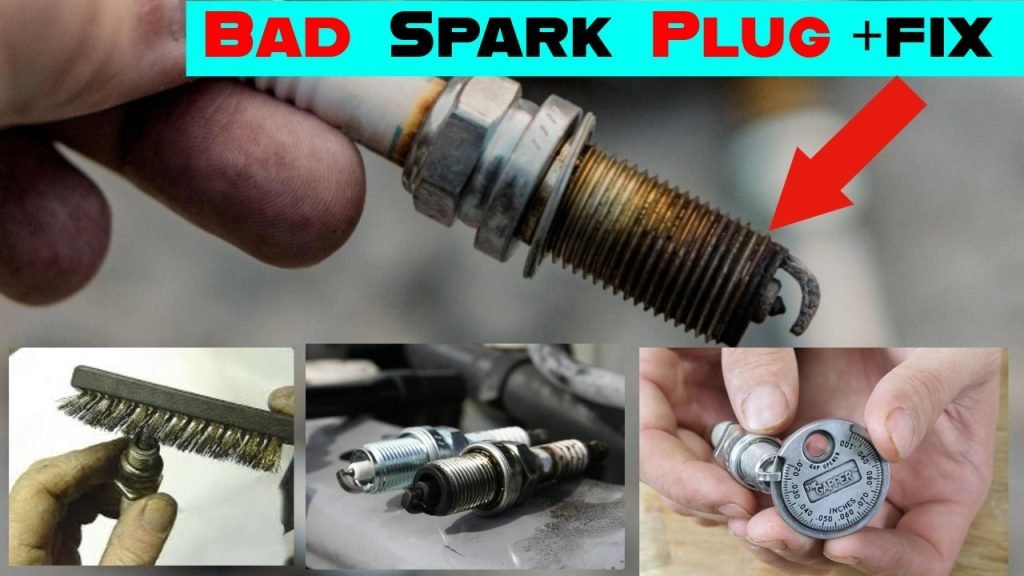
- Remove the spark plug carefully to avoid damage.
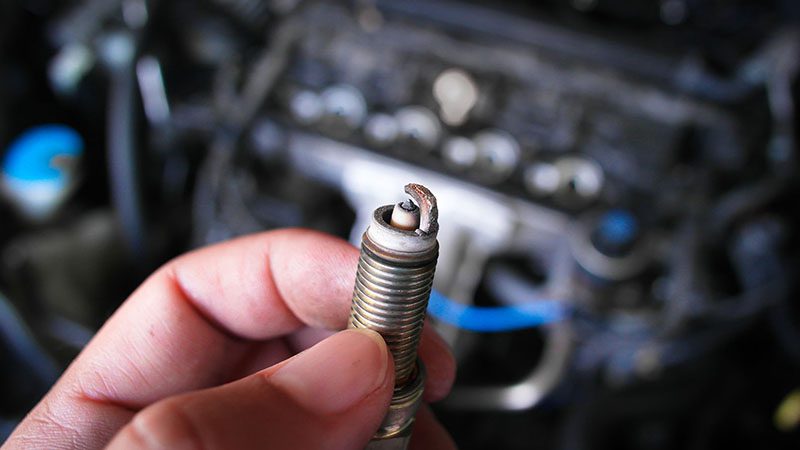
- Check the electrode for erosion or burning.
- Look for cracks or chips on the ceramic insulator.
- Notice any black, oily, or sooty deposits.
- Compare the spark plug to a new one for wear signs.
Dirty or damaged spark plugs cause weak sparks. This leads to poor engine performance and triggers the check engine light.
Using Diagnostic Tools
- Use an OBD-II scanner to read engine fault codes.
- Check for misfire codes related to spark plug issues.
- Test spark plug resistance with a multimeter.
- Use a spark tester to check spark strength directly.
- Inspect ignition coil output for consistent spark delivery.
Diagnostic tools provide accurate information about spark plug condition. They help confirm if a spark plug is the cause of engine problems.
Fixing Spark Plug Issues
Fixing spark plug issues is crucial for keeping your engine running smoothly and preventing that annoying check engine light from popping up. A faulty spark plug can cause misfires, reduce fuel efficiency, and trigger warning signals on your dashboard. Addressing these problems early not only saves you money but also avoids more serious engine troubles down the road.
Replacement Guidelines
Replacing spark plugs isn’t complicated, but timing is key. Check your vehicle’s manual to find the recommended replacement interval—usually between 30,000 and 100,000 miles.
Choose spark plugs that match your car’s specifications. Using the wrong type can cause poor performance or damage. When installing new plugs, make sure they’re properly gapped and tightened to the correct torque.
Have you noticed rough idling or difficulty starting your car? These signs often mean it’s time for new spark plugs. Don’t wait for the check engine light to turn on before you take action.
Maintenance Tips
Regular maintenance can extend the life of your spark plugs and keep your engine happy. Inspect your spark plugs whenever you do an oil change or tune-up.
- Look for signs of wear like deposits, corrosion, or damage to the electrodes.
- Clean spark plugs gently if they are dirty but still in good condition.
- Check ignition wires and coils for damage or loose connections.
Have you ever skipped spark plug maintenance and ended up stranded? Staying on top of these simple checks can prevent that frustration. Keeping your spark plugs clean and properly installed helps your car run efficiently and keeps that check engine light off.
Credit: autopartswd.com
Preventing Future Spark Plug Problems
Preventing future spark plug problems is key to keeping your engine running smoothly and avoiding the dreaded check engine light. Taking a proactive approach can save you from unexpected breakdowns and costly repairs. Let’s look at simple steps you can take to maintain your spark plugs effectively.
Regular Checkups
Scheduling regular inspections of your spark plugs helps catch wear and tear before it becomes a serious issue. Checking them every 30,000 miles or as recommended by your vehicle’s manufacturer can prevent misfires and engine hesitation.
During these checkups, look for signs like carbon buildup, worn electrodes, or cracks in the ceramic insulator. These are clear indicators that it’s time for a replacement.
Have you ever ignored a small engine noise, only to face a bigger problem later? Regular checkups stop that cycle and keep your engine healthy.
Quality Spark Plug Choices
Choosing the right spark plugs matters more than you might think. High-quality plugs last longer and perform better, reducing the chances of triggering the check engine light.
Consider brands known for durability and compatibility with your car’s engine. Don’t just pick the cheapest option; think about long-term reliability.
Pay attention to the type of spark plug recommended—whether copper, platinum, or iridium—as each suits different driving conditions and engine designs.
Have you noticed how your car runs smoother after switching to better spark plugs? That’s the kind of difference quality parts make.
Frequently Asked Questions
Can A Bad Spark Plug Trigger Check Engine Light?
Yes, a faulty spark plug can cause the check engine light to illuminate. It affects engine performance and triggers error codes.
How Does A Spark Plug Issue Affect Engine Sensors?
A bad spark plug causes misfires, confusing sensors and triggering the check engine light. It impacts oxygen and ignition sensors.
Can Replacing Spark Plugs Turn Off The Check Engine Light?
Replacing faulty spark plugs often resolves engine misfires and turns off the check engine light. Proper diagnosis is essential for accuracy.
What Symptoms Indicate A Bad Spark Plug Causing Check Engine Light?
Rough idling, poor fuel efficiency, engine misfires, and decreased power often accompany a bad spark plug causing the check engine light.
Conclusion
A bad spark plug can trigger the check engine light. It affects engine performance and fuel efficiency. Ignoring this can lead to bigger car problems. Regular car checks help catch issues early. Replace spark plugs as recommended by the car maker.
This keeps your engine running smooth and saves money. Listen to your car and act fast. A small fix today prevents costly repairs tomorrow. Don’t wait for the light to turn off on its own. Take care of your spark plugs for a healthy engine.





