Ever popped the hood of your car, stared at the engine, and wondered, “Where is the spark plug?” You’re not alone.
Understanding your vehicle’s inner workings can feel like decoding a secret language. But fear not! By the end of this article, you’ll not only know exactly where to find the spark plug but also why it’s so crucial to your car’s performance.
Imagine saving time, money, and stress by diagnosing a simple issue yourself. Dive in, and let’s unveil the mystery together, transforming your car knowledge from zero to hero. Your engine—and wallet—will thank you!
Credit: www.vanguardpower.com
Locate The Spark Plug
Locating the spark plug in your vehicle is the first essential step before any inspection or replacement. Knowing exactly where to find it saves time and avoids unnecessary frustration. Let’s break down how you can easily spot the spark plug and prepare for accessing it.
Common Spark Plug Locations
Spark plugs are usually found on the engine’s cylinder head. In most cars, they sit along the top or side of the engine block. Some engines, especially V6 or V8 models, have spark plugs on both sides of the engine, making them a bit trickier to find.
Older vehicles might have spark plugs connected to thick wires clearly visible, while newer models can have coil-on-plug systems where spark plugs hide under ignition coils. Have you noticed how sometimes they’re tucked under plastic covers? Removing these covers often reveals the spark plugs underneath.
Tools Needed For Access
Accessing spark plugs requires a few specific tools. A spark plug socket, which has a rubber insert to grip the plug, is essential to avoid damage. You’ll also need a ratchet wrench and an extension bar for hard-to-reach spots.
Sometimes, a screwdriver or socket wrench is necessary to remove engine covers. Having a flashlight handy can help you see clearly inside the engine bay. Do you have these tools ready before you start? It makes the job much smoother.
Identifying Spark Plug Wires
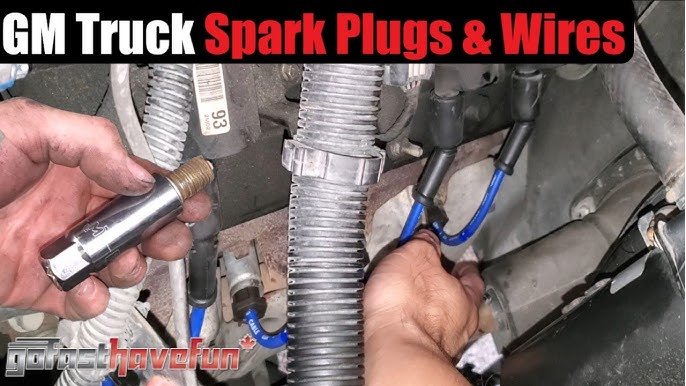
Spark plug wires are thick cables that connect the spark plugs to the ignition system. They usually have rubber boots on each end to protect the connection. These wires stand out because they are often thicker and more insulated than other engine wires.
Tracing the wire from the distributor or ignition coil back to the engine helps you locate each spark plug. Keep in mind, some cars use coil-on-plug ignition, meaning there might be no visible wires—just coils sitting directly on the plugs. Have you checked if your vehicle uses wires or coils? This can change how you find the spark plugs.
Remove The Spark Plug
Removing the spark plug is a key step when maintaining or troubleshooting your engine. It allows you to check the condition of the plug and ensure your engine is running smoothly. Knowing how to remove it safely and efficiently can save you time and prevent damage.
Preparing The Engine
Start by making sure your engine is completely cool. Hot engines can cause burns or damage the spark plug threads when you remove the plug. Disconnect the spark plug wire by pulling on the boot, not the wire, to avoid damage.
Clean around the spark plug area before removal. Dirt and debris can fall into the combustion chamber if not cleared away first. Use compressed air or a soft brush to clear the area.
Using A Spark Plug Socket
A spark plug socket is designed specifically to grip and remove spark plugs without damage. It usually has a rubber insert or magnet to hold the plug securely. Attach the socket to a ratchet or a wrench for leverage.
Turn the socket counterclockwise gently to loosen the spark plug. Avoid forcing it, as over-tightening or cross-threading can damage the threads in the engine block. Once loose, you can usually unscrew the plug by hand.
Tips For Safe Removal
- Wear gloves to protect your hands from sharp engine parts and heat.
- Work in a well-lit area so you can see what you’re doing clearly.
- Keep the spark plug socket aligned straight to avoid stripping the plug.
- If the spark plug feels stuck, try applying a small amount of penetrating oil and wait a few minutes before trying again.
- Don’t rush the process—careful removal prevents costly repairs later.
Have you ever struggled with a stuck spark plug? Taking a moment to prepare properly can make all the difference. How might your next engine tune-up improve with these steps?
Inspect The Spark Plug
Inspecting the spark plug is an important part of car maintenance. It helps ensure the engine runs smoothly. A clean, healthy spark plug improves fuel efficiency and reduces emissions. Regular checks can prevent engine problems before they start.
Signs Of Wear And Damage
- Look for black soot or oily deposits on the tip.
- Check for cracks or chips on the ceramic insulator.
- Inspect the electrode for erosion or burning.
- Note any corrosion or rust on metal parts.
- Check if the gap between electrodes is too wide or too narrow.
Cleaning Techniques
Use a wire brush to gently remove dirt and deposits. Avoid using harsh tools that can damage the spark plug. Spray a small amount of brake cleaner to remove stubborn grime. Dry the spark plug completely before reinstalling it. Never sand or file the electrode as this can affect performance.
When To Replace
- Replace if the spark plug shows cracks or heavy wear.
- Change after driving the distance recommended by the manufacturer.
- Replace if the engine misfires frequently.
- Swap out if cleaning does not restore good condition.
- Always use the correct type and gap size for your vehicle.

Credit: beachautomotive.com
Install A New Spark Plug
Installing a new spark plug can breathe fresh life into your engine’s performance. It’s not just about swapping old parts; it’s about making sure the right spark plug fits perfectly and functions efficiently. Getting this right saves you time, money, and the frustration of engine troubles down the road.
Choosing The Right Spark Plug
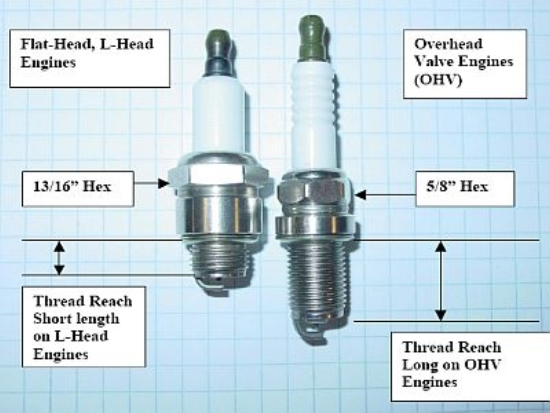
Not every spark plug suits every engine. You need to match your spark plug to your vehicle’s make and model, paying close attention to heat range and thread size.
Think about your driving habits too. Do you drive mostly in the city or on highways? Different conditions might call for different spark plug types, such as copper, platinum, or iridium.
Ignoring this step can lead to poor engine performance or even damage. Have you checked your owner’s manual or talked to a mechanic about the best spark plug for your car?
Proper Installation Steps
Start by removing the old spark plug carefully to avoid damaging the threads. Use a spark plug socket and ratchet for a secure grip.
Before installing the new plug, clean the area around the spark plug hole. Dirt or debris can fall inside the cylinder, causing serious engine problems.
Thread the new spark plug by hand first to avoid cross-threading, then tighten it with a torque wrench to the manufacturer’s specifications. Too tight or too loose can both cause issues.
Checking Spark Plug Gap
The gap between the spark plug’s electrodes affects ignition quality. If it’s too wide or too narrow, your engine might misfire or run inefficiently.
Use a spark plug gap tool to measure the gap and adjust it if necessary. It’s a simple but often overlooked step that can make a huge difference in engine smoothness.
Have you ever skipped this and noticed your car running rough? Taking a few minutes to check the gap can save you from that headache.
Troubleshoot Common Issues
Troubleshooting spark plug issues can save you time and money. Knowing the signs helps you identify problems early before they cause bigger damage. Let’s look at common spark plug issues and how you can spot them.
Engine Misfires
Have you noticed your engine jerking or hesitating while driving? This can be a sign of spark plug misfires. A faulty spark plug fails to ignite the fuel-air mixture properly, causing your engine to skip a beat.
Check for rough idling or a loss of power during acceleration. Replacing the spark plugs often fixes this issue quickly. Don’t ignore misfires—they can damage your catalytic converter over time.
Poor Fuel Efficiency
If your fuel consumption suddenly spikes, your spark plugs might be the culprit. Worn or dirty plugs cause incomplete combustion, meaning your engine burns more fuel to produce the same power.
Think about the last time you filled up your tank. Has it been more frequent than usual? Cleaning or replacing spark plugs can restore fuel efficiency and save money at the pump.
Starting Problems
Struggling to start your car, especially in cold weather? Bad spark plugs can make ignition difficult or prevent it altogether. The spark plug needs to create a strong spark to ignite the engine’s fuel.
Listen for a weak or rapid clicking sound when turning the key. This often points to spark plug or ignition system problems. Testing and changing old plugs might be the simple fix your car needs.

Credit: www.youtube.com
Frequently Asked Questions
Where Is The Spark Plug Located In A Car Engine?
The spark plug is located on the engine’s cylinder head. It screws into the combustion chamber. It ignites the air-fuel mixture for engine power.
How To Find The Spark Plug In A Car Engine?
Look for thick wires leading to small metal parts on the cylinder head. These parts are spark plugs. They are usually under the engine cover.
Can I See The Spark Plug Without Removing Engine Parts?
In some cars, spark plugs are visible after removing the engine cover. In others, you may need to remove ignition coils or wires.
Why Is Knowing Spark Plug Location Important?
Knowing the spark plug location helps with maintenance and troubleshooting. It ensures timely replacement for efficient engine performance.
Conclusion
Finding the spark plug is easier than it seems. It sits on top of the engine, near the cylinder head. Knowing its location helps with basic car care and fixing small problems. Always check the spark plug if your car runs rough or stalls.
Regular checks keep your engine healthy and save money. Now, you can spot the spark plug quickly and understand its role better. Small steps like this improve your car knowledge every day.





