Ever wondered what your car is trying to tell you? The answer might be hiding in plain sight, right under the hood.
Spark plugs, those small yet mighty components, hold a wealth of information about your vehicle’s health. Learning how to read a spark plug can feel like cracking a secret code, one that reveals everything from fuel efficiency to potential engine problems.
Imagine the power of knowing exactly what’s happening under the hood of your car. It’s like having a conversation with your vehicle, understanding its needs, and ensuring it performs at its best. Stick around, and you’ll discover how to decode the signs and take control of your car’s performance and longevity. Ready to unlock the secrets your spark plugs are holding? Let’s dive in!

Credit: www.nissanclub.com
Spark Plug Basics
Spark plugs are small parts with a big job in engines. They create the spark that lights the fuel and air mix. This spark starts the engine’s power cycle. Knowing spark plug basics helps you keep your engine running well. It also helps spot problems early.
Types Of Spark Plugs
Spark plugs come in different types to fit various engines and uses. The main types include:
- Copper: Good for older cars, offers strong spark but wears fast.
- Platinum: Lasts longer than copper and works well in modern engines.
- Double Platinum: Has platinum on both electrodes for longer life.
- Iridium: Very durable and provides better performance at high speeds.
Each type suits different engine needs and driving styles.
Spark Plug Anatomy
Understanding spark plug parts helps read their condition. Key parts include:
- Terminal: Connects to the ignition wire.
- Insulator: Made of ceramic, it isolates the terminal from the metal shell.
- Metal Shell: Screws into the engine’s cylinder head.
- Electrodes: The center and ground electrodes create the spark gap.
- Sparking Gap: The space where the spark jumps to ignite fuel.
Wear or damage to these parts affects engine firing.
Role In Engine Performance
Spark plugs impact how well an engine runs. A strong spark ensures:
- Efficient fuel burning
- Smooth engine start
- Better fuel economy
- Lower emissions
- Reduced engine misfires
Dirty or worn plugs cause rough idling and poor power. Regular checks keep your engine healthy.
Preparing To Inspect
Preparing to inspect a spark plug is a crucial first step in understanding your engine’s health. Before diving into the details, you must gather the right tools, follow safety rules, and carefully remove the spark plug. This preparation helps ensure a smooth and safe inspection process.
Tools Needed
- Spark plug socket wrench
- Ratchet or wrench handle
- Extension bar (if needed)
- Wire brush or spark plug cleaner
- Gap gauge or feeler tool
- Gloves for hand protection
- Flashlight or good lighting
Safety Precautions
Work on the engine only when it is cool. Hot engine parts can cause burns. Disconnect the battery to avoid electrical shocks. Wear gloves to protect your hands from dirt and sharp parts. Keep the workspace clean and well-lit to avoid accidents.
Removing The Spark Plug
Locate the spark plug wire or coil pack. Gently pull to disconnect it from the spark plug. Use the spark plug socket with a ratchet to turn the plug counterclockwise. Remove the plug carefully to avoid damaging the threads. Place the spark plug on a clean surface for inspection.
Reading Spark Plug Conditions
Reading spark plug conditions helps diagnose engine health and performance. It shows how the engine burns fuel and reveals problems early. Each spark plug tells a story through its color, deposits, and wear. Understanding these signs can save time and money on repairs.
Normal Appearance
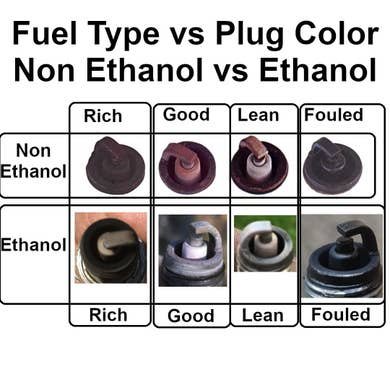
A healthy spark plug has a light tan or gray color on the insulator tip. The electrode should be clean with minimal deposits. The gap between electrodes remains consistent. This means the engine runs well, with proper fuel and air mixture.
Carbon Fouling
Black, dry soot on the spark plug indicates carbon fouling. It happens when the engine runs too rich or the air filter is dirty. Carbon fouling causes weak sparks and poor engine performance. Cleaning or replacing the spark plug and fixing the fuel mix can help.
Oil Fouling
Wet, oily deposits on the plug show oil fouling. This occurs when oil leaks into the combustion chamber. It causes misfires and rough idling. Fixing worn piston rings or valve seals stops oil fouling. The spark plug needs cleaning or replacement too.
Overheating Signs
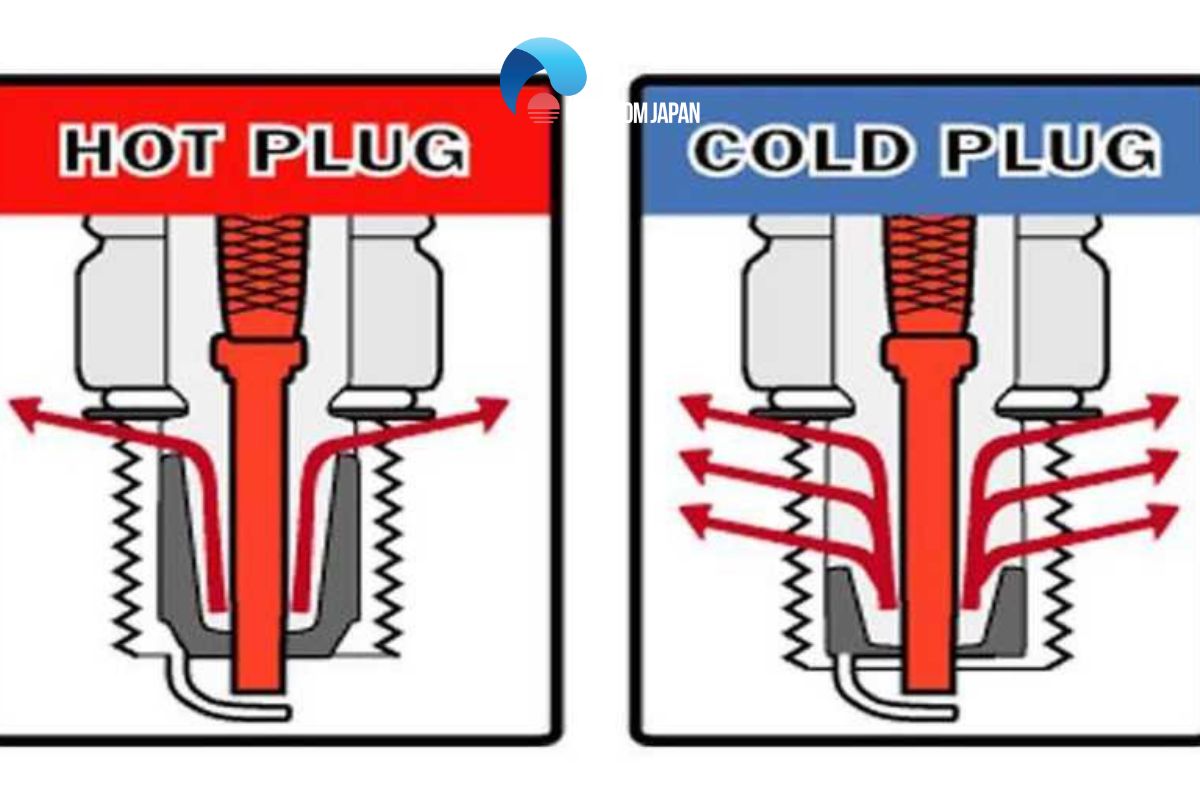
White or blistered insulator tips reveal overheating. This means the engine runs too hot or the spark plug heat range is wrong. Overheating can damage the engine and reduce spark plug life. Check cooling system and use the correct spark plug model.
Electrode Wear
Rounded or eroded electrodes show wear from long use. Worn electrodes increase the gap, causing weak sparks and misfires. Replace spark plugs regularly to maintain engine efficiency. Proper gap adjustment is key for optimal ignition.
Credit: carfromjapan.com
Diagnosing Engine Problems
Diagnosing engine problems by reading a spark plug can save you time and money on repairs. Each spark plug tells a story about how your engine is running. By examining its condition, you can identify specific issues affecting your vehicle’s performance.
Fuel Mixture Issues
The color and deposits on a spark plug reveal if the fuel mixture is right. A white or very light gray plug might mean the engine is running too lean—too much air, not enough fuel.
Conversely, a black, sooty plug signals a rich mixture—too much fuel and not enough air. If your spark plug looks oily, it could mean fuel is not burning completely, which might point to a problem with the fuel injectors or carburetor.
Ignition System Faults
Worn or damaged spark plugs can cause misfires or rough idling. If the electrode is eroded or the gap is too wide, your ignition system might be struggling to deliver a strong spark.
Look for signs like cracked porcelain or burnt electrodes; these indicate overheating or weak spark. Have you checked your ignition wires and coil lately? They often cause spark plug issues.
Engine Mechanical Problems
Sometimes, spark plugs can hint at deeper mechanical troubles. Excessive oil on the plug may mean worn piston rings or valve guides, allowing oil into the combustion chamber.
Damaged insulators or broken electrodes could result from engine knocking or pre-ignition. Noticing these signs early can prevent costly engine damage.
Combustion Chamber Conditions
The spark plug’s appearance reflects the environment inside the combustion chamber. A dry, clean plug usually means normal operation, but deposits like ash or carbon build-up show incomplete combustion.
Understanding these deposits helps you determine if your engine needs a tune-up or if there’s an issue with valve seals or coolant leaks. How often do you inspect your spark plugs to catch these problems early?
Maintenance Tips
Maintaining your spark plugs is essential for keeping your engine running smoothly. Regular care can prevent costly repairs and improve fuel efficiency. Here are some practical tips to help you maintain your spark plugs effectively.
Cleaning Spark Plugs
Cleaning spark plugs can extend their life and improve engine performance. Use a wire brush or spark plug cleaner to remove carbon deposits and dirt gently. Avoid using abrasive materials that can damage the electrode.
After cleaning, inspect the plug for cracks or heavy wear. If you notice any damage, replacement is a better option than cleaning. Remember, a clean spark plug ensures a strong spark, which means better combustion.
When To Replace
Knowing when to replace your spark plugs can save you from engine misfires and poor fuel economy. Check the manufacturer’s recommendation for replacement intervals, usually between 30,000 to 100,000 miles depending on the type.
Look for signs like rough idling, difficulty starting, or reduced power. These symptoms often indicate worn-out spark plugs. Don’t wait until your car stalls; replacing plugs on time keeps your vehicle reliable.
Proper Installation Techniques
Installing spark plugs correctly is just as important as choosing the right ones. Always use a torque wrench to tighten the plugs to the specified torque to avoid damage. Over-tightening can crack the ceramic insulator, while under-tightening may cause poor contact.
Apply a small amount of anti-seize compound on the threads to prevent them from sticking in the cylinder head. Also, double-check the gap before installation to ensure it matches your engine’s specifications. Proper installation guarantees optimal spark plug performance and longevity.

Credit: www.gtrusablog.com
Frequently Asked Questions
What Does A Spark Plug’s Color Indicate?
The color on a spark plug reveals engine condition. Light tan means normal combustion. Black or oily deposits suggest rich fuel or oil leaks. White indicates overheating or lean fuel mixture. Reading these colors helps diagnose engine problems quickly and accurately.
How Often Should Spark Plugs Be Checked?
Spark plugs should be checked every 30,000 miles or as your vehicle’s manual advises. Regular inspection ensures optimal engine performance. Worn or fouled plugs can reduce fuel efficiency and cause misfires. Timely checks prevent costly repairs and maintain smooth engine operation.
Can A Faulty Spark Plug Affect Engine Performance?
Yes, a faulty spark plug can cause engine misfires, rough idling, and poor acceleration. It reduces fuel efficiency and increases emissions. Replacing worn plugs restores smooth engine function and saves fuel. Regular spark plug maintenance is crucial for reliable vehicle performance.
How To Identify A Worn Spark Plug Tip?
A worn spark plug tip appears rounded or eroded instead of sharp. Excessive wear causes weak sparks and misfires. It often indicates high mileage or improper heat range. Inspecting the tip helps determine if replacement is needed for optimal engine health.
Conclusion
Reading a spark plug gives key clues about engine health. It helps spot problems early and saves repair costs. Check the color, deposits, and gap for quick insights. Clean or replace plugs to keep your engine running smooth. Regular checks prevent bigger issues and improve fuel use.
Understanding spark plugs is simple with practice and patience. Keep this skill handy for better car care and peace of mind.





