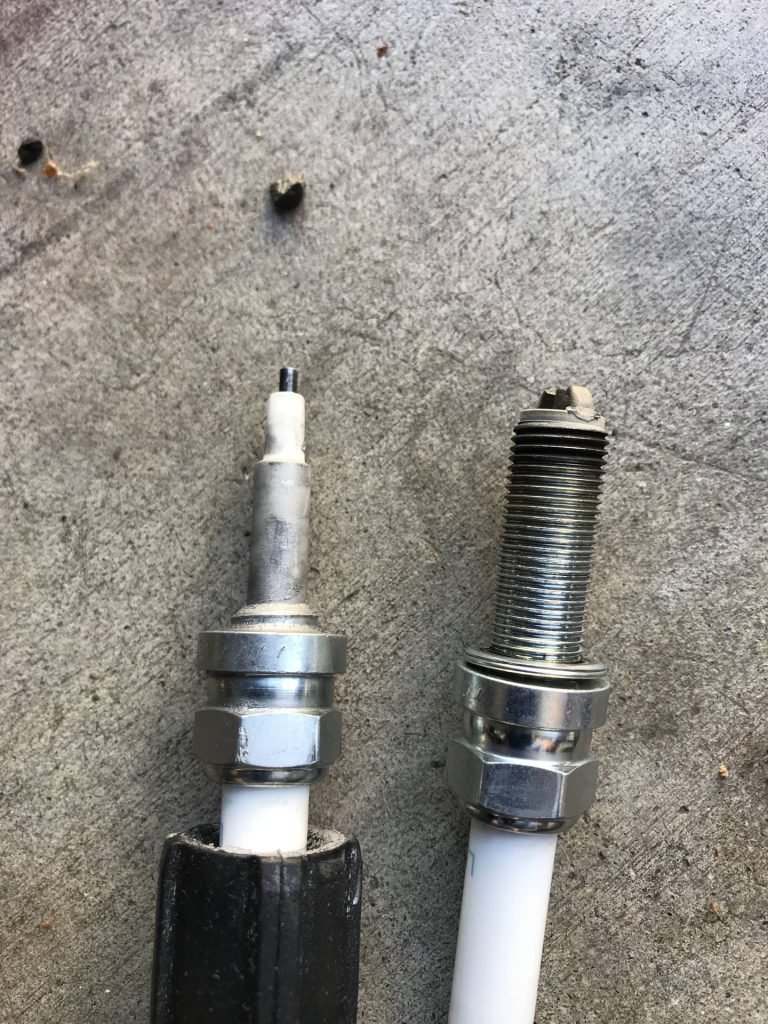
Have you ever found yourself in a bind, needing to change your spark plugs but lacking the specialized spark plug socket? You’re not alone.
Many car owners face this common challenge, and it’s easy to feel stuck. But don’t worry—there are other ways to get the job done without that specific tool. You’ll discover simple, alternative methods to remove spark plugs using tools you likely already have at home.
By the end, you’ll feel empowered to tackle this task with confidence, even if you’re not a seasoned mechanic. Ready to learn how? Let’s dive in and take the stress out of spark plug removal.

Credit: www.xsr700forums.com
Tools You Can Use Instead
Removing spark plugs without a spark plug socket can seem tough. The right tools make the job easier and safer. Several common tools can help you remove spark plugs without special sockets.
These tools might already be in your toolbox. Using them correctly avoids damage to the spark plug or engine parts.
Using A Deep Socket
A deep socket can fit over the spark plug’s length. Choose a socket size that matches the spark plug diameter.
Attach the deep socket to a ratchet or breaker bar. Turn slowly to loosen the spark plug without slipping. Deep sockets provide good grip and reach into the engine well.
Repurposing A Wrench
An open-ended or adjustable wrench can remove a spark plug if used carefully. Fit the wrench tightly around the spark plug’s hex shape.
Apply slow, steady pressure to turn it counterclockwise. Avoid sudden force to prevent rounding the plug’s edges. This method works best when space allows easy wrench access.
Employing Pliers Carefully
Slip-joint or locking pliers can grip the spark plug’s body. This tool is less ideal but useful in tight spots.
Clamp the pliers firmly but gently. Twist the spark plug slowly to loosen. Be cautious not to crush or break the plug.
This method requires patience and a delicate touch to avoid damage.

Credit: www.youtube.com
Preparation Steps Before Removal
Before you attempt to remove spark plugs without a spark plug socket, it’s crucial to prepare properly. Skipping these steps can lead to damage or difficulty during removal. Taking a few moments to get your workspace and engine ready will save you time and frustration.
Ensure Engine Is Cool
Never touch the spark plugs or engine parts when the engine is hot. A hot engine can cause burns and may expand metal parts, making removal harder. Wait at least 30 minutes after turning off the engine to allow it to cool down completely.
Think about how easy it is to work on a cold surface versus a hot one. Your hands will thank you, and you’ll avoid warping the spark plug threads by rushing this step.
Clean Around The Spark Plug
Dirt and debris around the spark plug can fall into the cylinder once you remove the plug. Use a soft brush or compressed air to clear the area thoroughly. This prevents engine damage and keeps your work clean.
Imagine loosening a plug and suddenly seeing dust drop inside the engine. It’s a simple step that many overlook, but it makes a big difference.
Apply Penetrating Oil
If the spark plug looks stuck or rusty, apply a penetrating oil around the base. Let it soak for at least 15 minutes to loosen corrosion. This makes turning the plug easier and reduces the risk of breaking it inside the cylinder.
Choose a reliable penetrating oil and don’t rush this part. Patience here can prevent an expensive repair later.
Techniques For Loosening The Spark Plug
Loosening a spark plug without the proper socket can seem tricky, but with the right approach, you can get the job done smoothly. The key lies in using alternative tools carefully and applying the right amount of force without damaging the delicate parts. Let’s look at some practical techniques that can help you loosen that stubborn spark plug safely and effectively.
Using A Ratchet And Extension
If you don’t have a spark plug socket, a ratchet combined with a long extension can offer the leverage you need. Attach the extension to the ratchet and carefully place it on the spark plug’s hexagonal part.
Make sure the fit is snug to avoid slipping. Apply slow, steady pressure to turn the plug counterclockwise. Quick jerks can strip the threads or break the plug, so patience is key.
Tapping The Plug Gently
Sometimes, a spark plug gets stuck due to corrosion or carbon buildup. Lightly tapping the plug with a small hammer or the handle of a screwdriver can help loosen these deposits.
Tap gently around the base of the plug, not the porcelain insulator. This can break the seal and make turning the plug easier. Have you noticed how a little vibration can free up stuck parts in other tools? This principle works here too.
Avoiding Damage To Threads
Damaged threads mean costly repairs or replacement parts. To prevent this, always turn the spark plug slowly and avoid forcing it if it feels stuck.
If resistance is high, consider using a penetrating oil and let it sit for 10-15 minutes before trying again. Also, avoid using excessive force or wrong-sized tools that can round off the plug edges and ruin the threads.
Do you really want to risk damaging the engine’s cylinder head just to save a few minutes? Taking care here saves time and money in the long run.

Credit: www.youtube.com
Alternative Methods For Tight Spaces
Removing spark plugs in tight spaces can be tricky without the right socket. Standard tools may not fit or reach easily. Alternative methods help you work around these challenges. They provide creative ways to loosen and remove spark plugs safely.
These approaches use common tools and simple techniques. They work well when space limits your movement. Using flexible adapters, magnets, or screwdrivers can make the job smoother. Each method offers a practical solution to handle tight spots effectively.
Flexible Socket Adapters
Flexible socket adapters bend to reach hard spots. Attach the adapter to your ratchet or wrench. The flexible joint lets you angle the socket in tight areas. This gives better access to stuck spark plugs.
These adapters come in various lengths and flexibility. Choose one that fits the space and your tool size. It reduces the risk of stripping the spark plug or tool slippage.
Using A Magnet Tool
A magnet tool helps pull out spark plugs gently. Use a strong magnet attached to a rod or stick. Carefully guide the magnet to grab the spark plug’s metal end. Slowly lift it out without twisting too hard.
This method works best if the spark plug is loose. It prevents damage to the plug and surrounding parts. A magnet tool is lightweight and easy to handle in small spaces.
Leveraging A Screwdriver
A flathead screwdriver can assist in loosening tight spark plugs. Insert the screwdriver carefully between the spark plug and engine block. Gently wiggle to create space for turning.
Use the screwdriver as a lever to turn the plug slightly. Be cautious not to apply too much force. This technique helps break the spark plug’s grip before removal.
Safety Tips During Removal
Removing spark plugs without the right socket can be tricky and even risky. Paying attention to safety during the removal process protects you from injury and prevents damage to your vehicle. Here are some important safety tips to keep in mind while you work on your spark plugs.
Protecting Your Hands
Your hands are your most valuable tools during this job. Wear sturdy gloves to shield your skin from sharp edges and hot engine parts. Gloves also improve your grip on tools and spark plugs, reducing the chance of slips that can cause cuts or bruises.
Have you ever tried working on an engine without gloves and ended up with painful scrapes? A simple pair of gloves can save you from that discomfort and keep your hands clean throughout the process.
Working In A Well-lit Area
Good lighting is crucial when you’re dealing with small parts like spark plugs. Make sure your workspace is brightly lit so you can clearly see what you’re doing. Poor visibility can lead to mistakes, such as stripping threads or damaging components.
Using a portable LED work light or positioning your vehicle near a window can make a big difference. Have you noticed how a well-lit space boosts your confidence and speed when working on car repairs?
Avoiding Excessive Force
Applying too much force can break the spark plug or damage the cylinder head. Turn the plug gently at first to loosen it, then gradually increase pressure if needed. If it feels stuck, try penetrating oil or a different angle instead of forcing it.
Remember, patience here saves you from costly repairs. Have you ever snapped a spark plug off inside the engine? It’s a frustrating problem that’s easily avoided by respecting the limits of your tools and parts.
What To Do If The Spark Plug Is Stuck
Removing a stuck spark plug can test your patience and skill. It often feels like the plug is fused to the engine, refusing to budge no matter how hard you try. But before reaching for the phone to call a mechanic, there are practical steps you can take to free that stubborn plug safely and effectively.
Applying Heat Carefully
Heat can expand the metal around the spark plug, making it easier to loosen. Use a heat gun or a propane torch cautiously, aiming the flame around the base of the plug rather than directly on it. This prevents damage to sensitive engine parts.
After applying heat for a minute or two, try turning the plug again with your wrench. If the plug resists, give it a moment to cool slightly, then apply heat once more. This gradual process reduces the risk of breaking the plug inside the engine.
Using Impact Tools
If heat alone doesn’t do the trick, impact tools can provide the extra force needed. A manual impact driver delivers quick bursts of torque combined with a hammer strike, which helps break loose rust or corrosion. This method is especially useful if the plug feels frozen.
Be sure to use the right size bit or adapter to avoid rounding off the plug’s edges. Impact tools reduce the risk of applying continuous force, which can snap the plug and cause a bigger headache. Have you ever tried a hammer and wrench combo? Impact tools work smarter, not harder.
When To Seek Professional Help
If your spark plug still won’t budge after trying heat and impact tools, it might be time to call in an expert. Forcing the plug too much can break it, leading to costly repairs. Professionals have specialized tools and experience to remove stuck plugs without damaging the engine.
Consider the value of your time and the potential damage to your vehicle. Sometimes, investing in professional help saves you from a bigger problem down the road. Would you risk damaging your engine over a stubborn spark plug?
Frequently Asked Questions
How Can I Remove Spark Plugs Without A Socket?
You can use an adjustable wrench or pliers carefully. Wrap the plug with tape to avoid damage. Turn slowly to loosen it without breaking.
What Tools Work Instead Of A Spark Plug Socket?
A deep well socket, adjustable wrench, or pliers can work. Use caution to avoid damaging the spark plug or threads.
Is It Safe To Remove Spark Plugs Without The Right Socket?
Yes, if done carefully and with the correct tools. Avoid excessive force and protect the spark plug to prevent damage.
How To Avoid Damaging Spark Plugs When Removing Without A Socket?
Wrap the spark plug with tape or cloth. Use gentle, steady pressure and avoid sudden force. Ensure tools grip firmly without slipping.
Conclusion
Removing spark plugs without a special socket is possible with the right tools. Use adjustable wrenches or pliers carefully to avoid damage. Take your time to avoid breaking the plug or threads. Clean the area before and after to keep your engine healthy.
These simple tips help you save money and finish the job yourself. Keep practicing to gain confidence and skill. Now, you can handle spark plug removal even without a socket. Easy, right?





