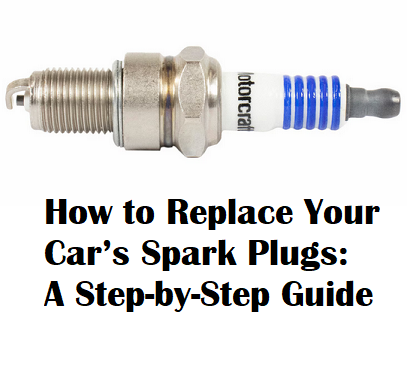
Have you ever popped the hood of your car and felt a bit lost? You’re not alone.
Many car owners shy away from doing their own maintenance, thinking it’s too complicated. But tackling small tasks like removing a spark plug can be surprisingly simple and empowering. Imagine the satisfaction you’ll feel once you realize how easy it is to keep your engine running smoothly.
In this guide, we’re going to demystify the process, giving you clear, step-by-step instructions that anyone can follow. By the end, you’ll be ready to roll up your sleeves and take control of your car’s health with confidence. Ready to discover the mechanic within you? Let’s dive in!

Credit: www.bmwlt.com
Tools Needed
Removing a spark plug needs specific tools. These tools make the job easier and protect the engine parts. Having the right tools helps avoid damage and saves time. Each tool plays a key role in the process.
Spark Plug Socket
A spark plug socket fits the plug exactly. It has a rubber insert to hold the plug gently. This socket prevents breaking or scratching the plug. It is longer than regular sockets for better reach.
Ratchet Wrench
The ratchet wrench turns the spark plug socket. It allows easy movement in tight spaces. The wrench lets you loosen or tighten the plug smoothly. A comfortable handle helps control the force used.
Extension Bar
An extension bar adds length to the ratchet wrench. It helps reach deep spark plugs in the engine. This tool gives better access without forcing the wrench. It makes the removal safer and faster.
Torque Wrench
A torque wrench tightens the spark plug to the right level. Too much force can damage the threads or plug. Too little force can cause engine problems. This wrench ensures perfect tightness every time.
Anti-seize Compound
Anti-seize compound prevents the spark plug from sticking. It helps during future removal and protects threads. A small amount on the plug threads is enough. This compound keeps the spark plug easy to remove later.

Credit: www.youtube.com
Preparing The Engine
Preparing the engine is a crucial step before removing a spark plug. Proper preparation ensures safety and prevents damage to engine parts. It helps make the process smooth and efficient.
Allow Engine To Cool
Never touch the engine when it is hot. Let it cool down completely. A hot engine can cause burns and make parts harder to handle. Cooling takes about 30 minutes to an hour, depending on the engine size.
Locate Spark Plugs
Identify the spark plugs in your engine bay. They usually have thick wires attached. Check your vehicle manual if you are unsure. Spark plugs sit on the cylinder head, often in a row.
Remove Engine Cover If Necessary
Some engines have a plastic cover hiding the spark plugs. Remove this cover carefully. Use the right tools to avoid damage. Removing the cover gives clear access to the spark plugs for easy removal.
Removing The Spark Plug Wire
Removing the spark plug wire is the first task before taking out a spark plug. This wire connects the ignition system to the spark plug. Handling it carefully prevents damage to the wire and the plug.
Identify Spark Plug Wire Boot
The spark plug wire ends in a boot that covers the spark plug tip. Look for this thick rubber or silicone part. It seals the connection and protects it from dirt and moisture.
Grip And Twist Boot Gently
Hold the boot firmly, not the wire itself. Twist the boot slightly to loosen it from the spark plug. This helps avoid pulling the wire out or damaging the connection.
Avoid Pulling On Wire
Never pull directly on the wire. Pulling can damage or break the wire inside. Always pull on the boot to safely disconnect the wire from the spark plug.
Credit: www.familyhandyman.com
Extracting The Spark Plug
Extracting the spark plug is a delicate task that requires the right tools and careful handling. The spark plug sits tightly in the engine, so removing it properly prevents damage to both the plug and engine parts. Follow these clear steps to take out the spark plug safely and efficiently.
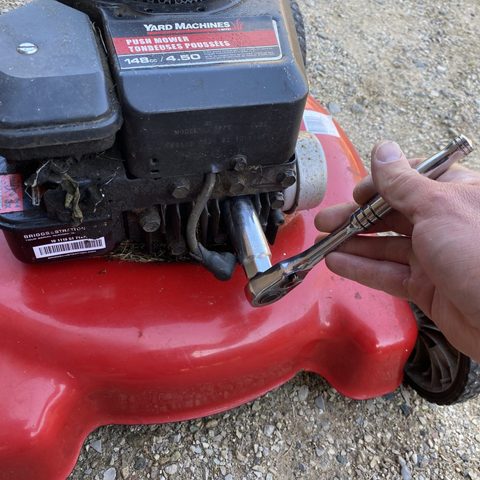
Attach Socket To Ratchet
Choose the correct spark plug socket size. It usually fits snugly over the spark plug.
Attach the socket securely to the ratchet handle. This tool helps you turn the spark plug with the right force.
Ensure the socket has a rubber insert to grip the spark plug. This prevents it from falling during removal.
Loosen Spark Plug Carefully
Insert the socket over the spark plug. Make sure it fits tightly to avoid slipping.
Turn the ratchet counterclockwise slowly. Apply steady pressure to loosen the spark plug.
Stop if you feel resistance. Forcing it can damage the threads inside the engine.
Remove Spark Plug By Hand
Once loose, remove the ratchet and socket carefully.
Use your fingers to unscrew the spark plug completely. This reduces the risk of dropping it.
Lift the spark plug straight out. Avoid twisting to keep the threads safe.
Inspecting The Spark Plug
Inspecting the spark plug is a key step after removal. It reveals how well your engine is running. Careful inspection helps spot problems early. This saves time and money on repairs. Follow these simple checks to understand your spark plug’s condition.
Check For Wear And Damage
Look closely at the spark plug’s tip and threads. Check for cracks, chips, or heavy buildup. Worn electrodes appear rounded or eroded. Burn marks or oil deposits show engine troubles. A clean, intact plug means good engine health.
Assess Spark Plug Gap
The gap is the space between the center and side electrodes. It affects spark strength and engine power. Use a feeler gauge to measure the gap size. Compare it to the manufacturer’s recommended gap. Too wide or narrow gaps need adjustment or replacement.
Decide On Replacement Or Cleaning
Choose cleaning if the plug has light carbon or dirt. Use a wire brush or spark plug cleaner for this. Replace the plug if it has heavy wear or damage. New plugs improve performance and fuel efficiency. Keep a record of spark plug condition for future checks.
Tips For Beginners
Starting with spark plug removal can feel tricky for beginners. Some simple tips make the task easier and safer. These tips help avoid mistakes and save time. Follow these easy steps to get started confidently.
Work In A Well-lit Area
Good lighting helps you see small parts clearly. It reduces the risk of dropping tools or parts. Choose a bright garage or use a portable work light. Proper light makes the job faster and less frustrating.
Keep Track Of Removed Parts
Keep all nuts, bolts, and washers in one place. Use a small container or magnetic tray. This stops parts from getting lost under the car or on the floor. Label parts if needed to remember their position.
Avoid Over-tightening
Tighten spark plugs just enough to fit snugly. Too much force can damage the threads or the plug itself. Use a torque wrench if possible for correct tightness. Hand-tighten first, then finish carefully with the tool.
Frequently Asked Questions
How Do You Safely Remove A Spark Plug?
First, disconnect the battery to avoid shocks. Use a spark plug socket and ratchet to turn counterclockwise. Apply steady pressure and avoid forcing it. Clean the area before removal to prevent debris from entering the cylinder.
What Tools Are Needed To Take Out A Spark Plug?
You need a spark plug socket, ratchet wrench, and extension bar. A spark plug gap gauge and anti-seize lubricant can help. Always use the right size socket for your vehicle’s spark plugs.
How To Avoid Damaging The Spark Plug During Removal?
Turn the spark plug slowly and gently to prevent cross-threading. Use a properly fitting socket to avoid slipping. If the plug is stuck, apply penetrating oil and wait before trying again.
When Should You Replace Spark Plugs After Removal?
Replace spark plugs if they show wear, corrosion, or damage. Typically, spark plugs last 30,000 to 100,000 miles depending on type. Always consult your vehicle’s manual for specific replacement intervals.
Conclusion
Removing a spark plug is simple with the right tools and steps. Always work carefully to avoid damage. Clean the area before you start for best results. Turn the plug slowly to loosen it without breaking. Keep track of parts and screws for easy reassembly.
Regular spark plug checks help your engine run smoothly. Practice these tips to feel confident doing it yourself. Small efforts save time and money in car care. Give your engine the attention it needs today.





