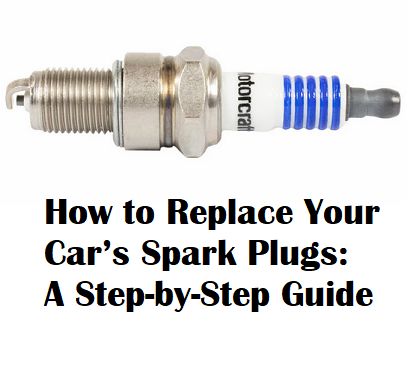
If you’ve ever faced a stubborn spark plug that just won’t budge, you know how frustrating it can be. But don’t worry—learning how to unscrew a spark plug the right way can save you time, money, and a lot of headaches.
Whether you’re fixing your car, motorcycle, or lawn mower, this simple skill puts you in control. In this guide, you’ll discover easy, step-by-step tips to loosen even the toughest spark plugs without causing damage. Keep reading, and you’ll be tackling spark plugs like a pro in no time.

Credit: www.youtube.com
Tools Needed
Removing a spark plug requires specific tools to make the job easier and safer. Having the right tools ensures you do not damage the spark plug or the engine. Each tool has a specific purpose in the process.
Gathering these tools before you start saves time and effort. Here are the essential tools needed to unscrew a spark plug properly.
Socket Wrench
A socket wrench provides the torque needed to loosen tight spark plugs. It fits various socket sizes and offers good control. This tool helps turn the spark plug without slipping.
Spark Plug Socket
A spark plug socket is designed specifically for spark plugs. It has a rubber insert to grip the plug securely. This prevents damage to the plug’s ceramic insulator during removal.
Extension Bar
An extension bar increases the reach of your socket wrench. It helps reach deep spark plugs in tight engine spaces. Using an extension makes the process more comfortable and efficient.
Ratchet Handle
A ratchet handle allows you to turn the wrench in tight spaces easily. It moves the socket in one direction without repositioning your hand. This makes unscrewing faster and less tiring.
Protective Gloves
Wearing protective gloves keeps your hands safe from dirt and sharp edges. Gloves also improve grip on tools and spark plugs. They make the job cleaner and more comfortable.

Credit: www.bmwlt.com
Preparation Steps
Proper preparation is key to safely unscrewing a spark plug. Taking a few careful steps helps prevent damage and injury. Follow these preparation steps to get ready for the task.
Ensure Engine Is Cool
Never work on a hot engine. Let the engine cool down completely. Hot parts can burn your skin. Wait at least 30 minutes after driving before starting.
Disconnect The Battery
Remove the negative cable from the battery terminal. This stops electrical power flow. It prevents accidental sparks or shocks while working.
Locate The Spark Plug
Open the car hood to find the spark plugs. Look for thick wires connected to the engine. Each wire leads to a spark plug. Clean the area around the plugs to avoid dirt falling inside.
Removing The Spark Plug Wire
Removing the spark plug wire is the first step in unscrewing a spark plug. The wire connects the ignition system to the spark plug. Handling it correctly avoids damage to the wire and the spark plug. Pulling the wire the wrong way can cause costly repairs. Use the right technique to ensure a safe removal.
Grip The Boot, Not The Wire
Always hold the rubber boot at the end of the spark plug wire. The boot is designed for gripping. Pulling on the wire itself can cause it to break or detach from the boot. A firm grip on the boot prevents damage. It also helps you apply even force when removing the wire.
Twist And Pull Method
Before pulling, twist the boot gently to loosen it. Twisting breaks the seal between the boot and the spark plug. It makes pulling the boot off easier. After twisting, pull the boot straight off the spark plug. Avoid yanking or pulling at an angle. This method protects both the wire and the plug.

Credit: www.youtube.com
Unscrewing The Spark Plug
Unscrewing a spark plug requires care and the right tools. The process demands patience to avoid damage. Follow the steps to remove the spark plug safely and efficiently.
Attach Socket To Wrench
Choose the correct socket size for the spark plug. Attach it firmly to the wrench. Make sure the connection is tight to avoid slipping.
Place Socket On Spark Plug
Position the socket over the spark plug carefully. Ensure it fits snugly around the plug. Align the wrench straight to prevent stripping the threads.
Turn Counterclockwise Slowly
Begin turning the wrench slowly to the left. Apply steady pressure without forcing it. Slow turning helps break the plug loose without damage.
Check For Resistance
Feel for resistance as you turn the wrench. If it is too tight, stop and apply penetrating oil. Wait a few minutes, then try again gently.
Troubleshooting Stuck Spark Plugs
Stuck spark plugs can turn a simple maintenance task into a frustrating ordeal. They often seize due to corrosion, dirt, or over-tightening, making removal tricky. Knowing how to carefully troubleshoot these stubborn plugs can save you time and prevent damage to your engine.
Apply Penetrating Oil
Start by spraying a penetrating oil around the base of the spark plug. This helps break down rust and loosen any deposits holding it tight. Let the oil sit for at least 10-15 minutes to soak in fully.
In my experience, giving it extra time—sometimes even overnight—makes a noticeable difference. You might wonder, have you given the oil enough time to work before trying to unscrew the plug?
Use Gentle Tapping
Lightly tapping the spark plug with a small hammer or wrench handle can help break the rust seal. Be careful to tap gently and evenly to avoid damaging the plug or the cylinder head.
This technique can loosen the plug’s grip by slightly shifting it, making unscrewing easier. Do you have the right tools to tap without causing harm?
Avoid Excessive Force
Applying too much force can strip the threads or break the plug, leading to costly repairs. If the plug won’t budge, pause and reassess your approach.
Using a breaker bar can help apply steady torque, but always stop if you feel resistance beyond normal tightness. Have you considered how much force is too much before risking damage?
Post-removal Care
After removing a spark plug, proper care ensures your engine runs smoothly. Handling the plug and its hole carefully prevents damage. This step helps maintain engine performance and extends the spark plug’s life.
Inspect The Spark Plug
Check the spark plug for wear or damage. Look for cracks, carbon buildup, or worn electrodes. A healthy plug has a clean tip and no corrosion. Replace it if any damage appears.
Clean The Spark Plug Hole
Remove dirt and debris from the spark plug hole. Use a soft brush or compressed air. This prevents dirt from falling into the engine. Clean holes help the new plug fit tightly.
Store Or Replace The Plug
Keep the removed spark plug in a clean, dry place if you plan to reuse it. Avoid moisture and dust. If the plug is worn out, replace it with a new one. Using the right spark plug improves engine efficiency.
Frequently Asked Questions
How Do I Safely Unscrew A Spark Plug?
First, ensure the engine is cool. Use a proper spark plug socket and ratchet. Turn counterclockwise gently. Avoid excessive force to prevent damage. Clean debris around the plug before removal.
What Tools Are Needed To Remove A Spark Plug?
You need a spark plug socket, ratchet wrench, and extension bar. A torque wrench helps for reinstallation. A spark plug gap gauge is useful for checking the gap. Safety gloves protect your hands.
Can I Unscrew A Spark Plug Without Damaging It?
Yes, by using the right tools and technique. Turn slowly and steadily. Avoid cross-threading by aligning the socket properly. If stuck, apply penetrating oil and wait before trying again.
Why Is My Spark Plug Hard To Unscrew?
It may be due to rust, dirt, or over-tightening. Lack of maintenance causes corrosion. Using the wrong tools or force can make removal difficult. Applying penetrating oil helps loosen it.
Conclusion
Removing a spark plug is easy with the right tools. Follow each step carefully. Stay safe and take your time. Proper maintenance improves your vehicle’s performance. Regular checks prevent future issues. Always ensure the engine is off and cool. Use a wrench for better grip.
Remember to inspect the new spark plug before installing. Clean work areas help avoid mistakes. Practice makes perfect, so don’t rush. Keep learning and soon you’ll be confident. Happy driving with a smoothly running engine!





