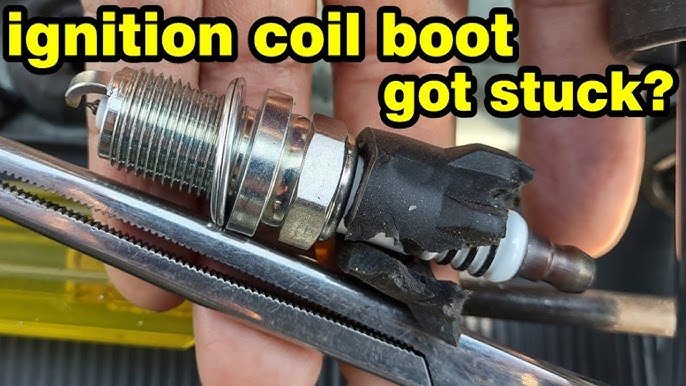
Have you ever struggled with a spark plug that just won’t budge? A frozen spark plug can be frustrating and might even stop your engine from running smoothly.
But don’t worry—you don’t have to be a mechanic to fix this. You’ll learn simple, step-by-step methods to safely remove a frozen spark plug without causing damage. Keep reading, and you’ll soon have the confidence and know-how to tackle this common problem yourself.

Credit: www.reddit.com
Signs Of A Frozen Spark Plug
Knowing the signs of a frozen spark plug can save you time and frustration during vehicle maintenance. A frozen spark plug won’t come out easily, and ignoring the warning signs may cause damage to your engine. Let’s look closely at what you should watch for and what causes this problem in the first place.
Common Symptoms
You might notice your engine misfires or runs rough, especially at startup. If your car feels sluggish or struggles to accelerate, a frozen spark plug could be the culprit.
Other signs include unusual noises when trying to remove the plug, such as a high-pitched squeal or grinding sound. Sometimes, you may see visible corrosion or rust around the spark plug area, which often leads to it seizing in place.
- Engine misfires or rough idling
- Difficulty starting the engine
- Reduced fuel efficiency
- Unusual noises during spark plug removal
- Visible rust or corrosion around the plug
Have you ever struggled to remove a spark plug and felt it just wouldn’t budge? That resistance isn’t normal and usually signals a frozen plug.
Causes Of Seizure
Corrosion is the main cause of a frozen spark plug. Moisture gets trapped inside the cylinder head, causing metal parts to rust and stick together.
Over-tightening the spark plug during installation also leads to seizure. If the plug is screwed in too tightly, it creates excess pressure that makes removal difficult later on.
Heat cycles and engine vibrations can cause the spark plug threads to fuse with the cylinder head material over time. This is especially common in older vehicles or those with poor maintenance.
- Rust and corrosion from moisture buildup
- Over-tightening the spark plug
- Heat and vibration causing thread fusion
- Using incompatible spark plug materials
Understanding why spark plugs freeze helps you prevent this problem before it starts. Have you checked your spark plugs recently? Identifying early signs can save you from costly repairs down the road.
Tools You’ll Need
Removing a frozen spark plug is a task that demands the right tools to avoid damage and frustration. Having the correct equipment at hand saves time and prevents mistakes. Before you start, make sure your toolbox is ready with both essential and optional tools that can make the process smoother.
Essential Equipment
- Spark Plug Socket:A deep socket specifically designed for spark plugs is a must. It grips the plug securely and prevents slipping, which is crucial when dealing with a stuck plug.
- Ratchet Wrench:You’ll need a sturdy ratchet wrench to turn the socket. A wrench with a good grip and smooth ratcheting mechanism reduces the effort required.
- Penetrating Oil:This liquid loosens rust and corrosion around the plug threads. Let it sit for at least 15 minutes before attempting to remove the plug.
- Extension Bar:Depending on the engine design, an extension bar helps you reach deep-set spark plugs without straining your hands.
- Torque Wrench:Use this when reinstalling the spark plug to tighten it to the manufacturer’s specifications, preventing over-tightening or under-tightening.
Optional Supplies
- Heat Source:A heat gun or propane torch can expand metal parts slightly, making stuck plugs easier to remove. Use with caution to avoid damaging nearby components.
- Impact Driver:If the plug is extremely tight, an impact driver can deliver controlled force to break it free without damaging the threads.
- Anti-Seize Compound:Applying this to the new spark plug threads helps prevent future seizing and makes removal easier next time.
- Compressed Air:Blowing out the spark plug hole before removal clears debris that might fall into the cylinder once the plug is out.
- Gloves and Safety Glasses:Protect your hands and eyes from sharp edges, hot parts, and chemical sprays during the process.
Have you ever tried removing a frozen spark plug without the right tools? It’s frustrating and often leads to damaged parts. Investing a little time preparing your toolkit can save you from costly repairs and headaches down the line.
Preparing The Engine
Preparing the engine before attempting to remove a frozen spark plug is essential for both safety and success. Taking the right initial steps can prevent damage to your engine and save you from frustration. Let’s look at how cooling the engine and cleaning around the spark plug set you up for a smooth removal process.
Cooling Down The Engine
Never try to remove a spark plug from a hot engine. The metal parts expand when hot, which makes the spark plug even harder to loosen. Give your engine enough time to cool down completely—this might take 30 minutes or more depending on how recently you drove.
Imagine grabbing a hot spark plug socket—it’s not just uncomfortable, it can cause injury or strip the plug threads. Cooling also reduces the risk of cracking the cylinder head. Patience here protects your engine’s integrity and your hands.
Cleaning Around The Spark Plug
Before you start loosening, clean the area around the spark plug carefully. Dirt and debris can fall into the cylinder once the plug is out, causing serious engine damage. Use a soft brush or compressed air to clear the area thoroughly.
Pay attention to small crevices where dust tends to gather. If you don’t have compressed air, a vacuum cleaner with a small nozzle works well too. This simple step can save you from unexpected engine troubles down the road.

Credit: www.odyclub.com
Loosening The Frozen Spark Plug
Loosening a frozen spark plug requires patience and the right tools. The metal can seize due to heat, corrosion, or overtightening. Applying gentle force alone may damage the plug or the engine. Use methods that help break the bond without causing harm.
Start by treating the area with substances that ease rust and corrosion. Heat can also expand the metal, making removal easier. Proper tools ensure you apply the right torque and grip. Each step helps free the spark plug safely and effectively.
Applying Penetrating Oil
Spray penetrating oil generously around the spark plug base. Let it soak for at least 15 minutes. This oil seeps into tight spaces to loosen rust and debris. For best results, repeat the application if the plug remains stuck. Avoid rushing to prevent damage to threads.
Using Heat Safely
Heat expands metal, easing the spark plug’s grip. Use a heat gun or propane torch with care. Apply heat evenly around the spark plug area. Avoid direct flame on plastic or sensitive engine parts. Heat for a few minutes, then try loosening again carefully.
Proper Use Of A Spark Plug Socket
Choose a spark plug socket that fits snugly over the plug. Use a ratchet with a long handle for better leverage. Turn the socket slowly and steadily to avoid stripping the plug. If resistance remains high, stop and reapply penetrating oil or heat. A proper tool reduces risk of damage and improves control.
Removing The Spark Plug
Removing a frozen spark plug requires patience and the right approach to avoid damaging your engine. If you rush or use excessive force, you risk stripping the threads or breaking the plug inside the cylinder head. Let’s focus on how to carefully and effectively get that stuck spark plug out.
Correct Technique
Start by applying penetrating oil around the base of the spark plug. Let it sit for at least 15 minutes to soften any rust or debris holding the plug tight.
Use a high-quality spark plug socket with a rubber insert or magnetic feature to grip the plug securely. This minimizes the chance of dropping or damaging it.
Turn the wrench slowly and steadily counterclockwise. Avoid sudden jerks; slow pressure helps loosen the plug without stripping the threads.
Have you ever tried to force a stuck spark plug and ended up with a broken piece in the engine? Taking your time here can save you costly repairs.
Handling Stubborn Plugs
If the spark plug refuses to budge, don’t panic. Apply more penetrating oil and wait longer, sometimes overnight is best.
Try gently tapping the spark plug socket with a rubber mallet. The vibrations can help break the corrosion seal.
Another trick is to slightly tighten the plug first—just a quarter turn clockwise—then loosen it again. This can help break the rust bond.
Remember, applying heat around the spark plug area with a heat gun can expand the metal and make removal easier. But be careful not to overheat or damage nearby components.
What’s your experience with stuck spark plugs? Sometimes a little patience combined with these techniques can turn a frustrating job into a simple fix.

Credit: www.youtube.com
Preventing Future Freezes
Preventing your spark plugs from freezing again is easier than you might think. Taking simple steps now can save you hours of frustration later. Let’s look at practical ways to keep your spark plugs in good shape and avoid future freezes.
Regular Maintenance Tips
Check your spark plugs regularly, especially before cold seasons. Dirt, moisture, and corrosion build-up can cause them to freeze in the cylinder head.
Make it a habit to:
- Inspect spark plugs every 10,000 miles or as recommended by your vehicle’s manual.
- Clean the threads and surrounding areas to remove any debris or rust.
- Replace worn or damaged spark plugs promptly to maintain proper engine performance.
Have you noticed how a simple check can prevent a major hassle? Staying on top of maintenance often stops problems before they start.
Using Anti-seize Compounds
Applying an anti-seize compound on the spark plug threads can make a huge difference. It prevents the threads from sticking due to heat, corrosion, or moisture buildup.
Here’s how to use it effectively:
- Clean the spark plug threads thoroughly before applying the compound.
- Apply a thin, even layer of anti-seize to the threads—avoid excess, which can cause over-tightening.
- Install the spark plug carefully, ensuring it’s snug but not overly tight.
Using anti-seize isn’t just about ease of removal; it also protects your engine parts. Have you tried it before? If not, it might be time to add this simple step to your toolkit.
Frequently Asked Questions
How Do I Know If My Spark Plug Is Frozen?
A frozen spark plug is difficult to unscrew. Signs include engine misfires, rough idle, or poor fuel economy. Visual inspection may reveal rust or corrosion. These symptoms suggest the spark plug is stuck and needs careful removal.
What Tools Are Needed To Remove A Frozen Spark Plug?
You need a spark plug socket, ratchet wrench, penetrating oil, and a breaker bar. Optionally, use heat or an impact wrench. These tools help loosen and safely remove the frozen plug without damage.
Can Heat Help In Removing A Frozen Spark Plug?
Yes, applying heat expands the metal and loosens the spark plug. Use a heat gun or propane torch carefully. Avoid overheating to prevent damage to the engine or spark plug threads.
How Long Should I Apply Penetrating Oil Before Removal?
Apply penetrating oil and let it sit for at least 15 to 30 minutes. This time allows the oil to penetrate rust and corrosion, making removal easier and reducing the risk of thread damage.
Conclusion
Removing a frozen spark plug isn’t difficult with the right steps. Stay calm and gather your tools before starting. Always wear safety gear to protect yourself. Begin by applying penetrating oil to the spark plug. Let it sit for a while.
Gently twist the plug with a wrench. If it doesn’t move, don’t force it. Heat can help loosen it. Use a heat gun carefully. Try twisting again. Finally, if all else fails, seek professional help. Regular maintenance prevents such issues.
Remember, patience and care lead to success. Keep your engine running smoothly.





