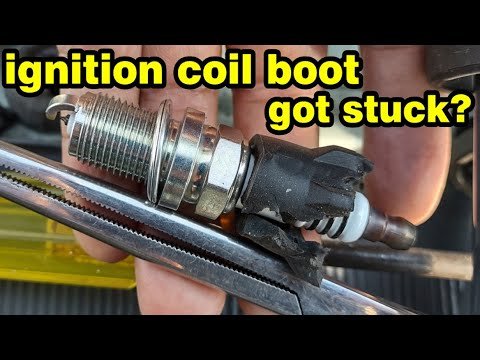
Picture this: you’re all set for a smooth drive or perhaps a DIY project, but there’s a hiccup. That stubborn spark plug just won’t budge.
It’s frustrating, isn’t it? But don’t worry, you’re not alone in this. Many car enthusiasts and DIYers face this challenge, and there’s a solution waiting for you. In this guide, you’ll discover simple and effective ways to remove a stuck spark plug, saving you time, money, and a whole lot of stress.
Imagine the satisfaction of finally getting that spark plug out without damaging your engine. Intrigued? Keep reading, because the secret to hassle-free removal is just a scroll away.
Causes Of Stuck Spark Plugs
Stuck spark plugs cause frustration during car maintenance. Understanding why spark plugs get stuck helps prevent damage. Several factors cause spark plugs to seize inside the engine cylinder head. Knowing these causes aids in safe removal and proper care.
Common Reasons Spark Plugs Get Stuck
- Over-tightening during installation can make plugs hard to remove.
- Using the wrong spark plug size or type affects fit and removal.
- Carbon build-up around the spark plug threads causes sticking.
- Frequent engine vibrations tighten the spark plug further over time.
- Improper installation tools can damage threads and cause seizing.
Effects Of Corrosion And Heat
Corrosion forms when moisture reacts with metal spark plug threads. Salt and dirt increase corrosion risks in harsh environments. Corroded threads bond spark plugs tightly to the cylinder head.
High engine heat expands metal parts, causing them to lock together. When the engine cools, metal contracts and traps the plug in place. Repeated heating cycles worsen the seizing problem.
Tools Needed For Removal
Removing a stuck spark plug requires the right tools. Using proper tools makes the job safer and easier. It helps prevent damage to the spark plug or engine. Some tools are common in any toolbox. Others are designed specifically for spark plug removal.
Essential Hand Tools
- Spark plug socket: fits spark plugs perfectly for easy removal.
- Ratchet wrench: provides leverage to turn the socket smoothly.
- Extension bar: reaches deep or tight spaces around the spark plug.
- Breaker bar: adds extra force for stubborn spark plugs.
- Torque wrench: tightens spark plugs to the correct specification.
- Flathead screwdriver: helps pry gently if the plug is stuck.
Specialized Equipment
- Penetrating oil: loosens rust and corrosion around the spark plug threads.
- Heat gun or propane torch: expands metal parts to ease removal.
- Impact wrench: delivers powerful bursts to free stuck plugs quickly.
- Spark plug extractor: designed to grip broken or rounded spark plugs.
- Anti-seize compound: prevents future spark plug seizure during installation.
Preparation Before Removal
Preparing properly before removing a stuck spark plug can save you from damaging your engine or the spark plug itself. Taking time to set up the right environment and tools helps you work efficiently and safely. Have you ever rushed a job only to end up with more problems? Avoid that by focusing on preparation.
Safety Precautions
Safety should be your top priority before you start. Make sure the engine is cool to prevent burns—spark plugs get extremely hot when running. Disconnect the battery to avoid any accidental electric shocks or shorts.
Wear safety glasses to protect your eyes from debris or rust particles that might fly off during the process. Gloves are a good idea too; they protect your hands and improve your grip on tools. Are you ready to handle the task without risking injury?
Cleaning Around The Spark Plug
Cleaning the area around the spark plug prevents dirt and debris from falling into the cylinder once the plug is removed. Use compressed air or a small brush to clear away dust, grease, and grime. Avoid using too much force—gentle cleaning reduces the chance of pushing debris into the engine.
If you spot stubborn dirt, apply a little brake cleaner or carburetor cleaner and wipe it off with a rag. Keeping the area clean also gives you better access and visibility, which makes removing the stuck plug easier. What tools do you have ready for this crucial step?
Techniques To Loosen Stuck Spark Plugs
Stuck spark plugs can cause engine problems and frustration. Removing them needs care to avoid damage. Several techniques help loosen tight spark plugs safely. These methods work well for most vehicles and tools you might have at home.
Using Penetrating Oil
Spray penetrating oil around the spark plug base. Let it soak for 15 to 20 minutes. The oil seeps into rust and dirt, loosening the plug. Use a spray with good reviews for best results. After soaking, try to turn the spark plug gently. Repeat spraying if needed before trying again.
Applying Heat Safely
Heat expands metal, helping to loosen stuck plugs. Use a heat gun or propane torch carefully. Avoid overheating the spark plug or nearby parts. Heat the area around the plug for a few minutes. Let it cool slightly before trying to remove the plug. This method works best with penetrating oil applied first.
Tapping Method
Tap gently on the spark plug with a small hammer or wrench handle. This action breaks rust and dirt bonds. Do not hit too hard to avoid damage. Tap around the plug base in a circular motion. After tapping, try to unscrew the spark plug carefully. This method works well combined with penetrating oil and heat.
Step-by-step Removal Process
Removing a stuck spark plug requires patience and the right technique. The process involves careful loosening, gentle extraction, and special handling if problems arise. Following clear steps reduces the risk of damage to the engine and the spark plug itself.
Loosening The Plug
Start by applying a penetrating oil around the spark plug base. Let it sit for at least 15 minutes to break down rust and debris. Use a spark plug socket with a ratchet for the best grip. Turn the plug slowly counterclockwise. Avoid forcing it to prevent thread damage.
Extracting The Spark Plug
Once the plug is loose, continue turning it by hand. This keeps the threads safe. Use a magnetic spark plug socket or a careful grip to pull the plug out. Inspect the plug for damage or wear. Clean the spark plug hole gently with compressed air to remove dirt.
Handling Difficult Cases
If the spark plug does not budge, reapply penetrating oil and wait longer. Tap the plug lightly with a rubber mallet to break corrosion. Heat the area around the plug with a heat gun for a few minutes to expand the metal. Avoid using excessive force to prevent stripping the threads or breaking the plug. In extreme cases, seek professional help to avoid costly repairs.

Credit: www.odyclub.com
Preventing Future Stuck Spark Plugs
Preventing spark plugs from getting stuck saves time and frustration. Proper care and attention during installation and maintenance keep spark plugs working smoothly. Taking small steps helps avoid damage and costly repairs. Follow these tips to keep your engine running well and your spark plugs easy to remove.
Proper Installation Tips
- Use the correct spark plug type for your engine model.
- Clean the spark plug threads and engine holes before installation.
- Apply a small amount of anti-seize compound on the threads.
- Tighten spark plugs to the manufacturer’s recommended torque.
- Avoid over-tightening which can cause thread damage.
- Install spark plugs by hand first to prevent cross-threading.
Regular Maintenance Practices
- Check spark plugs during routine engine inspections.
- Replace spark plugs based on the service schedule or signs of wear.
- Keep engine components clean to prevent dirt build-up on plugs.
- Inspect spark plug wires and connections regularly.
- Use proper tools to remove spark plugs safely.
- Address engine issues early to avoid plug fouling or seizing.
When To Seek Professional Help
Knowing when to call in a professional to remove a stuck spark plug can save you time, money, and frustration. Trying to force the issue without the right skills or tools often leads to more damage. Let’s explore the signs that indicate it’s better to seek expert help and how this decision protects your engine.
Signs You Need Expert Assistance
- Excessive Rust or Corrosion:If the spark plug looks severely rusted or corroded, attempting removal yourself might cause it to break inside the cylinder head.
- Repeated Failed Attempts:Struggling with the spark plug after several tries is a clear signal to stop. Professionals have specialized tools to handle stubborn plugs.
- Unusual Resistance or Tightness:Feeling unusual tightness or hearing cracking sounds? These are warning signs that the plug might be stuck or damaged beneath the surface.
- Engine Performance Issues:If your engine misfires or runs rough after a spark plug replacement attempt, it might mean the plug wasn’t removed properly or damage occurred during the process.
Avoiding Damage To The Engine
One wrong move when removing a stuck spark plug can lead to stripped threads or even cracked cylinder heads. These repairs are costly and time-consuming.
Professional mechanics use torque tools and extraction kits designed to prevent damage. They also know how to handle delicate engine parts without causing harm.
Ask yourself: Is the risk of breaking the plug or damaging your engine worth the potential savings of a DIY attempt? Often, the answer is no.

Credit: www.reddit.com
Credit: www.rav4world.com
Frequently Asked Questions
How Can I Safely Remove A Stuck Spark Plug?
To remove a stuck spark plug safely, use penetrating oil first. Let it sit for 15-20 minutes. Then, use a proper spark plug socket and apply steady, gentle force to avoid breaking the plug.
What Tools Do I Need To Remove A Stuck Spark Plug?
You need a spark plug socket, ratchet wrench, penetrating oil, and a breaker bar. A torque wrench helps when reinstalling. These tools ensure you can loosen the plug without damage.
Why Does A Spark Plug Get Stuck In The Engine?
Spark plugs get stuck due to corrosion, over-tightening, or debris buildup. Heat cycles cause metal expansion and contraction, leading to the plug seizing in the cylinder head threads.
Can I Use Heat To Loosen A Stuck Spark Plug?
Yes, carefully applying heat can help loosen a stuck spark plug. Use a heat gun or torch cautiously to expand the metal, but avoid overheating to prevent engine damage.
Conclusion
Removing a stuck spark plug takes patience and the right tools. Start slowly and avoid forcing the plug to prevent damage. Using penetrating oil and proper techniques helps loosen tight plugs. Always work carefully to protect your engine parts. With steady effort, you can fix the issue yourself.
Remember, safety comes first—wear gloves and eye protection. Taking your time saves money and frustration in the long run. Now, you have the basics to handle stuck spark plugs confidently. Keep practicing and stay safe while working on your vehicle.





