Choosing the right lawn mower blades can make all the difference in keeping your lawn healthy and looking great. You might think any blade will do, but the truth is, the blade you pick affects how cleanly your grass is cut and how well your mower works.
If your lawn looks uneven or your mower struggles, the blade could be the problem. You’ll discover simple tips to help you choose the perfect blade for your mower and your lawn’s needs. Keep reading, and you’ll learn how to make your lawn mowing easier and your yard healthier.
Types Of Lawn Mower Blades
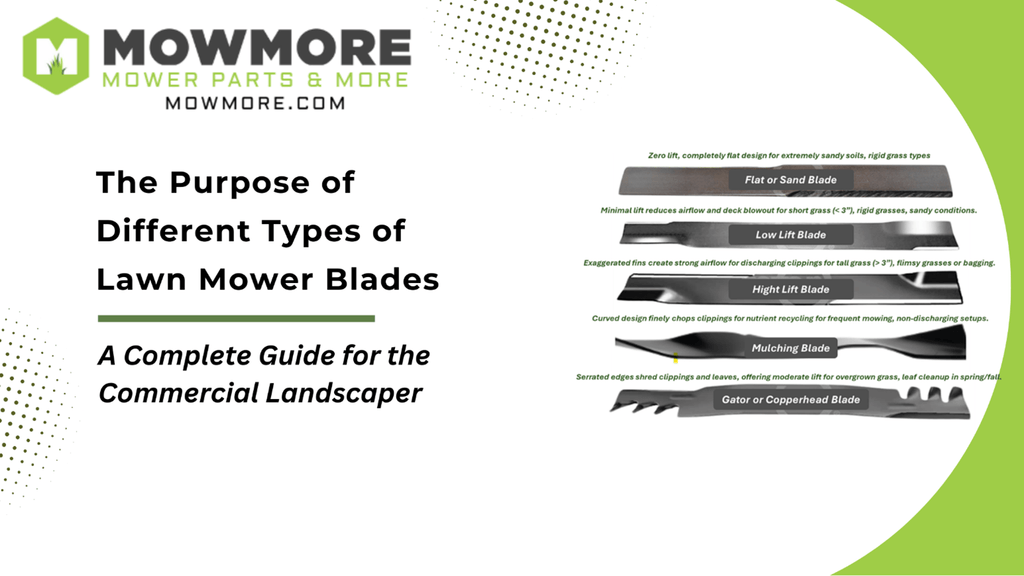
Standard bladesare the most common type. They cut grass evenly and are good for regular lawns. These blades create clean, straight cuts and work well with most mowers.
Mulching bladeshave a special design that chops grass clippings into tiny pieces. These small pieces fall back into the lawn, helping to fertilize the grass naturally. Ideal for those who want to keep their lawn healthy.
High-lift bladescreate strong suction to lift grass before cutting. They are great for lawns with thick or tall grass. These blades also help blow clippings into a bagger for easy collection.
Gator bladescombine cutting and mulching. They have sharp, curved edges that cut grass finely and chop clippings well. Best for dense lawns with heavy grass and leaves.
Blade Materials And Durability
Steel bladesare the most common choice for lawn mowers. They are strongand can be sharpened many times. Steel blades cut grass cleanly and last a long time. These blades may rust if not taken care of properly.
Composite bladesuse plastic or other materials mixed with metal. They are lighter and sometimes safer because they break instead of bending. These blades last less than steel but resist rust well.
Coated bladeshave a special cover to stop rust and reduce wear. The coating helps the blade stay sharp longer and keeps it clean. These blades cost a bit more but save time on maintenance.
Choosing The Right Blade Size
Choosing the correct blade size ensures a clean and even cut for your lawn. Match the blade size to your mower’s specifications for best results. Using the right blade also helps maintain mower performance and safety.
Measuring Your Mower Deck
Measure the mower deck to find the right blade size. Use a tape measure to check the width of the deck. This ensures you get the right fit. Look at the manufacturer’s guide for details. Measure from one side of the deck to the other. Write down the number you see. This will help you later.Matching Blade Length
Find a blade that matches your measurement. The blade should fit snugly under the deck. Check the packaging for the length. Compare it to your notes. Make sure it is not too long or short. The blade should not touch the sides. This can damage the mower. Use a blade suitable for grass type you have. `
Credit: www.mowmore.com
Blade Sharpness And Cutting Performance
Sharp bladescut grass cleanly and quickly. Dull blades tear the grass, making it look brown and unhealthy. Sharp blades also reduce strain on your mower’s engine. This helps the mower last longer and use less fuel.
Signs you need a new bladeinclude:
- Grass looks shredded or torn
- Blade edges are chipped or bent
- Mower vibrates more than usual
- Cutting takes longer than before
Regularly check blade sharpness. Replace blades if they show wear or damage. This keeps your lawn healthy and mower working well.
Compatibility With Your Mower
Always check the manufacturer’s guidebefore buying blades. It shows which blades fit your mower. Using the wrong blade can cause damage or poor cutting.
Blades connect to mowers in different ways. Knowing your mower’s blade mounting typehelps find the right blade.
| Blade Mounting Type | Description | Common Use |
|---|---|---|
| Center Mount | Blade attaches at the center with a bolt. | Most push mowers and ride-ons |
| Side Mount | Blade attaches from the side of the spindle. | Some commercial mowers |
| Multi-Mount | Fits several mounting styles, more flexible. | Universal blades |
Match the blade type to your mower’s mounting style. This ensures safe and effective cutting.
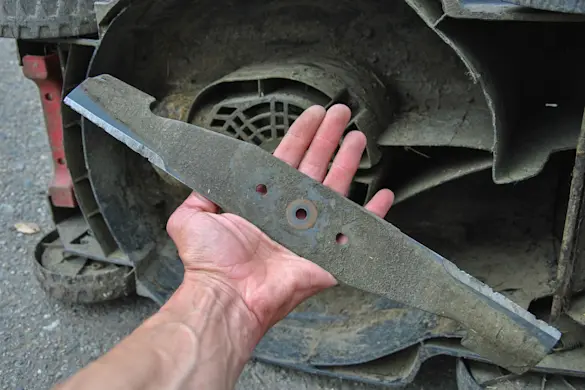
Credit: www.searspartsdirect.com
Maintenance Tips For Blades
Cleaning and inspectinglawn mower blades regularly helps keep them sharp and safe. Remove dirt, grass, and debris after every use. Check blades for cracks, bends, or rust spots. Use a brush or cloth to clean the blade surface gently. Worn or damaged blades can harm your lawn and mower.
Sharpening techniqueskeep blades cutting cleanly. Use a file, bench grinder, or sharpening stone. Hold the blade steady and sharpen the edge at the same angle it has now. Avoid overheating the blade; a cool blade lasts longer. Always wear gloves for safety while sharpening.
| When to Replace | Signs to Watch For |
|---|---|
| Blade is bent or cracked | Uneven cuts or vibrations during mowing |
| Blade is too short after sharpening | Reduced cutting efficiency |
| Rust or corrosion is severe | Blade surface is rough or pitted |
Safety Tips When Handling Blades
Selecting the right lawn mower blades ensures safe and efficient cutting. Always wear gloves when handling blades to prevent injuries. Keep blades sharp and store them properly to avoid accidents.
Proper Tools And Gear
Always wear thick glovesto protect your hands from sharp edges. Use safety glasses to shield your eyes from flying debris. A sturdy wrench or socket set is essential for loosening and tightening blade bolts. Never use damaged or worn-out tools, as they can slip and cause injury. Work on a flat surface to keep the mower steady.
Safe Installation Practices
Disconnect the spark plug wire before starting any blade work to prevent accidental starting. Hold the blade firmly and align it properly with the mounting holes. Tighten bolts to the manufacturer’s recommended torque, ensuring the blade is secure but not over-tightened. Check the blade balance after installation to avoid uneven cutting and vibration. Always test the mower in a clear area before full use.

Credit: mowrator.com
Frequently Asked Questions
What Types Of Lawn Mower Blades Are Available?
There are three main types: mulching, high-lift, and standard blades. Each serves a specific cutting purpose. Choose based on your lawn’s needs and mower type for best results.
How Do I Know When To Replace Mower Blades?
Replace blades if they are dull, chipped, or bent. Sharp blades cut grass cleanly, improving lawn health and mower efficiency. Inspect blades regularly for damage or wear.
Can I Sharpen Lawn Mower Blades Myself?
Yes, you can sharpen blades using a file or grinder. Ensure safety by disconnecting the spark plug before sharpening. Properly sharpened blades extend blade life and improve cutting quality.
Which Blade Material Is Best For Durability?
Steel blades are durable and commonly used. High-carbon steel offers better strength and holds a sharp edge longer. Choose quality materials to ensure long-lasting performance.
Conclusion
Choosing the right lawn mower blade makes a big difference. Sharp blades cut grass cleanly and help your lawn stay healthy. Think about the blade type, material, and size before buying. Match the blade to your mower and lawn needs.
Keep blades sharp and replace them when worn out. A good blade saves time and keeps your yard looking neat. Small steps can lead to better mowing results every time. Take care of your mower blade, and your lawn will thank you.