
Are you tired of your lawn mower sputtering to a halt when you’re halfway through your yard? Changing the spark plug might be the simple solution you need.
This tiny component plays a big role in ensuring your mower starts smoothly and runs efficiently. Imagine a summer morning where your lawn mower roars to life on the first try—no more frustrating pull-starts or unexpected stalls. In this guide, we’ll walk you through the steps to change your lawn mower’s spark plug, saving you time, frustration, and maybe even a bit of money.
Keep reading to discover just how easy it is to keep your mower in top shape and your lawn looking pristine.
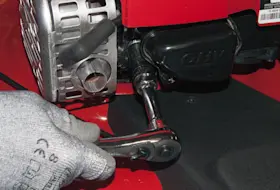
Credit: www.searspartsdirect.com
Tools Needed
Before you dive into changing the spark plug on your lawn mower, having the right tools ready can save you time and frustration. The right equipment not only makes the job easier but also helps you avoid damaging the mower or the new spark plug. Let’s look at what you need to get the job done efficiently and safely.
Essential Equipment
First, you’ll need a spark plug wrench or a deep socket wrench that fits your mower’s spark plug size. This tool allows you to loosen and tighten the spark plug without stripping it. A gap gauge is also important to check and adjust the spark plug gap to the manufacturer’s specifications.
Besides those, keep a clean rag handy to wipe away dirt around the spark plug area before removal. A small wire brush can help clean the spark plug threads and the area inside the engine if needed. Don’t forget to have a replacement spark plug that matches your mower’s engine model.
Safety Gear
Safety should never be overlooked. Always wear gloves to protect your hands from sharp edges and hot engine parts. Eye protection is crucial too, especially when cleaning the spark plug or working near the engine where debris can fly out unexpectedly.
If your mower just ran, wait until the engine cools down completely to avoid burns. Wearing closed-toe shoes is another simple yet effective way to protect your feet while working in the yard. Have you ever rushed a repair only to end up with minor cuts or burns? Taking these safety steps can prevent that.
Preparing The Lawn Mower
Preparing your lawn mower properly before changing the spark plug is essential for both your safety and the mower’s performance. Taking a moment to set things up right can save you from unexpected accidents and make the process smoother. Are you ready to get your hands dirty safely and efficiently?
Turn Off And Disconnect
First, ensure your lawn mower is completely turned off. If it has a gas engine, remove the key if it has one, or simply switch it off. Then, disconnect the spark plug wire from the spark plug itself—this prevents the engine from accidentally starting while you work.
It’s a small step, but it’s critical. I once skipped this and the mower jolted suddenly, which was a wake-up call on why safety can’t be overlooked.
Locate The Spark Plug
Finding the spark plug can sometimes be tricky if you’re new to lawn mower maintenance. Usually, it’s located on the side of the engine, sticking out with a thick wire attached to it. Look for a small, cylindrical part with a rubber boot covering the terminal end.
If you’re unsure, check your mower’s manual or look for a label on the engine housing—it often points you directly to the spark plug. Knowing exactly where it is saves you time and frustration, letting you focus on the task at hand instead of hunting around.
Removing The Old Spark Plug
Removing the old spark plug is a key step in keeping your lawn mower running smoothly. It might seem straightforward, but a careful approach prevents damage and saves you time. Before pulling out the spark plug, prepare the area and use the right tools to make the job easier and safer.
Clean The Area
Start by clearing away any dirt, grass, or debris around the spark plug. This prevents unwanted material from falling into the engine when you remove the plug. Use a soft brush or compressed air to gently clean the area.
Think about the last time you skipped this step—did you notice dirt inside the engine? Taking a few extra minutes to clean the spot can save you from costly repairs later.
Use The Spark Plug Wrench
Next, grab your spark plug wrench—this tool is designed to fit snugly around the plug for easy removal. Attach it firmly to the spark plug and turn counterclockwise to loosen it.
If the plug feels stuck, avoid using excessive force that could break it. Instead, try applying a little penetrating oil and wait a few minutes before trying again.
Does your wrench fit properly, or are you using an adjustable tool that slips? Using the correct size wrench ensures you don’t damage the plug or the engine’s threads.
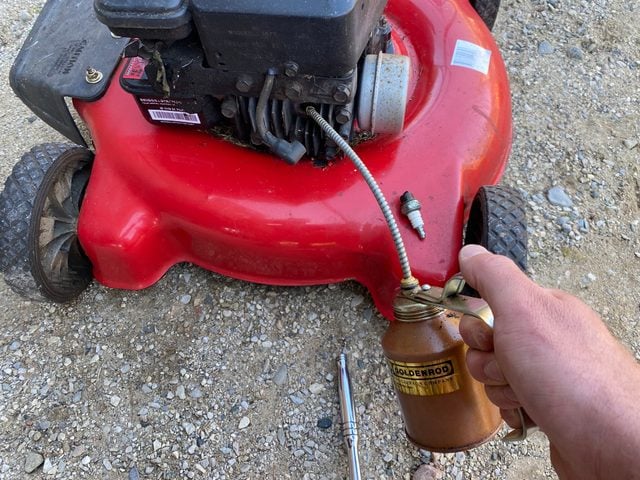
Credit: www.familyhandyman.com
Choosing The Right Spark Plug
Choosing the right spark plug is key to a lawn mower’s smooth running. A proper spark plug ensures easy starts and efficient fuel use. Using the wrong spark plug can cause engine trouble or damage.
Focus on finding a spark plug that matches your mower’s engine needs. The right plug fits well, delivers the right spark, and lasts longer.
Check Manufacturer’s Specs
Start by reading your lawn mower’s manual. The manufacturer lists the exact spark plug type needed. Specs include:
- Plug size and thread type
- Heat range
- Gap size
- Recommended brands or models
Follow these guidelines carefully. Using a spark plug outside these specs may harm the engine or reduce performance.
Types Of Spark Plugs
Several spark plug types exist. Each suits different engines and uses. Common types include:
- Copper:Good conductivity, affordable, but shorter life.
- Platinum:Longer lasting, better for moderate use.
- Iridium:Very durable, high performance, more expensive.
Choose a type that fits your mower’s engine and how often you use it. Iridium plugs last longest but cost more upfront.
Installing The New Spark Plug
Installing the new spark plug is a key step in keeping your lawn mower running smoothly. Proper installation ensures the engine starts easily and runs efficiently. Take your time to place the spark plug correctly and secure it firmly without damaging the threads.
Gap The Spark Plug Correctly
Check the spark plug gap before installation. Use a spark plug gap tool to measure the distance between the electrodes. The correct gap is usually listed in the lawn mower’s manual. Adjust the gap gently by bending the ground electrode. A proper gap helps the spark ignite the fuel-air mixture efficiently.
Hand-tighten And Secure
Start threading the spark plug by hand to avoid cross-threading. Turn the plug clockwise until it is snug. Use a spark plug wrench to tighten it further, but do not over-tighten. Over-tightening can strip the threads or damage the plug. A firm, hand-tightened fit ensures a good seal and proper engine function.
Testing The Lawn Mower
After replacing the spark plug, testing your lawn mower is crucial to ensure it runs smoothly. This step confirms that the new part is working correctly and helps you catch any lingering issues. Let’s focus on how to properly restart the mower and what to do if it doesn’t fire up as expected.
Reconnect And Start
First, reconnect the spark plug wire securely. A loose connection can prevent the engine from starting or cause it to misfire.
Next, check the fuel level and oil to make sure your mower is ready for operation. Pull the starter cord firmly and listen carefully.
If the engine starts quickly and runs without sputtering, you’ve done a great job changing the spark plug. If not, don’t rush to push the mower aside—there might be simple fixes.
Troubleshooting Common Issues
If the mower won’t start or runs poorly after changing the spark plug, consider these common problems:
- Incorrect spark plug gap:If the gap is too wide or narrow, the spark won’t ignite the fuel-air mix efficiently. Use a gap tool to measure and adjust it according to the manufacturer’s specs.
- Dirty or damaged spark plug:Even new plugs can be faulty. Look for cracks or deposits that could affect performance.
- Poor connection:Double-check the spark plug wire is firmly attached and free of corrosion.
- Fuel issues:Old or stale fuel can cause starting problems. Consider draining and replacing it if your mower has been idle for months.
Have you noticed your mower hesitating or smoking after a plug change? This often means the plug isn’t firing correctly or the fuel mixture is off. Don’t ignore these signs—addressing them early saves you from costly repairs later.
Maintaining Spark Plugs
Maintaining spark plugs in your lawn mower is key to smooth engine performance. Clean and healthy spark plugs help start the mower quickly and keep it running efficiently. Neglecting spark plugs can cause hard starts, poor fuel use, and engine misfires. Regular care keeps your mower in top shape and saves repair costs.
Regular Inspection
Check spark plugs every 25 hours of use or once a season. Look for signs like:
- Carbon deposits or soot on the electrode
- Worn or rounded electrodes
- Cracks in the ceramic insulator
- Oil or fuel fouling
Clean lightly with a wire brush if dirty. Use a gap gauge to ensure the electrode gap matches the mower’s manual. Replace if damaged or very worn.
When To Replace
Replace spark plugs about once a year or every 100 hours of use. Change sooner if you notice:
- Difficulty starting the mower
- Engine runs rough or stalls
- Reduced power or speed
- Excessive fuel consumption
Always use the correct spark plug type recommended by the mower’s manufacturer. Proper replacement keeps your mower reliable and extends engine life.

Credit: www.youtube.com
Frequently Asked Questions
How Often Should I Change The Spark Plug In A Lawn Mower?
It is recommended to change the spark plug every 25 to 50 hours of use. Regular replacement ensures better engine performance and easier starting. Always check your mower’s manual for specific intervals.
What Tools Do I Need To Change A Lawn Mower Spark Plug?
You will need a spark plug wrench or socket, a gap gauge, and a ratchet or wrench. Having a clean rag and spark plug boot puller can also help during the process.
How Do I Check If The Spark Plug Is Faulty?
Look for signs like a dirty, cracked, or worn electrode. If the mower is hard to start or runs rough, the spark plug may be faulty and needs replacement.
Can I Use Any Spark Plug For My Lawn Mower?
No, always use the spark plug type recommended by your mower’s manufacturer. Using the wrong plug can cause poor engine performance or damage.
Conclusion
Changing a spark plug keeps your lawn mower running well. It helps the engine start easily and work smoothly. Regular checks prevent problems and save money. Use the right tools and follow the steps carefully. Clean or replace the spark plug as needed.
This small task can make a big difference in mower performance. Take a few minutes to do it right. Your lawn mower will thank you with better power and longer life. Easy to do, and worth the effort.





