
Have you ever popped open your car’s hood and wondered just how many spark plugs are nestled inside? It’s a question that can puzzle even the most seasoned car owners.
Knowing the number of spark plugs in your car is more than just trivia; it’s vital for maintaining your vehicle’s performance and fuel efficiency. You might be surprised to learn that the answer can vary, depending on the type and model of your vehicle.
Understanding this simple aspect of your car can save you time and money in the long run. Stick around to discover how many spark plugs your car might have and why this knowledge is essential for your car’s health and your peace of mind.
Credit: www.chase.com
Spark Plug Basics
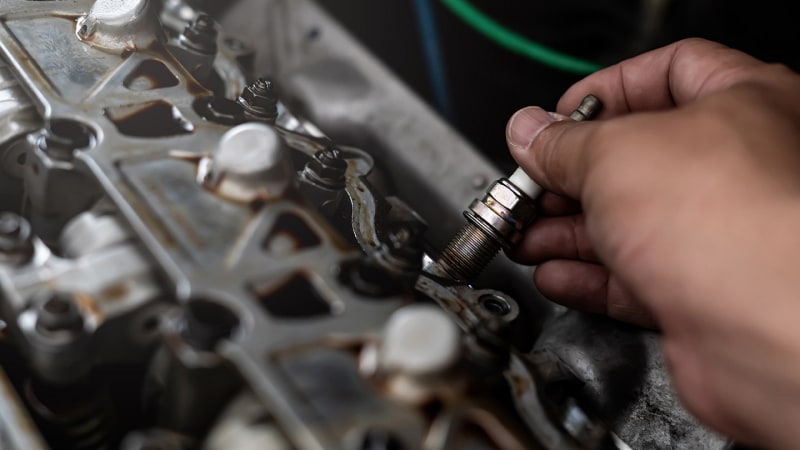
Spark plugs play a vital role in a car’s engine. They create the spark that ignites the air-fuel mixture. This ignition powers the engine to move the vehicle. Knowing the basics of spark plugs helps you understand your car better. It also helps in maintaining engine health and performance.
Role In Engine Performance
Spark plugs deliver the electrical spark inside the engine’s cylinders. This spark ignites the fuel-air mix to produce power. Good spark plugs ensure smooth engine starts and steady running. Faulty or worn plugs can cause misfires or poor fuel economy. They affect acceleration, power, and overall engine efficiency.
Types Of Spark Plugs
There are several types of spark plugs used in cars. Each type suits different engine designs and driving needs.
- Copper Spark Plugs:Basic type with good conductivity but shorter life.
- Platinum Spark Plugs:Last longer and resist wear better than copper.
- Iridium Spark Plugs:Most durable with excellent performance and fuel efficiency.
- Double Platinum Spark Plugs:Used in waste spark systems for longer life.
Choosing the right type depends on your car’s engine and manufacturer recommendations.
Determining Spark Plug Count
Understanding how many spark plugs your car has is key to maintaining its engine performance. The number of spark plugs directly affects how your engine fires and runs. Before replacing or checking spark plugs, you need to know the exact count based on your engine type.
Engine Cylinder Relationship
Each cylinder in a car’s engine typically has at least one spark plug. The spark plug ignites the air-fuel mixture inside the cylinder, causing combustion. So, the number of cylinders usually equals the number of spark plugs.
Some engines, however, use more than one spark plug per cylinder. This setup improves combustion efficiency and power output. You might find this in performance or newer engines designed for better fuel economy.
Common Cylinder Configurations
Cars commonly come with engines that have 3, 4, 6, or 8 cylinders. Here’s a quick look at typical spark plug counts for these:
| Engine Type | Cylinders | Spark Plugs | Notes |
|---|---|---|---|
| Inline-3 | 3 | 3 | One spark plug per cylinder |
| Inline-4 | 4 | 4 | Most common small engine setup |
| V6 | 6 | 6 or 12 | Some have dual spark plugs per cylinder |
| V8 | 8 | 8 or 16 | Performance engines often have two spark plugs each |
Have you ever checked your spark plugs and found more than expected? This often means your engine is designed for better combustion, which can affect maintenance schedules. Knowing your engine’s design helps you buy the right parts and keep your car running smoothly.
Factors Influencing Number Of Spark Plugs
The number of spark plugs in a car varies based on several key factors. These factors affect engine performance and fuel efficiency. Understanding them helps explain why some cars have more spark plugs than others.
Manufacturers design engines with different layouts and technologies. These choices impact how many spark plugs each engine needs. The goal is to achieve the best combustion and power output.
Engine Design Variations
Engine size and type play a major role in spark plug count. Smaller engines usually have one spark plug per cylinder. Larger or high-performance engines might have more.
Engines with more cylinders will naturally require more spark plugs. For example, a V8 engine has eight cylinders and usually eight spark plugs. Some engines have unique designs that need extra spark plugs for better ignition.
Use Of Dual Spark Plugs
Some engines use two spark plugs per cylinder, called dual spark plugs. This design improves combustion efficiency and power. It helps burn fuel more completely and reduces emissions.
Dual spark plugs are common in performance and modern engines. They provide better ignition control and smoother engine running. This system increases the total spark plug count significantly.
Signs You Need Spark Plug Replacement
Spark plugs play a key role in your car’s engine. They ignite the fuel and air mixture. Over time, spark plugs wear out and lose efficiency. Knowing the signs of worn spark plugs helps avoid engine problems and costly repairs.
Performance Symptoms
Worn spark plugs cause noticeable changes in how your car runs. Common symptoms include:
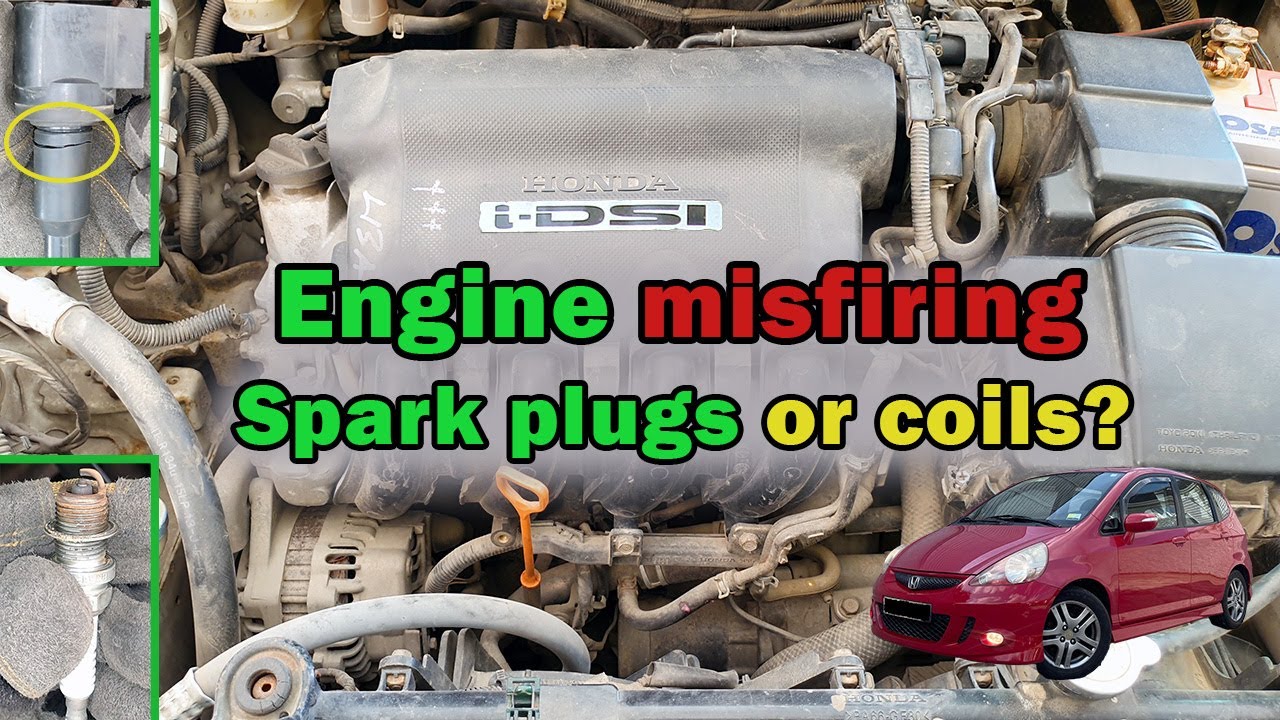
- Engine misfires or rough idling
- Difficulty starting the car
- Reduced fuel efficiency and power
- Engine hesitation during acceleration
- Increased exhaust emissions
Ignoring these signs can lead to bigger engine troubles. Pay attention to how your car performs daily.
Maintenance Intervals
Car manufacturers recommend spark plug replacement at specific intervals. These intervals vary by car make and model. Usually, spark plugs last between 30,000 and 100,000 miles.
Check your owner’s manual for exact timing. Regular maintenance keeps the engine running smoothly. Replacing spark plugs on time prevents poor performance and damage.
Choosing The Right Spark Plugs
Choosing the right spark plugs is key for your car’s engine to run smoothly. The correct spark plug improves fuel efficiency, engine power, and reduces emissions. Selecting the wrong type can cause misfires and poor performance. Understanding spark plug materials and heat range helps make the best choice.
Material Types
Spark plugs come in different materials. Each type affects durability and performance.
- Copper:Good conductor, affordable, but wears out faster.
- Platinum:Lasts longer than copper and resists corrosion.
- Iridium:Most durable and offers better performance with a longer life.
Choose a material that fits your car’s engine and driving habits.
Heat Range Importance
Heat range shows how fast a spark plug can remove heat from the tip. It affects engine temperature and spark plug life.
- Cold plugs:Remove heat quickly, good for high-performance or hot engines.
- Hot plugs:Retain heat longer, ideal for low-speed or cold engines.
Using the right heat range prevents fouling and overheating. Always follow the manufacturer’s heat range recommendation.
Installation Tips
Installing spark plugs might seem straightforward, but doing it right can save you from engine troubles down the road. Careless installation can lead to misfires, poor fuel efficiency, or even damage to the engine. Paying attention to the details during installation ensures your car runs smoothly and lasts longer.
Tools Required
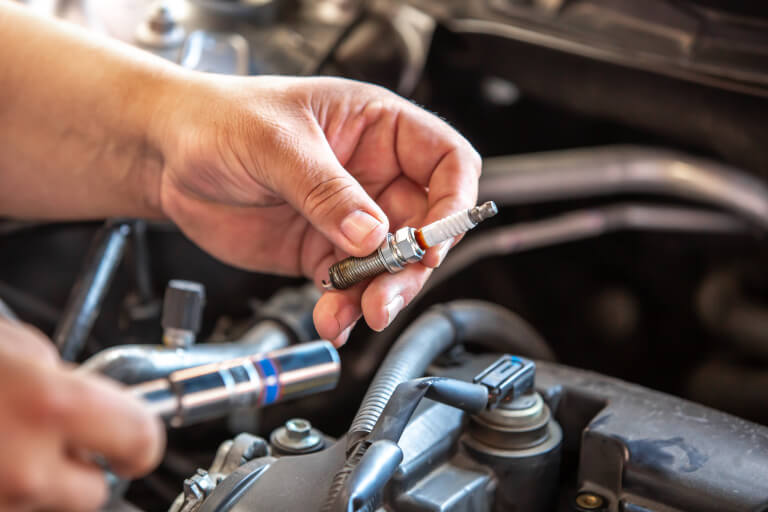
Having the right tools makes the job easier and safer. You’ll need a spark plug socket, which is usually deep and has a rubber insert to grip the plug firmly without damage.
Other essentials include a ratchet wrench, an extension bar for hard-to-reach spots, and a torque wrench to tighten plugs to the correct specification. Don’t forget a gap gauge to check the spark plug gap before installation.
Proper Torque And Gapping
Applying the right torque is crucial. Too tight and you risk stripping the threads or cracking the spark plug; too loose and it can cause misfires or poor compression.
Check your car’s manual for the exact torque setting. Using a torque wrench helps you reach this precision effortlessly.
Before installing, always check the spark plug gap with a gap gauge. The gap affects how well the spark ignites the fuel-air mixture. A gap that’s too wide or too narrow can cause starting issues and reduce engine efficiency.
Impact On Fuel Efficiency And Emissions
Spark plugs play a key role in how a car uses fuel and affects emissions. They create the spark that ignites the fuel-air mix in the engine. The number and condition of spark plugs influence engine performance, fuel economy, and pollution output.
Efficient combustion means better fuel use and lower emissions. Worn or dirty spark plugs cause incomplete combustion. This wastes fuel and increases harmful gases released into the air.
Role Of Spark Plugs In Combustion Efficiency
Spark plugs ignite the fuel-air mixture inside the engine cylinders. A strong spark ensures complete burning of fuel. Multiple spark plugs can improve combustion in some engines. Better combustion leads to higher fuel efficiency and fewer emissions.
Effect Of Spark Plug Number On Fuel Consumption
Engines with more cylinders need more spark plugs. Each cylinder requires a spark plug to ignite its fuel. Using the correct number of spark plugs ensures smooth engine operation. Too few or faulty plugs cause misfires, wasting fuel.
How Spark Plug Condition Influences Emissions
Old or dirty spark plugs produce weak sparks. Weak sparks cause incomplete fuel burning. This results in higher emissions of carbon monoxide and hydrocarbons. Regular spark plug maintenance reduces pollution and helps meet emission standards.
Signs Of Spark Plug Problems Affecting Fuel Efficiency
- Poor acceleration and engine hesitation
- Increased fuel consumption
- Rough idling or engine misfires
- Failed emissions tests
Maintaining Spark Plugs For Optimal Performance
Check spark plugs regularly as part of vehicle maintenance. Replace plugs according to the car manufacturer’s schedule. Use the right type and gap for your engine. Proper spark plug care helps save fuel and reduce emissions.
Credit: www.blackcircles.com
Credit: www.youtube.com
Frequently Asked Questions
How Many Spark Plugs Does A Typical Car Have?
Most cars have one spark plug per cylinder. A four-cylinder car usually has four spark plugs. V6 engines have six, while V8 engines have eight spark plugs.
Why Do Cars Need Multiple Spark Plugs?
Multiple spark plugs ensure efficient combustion in each cylinder. They help the engine run smoothly, improve fuel efficiency, and reduce emissions.
Can A Car Run With A Faulty Spark Plug?
Yes, but performance drops significantly. The engine may misfire, lose power, and consume more fuel. Timely replacement is important.
How Often Should Spark Plugs Be Replaced?
Spark plugs usually last between 30,000 to 100,000 miles. Check your car’s manual for specific intervals and replace them as recommended.
Conclusion
Most cars have one spark plug per cylinder. Engines with four cylinders usually have four spark plugs. Some cars with more cylinders have six, eight, or even twelve spark plugs. Knowing the number helps with maintenance and repairs. Changing spark plugs keeps your engine running smoothly.
Check your car manual to find the exact number. Regular care saves money and prevents car problems. Simple steps lead to better car performance. Spark plugs play a key role in engine health. Keep them clean and replace them on time.





