
Have you ever wondered how many spark plugs your vehicle needs? Knowing this simple detail can save you time, money, and even prevent engine problems.
Whether you’re a car enthusiast or just someone who wants to maintain your vehicle better, understanding spark plugs is key. You’ll discover exactly how many spark plugs your engine requires and why it matters for your car’s performance. Keep reading—you’ll be surprised how easy it is to get this right and keep your engine running smoothly.
Spark Plug Basics
Understanding spark plug basics is essential if you want to keep your engine running smoothly. These small parts play a big role in how your vehicle performs. Knowing what spark plugs do and the different types available can save you time and money when it’s time for maintenance.
What Spark Plugs Do
Spark plugs create the spark that ignites the air-fuel mixture inside your engine’s cylinders. This spark triggers combustion, which powers your car. Without a strong spark, your engine may misfire or run inefficiently.
Think about the last time your car hesitated or struggled to start. That could be a sign of worn-out spark plugs. Keeping them in good condition helps your engine start quickly and run cleanly.
Types Of Spark Plugs
Not all spark plugs are the same. Different types suit different engines and driving styles. Here are the common types you might encounter:
- Copper Spark Plugs:Affordable and reliable for older vehicles. They have a shorter lifespan but provide excellent conductivity.
- Platinum Spark Plugs:More durable than copper and last longer. Ideal if you want fewer replacements over time.
- Iridium Spark Plugs:The most durable and efficient. They offer better performance but come at a higher price.
- Double Platinum or Double Iridium:Designed for waste spark ignition systems. They provide enhanced durability on both electrodes.
Choosing the right type depends on your vehicle and how you drive. Have you checked your spark plugs lately? Understanding these basics can help you decide when and what to replace.
Engine Designs And Spark Plugs
The design of an engine shapes how many spark plugs it needs. Spark plugs ignite the fuel-air mix inside the engine’s cylinders. Different engine types have varying numbers of cylinders. This difference affects the total spark plug count and the ignition system’s complexity. Understanding these designs helps explain why some engines use more spark plugs than others.
Cylinder Count And Spark Plugs
Each cylinder in an engine usually has at least one spark plug. The cylinder count ranges from 2 in small engines to 12 or more in large engines. For example, a four-cylinder engine typically has four spark plugs. A V8 engine often has eight spark plugs, one per cylinder. More cylinders mean more spark plugs are needed to ignite the fuel.
Some engines use two spark plugs per cylinder. This setup improves combustion and engine efficiency. It also helps reduce emissions and smoothens engine performance. The total spark plug count depends on both cylinder number and spark plugs per cylinder.
Single Vs. Multiple Spark Plug Engines
Most engines use a single spark plug per cylinder. This design is simple and cost-effective. It works well for everyday driving needs. Single spark plug engines have fewer parts and less maintenance.
Engines with multiple spark plugs per cylinder offer better ignition control. Two spark plugs create a faster, more complete burn of the fuel mix. This can improve power and fuel efficiency. Such engines are common in performance cars and some motorcycles.
Multiple spark plug engines may need more frequent spark plug checks. The ignition system is more complex but can deliver better results. Choosing the right spark plug setup depends on the engine’s purpose and design.
Determining Spark Plug Quantity
Understanding how many spark plugs your engine needs is essential for proper maintenance and performance. The number isn’t random; it depends largely on the engine’s design. Knowing this helps you avoid overbuying or missing crucial replacements.
Matching Spark Plugs To Cylinders
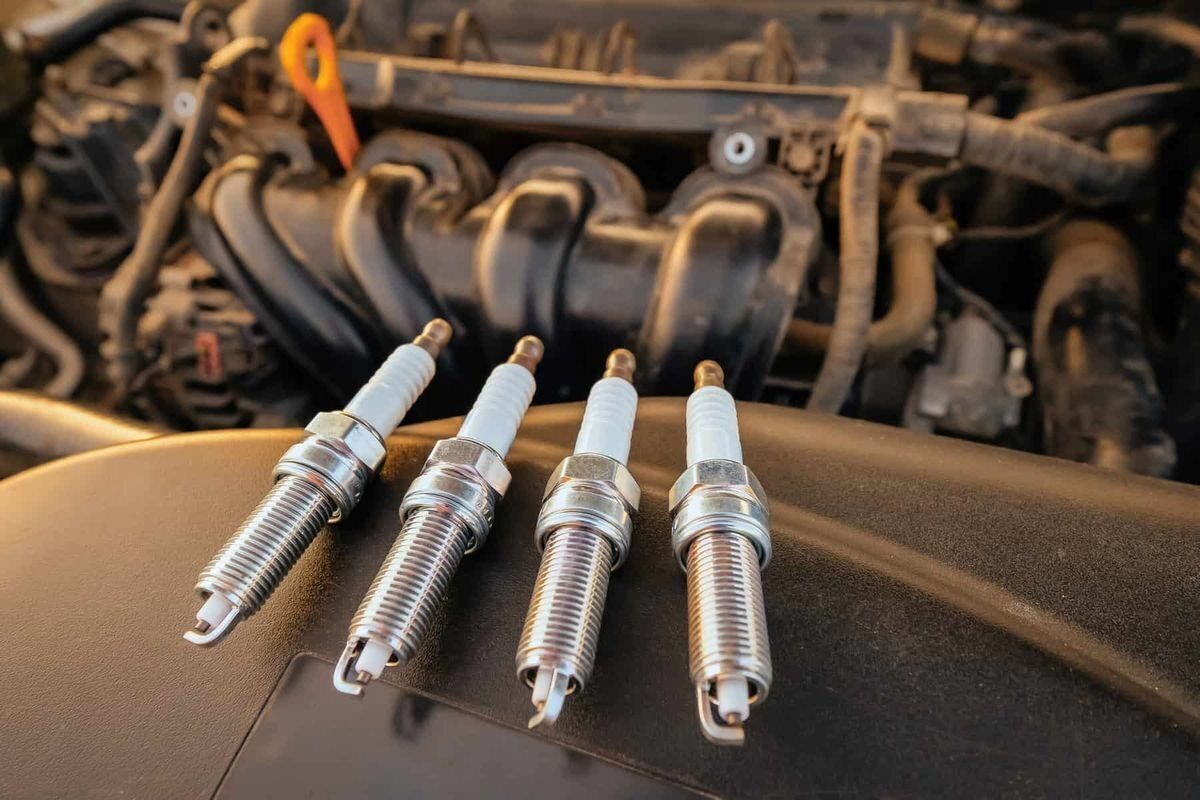
Most engines use one spark plug per cylinder. This means a four-cylinder engine typically requires four spark plugs, a six-cylinder needs six, and so on. The spark plug’s job is to ignite the air-fuel mixture inside each cylinder, so each one must have its own plug to fire efficiently.
Think about your car’s engine layout. If you have a V8 engine, expect to find eight spark plugs, one per cylinder. This direct match ensures each cylinder fires at the right time, maintaining smooth engine operation.
Exceptions To The Rule
Some engines use more than one spark plug per cylinder. High-performance or aviation engines often have two spark plugs per cylinder to improve combustion and reliability. This setup can enhance power and reduce the chance of engine misfires.
Diesel engines, however, usually don’t use spark plugs at all—they rely on compression to ignite fuel. This is a key exception to remember when counting spark plugs.
Have you checked your vehicle’s manual or engine specs to confirm your spark plug count? It’s a quick step that saves you time and money during maintenance.
Credit: www.westsideauto.com.au
Factors Influencing Spark Plug Needs
Spark plugs are essential for engine operation. The number of spark plugs needed varies by several factors. These factors affect engine performance, fuel efficiency, and maintenance. Understanding these elements helps choose the right spark plugs for your vehicle.
Engine Size And Performance
Engine size directly affects the number of spark plugs required. Larger engines usually have more cylinders. Each cylinder needs at least one spark plug to ignite the fuel-air mix. High-performance engines may use multiple spark plugs per cylinder. This setup improves combustion and power output. Small engines generally have fewer cylinders and fewer spark plugs.
Fuel Type And Engine Technology
Fuel type influences spark plug design and quantity. Gasoline engines typically use spark plugs to ignite fuel. Diesel engines do not use spark plugs but rely on compression ignition. Modern engines with advanced technologies might have more spark plugs. Technologies like direct injection or turbocharging may require special spark plug setups. The engine’s age and design also impact spark plug needs.
Signs You Might Need More Or Fewer Spark Plugs
Knowing the right number of spark plugs for your engine is important. Too many or too few spark plugs can cause problems. Your engine might show signs that it needs a change in spark plug count. These signs help you decide if adjustments are needed for better engine health.
Performance Issues
Engine misfires often signal spark plug problems. The engine may run rough or stall. Acceleration can feel weak or jerky. Sometimes, the engine struggles to start or runs unevenly. These issues hint that the spark plugs might not be working well. Using the wrong number of spark plugs can cause these symptoms.
Fuel Efficiency Concerns
Poor fuel economy often relates to spark plug problems. Your car may use more gas than usual. The engine might burn fuel unevenly. This wastes energy and raises fuel costs. Proper spark plug count helps fuel burn smoothly. Fewer or extra spark plugs can lower efficiency and increase emissions.
Credit: www.ebay.ca
Replacing And Maintaining Spark Plugs
Replacing and maintaining spark plugs is vital for your vehicle’s performance. Spark plugs ignite the fuel-air mix inside the engine cylinders. Worn or damaged plugs cause poor engine running and lower fuel efficiency. Regular checks keep your engine smooth and reliable.
When To Replace Spark Plugs
Spark plugs wear out over time due to heat and electrical stress. Most vehicles need new plugs every 30,000 to 100,000 miles. Check your owner’s manual for exact intervals. Signs of worn plugs include:
- Engine misfires or rough idling
- Hard starts or poor acceleration
- Decreased fuel efficiency
- Increased exhaust emissions
Visual inspection helps too. Look for worn electrodes or heavy deposits. Replace plugs that are cracked, fouled, or eroded.
Tips For Proper Installation
Correct installation ensures spark plugs work well and last longer. Follow these tips:
- Use the right spark plug type and gap size for your engine.
- Clean the spark plug hole before installation.
- Tighten plugs by hand first, then use a torque wrench.
- Do not overtighten; it can damage the threads.
- Apply a small amount of anti-seize compound on the threads if recommended.
- Reconnect spark plug wires or ignition coils securely.
Proper care saves time and avoids engine problems later.
Common Myths About Spark Plug Numbers
Spark plugs are vital for engine ignition. Many myths surround how many spark plugs an engine needs. These myths can confuse car owners and affect maintenance decisions. Clearing these misunderstandings helps maintain engine health and performance.
More Plugs Always Mean Better Performance
Many believe adding more spark plugs boosts engine power. This is not true. Engines are designed for a specific number of spark plugs. Extra plugs do not improve combustion or efficiency. They may cause damage or misfire issues. Proper spark plug count ensures optimal engine function.
All Engines Use The Same Number Of Spark Plugs
Not all engines have the same spark plug count. The number depends on engine design and cylinders. For example:
- Four-cylinder engines usually have four spark plugs.
- V6 engines use six spark plugs.
- Some high-performance engines use two plugs per cylinder.
Knowing your engine type helps find the correct spark plug number.

Credit: www.reddit.com
Frequently Asked Questions
How Many Spark Plugs Does A Car Engine Need?
Most car engines need one spark plug per cylinder. For example, a 4-cylinder engine uses four spark plugs. This ensures efficient ignition and smooth engine performance. Some engines, like V6 or V8, require six or eight spark plugs respectively.
Why Do Some Engines Have More Spark Plugs?
Engines with more spark plugs improve combustion efficiency. Dual spark plug systems ignite fuel better, reducing emissions and boosting power. This design is common in performance and some diesel engines. It helps achieve smoother running and better fuel economy.
How Often Should Spark Plugs Be Replaced?
Spark plugs should be replaced every 30,000 to 100,000 miles. This depends on the type of spark plugs and vehicle model. Regular replacement maintains engine efficiency, fuel economy, and prevents misfires. Always follow your car manufacturer’s maintenance schedule.
Can A Missing Spark Plug Affect Engine Performance?
Yes, a missing spark plug causes engine misfires and poor performance. The cylinder without a spark plug won’t ignite fuel properly. This leads to rough idling, reduced power, and increased fuel consumption. Immediate replacement is essential to avoid engine damage.
Conclusion
Understanding spark plugs is crucial for car maintenance. They ensure your engine runs smoothly. Regular checks can prevent costly repairs. Remember, the number of spark plugs depends on your engine type. Most cars have one per cylinder. Check your manual for exact details.
Keeping them in good condition boosts performance. It saves fuel too. Don’t ignore signs of wear like misfires. Replace spark plugs as needed. This simple task can enhance your driving experience. So, stay informed and keep your engine healthy.





