
Have you ever wondered what makes your car’s engine roar to life every time you turn the key? The answer lies in a small but powerful part called the spark plug.
Without spark plugs, your car simply wouldn’t start or run smoothly. You’ll discover exactly what spark plugs do, why they’re crucial for your vehicle, and how taking care of them can save you money and trouble down the road. Keep reading to unlock the secrets behind this tiny component that plays a huge role in your car’s performance.

Credit: beachautomotive.com
Role Of Spark Plugs
The spark plugs play a vital role in a car’s engine. They help start the engine and keep it running smoothly. Without spark plugs, the engine would not work properly. Each spark plug creates a tiny spark that ignites the fuel inside the engine. This ignition is necessary for the car to move. Understanding the role of spark plugs helps in maintaining a healthy engine and better performance.
Ignition Process
Spark plugs create a small electric spark. This spark lights the air-fuel mixture in the engine’s cylinders. The spark occurs at a precise moment to ensure the engine runs efficiently. It starts the combustion process, which powers the car. Without this spark, the engine cannot start or run.
Fuel Combustion
Fuel combustion happens when the spark ignites the fuel mixture. This combustion produces energy that moves the pistons inside the engine. The pistons’ movement generates power to turn the wheels. Proper combustion depends on the spark plug’s ability to create a strong spark. Weak or faulty spark plugs cause incomplete combustion and poor engine function.
Engine Performance
Good spark plugs improve engine performance and fuel efficiency. They ensure smooth starting and reduce engine misfires. Clean, working spark plugs help the engine run quietly and steadily. Worn-out spark plugs cause rough idling and poor acceleration. Regular inspection and replacement keep the engine in top shape.
Types Of Spark Plugs
Choosing the right type of spark plug can make a big difference in your car’s performance and fuel efficiency. Spark plugs come in various materials, each designed to suit different engine types and driving habits. Understanding these types helps you make smarter maintenance decisions and avoid unnecessary replacements.
Copper Spark Plugs
Copper spark plugs have a solid copper core and a nickel alloy outer shell. They are known for excellent conductivity, which helps in firing the engine efficiently. However, they tend to wear out faster than other types, usually lasting around 20,000 to 30,000 miles.
If you drive an older car or a vehicle with a simple ignition system, copper plugs might be a cost-effective choice. But if you want longer service life, you might want to look elsewhere.
Platinum Spark Plugs
Platinum spark plugs feature a platinum disc welded to the center electrode, enhancing durability and longevity. They last much longer than copper plugs, often reaching 60,000 miles or more before needing replacement. This makes them a practical option if you want fewer maintenance visits.
They also perform better at higher temperatures, which benefits modern engines that run hotter. Have you noticed smoother starts or better fuel economy after switching to platinum plugs? Many drivers report exactly that.
Iridium Spark Plugs
Iridium spark plugs use an even harder and more durable metal than platinum. Their fine-wire electrode allows for a more focused spark, improving combustion efficiency and engine responsiveness. Iridium plugs often last over 100,000 miles, making them a top choice for high-performance and newer engines.
They cost more upfront but can save you money over time by reducing fuel consumption and maintenance needs. Are you ready to invest in spark plugs that keep your engine running cleaner and stronger for longer?
Signs Of Faulty Spark Plugs
Faulty spark plugs can quietly sabotage your car’s performance without you realizing it immediately. Recognizing the signs early can save you from costly repairs and frustrating breakdowns. Here are some key symptoms to watch out for that indicate your spark plugs might need attention.
Engine Misfires
One of the most obvious signs of bad spark plugs is engine misfires. You might notice your car jerking or stumbling while driving, especially during acceleration.
This happens because the spark plugs fail to ignite the fuel-air mixture properly. If you feel your engine hesitating or hear unusual popping sounds, it’s time to check the spark plugs.
Poor Fuel Efficiency
Have you noticed your fuel gauge dropping faster than usual? Worn-out spark plugs can cause incomplete combustion, which leads to wasted fuel.
This means your car burns more gas to perform the same amount of work. If your mileage suddenly decreases without changes in driving habits, faulty spark plugs could be the culprit.
Difficulty Starting
Does your car take longer to start, or require multiple attempts before the engine fires up? This struggle often points to spark plug problems.
When plugs are dirty or worn, they can’t create a strong enough spark to ignite the fuel efficiently. You might find yourself spending extra time and effort just to get on the road.
Spark Plug Maintenance
Keeping your spark plugs in good shape is essential for your car’s smooth operation. Neglecting maintenance can lead to poor fuel efficiency, rough idling, and difficulty starting your engine. Regular care ensures your spark plugs fire correctly, helping your engine perform at its best.
Cleaning Tips
Cleaning spark plugs can extend their life and improve performance. Start by removing any carbon deposits with a wire brush or spark plug cleaner. Avoid using harsh abrasives that might damage the ceramic insulator.
Check for oil or fuel deposits as these can signal engine problems you may need to address. After cleaning, check the spark plug gap with a feeler gauge and adjust it to the manufacturer’s specifications for optimal firing.
Replacement Frequency
Knowing when to replace your spark plugs is key to avoiding engine trouble. Most manufacturers recommend replacing them every 30,000 to 50,000 miles, but some newer models can last up to 100,000 miles.
Listen for signs like engine misfires, poor acceleration, or increased fuel consumption—these often indicate worn plugs. Have your mechanic inspect them during routine service to catch problems early.
Choosing The Right Spark Plug
Selecting the correct spark plug is vital for your engine’s health. Different engines require specific plug types based on heat range, material, and size.
Consult your vehicle’s manual or ask a professional to ensure you pick the right one. Using an incorrect spark plug can cause misfires, reduce fuel efficiency, and even damage your engine over time.
Installing Spark Plugs
Installing spark plugs is a key part of car maintenance. Good spark plugs ensure the engine runs smoothly and efficiently. Replacing old or faulty spark plugs can improve fuel economy and engine performance.
Knowing how to install spark plugs correctly saves time and money. It also prevents engine problems caused by poor ignition. Follow these simple steps and use the right tools for the job.
Tools Needed
- Spark plug socket wrench
- Ratchet or wrench handle
- Torque wrench
- Spark plug gap gauge
- Dielectric grease
- Compressed air or brush
- Protective gloves
Step-by-step Installation
- Let the engine cool down before starting work.
- Use compressed air to clean around spark plugs.
- Remove the spark plug wire or coil carefully.
- Use the spark plug socket to unscrew the old plug.
- Check and adjust the gap on the new plug.
- Apply a small amount of dielectric grease to the plug boot.
- Insert the new spark plug and tighten by hand first.
- Use a torque wrench to tighten to the correct specification.
- Reconnect the spark plug wire or coil securely.
Common Mistakes To Avoid
- Over-tightening spark plugs can damage threads.
- Failing to check the spark plug gap causes poor ignition.
- Forgetting to clean the area may drop debris into the engine.
- Using the wrong spark plug type harms engine performance.
- Not applying dielectric grease can cause poor electrical contact.
- Pulling on wires instead of boots can damage ignition parts.

Credit: craigscarcare.com
Spark Plugs And Engine Types
Spark plugs play a vital role in various engine types. They ignite the air-fuel mixture to start the engine. Different engines require specific spark plug designs and functions. Understanding these differences helps in maintaining engine performance and efficiency.
Gasoline Engines
Gasoline engines rely on spark plugs to ignite fuel inside the cylinders. The spark plug creates a small spark at the right moment. This spark starts combustion, powering the engine.
Regular replacement of spark plugs keeps the engine running smoothly. Worn-out plugs can cause misfires and poor fuel economy.
Hybrid Vehicles
Hybrid cars combine gasoline engines with electric motors. Their gasoline engines still need spark plugs for combustion. These spark plugs often face less wear because the electric motor assists the engine.
Hybrid spark plugs are designed to last longer and handle different operating conditions. Proper care ensures better fuel efficiency and lower emissions.
Performance Cars
Performance cars use high-performance spark plugs for maximum power. These plugs provide stronger, more consistent sparks. They improve acceleration and engine response.
Special materials like iridium or platinum increase spark plug durability. This helps the engine handle higher temperatures and pressures.
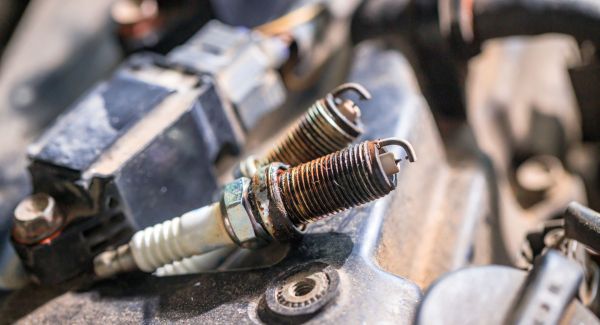
Credit: www.waynesgarageinc.net
Frequently Asked Questions
What Is The Main Function Of Spark Plugs In Cars?
Spark plugs ignite the air-fuel mixture inside engine cylinders. This ignition creates combustion, powering the engine and enabling the car to run efficiently.
How Often Should Spark Plugs Be Replaced?
Spark plugs typically last 30,000 to 100,000 miles. Replacement depends on driving conditions and spark plug type to maintain optimal engine performance.
What Happens If Spark Plugs Fail?
Failing spark plugs cause engine misfires, poor fuel economy, and rough idling. Timely replacement prevents engine damage and improves car reliability.
Can Bad Spark Plugs Affect Car Performance?
Yes, bad spark plugs reduce engine power and acceleration. They increase emissions and fuel consumption, leading to inefficient vehicle operation.
Conclusion
Spark plugs help start your car’s engine by creating sparks. They ignite the fuel and air inside the engine cylinders. Good spark plugs improve engine performance and fuel efficiency. Worn-out plugs can cause misfires and poor mileage. Regular checks and replacements keep your car running smoothly.
Understanding spark plugs helps you maintain your vehicle better. They are small but very important parts. Keep them clean and change them on time. Your car will thank you with better power and less trouble. Simple care goes a long way.





