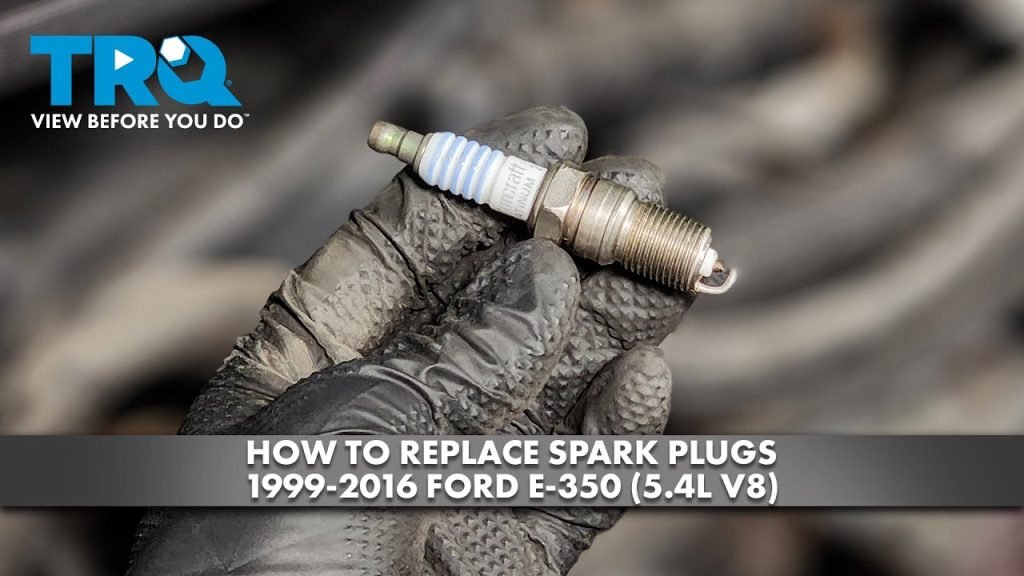
Ever popped the hood of your car and wondered about the intricate parts that keep it running smoothly? If you’re curious about V8 engines, you’re not alone.
One common question is, “How many spark plugs are in a V8 engine? ” This simple yet intriguing question might surprise you with its straightforward answer. Spark plugs play a crucial role in igniting the fuel-air mixture in your engine, ensuring your car runs efficiently.
Knowing how many are in a V8 can enhance your understanding of car maintenance and performance. Stick around to discover the surprising details that could even save you time and money in the long run. You might just find yourself impressing friends with your newfound knowledge about the heart of a V8 engine.
V8 Engine Basics
The V8 engine is a powerful and popular engine type used in many cars and trucks. It is known for its strong performance and smooth operation. Understanding the basics of this engine helps explain how many spark plugs it needs.
Engine Cylinder Configuration
A V8 engine has eight cylinders arranged in two banks. These banks form a “V” shape, usually set at a 90-degree angle. Each cylinder holds a piston that moves up and down to create power. The V shape helps balance the engine and save space.
Role Of Spark Plugs
Spark plugs create the spark needed to ignite the fuel-air mix in each cylinder. This spark causes combustion, which powers the engine. Every cylinder needs at least one spark plug to work properly. In a V8 engine, spark plugs play a vital role in keeping the engine running smoothly and efficiently.

Credit: www.ebay.com
Spark Plug Count In V8 Engines
The number of spark plugs in a V8 engine is a key detail for understanding its design and performance. Spark plugs ignite the air-fuel mixture inside the engine cylinders. Knowing how many spark plugs a V8 engine uses helps with maintenance and troubleshooting.
V8 engines have eight cylinders arranged in a V shape. Each cylinder needs at least one spark plug to function properly. But the exact count can vary depending on the engine’s design.
Standard Number Of Spark Plugs
Most V8 engines use one spark plug per cylinder. This means they have a total of eight spark plugs. Each plug fires independently to ignite the fuel in its cylinder. This setup is common in many cars, trucks, and SUVs with V8 engines.
Using one spark plug per cylinder simplifies the ignition system. It also makes replacements easier and more cost-effective. Mechanics can quickly identify and swap out faulty plugs without much hassle.
Variations By Engine Design
Some V8 engines use two spark plugs per cylinder. This design is known as a dual ignition system. It improves combustion efficiency and engine power. With two plugs per cylinder, a V8 engine can have up to sixteen spark plugs.
Dual spark plugs help engines run smoother and reduce emissions. Performance vehicles and some luxury models often use this design. It provides better fuel burning and can increase overall engine life.
Other variations may include different spark plug types or placements. But the common standard remains eight plugs or sixteen plugs for dual ignition V8 engines.
Types Of Spark Plug Setups
Understanding the types of spark plug setups in a V8 engine can help you appreciate how your engine ignites fuel efficiently. The setup you have impacts performance, fuel economy, and maintenance routines. Let’s break down the common types and see how they affect your engine’s behavior.
Single Spark Plug Per Cylinder
Most V8 engines use one spark plug per cylinder, totaling eight spark plugs. This setup is straightforward and reliable, making it the standard choice for many vehicles.
With one spark plug, ignition timing and fuel burn are simpler to manage. You get consistent performance and easier maintenance since there are fewer parts to check or replace.
However, this setup might not always provide the fastest or most complete combustion. Have you noticed your engine sometimes hesitates or uses more fuel? It could be due to this simpler spark configuration.
Dual Spark Plugs Per Cylinder
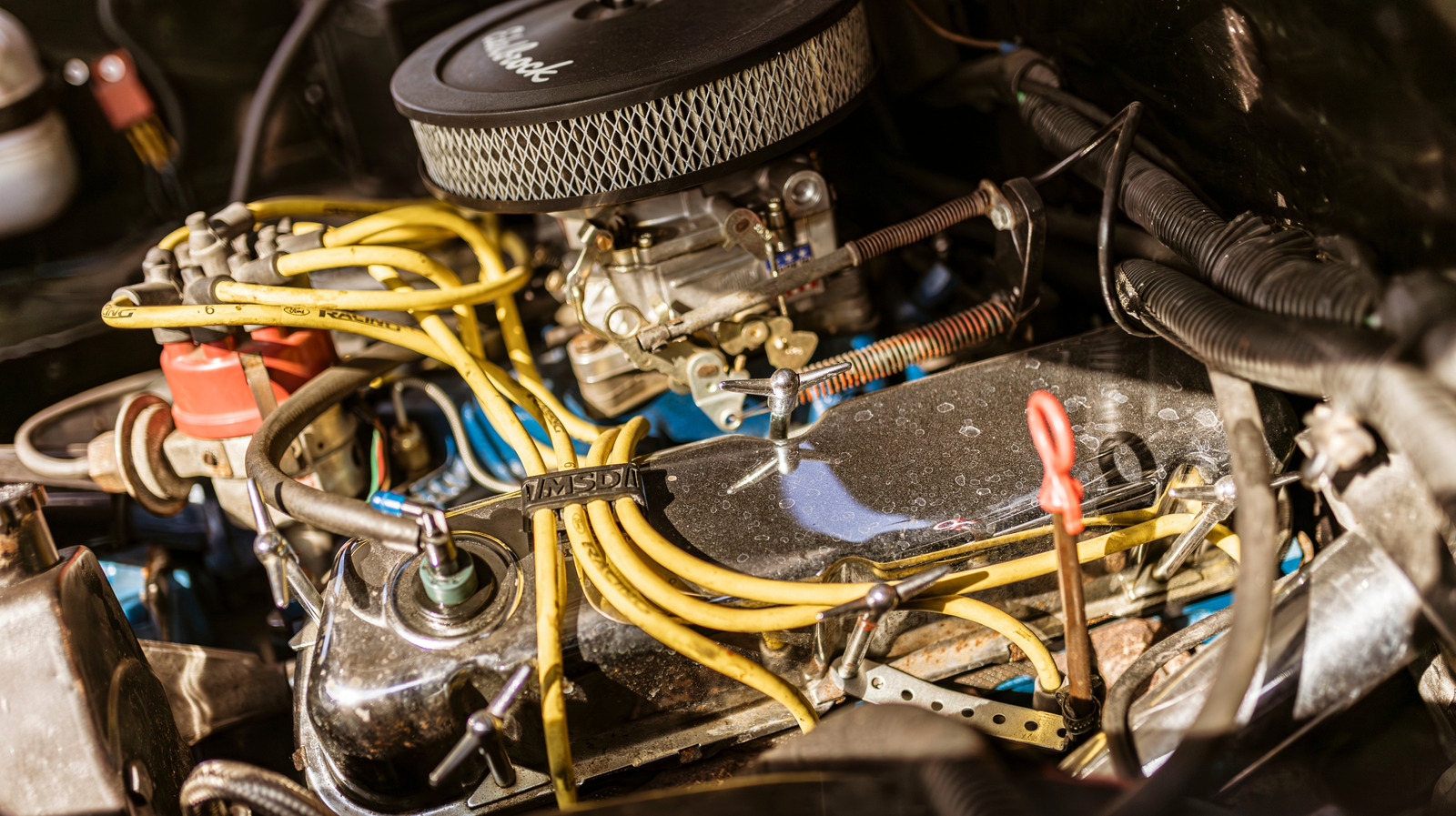
Some high-performance or specialized V8 engines use two spark plugs per cylinder, meaning 16 spark plugs in total. This design aims to improve combustion by igniting the fuel-air mix from two points simultaneously.
Dual spark plugs can lead to better fuel efficiency, smoother engine running, and lower emissions. You might see these setups in race cars or advanced street vehicles focusing on performance and economy.
Keep in mind, though, that dual setups increase maintenance since you have twice as many spark plugs to monitor and replace. Is the extra performance worth the added upkeep for your driving needs?
Credit: www.slashgear.com
Impact On Engine Performance
The number of spark plugs in a V8 engine directly influences how well the engine performs. Each spark plug plays a crucial role in igniting the air-fuel mixture inside the cylinders, and that ignition quality impacts everything from power to fuel consumption. Understanding this impact can help you appreciate why proper spark plug maintenance matters for your engine’s health and efficiency.
Combustion Efficiency
Each cylinder in a V8 engine typically has one spark plug, totaling eight spark plugs. These plugs ignite the fuel-air mix, creating controlled explosions that power your vehicle. When all spark plugs work properly, combustion happens smoothly and completely.
If a spark plug misfires or wears out, the combustion process becomes uneven. This leads to incomplete burning of fuel, which can cause rough idling, hesitation, or even engine knocking. Have you ever noticed your car hesitating during acceleration? That’s often a sign of poor combustion efficiency due to spark plug issues.
Power Output And Fuel Economy
Proper ignition from all spark plugs ensures your V8 engine delivers consistent power. When one or more plugs fail, the engine struggles to produce optimal horsepower. You might feel this as sluggish acceleration or difficulty climbing hills.
Fuel economy also drops when spark plugs don’t perform well. Incomplete combustion wastes fuel, meaning you spend more at the pump for less performance. Keeping your spark plugs clean and replaced on time helps maintain both power and efficiency, saving you money and frustration.
Maintenance And Replacement Tips
Keeping your V8 engine’s spark plugs in good shape is key to maintaining smooth performance and fuel efficiency. Regular maintenance and timely replacement can prevent engine misfires and costly repairs down the road. Let’s look at how you can spot worn spark plugs and know when to replace them to keep your engine running strong.
Signs Of Worn Spark Plugs
Have you noticed your engine hesitating or struggling to start? These could be signs that your spark plugs need attention. Other common symptoms include:
- Rough idling or engine misfires
- Decreased fuel efficiency
- Difficulty accelerating or loss of power
- Unusual engine noises, such as knocking
Worn spark plugs often have visible signs like carbon buildup, worn electrodes, or cracks in the ceramic insulator. If you spot any of these, it’s time to consider replacing them.
Recommended Replacement Intervals
How often should you replace spark plugs in a V8 engine? It depends on the type of spark plugs your vehicle uses. Standard copper spark plugs typically last about 20,000 to 30,000 miles, while platinum or iridium plugs can last up to 60,000 to 100,000 miles.
Check your vehicle’s owner manual for manufacturer recommendations. If you drive in harsh conditions—like extreme heat, heavy traffic, or dusty environments—you might need to replace them more frequently. Keeping track of your mileage and spark plug condition helps avoid unexpected engine trouble.
Common Myths About Spark Plugs In V8s
Spark plugs play a crucial role in V8 engines, but many myths surround their number and function. These myths create confusion for car owners and enthusiasts alike. Clearing up wrong ideas helps in maintaining engines properly and improving performance.
Understanding what is true and what is false about spark plugs in V8 engines saves time and money. It also ensures that your engine runs smoothly and efficiently.
Myth Vs. Reality
- Myth:A V8 engine has eight spark plugs total.
Reality:Most V8 engines have one spark plug per cylinder, so eight spark plugs in total. Some performance engines use two per cylinder, making sixteen spark plugs. - Myth:Spark plugs last forever and never need replacement.
Reality:Spark plugs wear out and need changing every 30,000 to 100,000 miles, depending on type and usage. - Myth:All spark plugs are the same.
Reality:Spark plugs vary by heat range, size, and material, affecting engine performance and fuel efficiency.
Expert Insights
Mechanics say using the correct spark plugs is vital for V8 engines. Wrong plugs can cause misfires and reduce power. Experts recommend checking the owner’s manual for the right type and replacement schedule.
Technicians stress regular inspection of spark plugs. Dirty or worn plugs lead to poor fuel economy and rough idling. Changing spark plugs at the right time keeps the engine healthy.
Some V8 engines use two spark plugs per cylinder for better combustion. This setup improves power and lowers emissions. Experts advise understanding your engine design before replacing spark plugs.

Credit: www.youtube.com
Frequently Asked Questions
How Many Spark Plugs Does A V8 Engine Have?
A V8 engine typically has eight spark plugs. One spark plug ignites the air-fuel mixture in each cylinder. Since there are eight cylinders, there are eight spark plugs. This setup ensures efficient combustion and optimal engine performance.
Why Does A V8 Engine Need Eight Spark Plugs?
Each cylinder in a V8 engine requires one spark plug to ignite fuel. Eight cylinders mean eight spark plugs. This ensures each cylinder fires properly, providing smooth power delivery and balanced engine operation.
Can A V8 Engine Run With Fewer Spark Plugs?
A V8 engine can run with fewer spark plugs but will lose power and efficiency. Missing spark plugs cause misfires, rough idling, and increased emissions. For optimal performance, all eight spark plugs should be functional.
How Often Should Spark Plugs Be Replaced In A V8 Engine?
Spark plugs in a V8 engine should be replaced every 30,000 to 100,000 miles. The exact interval depends on the spark plug type and driving conditions. Regular replacement maintains engine efficiency and prevents misfires.
Conclusion
A V8 engine has eight spark plugs, one per cylinder. These plugs help start the engine and keep it running smoothly. Knowing this helps with maintenance and repairs. Regularly checking spark plugs improves engine performance. Simple care can save money and avoid bigger problems.
Remember, each plug plays a small but key role. Keep them clean and replace when needed. This keeps your V8 engine strong and efficient.





