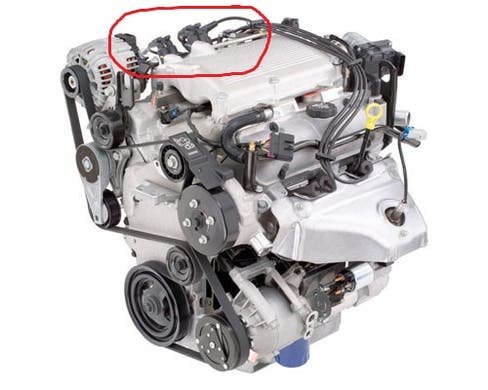
Have you ever popped the hood of your car and wondered about the magic happening underneath? If you’re driving a V6 engine, one of the mysteries you might be curious about is the spark plugs.
How many are there, and why do they matter? Understanding this can not only satisfy your curiosity but also save you time and money on maintenance. Dive into this article to discover the answer, and empower yourself with knowledge that keeps your engine running smoothly and efficiently.
Ready to learn more? Let’s jump right in!

Credit: www.youtube.com
Spark Plug Basics
Spark plugs may seem small, but they play a huge role in how your V6 engine runs. Understanding the basics of spark plugs helps you know why your engine needs the right number and type of plugs. This knowledge can improve your car’s performance and save you money on repairs.
Role In Engine Performance
Spark plugs create the spark that ignites the air-fuel mixture inside each cylinder. Without this spark, your engine wouldn’t start or run smoothly.
Each cylinder in your V6 engine needs its own spark plug to fire at the right time. If a spark plug is worn or damaged, it can cause misfires, reduce fuel efficiency, and increase emissions.
Think about a time when your car hesitated or stumbled while accelerating. Often, that’s a sign that a spark plug is failing. Keeping your spark plugs in good shape ensures your engine runs efficiently and reliably.
Types Of Spark Plugs
There are several types of spark plugs, and choosing the right one matters for your engine’s health. Common types include:
- Copper:Offers good conductivity but wears out faster.
- Platinum:Lasts longer and provides better performance than copper.
- Iridium:The most durable and efficient, often found in newer vehicles.
Your car’s manual usually recommends the best spark plug type for your V6 engine. Using the wrong type can affect how well your engine performs and how long the plugs last.
Have you checked what kind of spark plugs your car uses? Understanding this can help you make smarter maintenance choices and keep your engine running strong.
V6 Engine Configuration
The V6 engine is a popular choice in many cars and trucks. It offers a balance of power and fuel efficiency. This engine has six cylinders arranged in a unique pattern. Understanding its layout helps explain how many spark plugs it uses.
Cylinder Arrangement
A V6 engine has six cylinders set in two banks. These banks form a “V” shape, usually at a 60 or 90-degree angle. Each bank holds three cylinders. This design helps save space under the hood and keeps the engine compact.
The V shape allows smooth engine operation. It also contributes to better weight distribution in the vehicle. This arrangement is common in mid-size and larger vehicles.
Impact On Spark Plug Count
Each cylinder in a V6 engine needs at least one spark plug. The spark plug ignites the fuel-air mix for combustion. Since there are six cylinders, the engine requires six spark plugs minimum.
Some engines use two spark plugs per cylinder. This improves combustion and engine efficiency. In such cases, a V6 engine would have 12 spark plugs. But most standard V6 engines have six spark plugs total.
Typical Spark Plug Count In V6
The typical spark plug count in a V6 engine is a key detail for many car owners and enthusiasts. Understanding this helps in maintenance and ensures the engine runs smoothly. Most V6 engines have a standard number of spark plugs, but some variations exist depending on the manufacturer and engine design.
Standard Setup
Most V6 engines use six spark plugs, one for each cylinder. This setup allows each cylinder to ignite the air-fuel mixture efficiently. Six spark plugs provide a balance of power and fuel efficiency for typical V6 engines.
Variations By Manufacturer
Some manufacturers design V6 engines with 12 spark plugs. This means two spark plugs per cylinder. Dual spark plugs improve combustion and reduce emissions in certain engines.
Other V6 engines stick with the standard six plugs but use different spark plug types. The design depends on the engine’s technology and performance goals.

Credit: www.ebay.ca
Factors Affecting Spark Plug Numbers
The number of spark plugs in a V6 engine depends on several key factors. These factors influence engine design, performance, and ignition system type. Understanding these elements helps explain why spark plug counts may vary.
Engine technology and ignition methods play a big role in determining spark plug numbers. Also, performance needs and fuel efficiency goals impact the setup. Exploring these factors shows the reasoning behind different spark plug configurations.
Direct Vs. Distributor Ignition
Traditional distributor ignition systems usually use one spark plug per cylinder. This means a V6 engine typically has six spark plugs. The distributor sends the spark to each plug in turn.
Direct ignition systems can have more than one spark plug per cylinder. Some V6 engines use two spark plugs per cylinder to improve combustion. This results in twelve spark plugs total for a V6.
Direct ignition offers better control of spark timing. It reduces energy loss and improves reliability. This is why many modern V6 engines use direct ignition with multiple spark plugs.
Performance And Efficiency Considerations
Adding extra spark plugs can enhance engine performance. It helps burn fuel more completely and evenly. This leads to smoother operation and better power output.
Engines designed for higher efficiency may have multiple plugs per cylinder. This arrangement reduces emissions and improves fuel economy. More spark plugs help achieve cleaner and more stable combustion.
However, more spark plugs mean higher maintenance costs. They require regular inspection and replacement. The balance between performance and cost influences the final spark plug count.
Maintenance Tips For Spark Plugs
Maintaining your spark plugs is key to keeping your V6 engine running smoothly. They might be small components, but their performance impacts fuel efficiency, engine power, and overall reliability. Paying attention to their condition can save you from costly repairs down the road.
When To Replace
Most spark plugs last between 30,000 to 100,000 miles, depending on the type and manufacturer. Check your vehicle’s manual for specific recommendations tailored to your V6 engine. If you’re unsure, setting a reminder every 30,000 miles to inspect your plugs is a smart move.
Have you noticed a drop in fuel economy or engine misfires? These can be signs it’s time to replace your spark plugs earlier than scheduled. Waiting too long can cause more stress on your engine and reduce overall performance.
Signs Of Wear And Damage
Look closely at your spark plugs during routine inspections. Worn spark plugs often have eroded electrodes, heavy carbon buildup, or oil deposits. Any cracks or chips on the ceramic insulator indicate damage that requires immediate replacement.
Another sign is if your engine struggles to start or runs roughly at idle. These symptoms often point to spark plugs that aren’t firing properly. Checking and replacing damaged spark plugs can quickly restore your engine’s smooth operation.
Upgrading Spark Plugs In V6 Engines
Upgrading spark plugs in your V6 engine can significantly impact your vehicle’s performance and fuel efficiency. Choosing the right spark plug and understanding the benefits of high-performance options can help you get the most out of your engine. Let’s break down what you need to know to make an informed choice and improve your driving experience.
Choosing The Right Plug
Not all spark plugs are created equal. Your V6 engine requires spark plugs that match its specifications for optimal ignition and combustion. Look at the heat range, electrode material, and gap size to find plugs suited for your engine’s design and driving conditions.
Consider iridium or platinum spark plugs for longer life and better conductivity. These materials resist wear and provide a more consistent spark compared to traditional copper plugs. Also, check your vehicle manual or consult a trusted mechanic to avoid mismatched plugs that could harm engine performance.
Benefits Of High-performance Plugs
High-performance spark plugs can boost your V6 engine’s power output and throttle response. They create a stronger, more reliable spark that helps fuel burn more completely. This can lead to smoother acceleration and improved fuel economy.
Many drivers notice reduced engine misfires and easier cold starts after upgrading. If you want your engine to run cleaner and last longer, investing in high-performance plugs is a practical choice. Have you ever wondered why some cars feel more responsive? The spark plug upgrade might be the simple change behind it.

Credit: www.reddit.com
Frequently Asked Questions
How Many Spark Plugs Does A V6 Engine Have?
A V6 engine typically has six spark plugs, one for each cylinder. This setup ensures efficient ignition and combustion for all cylinders.
Why Do V6 Engines Need Six Spark Plugs?
Each cylinder requires one spark plug to ignite the air-fuel mixture. Six cylinders mean six spark plugs for optimal engine performance.
Can A V6 Engine Run With Fewer Spark Plugs?
Running with fewer spark plugs can cause misfires and poor performance. It is essential to have all six spark plugs functioning.
How Often Should V6 Spark Plugs Be Replaced?
V6 spark plugs should be replaced every 30,000 to 100,000 miles, depending on the type. Regular maintenance keeps the engine running smoothly.
Conclusion
A V6 engine usually has six spark plugs, one per cylinder. These plugs help start the engine and keep it running smoothly. Knowing the number of spark plugs helps with maintenance and repairs. Changing spark plugs regularly improves engine performance and fuel efficiency.
Always check your vehicle’s manual for exact details. Simple care keeps your engine healthy and saves money. Spark plugs are small but play a big role in your car’s life. Easy to understand, right? Now you know how many spark plugs a V6 engine needs.





