Have you ever felt your car sputtering during a morning drive or noticed a drop in fuel efficiency? These can be signs that your spark plug might be failing.
Understanding how to tell if a spark plug is bad can save you time, money, and potential headaches down the road. You don’t need to be a mechanic to recognize the telltale signs of a faulty spark plug. With just a little know-how, you can keep your vehicle running smoothly.
Are you ready to discover the secrets that could help your car perform at its best? Read on to learn the simple checks you can do yourself to ensure your spark plugs are in top condition.

Credit: www.dodgedurango.net
Common Spark Plug Problems
Identifying common spark plug problems is key to keeping your engine running smoothly. Faulty spark plugs can cause poor fuel economy, rough idling, and difficulty starting your vehicle. Knowing what to look for can save you time and money on repairs.
Worn Electrodes
Over time, the electrodes on your spark plug wear down due to constant sparking. This wear increases the gap between the electrodes, making it harder for the spark to jump. You might notice your engine misfires or struggles to accelerate when this happens.
Have you checked the gap on your spark plugs lately? Even a small change can affect performance.
Carbon Deposits
Black, sooty carbon deposits on the spark plug tip usually mean your engine is running too rich or your air filter is clogged. These deposits prevent the spark from firing properly, causing rough idling and reduced power. Cleaning or replacing the spark plug can often fix this issue quickly.
Pay attention if your fuel consumption suddenly increases—it might be time to inspect the plugs for carbon buildup.
Oil Fouling
If you see oily residue on your spark plugs, oil is leaking into the combustion chamber. This fouling can cause misfires and make your engine hard to start. It often points to worn piston rings or valve seals, which need immediate attention.
Don’t ignore oily spark plugs; they’re a sign of deeper engine problems that could cost you more if left untreated.
Overheating Signs
Overheated spark plugs appear white or blistered, indicating excessive heat in the combustion chamber. This can lead to pre-ignition and engine knocking, harming your engine’s longevity. Causes include incorrect spark plug heat range or ignition timing issues.
Are you using the right spark plugs for your vehicle? Using plugs with the wrong heat rating can cause serious damage.
Symptoms Of A Failing Spark Plug
Recognizing the symptoms of a failing spark plug can save you from costly repairs and keep your vehicle running smoothly. Spark plugs play a crucial role in igniting the fuel-air mixture in your engine. When they start to wear out, your car will show clear signs that it’s time for a replacement.
Engine Misfires
An engine misfire feels like your car is hesitating or jerking while driving. This happens because a bad spark plug can’t ignite the fuel properly. You might notice a sudden loss of power or a rough shake, especially when accelerating.
Have you ever experienced your car stalling unexpectedly? That’s often linked to misfiring spark plugs. Ignoring this symptom can lead to damage in other engine components.
Poor Fuel Economy
Do you find yourself filling up your gas tank more often than usual? Faulty spark plugs can cause incomplete combustion, making your engine burn more fuel than necessary. This means you’re paying more at the pump for less performance.
Improving fuel efficiency starts with ensuring your spark plugs are firing correctly. Checking this simple part can make a noticeable difference in your mileage.
Hard Starting
Struggling to start your car on chilly mornings or after it’s been sitting for a while? Worn-out spark plugs can make ignition difficult because they fail to generate a strong spark. This issue might become more frequent as the plugs degrade.
If your vehicle hesitates or requires multiple attempts to start, don’t ignore it. Timely replacement of spark plugs can restore quick and reliable starts.
Rough Idling
When your engine idles roughly, it feels like it’s shaking or sputtering while stationary. This is a classic sign that one or more spark plugs aren’t functioning properly. The inconsistent spark causes uneven combustion, leading to vibrations.
Have you noticed your dashboard warning lights turning on during idle? Rough idling often triggers these alerts, signaling a spark plug or ignition issue. Pay attention to this symptom to avoid further engine stress.
Visual Inspection Tips
Visual inspection is a quick way to check if a spark plug is bad. It helps spot problems without special tools. A careful look can reveal worn parts, dirt, or damage. This saves time and prevents engine issues.
Removing The Spark Plug Safely
Start by turning off the engine and letting it cool. Use a spark plug socket to avoid damage. Turn the plug counterclockwise to loosen it. Keep the area clean to stop dirt from entering the engine. Handle the plug gently to avoid breaking it.
Checking Electrode Condition
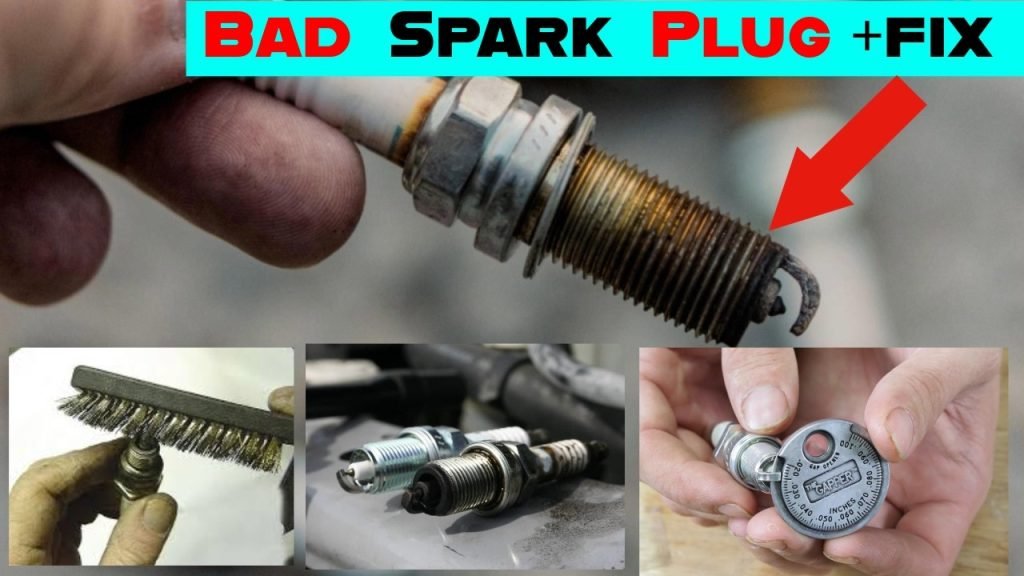
Look at the electrode at the plug’s tip. It should be smooth and intact. Rounded or worn electrodes mean the plug is old. Cracks or breaks show the plug needs replacing. The gap between electrodes must be even and correct.
Identifying Deposits And Damage
Check for any buildup on the plug’s surface. Light tan or gray deposits are normal. Black, oily, or sooty deposits signal engine problems. White, blistered spots may show overheating. Rust, cracks, or melted parts mean the plug is bad.
Performance Tests To Try
Performance tests are key to figuring out if a spark plug is underperforming or failing. They give you clear signs that go beyond just guessing based on how your engine feels. These tests can be done with simple tools and a bit of patience, helping you avoid costly repairs down the line.
Spark Test
The spark test lets you see if your spark plug produces a strong, consistent spark. To do this, remove the plug and connect it to the ignition wire. Ground the plug’s metal part against the engine block and crank the engine.
You should see a bright blue spark jump across the electrode gap. If the spark is weak, yellow, or nonexistent, the plug likely needs replacement. This test can quickly reveal if your spark plug is firing properly under real conditions.
Resistance Check
Checking resistance involves measuring the electrical resistance of the spark plug with a multimeter. Set the meter to the ohms setting and place the probes on the terminal and the threaded end of the plug.
A healthy spark plug usually shows resistance between 4,000 and 8,000 ohms, but this varies by model. A very high or infinite reading means the plug’s internal wire is broken, while too low resistance might cause misfires.
Compression Test
While not directly testing the spark plug, a compression test tells you if the engine cylinders are sealing properly, affecting spark plug performance. Use a compression gauge screwed into the spark plug hole and crank the engine to get a pressure reading.
Low compression in a cylinder can make it seem like the spark plug is bad when the problem is actually with the engine itself. This test helps you pinpoint the real issue so you don’t replace parts unnecessarily.
When To Replace Spark Plugs
Spark plugs play a vital role in your engine’s performance. Knowing the right time to replace them keeps your vehicle running smoothly. Replacing spark plugs at the right moment prevents engine problems and saves money on repairs.
Manufacturer Recommendations
Car makers provide specific guidelines for spark plug replacement. These vary by vehicle model and spark plug type. Always check your owner’s manual for exact advice. Following these instructions ensures optimal engine health and efficiency.
Mileage Guidelines
Most spark plugs last between 30,000 and 100,000 miles. Standard copper plugs often need replacement closer to 30,000 miles. Platinum or iridium plugs usually last much longer, near 100,000 miles. Tracking your mileage helps you plan timely replacements.
Signs You Shouldn’t Ignore
- Engine misfires or rough idling
- Difficulty starting the car
- Reduced fuel efficiency
- Poor acceleration or power loss
- Unusual engine noises
These symptoms often indicate worn or damaged spark plugs. Addressing them quickly avoids bigger engine troubles.
Credit: www.toyotanation.com
Preventive Measures
Preventing spark plug problems saves time and money. Taking simple steps helps your engine run smoothly. These measures extend the life of spark plugs and improve car performance.
Regular Maintenance
Check spark plugs regularly to spot issues early. Clean or replace them as needed. Follow the vehicle’s service schedule. Regular checks prevent buildup and wear. Use a spark plug gap tool to keep the gap correct. This ensures better ignition and fuel efficiency.
Using Quality Fuel
Choose fuel that meets your car’s requirements. Poor-quality fuel causes deposits on spark plugs. These deposits reduce performance and cause misfires. Using clean fuel keeps the engine parts cleaner. It also helps maintain spark plug life and engine power.
Proper Installation
Install spark plugs with care to avoid damage. Use the correct tools and torque settings. Tighten plugs to the manufacturer’s specifications. Loose plugs cause poor contact and misfires. Over-tightening can crack the plug or damage threads. Proper installation ensures good engine performance and longer plug life.

Credit: www.reddit.com
Frequently Asked Questions
How Do I Know If A Spark Plug Is Bad?
A bad spark plug causes engine misfires, poor fuel economy, and rough idling. Check for worn electrodes or heavy deposits. If your car struggles to start or feels sluggish, the spark plug may need replacement.
What Causes Spark Plugs To Fail Prematurely?
Spark plugs fail early due to fouling, overheating, or improper gap size. Using low-quality fuel or ignoring maintenance also leads to damage. Regular inspections and timely replacements prevent premature failure and keep your engine running smoothly.
Can A Bad Spark Plug Damage My Engine?
Yes, a bad spark plug can cause engine misfires and poor combustion. This leads to increased emissions, reduced power, and potential damage to the catalytic converter. Fixing spark plug issues promptly protects your engine’s health and performance.
How Often Should I Replace Spark Plugs?
Replace spark plugs every 30,000 to 100,000 miles, depending on the type and vehicle. Consult your owner’s manual for specific intervals. Regular replacement ensures optimal engine performance and fuel efficiency.
Conclusion
Knowing how to spot a bad spark plug saves time and money. Watch for rough engine starts, poor fuel economy, or engine misfires. Check the spark plug’s color and shape regularly. Clean or replace worn plugs to keep your car running smooth.
Simple checks help avoid bigger engine problems later. Keep your vehicle healthy with regular spark plug care. Small steps make a big difference in car performance. Stay alert and act fast to maintain your engine’s power.





