Imagine you’re ready to hit the road, but your engine hesitates. It sputters, coughs, and refuses to spring to life.
Frustrating, right? You might suspect something is wrong, and often, a fouled spark plug is the culprit. But how can you tell if a spark plug is fouled? Knowing the signs can save you time, money, and headaches. You’ll discover simple tips to identify a fouled spark plug before it leaves you stranded.
With this knowledge, you can keep your vehicle running smoothly and avoid unexpected breakdowns. Curious to learn more? Let’s dive in and ensure your spark plugs are in top shape!
Credit: finntrail.com
Signs Of A Fouled Spark Plug
Recognizing the signs of a fouled spark plug is key to maintaining your vehicle’s health and avoiding costly repairs. A fouled spark plug can disrupt your engine’s performance, but the clues it leaves behind are often visible and measurable. Paying attention to these signs can help you act quickly and keep your car running smoothly.
Visual Clues On The Spark Plug
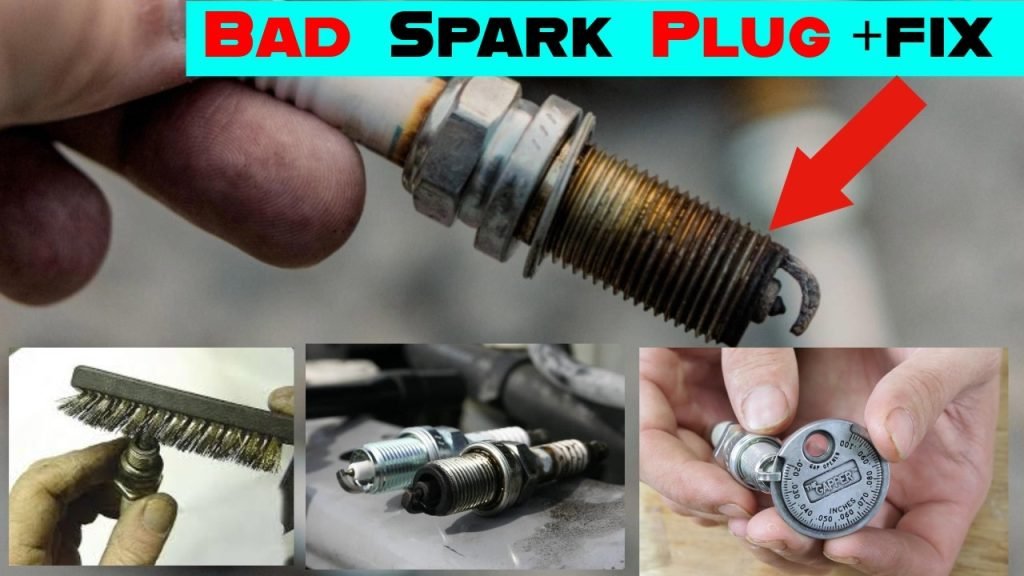
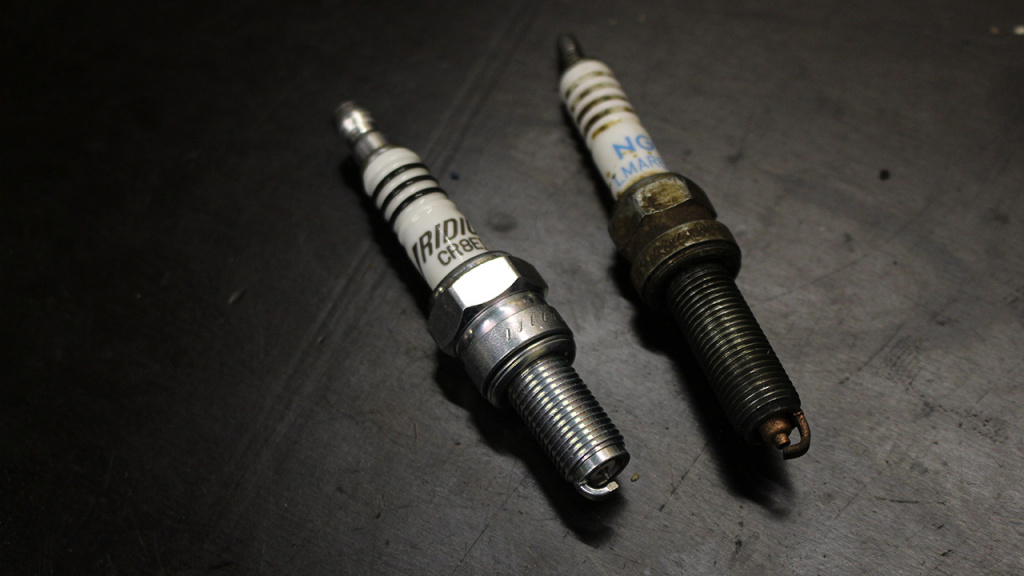
Inspecting the spark plug itself reveals a lot. A fouled plug often looks dirty or coated with black, oily residue. Sometimes, the tip appears wet or shiny, indicating fuel or oil contamination.
White or blistered deposits can also mean the plug is overheating. If you see any of these unusual colors or textures, it’s a clear signal the spark plug isn’t firing properly. Have you ever checked your spark plugs just out of curiosity? You might be surprised at what you find.
Engine Performance Issues
Your engine may start misfiring or running rough when a spark plug is fouled. You might feel hesitation when accelerating or notice your car struggles to start. These issues happen because the spark plug can’t ignite the fuel-air mixture efficiently.
Sometimes the engine idles unevenly or stalls unexpectedly. If your drive feels less smooth than usual, don’t ignore it. These performance hiccups often point directly to spark plug problems.
Fuel Efficiency Changes
Fuel efficiency is another area where fouled spark plugs make a noticeable impact. You may find yourself filling up the tank more often without obvious reasons. This happens because incomplete combustion wastes fuel.
Pay attention if your mileage drops suddenly. It’s easy to blame traffic or driving habits, but checking your spark plugs could reveal the true cause. How often do you track your car’s fuel economy?
Types Of Spark Plug Fouling
Spark plug fouling happens when deposits build up on the plug’s tip. These deposits stop the spark plug from working well. Different types of fouling show different signs. Knowing these types helps in finding the problem fast. It also guides the right fix to keep the engine running smoothly.
Carbon Fouling
Carbon fouling looks like black, dry soot on the spark plug. It happens when the air-fuel mix is too rich or the engine runs cold. This type stops sparks from jumping well, causing misfires. Dirty air filters and short trips often cause carbon fouling.
Oil Fouling
Oil fouling covers the plug tip with wet, oily deposits. This happens when oil leaks into the combustion chamber. Worn piston rings or valve seals often cause this problem. The oily coating blocks sparks and leads to poor engine performance.
Ash Fouling
Ash fouling leaves light-colored, powdery deposits on the plug. These deposits come from burning oil additives or fuel impurities. Ash fouling can cause the spark plug gap to widen. This issue reduces spark efficiency and may cause rough idling.
Tools To Check Spark Plug Condition
Knowing the condition of your spark plug is crucial for maintaining engine performance. Using the right tools makes it easier to spot fouling early before it leads to bigger problems. Let’s look at some tools that help you check the spark plug’s condition effectively.
Basic Inspection Tools
You don’t always need fancy gadgets to check your spark plug. A simple visual inspection can reveal a lot about its health. Grab a flashlight and a feeler gauge to start.
Use the flashlight to get a clear view of the spark plug’s tip. Look for signs like black soot, oily residue, or worn electrodes. These are clear indicators of fouling or other issues.
The feeler gauge helps you measure the gap between the electrodes. If the gap is too wide or too narrow, the spark plug won’t fire properly. Adjusting or replacing it can save you from misfires.
Using A Spark Plug Tester
A spark plug tester is a handy device that shows if your spark plug produces a strong spark. It’s especially useful if you want to confirm electrical issues rather than just visual ones.
Connect the spark plug to the tester and crank the engine. Watch for a bright, blue spark inside the tester’s window. A weak or absent spark means the plug might be fouled or faulty.
Using this tool can save you time and money by pinpointing the exact problem. Have you ever replaced a spark plug only to find the problem wasn’t fixed? A tester helps avoid that frustration.

Credit: www.mazda6club.com
Steps To Inspect A Spark Plug
Inspecting a spark plug is a straightforward way to understand how well your engine is running. It can reveal issues before they turn into costly repairs. Knowing the right steps to check your spark plug can save you time and frustration.
Removing The Spark Plug Safely
Before you start, make sure your engine is completely cool. Hot engine parts can cause burns or damage the spark plug threads. Use a spark plug socket with a ratchet for a secure grip.
Gently disconnect the spark plug wire by pulling the boot, not the wire itself. This prevents damage to the wire. Turn the socket counterclockwise to loosen the plug, then carefully remove it by hand.
Cleaning And Examining The Plug
Once removed, wipe off any loose dirt or oil with a clean cloth. Avoid using abrasive tools that can damage the plug’s surface. Use a wire brush or spark plug cleaner to remove stubborn deposits gently.
Look closely at the electrode and insulator. A clean, light tan or gray color usually means the plug is healthy. Any buildup or damage here can indicate problems.
Identifying Different Fouling Signs
Look for these common fouling signs:
- Black, Sooty Deposits:This usually means the engine is running too rich or the air filter is dirty.
- Oily Coating:Oil fouling suggests worn piston rings or valve guides allowing oil into the combustion chamber.
- White or Ash Deposits:Excessive fuel additives or engine overheating can cause this.
- Blistered or Cracked Insulator:This points to overheating, which could be due to incorrect spark plug heat range or timing issues.
Can you spot any of these signs on your spark plug? Understanding what you see will help you decide the next fix for your engine.
Preventing Spark Plug Fouling
Preventing spark plug fouling is essential for smooth engine performance. Spark plugs can foul due to dirt, oil, or improper combustion. Taking simple steps helps keep them clean and working well. These actions extend engine life and improve fuel efficiency.
Regular Maintenance Tips
- Check spark plugs often for dirt and wear.
- Clean or replace plugs according to the schedule.
- Inspect air filters regularly to prevent dirt buildup.
- Keep the engine oil fresh by changing it on time.
- Look for signs of engine trouble early to avoid fouling.
Using Quality Fuel And Oil
Use high-quality fuel to reduce deposits on spark plugs. Poor fuel can cause carbon buildup and fouling. Choose the right oil type recommended by the vehicle maker. Good oil prevents excessive deposits and protects engine parts. Avoid mixing different oil brands to maintain engine health.
Proper Engine Tuning
- Adjust the engine timing for efficient combustion.
- Set the air-fuel mixture correctly to avoid rich or lean running.
- Check ignition system components like coils and wires.
- Use a professional mechanic for precise tuning if unsure.
- Maintain the cooling system to keep engine temperature stable.
Credit: www.piloteers.org
Frequently Asked Questions
What Are Common Signs Of A Fouled Spark Plug?
A fouled spark plug causes rough engine idle, misfires, and poor acceleration. You may notice black, oily, or sooty deposits on the plug tip. These signs reduce engine efficiency and increase fuel consumption.
How Do You Visually Inspect A Spark Plug For Fouling?
Remove the spark plug and check the electrode and insulator tip. Look for black soot, oily residue, or carbon buildup. These deposits indicate fouling and poor combustion in the engine.
Can A Fouled Spark Plug Affect Fuel Efficiency?
Yes, a fouled spark plug causes incomplete combustion, leading to wasted fuel. This results in reduced fuel efficiency and higher emissions. Regular inspection helps maintain optimal engine performance.
How Often Should Spark Plugs Be Checked For Fouling?
Check spark plugs every 30,000 miles or during regular vehicle maintenance. Frequent inspection prevents engine issues and ensures spark plugs function properly. Replace if fouling is severe.
Conclusion
A fouled spark plug can cause engine problems and poor performance. Checking the plug’s color and deposits helps spot issues early. Clean or replace plugs to keep your engine running smoothly. Regular inspection saves money and prevents breakdowns. Remember, a healthy spark plug means better fuel efficiency and less pollution.
Keep an eye on your spark plugs for a stronger, smoother ride. Simple steps make a big difference in car care. Stay attentive and your engine will thank you.





