Imagine this: you’re ready to hit the road for a long drive, but your car just won’t start. Frustrating, right?
One common culprit might be fouled spark plugs. But what do fouled spark plugs look like, and how can they affect your vehicle’s performance? This is where your curiosity meets crucial car care knowledge. You don’t need to be a mechanic to spot the telltale signs of a fouled spark plug.
By understanding what to look for, you can save yourself from unexpected breakdowns and costly repairs. We’ll dive into the visual clues that can help you identify fouled spark plugs and explain what each sign means for your engine’s health. Ready to become a spark plug detective? Let’s get started! Your car—and your wallet—will thank you.
Common Signs Of Fouled Spark Plugs
Identifying fouled spark plugs early can save you from costly repairs and frustrating breakdowns. Knowing the common signs helps you inspect and address issues before they escalate. Here’s what to look for when checking your spark plugs and how they affect your vehicle’s performance.
Visual Indicators
Fouled spark plugs often show clear physical signs. You might notice:
- Black, sooty deposits:This usually means the spark plug is covered in carbon buildup from incomplete combustion.
- Oily residue:Oil fouling appears as wet, dark patches on the plug’s tip, indicating oil leaking into the combustion chamber.
- White or ash-like deposits:These suggest overheating or the presence of fuel additives burning off.
Next time you peek under your hood, take a close look at the spark plugs’ condition. Have you ever seen plugs that looked burnt or oily? That’s a red flag signaling trouble.
Performance Symptoms
Beyond appearance, fouled spark plugs cause noticeable performance drops. You might experience:
- Hard starting:The engine struggles to fire up, especially in cold weather.
- Reduced fuel efficiency:Poor combustion means your car uses more gas than usual.
- Misfires or rough idling:The engine may jerk or hesitate while running.
Have you felt your car lagging or using more fuel lately? These are clear signs that your spark plugs need attention.
Engine Behavior Changes
Changes in how your engine sounds and feels often point to spark plug issues. You might notice:
- Engine knocking or pinging:This noise can come from uneven firing caused by fouled plugs.
- Loss of power during acceleration:Your vehicle may feel sluggish when you press the gas.
- Increased emissions:Fouled plugs can cause your car to release more pollutants, sometimes triggering the check engine light.
Does your engine sound different or feel less responsive? Checking your spark plugs could explain why.

Credit: www.vtxoa.com
Types Of Spark Plug Fouling
Spark plugs can fail in different ways, and each type of fouling shows unique signs. Knowing these types helps spot problems early. It also guides proper cleaning or replacement.
Fouling happens when dirt, oil, or fuel deposits cover the spark plug tip. These deposits stop the spark plug from working correctly. They cause poor engine performance and higher fuel use.
Carbon Fouling
Carbon fouling looks like a dry, black, and sooty deposit on the spark plug. It happens when the engine runs too rich or the air filter is dirty. This fouling causes weak sparks and rough engine idle. Cleaning or replacing the spark plug often fixes this issue.
Oil Fouling
Oil fouling appears as wet, oily, and dark deposits on the spark plug. It means oil leaks into the combustion chamber. Worn piston rings or valve seals may cause this. The oily deposits stop the spark and cause engine misfires. Fixing the oil leak and replacing spark plugs is necessary.
Ash Deposits
Ash deposits are light-colored and powdery. They come from burning oil additives or fuel impurities. These deposits build up slowly and reduce spark plug efficiency. Ash deposits cause hard starting and poor engine performance. Regular maintenance and using quality fuel help prevent this.
Fuel Fouling
Fuel fouling looks like wet, black, and shiny deposits on the spark plug. It happens when too much fuel enters the engine. Causes include a stuck choke or faulty fuel injector. This fouling stops the spark and causes the engine to stall or run rough. Cleaning the spark plug and fixing fuel system issues can solve the problem.
Causes Behind Fouled Spark Plugs
Understanding what causes fouled spark plugs can help you spot problems before they damage your engine. Several factors can lead to deposits building up on the plugs, reducing their effectiveness and causing poor performance. Let’s break down the main reasons behind fouled spark plugs so you can keep your vehicle running smoothly.
Fuel Mixture Issues
Your engine needs the right balance of air and fuel to work properly. If the mixture is too rich—meaning too much fuel and not enough air—spark plugs get coated with black, sooty deposits.
This happens often when the fuel injectors or carburetor are malfunctioning. Have you checked if your vehicle’s fuel system is delivering the proper mix lately? Fixing this can restore your spark plugs quickly.
Oil Leaks
Oil leaking into the combustion chamber can foul spark plugs with oily, wet deposits. This usually indicates worn valve seals, piston rings, or other internal engine problems.
If you see shiny, oily deposits on the plugs, it’s a red flag. Ignoring oil leaks can lead to more serious engine damage, so it’s wise to get a professional diagnosis early.
Ignition System Problems
Faulty ignition components can cause incomplete combustion, leaving unburned fuel or carbon on your spark plugs. Worn spark plug wires, bad coils, or a weak ignition coil are common culprits.
Ever noticed rough idling or difficulty starting your car? These symptoms often go hand-in-hand with fouled plugs due to ignition failure. Replacing worn parts can save you from frequent fouling.
Driving Habits
Short trips and frequent stop-and-go driving don’t allow the engine to reach optimal temperature. This can cause deposits to build up on spark plugs faster than usual.
Have you been mostly driving in heavy traffic or making quick errands? Try taking longer drives occasionally to help your engine burn off deposits and keep plugs cleaner.
Credit: www.youtube.com
Diagnosing Fouled Spark Plugs
Diagnosing fouled spark plugs is key to keeping an engine running smoothly. Spark plugs play a vital role in igniting the fuel-air mix inside the engine. When they become fouled, the engine may misfire, run rough, or lose power. Spotting fouled spark plugs early helps prevent bigger car problems and costly repairs.
Checking spark plugs involves more than a quick glance. Careful inspection reveals signs like carbon buildup, oil deposits, or worn electrodes. Understanding these signs allows you to decide if cleaning or replacement is necessary. Let’s explore how to diagnose fouled spark plugs effectively.
Inspection Techniques
Start by removing the spark plug from the engine. Use a spark plug socket for easy removal. Look at the plug’s tip and electrode area carefully. A healthy spark plug appears clean and light gray or tan.
Signs of fouling include:
- Black, dry soot covering the electrode
- Wet, oily deposits on the plug
- White or blistered ceramic insulator
- Worn or rounded electrodes
These signs indicate different engine issues like poor fuel mix or oil leaks. Use good lighting and a magnifying glass for better inspection.
Tools Needed
- Spark plug socket wrench
- Ratchet or breaker bar
- Feeler gauge to measure electrode gap
- Wire brush or spark plug cleaner
- Magnifying glass for detailed check
- Gloves to protect your hands
Having the right tools makes the job easier and safer. A feeler gauge ensures the spark plug gap matches the engine’s specifications. Cleaning tools help remove deposits without damaging the plug.
When To Replace Or Clean
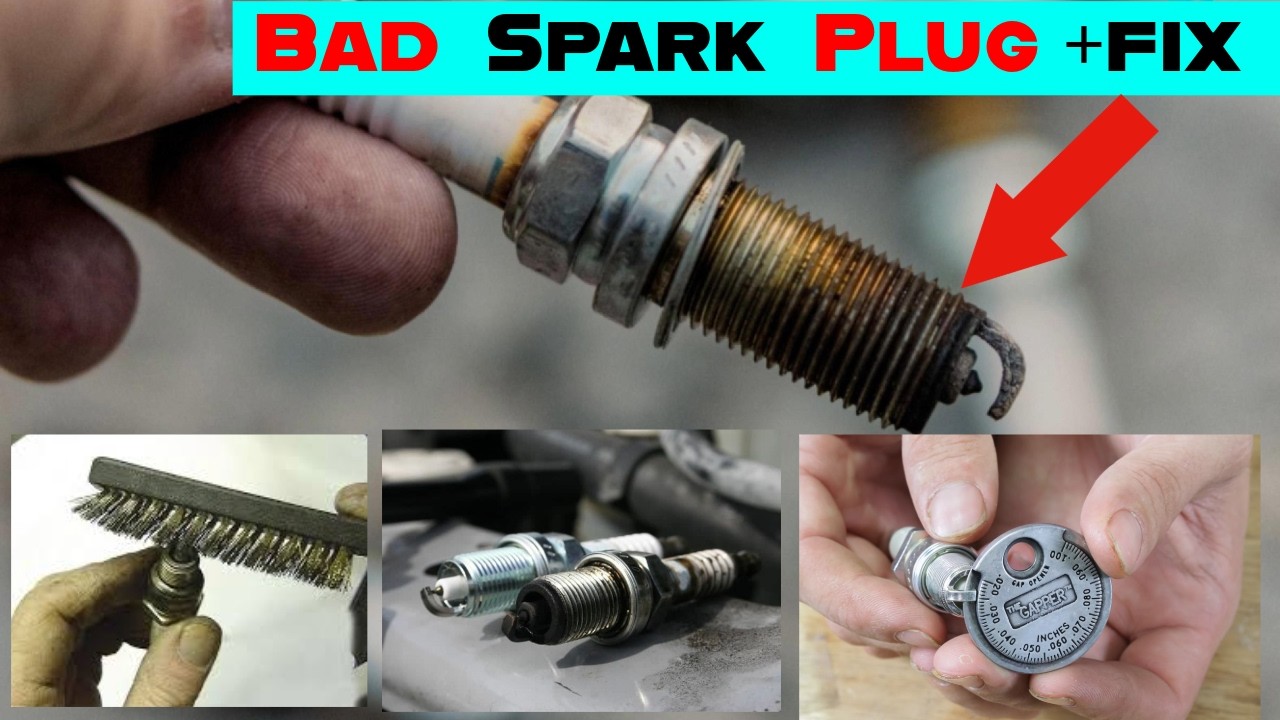
Clean spark plugs if deposits are light and the plug is in good shape. Use a wire brush or spark plug cleaner to remove soot and dirt. Check the electrode gap after cleaning.
Replace spark plugs when:
- Electrodes are heavily worn or rounded
- Deposits are thick and hard to remove
- Ceramic insulator is cracked or damaged
- Engine problems persist after cleaning
Regular inspection helps decide the right action. Replacing plugs on time improves engine performance and fuel efficiency.
Effective Solutions For Fouled Spark Plugs
Dealing with fouled spark plugs can be frustrating, but addressing the problem effectively saves you time and money. Knowing how to clean, replace, and maintain your spark plugs can keep your engine running smoothly. Let’s look at practical solutions you can apply today to fix and prevent fouled spark plugs.
Cleaning Methods
Before deciding to replace, try cleaning your fouled spark plugs. Use a wire brush or spark plug cleaner to gently remove carbon deposits and oil residue. Avoid harsh scraping that can damage the electrode or insulator.
Spraying a specialized spark plug cleaner or brake cleaner can loosen stubborn grime. Let the cleaner soak for a few minutes, then wipe or brush the plug clean. Dry the spark plug completely before reinstalling it to avoid moisture-related issues.
Proper Replacement Tips
If cleaning doesn’t restore performance, replacement is necessary. Always buy spark plugs that match your vehicle’s specifications—wrong plugs can harm engine efficiency.
Check the gap on the new plug using a gap tool and adjust it if needed. Installing spark plugs with the correct gap ensures optimal spark and combustion. Tighten the plugs to the manufacturer’s torque specifications to avoid damaging the threads or causing misfires.
Preventive Maintenance
Regular maintenance is your best defense against fouled spark plugs. Inspect your plugs every 20,000 to 30,000 miles, or more often if your engine shows signs of rough idling or poor acceleration.
Keep your fuel system clean and use quality fuel to reduce deposits. Consider periodic use of fuel additives designed to clean combustion chambers and spark plugs.
Are you paying attention to your engine’s habits? Catching fouling early can prevent costly repairs and improve your vehicle’s fuel efficiency.
Tips To Avoid Future Fouling
Preventing spark plug fouling is key to keeping your engine running smoothly. Small changes in how you care for your vehicle can make a big difference. Let’s look at some practical tips that help you avoid future fouling and save you from costly repairs.
Fuel Quality And Additives
Using high-quality fuel reduces the chances of deposits building up on your spark plugs. Cheaper fuels often contain impurities that lead to fouling.
You might consider fuel additives designed to clean the fuel system and improve combustion. However, be cautious—some additives can do more harm than good if overused.
Ask yourself: Are you filling up at trusted stations and checking the fuel’s octane rating regularly? These small habits impact spark plug health more than you might think.
Regular Engine Tune-ups
Keeping your engine tuned is like giving your car a regular health check. During tune-ups, mechanics inspect spark plugs, ignition systems, and fuel injectors.
Replacing worn-out spark plugs on schedule prevents fouling before it starts. It also improves fuel efficiency and reduces emissions.
If you ignore tune-ups, fouled spark plugs can cause misfires and rough idling. Don’t wait for problems to appear—regular maintenance keeps your engine happy and efficient.
Driving And Maintenance Best Practices
Your driving habits have a direct effect on spark plug condition. Short trips where the engine doesn’t fully warm up encourage carbon buildup.
Try to drive longer distances occasionally to allow the engine to reach optimal temperature and burn off deposits naturally.
Also, check your air filter and oil regularly. Dirty filters and old oil increase engine strain, which can accelerate fouling.
Think about your daily routine: Could a few adjustments in driving and upkeep reduce the risk of spark plug fouling in your vehicle?

Credit: www.reddit.com
Frequently Asked Questions
What Do Fouled Spark Plugs Look Like?
Fouled spark plugs often have black, oily, or sooty deposits on the electrode. The tip may appear wet or covered in carbon buildup, indicating poor combustion or oil leakage.
How Can You Tell If A Spark Plug Is Fouled?
A fouled spark plug shows black soot, oil, or ash deposits. It may also have a damp or oily surface, causing engine misfires and rough idling.
What Causes Spark Plugs To Foul?
Spark plugs foul due to oil leaks, rich fuel mixtures, or poor combustion. Dirty air filters and frequent short trips can also contribute to fouling.
Can Fouled Spark Plugs Damage My Engine?
Yes, fouled spark plugs reduce engine efficiency and cause misfires. Prolonged fouling can lead to increased fuel consumption and potential engine damage.
Conclusion
Fouled spark plugs show clear signs that affect engine performance. Dark, oily, or sooty deposits often cover the plug tips. These signs mean your engine may run rough or use more fuel. Checking spark plugs regularly helps spot problems early.
Clean or replace them to keep your engine healthy. Knowing what fouled spark plugs look like saves time and money. Keep your vehicle running smoothly with simple spark plug care. Small issues caught early prevent bigger repairs later.





