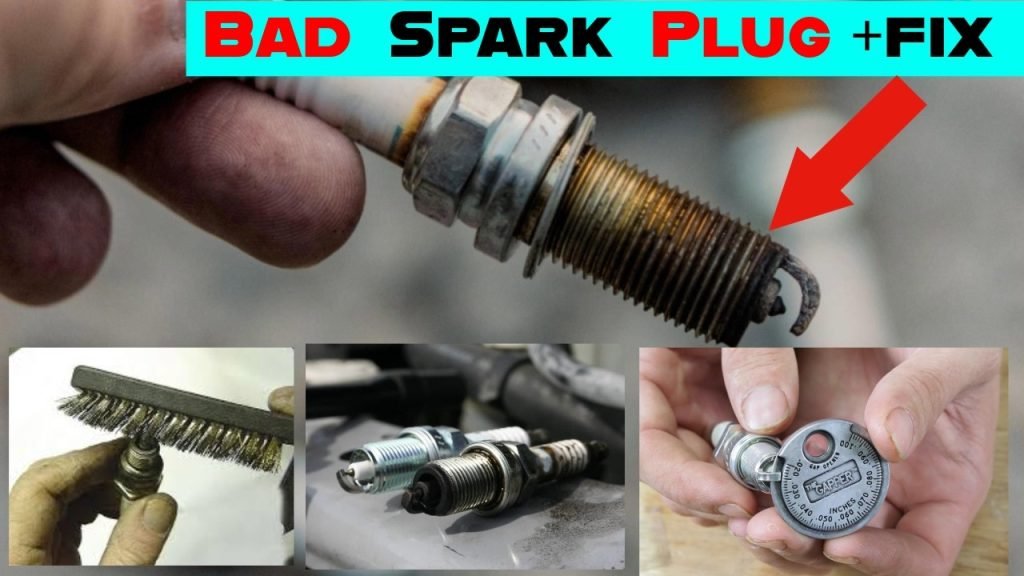
Have you ever wondered why your car isn’t running as smoothly as it used to? One common culprit might be a bad spark plug.
But how can you tell if your spark plug is the problem? Knowing the signs can save you time, money, and frustration. You’ll discover simple ways to check your spark plugs and understand when it’s time for a replacement. Keep reading to find out how to keep your engine firing on all cylinders.
Common Spark Plug Issues
Spark plugs play a key role in your car’s engine. They create sparks to ignite the fuel-air mix. Over time, spark plugs wear out or get dirty. This causes engine troubles like rough idling or poor fuel economy. Understanding common spark plug issues helps spot problems early. It saves time and money on repairs.
Worn Electrodes
Electrodes are small metal parts on spark plugs. They wear down from constant sparks and heat. Worn electrodes create weak sparks. Weak sparks cause misfires and engine hesitation. Check for rounded or thin electrodes. Replace spark plugs if electrodes look worn out.
Carbon Deposits
Carbon deposits form from incomplete fuel burning. They appear as black, dry soot on spark plugs. Carbon buildup causes weak sparks and rough running. It lowers fuel efficiency and increases emissions. Clean or replace spark plugs to fix carbon deposits.
Oil Fouling
Oil fouling happens when engine oil leaks into the combustion chamber. Oil coats the spark plug tip and insulator. The plug becomes wet and dirty with black, oily residue. Oil fouling stops sparks and causes engine misfires. Find the oil leak and change affected spark plugs.
Cracked Insulator
The insulator surrounds the electrode to prevent spark loss. Cracks in the insulator cause spark leaks. This leads to poor engine performance and hard starts. Cracks may be visible or hidden under deposits. Replace spark plugs if the insulator is cracked or damaged.

Credit: www.reddit.com
Symptoms Of A Bad Spark Plug
Recognizing the symptoms of a bad spark plug can save you time and money on car repairs. Spark plugs play a crucial role in your engine’s performance, and when they fail, your vehicle lets you know. Paying attention to these signs early can prevent more serious engine problems down the road.
Engine Misfires
An engine misfire feels like a sudden jerk or hesitation while driving. This happens because the spark plug is failing to ignite the fuel-air mixture properly. Have you ever noticed your car stumbling or losing power unexpectedly? That’s a clear sign to check your spark plugs.
Poor Fuel Economy
If you find yourself filling up the gas tank more often, your spark plugs might be the culprit. Bad spark plugs cause incomplete combustion, meaning your engine burns more fuel than necessary. Tracking your fuel consumption can help you spot this problem early before it hits your wallet hard.
Difficulty Starting
Struggling to start your vehicle on cold mornings or after it’s been parked for a while can indicate worn spark plugs. When the spark plug can’t create a strong enough spark, the engine has trouble firing up. Have you ever had to crank your engine multiple times before it starts? That’s a strong hint to inspect your spark plugs.
Rough Idling
Does your engine feel shaky or noisy when it’s idling? Rough idling often points to spark plugs that aren’t firing smoothly. This can cause vibrations and uneven engine sounds that you shouldn’t ignore. Next time you’re stopped at a light, pay attention—your spark plugs might be trying to tell you something.
Visual Inspection Tips
Visual inspection of a spark plug reveals much about engine health. You can spot problems early by checking its condition. This simple check helps prevent engine misfires and poor performance. Follow these tips to inspect spark plugs safely and effectively.
Removing The Spark Plug Safely
Ensure the engine is cool before removing the spark plug. Use a spark plug socket and a ratchet for better grip. Turn counterclockwise slowly to avoid damaging the threads. Keep the spark plug straight while pulling it out gently. Avoid forcing it, which can break the plug or thread.
Checking For Damage
Look closely at the ceramic insulator for cracks or chips. Check the metal body for corrosion or burn marks. Bent or broken electrodes indicate a bad spark plug. Damage can cause weak sparks and engine trouble. Replace any plug that shows visible damage.
Assessing Electrode Wear
The center electrode should have a sharp edge for a strong spark. Rounded or worn electrodes reduce spark quality. The gap between electrodes affects spark timing and size. Use a gauge to measure the gap and compare it to your vehicle’s specs. Excessive electrode wear means it’s time for a new plug.
Identifying Deposits
Black, sooty deposits suggest a rich fuel mixture or oil leak. White, chalky deposits may indicate overheating or fuel additives. Oily deposits mean oil is entering the combustion chamber. Light tan or gray color usually shows normal wear. Clean or replace plugs with heavy deposits to maintain engine health.
Using Diagnostic Tools
Using diagnostic tools helps find if a spark plug is bad. These tools provide quick and accurate results. They save time and effort during troubleshooting. Understanding how to use these tools makes car maintenance easier.
Spark Plug Tester
A spark plug tester checks if the spark plug creates a spark. It is a simple tool that connects to the spark plug wire. When the engine runs, the tester shows if the spark jumps across the gap. No spark means the plug is likely bad.
This tester is affordable and easy to use. It helps catch spark plug problems early. Clear sparks indicate a healthy plug, while weak or no sparks suggest replacement.
Multimeter Checks
A multimeter measures electrical resistance in the spark plug. Set the multimeter to the ohms setting. Touch the leads to the spark plug terminals. A very high or infinite reading signals a bad plug.
This test checks for internal damage or breaks. A low resistance value usually means the plug is good. Multimeter tests are reliable for spark plug health.
Obd-ii Scanner
An OBD-II scanner reads engine trouble codes from the car’s computer. Some codes point directly to spark plug issues. Codes like misfire or ignition problems help diagnose plug failures.
This scanner connects to the car’s diagnostic port. It shows error codes and data in real time. OBD-II tools give a clear picture of engine performance and spark plug condition.
When To Replace Spark Plugs
Spark plugs play a vital role in your vehicle’s engine performance. Knowing when to replace spark plugs helps avoid engine problems and maintain smooth driving. Several clear signs indicate it is time for new spark plugs. Understanding these signs can save you money and prevent bigger repairs later.
Manufacturer Recommendations
Check your vehicle’s manual for spark plug replacement intervals. Most manufacturers suggest replacement every 30,000 to 100,000 miles. These guidelines consider the type of spark plug and engine design. Following these recommendations ensures optimal performance and fuel efficiency.
Performance Decline
Noticeable drops in engine power or fuel efficiency suggest spark plugs may be worn. Rough idling, difficulty starting, or engine misfires also indicate problems. These symptoms show the spark plugs are not igniting the fuel properly. Timely replacement restores smooth engine operation and better mileage.
Visible Damage
Inspect spark plugs for physical wear or damage during routine maintenance. Look for:
- Cracked or chipped insulator tips
- Heavy carbon deposits or oil fouling
- Worn or eroded electrodes
Damaged spark plugs cannot create the right spark. Replace them immediately to prevent engine issues and maintain performance.

Credit: www.reddit.com
Preventing Spark Plug Problems
Preventing spark plug problems helps your engine run smoothly. Spark plugs wear out over time and cause engine issues. Small efforts keep them working longer and save money on repairs.
Regular Maintenance
Check spark plugs regularly to spot wear and damage early. Replace worn or dirty plugs as recommended in your vehicle’s manual. Clean the area around plugs to avoid dirt entering the engine. Regular checks keep your engine running well and prevent breakdowns.
Using Quality Fuel
Use good quality fuel to reduce deposits on spark plugs. Poor fuel creates buildup that blocks the spark. Clean fuel helps plugs last longer and keeps the engine efficient. Avoid cheap or contaminated fuel to protect your spark plugs.
Proper Installation
Install spark plugs carefully to avoid damage and poor engine performance. Use the correct tools and torque to tighten plugs. Wrong installation causes misfires and engine problems. Follow manufacturer instructions to ensure plugs fit and work properly.
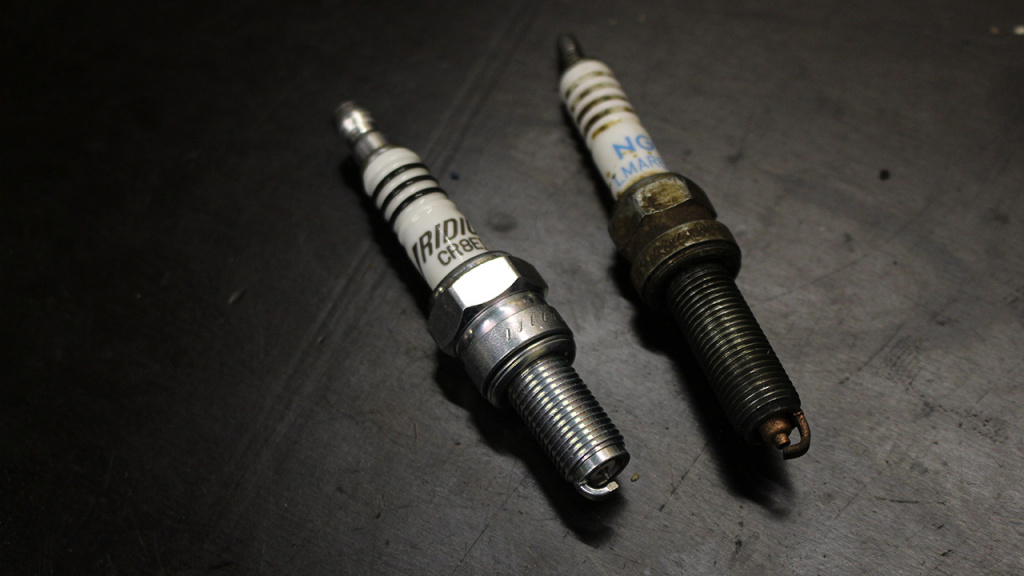
Credit: finntrail.com
Frequently Asked Questions
How Do I Know If My Spark Plug Is Failing?
A failing spark plug causes engine misfires, rough idling, and poor acceleration. Check for worn electrodes or heavy deposits. If your car struggles to start or fuel efficiency drops, it’s time to inspect the plugs.
What Are Common Signs Of A Bad Spark Plug?
Common signs include engine misfires, difficulty starting, reduced fuel economy, and rough idling. You may also notice a decrease in power and increased emissions. These symptoms indicate the spark plug isn’t firing properly.
Can A Bad Spark Plug Cause Engine Misfires?
Yes, a bad spark plug can cause engine misfires. It disrupts the combustion process, leading to uneven engine performance. Misfires reduce power and increase fuel consumption, signaling the need for plug replacement.
How Often Should Spark Plugs Be Replaced?
Typically, spark plugs should be replaced every 30,000 to 100,000 miles. Refer to your vehicle’s manual for exact intervals. Regular replacement ensures optimal engine performance and prevents issues caused by worn plugs.
Conclusion
Bad spark plugs can cause engine problems. Listen for unusual noises. Look for poor acceleration. Notice higher fuel consumption. These are signs of trouble. Check spark plugs regularly. Replace them when needed. This keeps your engine healthy. A well-maintained engine runs smoothly.
Saves money on fuel too. Helps avoid costly repairs. Simple maintenance makes a difference. Keep your car in top shape. Enjoy a reliable ride. Stay attentive to spark plug health. Your car will thank you.





