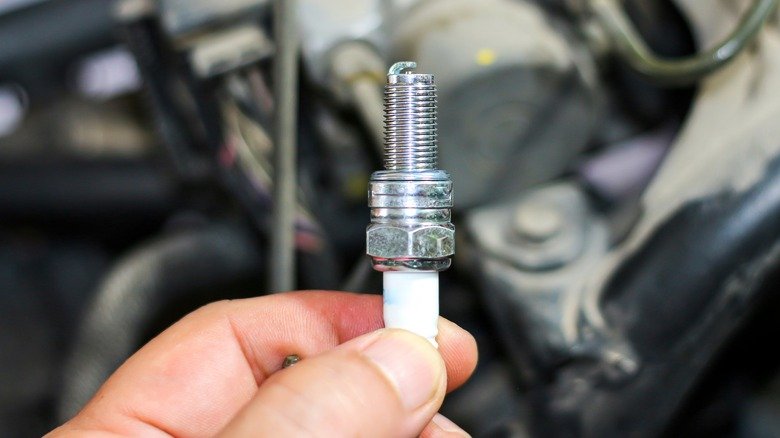
Have you ever popped the hood of a diesel vehicle and wondered about its spark plugs? Well, you’re not alone.
Many people are curious about how diesel engines operate and whether they share similarities with gasoline engines. You might think that every engine needs a spark plug to ignite the fuel, but diesel engines play by a different set of rules.
This article will unravel the mystery of whether a diesel engine has spark plugs and what makes it tick. Understanding this could change the way you perceive these powerful machines. Ready to dive deeper and uncover the truth? Let’s get started!
How Spark Plugs Work
Understanding how spark plugs work can clear up a lot of confusion about engine types, especially when comparing gasoline and diesel engines. Spark plugs are small but powerful components that play a crucial role in starting and running gasoline engines. Let’s take a closer look at their function and why they are essential in gasoline engines.
Role In Gasoline Engines
Spark plugs deliver an electric spark that ignites the air-fuel mixture inside the engine’s cylinders. This ignition is necessary for the engine to produce power and keep running smoothly. Without spark plugs, gasoline engines would not start or operate efficiently.
Each spark plug must withstand extreme heat and pressure inside the cylinder. They are designed to last thousands of miles but need regular checks to avoid misfires or engine trouble. If you’ve ever experienced your car stalling or rough idling, a worn spark plug might be the cause.
Ignition Process
The ignition process begins when the engine’s ignition system sends a high voltage to the spark plug. This voltage jumps the gap at the plug’s tip, creating a spark. That spark ignites the compressed air-fuel mixture, causing a controlled explosion that pushes the piston down and produces power.
Timing is everything here—if the spark occurs too early or too late, the engine loses power and fuel efficiency drops. Modern engines use precise electronic controls to manage spark timing, improving performance and reducing emissions. Have you ever noticed a difference in your car’s performance after changing spark plugs? That’s the ignition process at work.

Credit: m.made-in-china.com
Diesel Engine Basics
Diesel engines work differently from gasoline engines. They use a unique process to ignite fuel without spark plugs. Understanding the basics helps clear common doubts about diesel engines.
Compression Ignition Explained
Diesel engines ignite fuel by compressing air inside the cylinder. This compression raises air temperature to a high level. When diesel fuel enters the hot air, it ignites instantly.
This process is called compression ignition. It does not need spark plugs like gasoline engines do. The high pressure and temperature cause the fuel to burn efficiently.
Fuel Injection System
Fuel injection is key in diesel engines. A precise amount of diesel is sprayed directly into the cylinder. The injector controls the fuel spray timing and amount.
This system ensures the fuel mixes well with hot air. It helps the engine run smoothly and with better fuel economy. Fuel injection also reduces smoke and emissions.
Comparing Diesel And Gasoline Ignition
Diesel engines do not use spark plugs to ignite fuel. Instead, they rely on high compression to heat air and ignite the diesel. Gasoline engines use spark plugs to create a spark that ignites the fuel-air mix.
Spark Plug Presence
Diesel engines do not use spark plugs. Gasoline engines rely on spark plugs to ignite the fuel-air mix. The spark plug creates a spark that starts combustion. Diesel engines use a different method. They depend on high pressure and temperature to ignite the fuel. This process is called compression ignition. Spark plugs are essential in gasoline engines but absent in diesel engines.Differences In Combustion
Gasoline engines mix air and fuel before ignition. The spark plug then ignites this mixture. Combustion happens quickly and at a controlled time. Diesel engines compress air only. They inject fuel into hot compressed air. The heat causes the fuel to ignite automatically. This leads to a slower, more controlled burn. Diesel combustion produces more torque and better fuel efficiency. The absence of spark plugs allows diesel engines to handle higher compression ratios safely.Glow Plugs In Diesel Engines
Glow plugs play a crucial role in diesel engines, especially during cold starts. Unlike gasoline engines that rely on spark plugs to ignite the fuel-air mixture, diesel engines use glow plugs to prepare the combustion chamber for ignition. Understanding how glow plugs work can help you maintain your diesel engine better and avoid frustrating start-up issues.
Purpose Of Glow Plugs
Glow plugs heat the air inside the combustion chamber before the engine starts. This heating makes it easier for the diesel fuel to ignite, particularly in cold weather when the engine and air are cold.
Without glow plugs, starting a diesel engine in low temperatures can be very difficult. The plugs ensure a smoother start by warming the cylinder, which reduces engine wear and improves performance.
Have you ever noticed your diesel vehicle takes longer to start on cold mornings? That’s often a sign your glow plugs are working hard or may need checking.
How They Differ From Spark Plugs
Spark plugs create a spark to ignite the fuel-air mixture in gasoline engines, but diesel engines don’t use sparks for ignition. Instead, diesel fuel ignites through compression and heat, which is why glow plugs are necessary only to aid starting.
Glow plugs are basically heating elements that glow red-hot, while spark plugs generate a high-voltage electrical spark. The glow plug’s job is to raise the temperature inside the cylinder, not to ignite fuel directly.
So, if you’ve wondered why diesel engines don’t have spark plugs, it’s because their ignition process relies on compression heat, with glow plugs simply providing a temperature boost when needed.
Common Misconceptions
Many people get confused about whether diesel engines have spark plugs. This misunderstanding often leads to wrong assumptions about how these engines work. Clearing up these misconceptions can help you better understand your vehicle’s engine and maintenance needs.
Why People Think Diesels Have Spark Plugs
Most drivers are familiar with gasoline engines, which use spark plugs to ignite the fuel-air mixture. Because spark plugs are so common in cars, it’s natural to assume all engines need them. Plus, the word “ignition” often makes people think of sparks, which adds to the confusion.
Another reason is that modern diesel engines sometimes use glow plugs, which sound similar to spark plugs. Some assume glow plugs serve the same function, but they actually help with starting the engine in cold weather rather than igniting fuel.
Clarifying The Facts
Diesel engines do not have spark plugs because they operate differently from gasoline engines. Instead of using sparks, diesel engines rely on compression to ignite the fuel. The air in a diesel engine is compressed to a very high temperature, causing the diesel fuel to ignite when it is injected.
Glow plugs are often mistaken for spark plugs but serve a different purpose. They warm the combustion chamber to make starting easier in cold conditions, but they don’t ignite the fuel. Understanding this difference can save you from buying the wrong replacement parts or making costly repairs.
Credit: www.alibaba.com
Maintaining Diesel Ignition Components
Maintaining diesel ignition components is key to keeping your engine running smoothly. Unlike gasoline engines, diesel engines rely on different parts to start and ignite the fuel. Knowing how to care for these parts helps you avoid costly repairs and keeps your vehicle reliable.
Glow Plug Care Tips
Glow plugs are essential for starting a diesel engine, especially in cold weather. You should check them regularly for wear or damage, as faulty glow plugs make starting difficult.
- Clean the glow plugs gently to remove carbon build-up.
- Test their resistance with a multimeter to ensure they heat up properly.
- Replace any glow plugs that show signs of cracking or corrosion.
Did you know that running your diesel engine without giving glow plugs enough time to warm up can shorten their lifespan? Always wait a few seconds after turning the key before starting the engine.
Signs Of Ignition Issues
How do you know when your diesel ignition system is struggling? Watch out for hard starts, rough idling, or excessive smoke from the exhaust. These are clear signs the glow plugs or related components may need attention.
- Delayed engine starting or multiple attempts to start.
- Engine misfires or runs unevenly right after startup.
- Black or white smoke during ignition, indicating incomplete combustion.
Ignoring these signs can lead to bigger problems, like damaged injectors or higher fuel consumption. Paying close attention can save you time and money down the road.

Credit: alder.in
Frequently Asked Questions
Does A Diesel Engine Use Spark Plugs?
No, diesel engines do not use spark plugs. They rely on compression to ignite fuel, unlike gasoline engines that require spark plugs for ignition.
How Do Diesel Engines Ignite Fuel Without Spark Plugs?
Diesel engines compress air to high temperatures, causing fuel to ignite spontaneously when injected. This process is called compression ignition.
What Replaces Spark Plugs In Diesel Engines?
Glow plugs replace spark plugs in diesel engines. They preheat the combustion chamber to aid cold starting and ensure smooth ignition.
Can A Diesel Engine Run With Faulty Glow Plugs?
Yes, but performance suffers. Faulty glow plugs cause hard starts, rough idling, and increased emissions, especially in cold weather.
Conclusion
Diesel engines do not use spark plugs to start. They rely on high compression to ignite fuel. This makes them different from gasoline engines. Diesel engines use glow plugs to help in cold weather. Knowing this helps you understand how diesel engines work.
It also helps when maintaining or fixing your vehicle. Now, you can explain why diesel engines need no spark plugs. This simple fact clears up a common question for many.





