
Have you ever wondered what makes your car engine tick? You might have heard about spark plugs, but do all cars actually have them?
If you’ve ever been curious about this, you’re not alone. Understanding the role of spark plugs in vehicles can save you from potential car troubles and unnecessary expenses. We’ll explore which types of cars depend on spark plugs and why they matter to you.
Stick around, and you’ll learn something that could keep your car running smoothly and efficiently. Discover the surprising truth about spark plugs and whether your car is one of the many that relies on them.
Function Of Spark Plugs
Spark plugs are small but vital parts in many cars. Their main job is to help start the engine and keep it running smoothly. Without spark plugs, many engines would not work properly or might not start at all.
Role In Combustion Engines
Spark plugs create a spark that ignites the air-fuel mix inside the engine’s cylinders. This ignition causes a small explosion. The explosion pushes the piston down, creating power to move the car.
Each cylinder in an engine usually has one spark plug. The timing of the spark is very important. It must happen at the right moment to get the best power and efficiency.
How Spark Plugs Work
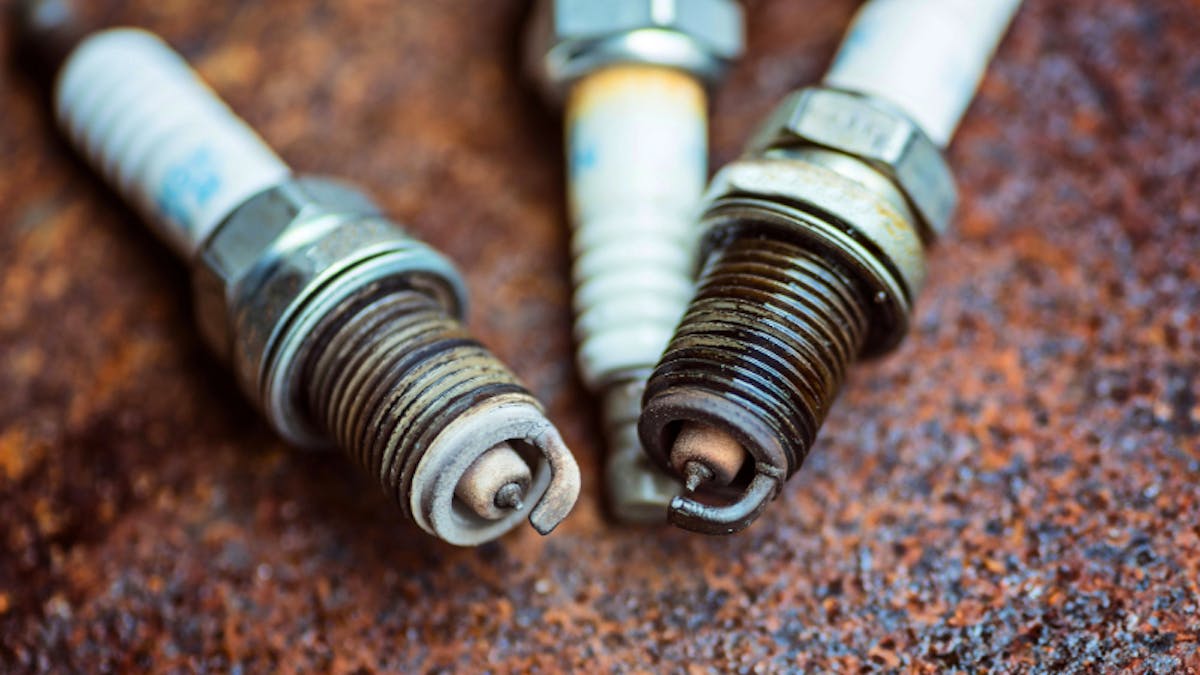
Spark plugs receive high voltage from the ignition system. This voltage jumps across a small gap at the plug’s tip, creating a spark.
The spark lights up the compressed air and fuel mixture. This starts the combustion process that powers the engine.
Spark plugs must withstand high heat and pressure. Their design helps them last thousands of miles before needing replacement.
Credit: www.cartalk.com
Types Of Car Engines
Understanding the different types of car engines is key to knowing whether your vehicle has spark plugs or not. Each engine type works differently and this affects the components it uses. Let’s break down the main engine types you might encounter.
Gasoline Engines
Gasoline engines are the most common type that use spark plugs. These plugs ignite the air-fuel mixture inside the engine cylinders to start the combustion process.
If you’ve ever changed spark plugs yourself, you know how crucial they are for engine performance and fuel efficiency. Without spark plugs, a gasoline engine simply won’t run.
Diesel Engines
Diesel engines do not have spark plugs. Instead, they rely on compression to ignite the fuel-air mixture. This means the air inside the cylinder gets compressed so much that it heats up and causes the fuel to combust.
This difference is why you won’t find spark plugs in diesel engines, but you might find glow plugs, which help with cold starts.
Electric Motors
Electric vehicles use electric motors instead of traditional engines. Since there’s no combustion involved, there’s no need for spark plugs.
Your electric car runs silently and smoothly without the sparks that gasoline engines require. This makes maintenance simpler, but also changes what you need to know about your vehicle’s components.
Hybrid Systems
Hybrid cars combine gasoline engines with electric motors. The gasoline part of the system uses spark plugs just like a regular gas engine.
However, the electric motor side doesn’t use spark plugs. This mix allows hybrids to switch between power sources and improve fuel efficiency. Understanding this can help you maintain your hybrid properly.
Spark Plugs In Gasoline Vs Diesel Cars
Understanding the role of spark plugs in different types of engines can help you maintain your car better and avoid unexpected breakdowns. Spark plugs are essential in gasoline engines but are not found in diesel engines. Why is there such a difference? Let’s dive into how spark plugs function in gasoline cars and why diesel cars do without them.
Presence In Gasoline Vehicles
Gasoline engines rely on spark plugs to ignite the air-fuel mixture inside the cylinders. The spark plug creates a small electrical spark at the right moment, causing combustion that powers the engine. Without spark plugs, your gasoline car won’t start or run efficiently.
Think about the last time your car struggled to start or ran rough—that could be a sign of worn-out spark plugs. Replacing them regularly can improve fuel efficiency and reduce emissions. If you want your gasoline car to run smoothly, keeping an eye on spark plugs is a smart move.
Absence In Diesel Vehicles
Diesel engines don’t use spark plugs because they ignite fuel differently. Instead of a spark, diesel engines rely on high compression to heat the air inside the cylinder until the fuel ignites spontaneously. This process is called compression ignition.
You might wonder, does this mean diesel engines don’t need any ignition components? Actually, many diesel vehicles use glow plugs, but these are different from spark plugs. Glow plugs help warm the engine in cold conditions to ensure easier starting, but they don’t create the spark for combustion.
Understanding this distinction is useful when you’re troubleshooting engine issues or deciding on maintenance tasks. Knowing your car’s ignition system type helps you focus on the right components and avoid unnecessary repairs.

Credit: www.capitalone.com
Spark Plugs And Electric Vehicles
Spark plugs are essential parts of traditional gasoline cars. They create the spark that ignites the fuel inside the engine. This process powers the car and keeps it running smoothly. But electric vehicles (EVs) do not use the same system.
Electric vehicles operate with different technology. They do not rely on spark plugs at all. Understanding how EVs work helps explain why spark plugs are not needed.
Electric Motor Operation
Electric vehicles use electric motors to move. These motors run on electricity stored in batteries. The motor turns electrical energy into mechanical energy. This process does not require any combustion of fuel.
Electric motors work quietly and efficiently. They use magnets and coils to create motion. No spark or explosion happens inside the motor.
No Need For Spark Plugs
Since electric motors do not burn fuel, spark plugs are unnecessary. There is no need to ignite anything inside the motor. This design makes EVs simpler in many ways.
Without spark plugs, EVs have fewer parts to maintain or replace. This reduces the cost and effort of vehicle upkeep. The absence of spark plugs also means fewer emissions and cleaner operation.
Maintenance And Replacement
Proper maintenance and timely replacement of spark plugs keep your car running smoothly. Spark plugs ignite the fuel-air mix in the engine cylinders. Over time, they wear out and affect engine performance. Regular checks help avoid engine misfires and poor fuel efficiency.
Signs Of Worn Spark Plugs
- Engine misfires or rough idling
- Hard starts or engine hesitation
- Reduced fuel efficiency
- Loss of acceleration power
- Increased exhaust emissions
- Engine knocking or pinging sounds
Spotting these signs early prevents bigger engine problems.
Replacement Intervals
Spark plug replacement depends on the type and car model. Most standard spark plugs last between 20,000 to 30,000 miles. Iridium or platinum plugs can last up to 60,000 to 100,000 miles.
Consult your car’s manual for exact replacement schedules. Regular replacement ensures optimal engine performance and fuel savings.

Credit: beachautomotive.com
Future Trends
The future of car engines is changing fast. Spark plugs have been essential parts of cars for many years. They help start the engine by creating a spark. But new technologies are changing how engines work. This affects the need for spark plugs in vehicles.
Advances In Ignition Technology
Modern engines use smarter ignition systems. These systems control spark timing more precisely. This improves fuel efficiency and reduces pollution. Some cars use coil-on-plug ignition. It sends electricity directly to each spark plug. This design increases engine power and reliability.
New materials also make spark plugs last longer. Some spark plugs use iridium or platinum tips. These metals resist wear and heat better than traditional ones. This means fewer spark plug changes over the car’s life.
Impact Of Electric Vehicles On Spark Plug Use
Electric vehicles (EVs) do not have traditional engines. They run on electric motors instead of combustion engines. This means EVs do not need spark plugs at all. As EVs become more popular, the demand for spark plugs may drop.
Hybrid cars still use spark plugs. They combine electric motors with gasoline engines. But as battery technology improves, hybrids may rely more on electric power. This could reduce spark plug use in hybrids too.
Frequently Asked Questions
Do All Gasoline Cars Have Spark Plugs?
Yes, all gasoline-powered cars use spark plugs. They ignite the air-fuel mixture in the engine’s cylinders. Spark plugs are essential for combustion, ensuring the engine runs smoothly and efficiently.
Do Diesel Engines Use Spark Plugs?
No, diesel engines do not use spark plugs. They rely on compression to ignite the fuel. Diesel engines use glow plugs to aid cold starts, but these are different from spark plugs.
Can Electric Cars Have Spark Plugs?
No, electric cars do not have spark plugs. They run on electric motors powered by batteries, eliminating the need for internal combustion. Therefore, spark plugs are unnecessary in electric vehicles.
How Often Should Spark Plugs Be Replaced?
Spark plugs typically need replacement every 30,000 to 100,000 miles. It depends on the type and vehicle model. Regular replacement ensures optimal engine performance and fuel efficiency.
Conclusion
Not all cars have spark plugs. Gasoline engines use them to ignite fuel. Diesel engines do not need spark plugs. They rely on compression to start. Electric cars also do not have spark plugs. Knowing this helps understand how cars work.
Different engines use different parts. This affects maintenance and repairs. Remember, spark plugs are essential for some cars only. Understanding this can save time and money. Keep learning about your vehicle’s engine type. It makes car care easier and smarter.





