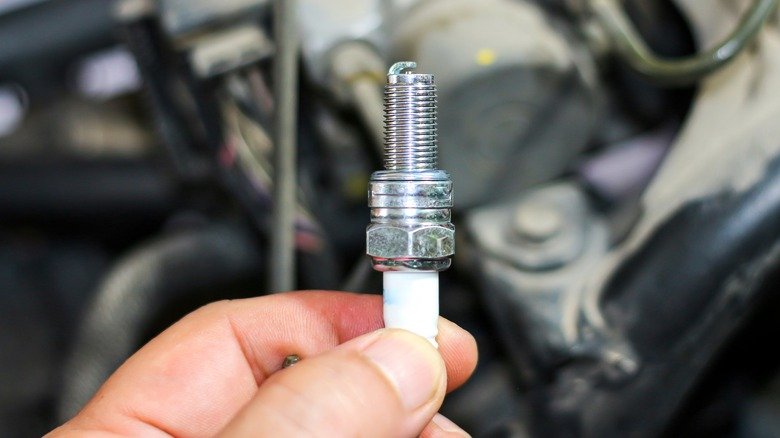
Have you ever wondered about the inner workings of diesel engines? Maybe you’ve heard someone mention spark plugs and thought, “Do diesels have spark plugs?”
You’re not alone. This is a common question that puzzles many car enthusiasts and everyday drivers alike. Understanding the difference between diesel engines and their gasoline counterparts can feel like unraveling a mystery. Yet, it’s a fascinating topic that can give you a deeper appreciation for how your vehicle operates.
We’ll dive into the specifics, clearing up any confusion and giving you the knowledge you need. Stick around, because by the end, you’ll have a clear answer and maybe even a newfound interest in diesel technology.

Credit: www.chase.com
Diesel Engine Basics
Diesel engines power many trucks, cars, and machines worldwide. They work differently from gasoline engines. Understanding their basics helps answer common questions, like “Do diesels have spark plugs?” This section explains how diesel engines operate and what makes them unique.
How Diesel Engines Work
Diesel engines use compression to ignite fuel. Air is drawn into the cylinder and compressed tightly. The high pressure heats the air inside. Diesel fuel sprays into the hot air. It ignites immediately without spark plugs.
This process creates powerful combustion. The burning fuel pushes the piston down. This movement turns the crankshaft and powers the vehicle.
Key Differences From Gasoline Engines
- Diesel engines do not have spark plugs.
- Gasoline engines use spark plugs to ignite fuel-air mix.
- Diesels rely on high compression to start combustion.
- Diesel fuel is heavier and more energy-dense.
- Diesels tend to be more fuel-efficient and durable.
Role Of Spark Plugs In Engines
Spark plugs play a crucial role in many engines, but their presence and function vary depending on the type of engine. Understanding what spark plugs do helps clarify why some engines rely on them while others don’t. Let’s look closely at their role and why they are essential for certain engines.
Function Of Spark Plugs
Spark plugs create a tiny but powerful spark inside the engine’s combustion chamber. This spark ignites the air-fuel mixture, causing a controlled explosion that powers the engine.
Without this spark, the fuel wouldn’t burn at the right time, leading to poor engine performance or complete failure to start. They also help maintain the correct temperature inside the engine to prevent fouling and deposits.
Why Gasoline Engines Use Them
Gasoline engines rely on spark plugs because they use a spark ignition system. The air and fuel mix together before compression, so a spark is necessary to ignite this mixture at the precise moment.
This precise timing allows gasoline engines to run smoothly and efficiently. If you’ve ever tried to start a gasoline engine with a bad spark plug, you know how frustrating it is when the engine won’t fire up or runs roughly.
Have you ever wondered why diesel engines don’t need spark plugs? It’s because they use a different method to ignite fuel, relying on high compression instead of a spark.
Do Diesels Use Spark Plugs?
Wondering whether diesels use spark plugs? It’s a common question among car enthusiasts and everyday drivers alike. Unlike gasoline engines, diesel engines operate differently, which affects the need for spark plugs.
Absence Of Spark Plugs In Diesels
Diesel engines do not have spark plugs. Instead, they rely on compression to ignite the fuel. When air is compressed inside the cylinder, it heats up to a temperature high enough to ignite the diesel fuel injected into the combustion chamber.
This process removes the need for a spark to start combustion. If you’ve ever noticed how diesel engines sound different or take a moment longer to start, this is partly why. The absence of spark plugs means fewer ignition components that can wear out or fail.
Alternative Ignition Methods
Since diesel engines lack spark plugs, they use other methods to ensure reliable ignition. The most common is the use of glow plugs, especially in cold weather.
- Glow plugspreheat the combustion chamber to help start the engine when the temperature is low.
- They work by heating up quickly to raise the air temperature, making it easier for the diesel to ignite.
- Once the engine is warm, glow plugs turn off as compression alone can ignite the fuel.
Understanding this difference can help you maintain your diesel vehicle better. Have you ever wondered why your diesel truck takes a few seconds longer to start on a chilly morning? Now you know it’s because the glow plugs are doing their job.

Credit: m.youtube.com
What Are Glow Plugs?
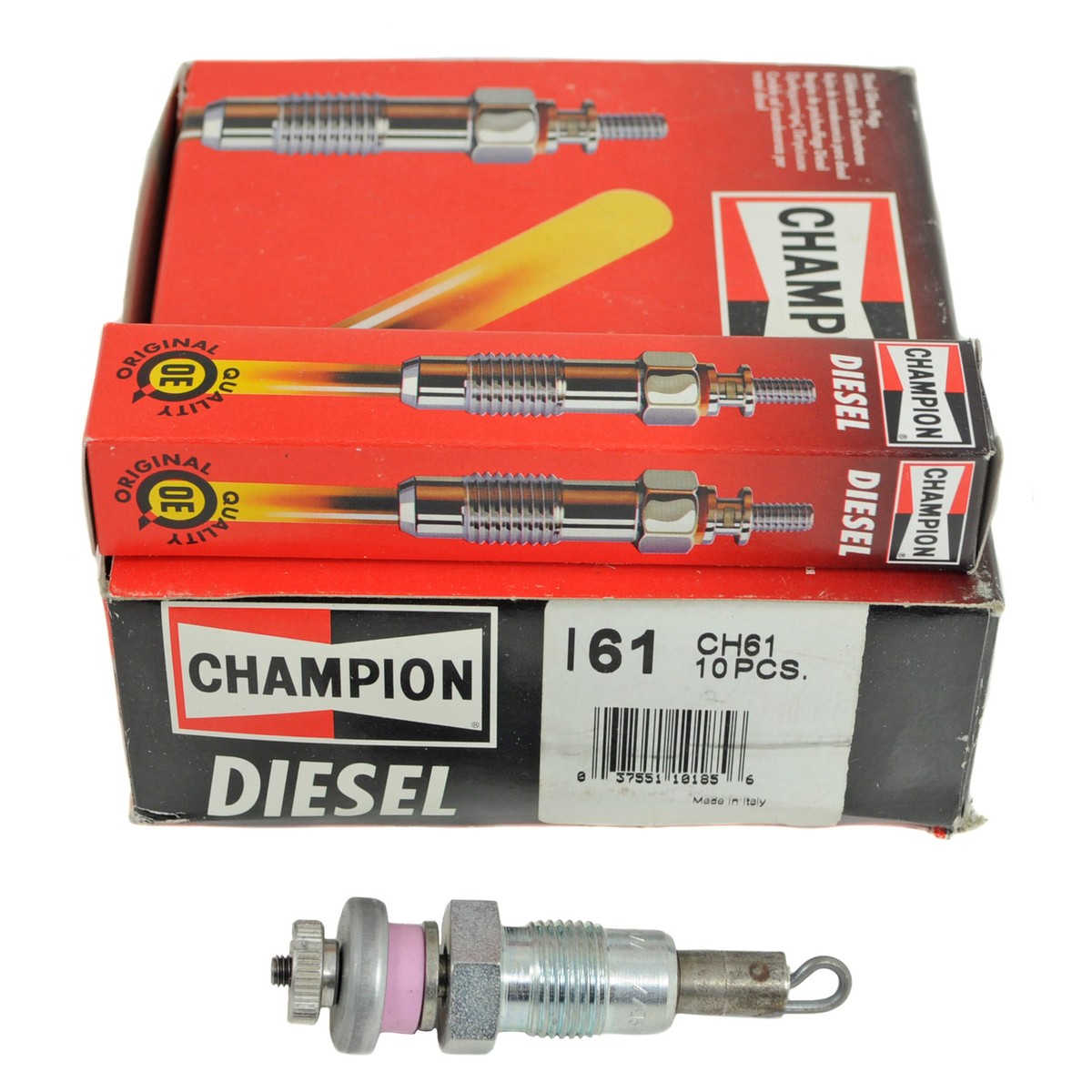
Diesel engines do not use spark plugs like gasoline engines. Instead, they rely on a different component called glow plugs. Glow plugs help start the engine, especially in cold weather. They are small heating devices installed inside the engine’s combustion chamber.
Glow plugs heat the air inside the cylinder before fuel injection. This heating helps the diesel fuel ignite more easily. Without glow plugs, starting a diesel engine in cold conditions can be very hard or impossible.
Purpose Of Glow Plugs
Glow plugs warm the engine’s combustion chamber quickly. This warmth makes the air hot enough to ignite diesel fuel. Diesel engines compress air to high pressure and temperature. But in cold weather, the air may not get hot enough on its own.
Glow plugs provide the extra heat needed to start the engine smoothly. They reduce engine wear caused by hard starting. Glow plugs also lower harmful emissions during cold starts. They turn off automatically once the engine reaches normal temperature.
How Glow Plugs Differ From Spark Plugs
- Glow plugs heat the air; spark plugs create sparks.
- Glow plugs work before combustion; spark plugs fire during combustion.
- Glow plugs are used only in diesel engines.
- Spark plugs are used only in gasoline engines.
- Glow plugs help start the engine in cold weather.
- Spark plugs ignite the fuel-air mix in every engine cycle.
Glow plugs do not create sparks. Instead, they glow red-hot to heat the cylinder air. Spark plugs create electric sparks to ignite the fuel-air mixture. This key difference shows how diesel and gasoline engines start differently.
Common Myths About Diesel Engines
Diesel engines often attract many myths and misunderstandings. These myths can confuse people about how diesels actually work. Clearing up these false ideas helps everyone understand the true nature of diesel technology. Here are some common myths about diesel engines that deserve attention.
Myth: Diesels Have Spark Plugs
Many believe diesel engines use spark plugs like gasoline engines. This is not true. Diesel engines do not have spark plugs at all. They rely on compression to ignite the fuel. Air in the cylinder is compressed until it becomes very hot. Then diesel fuel is injected, and it ignites from the heat alone. No spark is needed for this process. This is a key difference from gasoline engines.
Myth: Diesels Are Less Efficient Because Of Ignition
Some think diesels waste energy due to their ignition method. Diesel engines actually use compression ignition, which is very efficient. This method allows diesel engines to extract more energy from fuel. They often deliver better fuel economy than gasoline engines. Diesel engines run with higher compression ratios, improving efficiency. Their ignition process helps them perform well, not poorly.
Advantages Of Diesel Ignition System
The diesel ignition system works differently from gasoline engines. It does not use spark plugs to ignite the fuel. Instead, it relies on compression to raise the air temperature. This hot air ignites the diesel fuel automatically. This process offers several advantages that make diesel engines preferred in many uses.
Fuel Efficiency Benefits
Diesel engines burn fuel more efficiently than gasoline engines. Higher compression leads to better fuel combustion. This means more energy comes from less fuel. Diesel fuel also contains more energy per gallon. These factors help diesel engines travel farther on the same amount of fuel.
Less fuel use means lower operating costs. This is why trucks and heavy vehicles often use diesel. They save money on fuel over long distances. Fuel efficiency also helps reduce emissions overall.
Durability And Reliability
Diesel engines are built tough to handle high compression. Their components are stronger and last longer. Diesel engines often run for hundreds of thousands of miles without major repairs.
They also perform well under heavy loads and harsh conditions. This reliability makes diesel engines ideal for commercial and industrial use. Many users trust diesel for its long service life and consistent power.
Maintaining Diesel Engines
Maintaining diesel engines requires a different approach compared to gasoline engines. Since diesels don’t use spark plugs, their upkeep focuses on other key parts that keep the engine running smoothly. Paying attention to these components can save you from costly repairs and extend your engine’s life.
Glow Plug Maintenance Tips
Glow plugs are essential in diesel engines, especially for starting in cold weather. Unlike spark plugs, glow plugs heat the combustion chamber to help ignite the fuel.
Check your glow plugs regularly for wear and damage. You can test them using a multimeter to ensure they have the right resistance. If a glow plug is faulty, it can cause hard starts and poor engine performance.
Replacing glow plugs before they fail completely helps avoid frustrating breakdowns. Do you remember a time when your diesel struggled to start in the cold? Maintaining glow plugs could prevent that hassle.
Other Critical Components To Monitor
Besides glow plugs, several parts need your attention to keep a diesel engine healthy.
- Fuel Filters:Clean fuel filters prevent dirt and water from reaching the engine. Replace them as recommended to avoid clogged injectors.
- Air Filters:A clean air filter ensures proper air flow for combustion. Inspect and replace it regularly to improve fuel efficiency.
- Oil and Coolant:Diesel engines rely on clean oil and coolant to run efficiently. Change oil on schedule and monitor coolant levels to prevent overheating.
- Turbocharger:If your diesel has a turbo, watch for unusual noises or loss of power. Turbo maintenance can prevent expensive repairs.
Have you checked these components during your last engine service? Keeping an eye on them can make a big difference in how your diesel performs over time.
Credit: www.ebay.com
Frequently Asked Questions
Do Diesel Engines Use Spark Plugs For Ignition?
No, diesel engines do not use spark plugs. They rely on compression ignition, where air is compressed to a high temperature. This heat ignites the diesel fuel injected into the cylinder. Spark plugs are specific to gasoline engines only.
Why Don’t Diesels Need Spark Plugs?
Diesels generate heat by compressing air in the cylinder, which ignites the fuel. This eliminates the need for spark plugs. The compression ratio in diesel engines is much higher than in gasoline engines, enabling self-ignition of fuel without an external spark.
What Components Replace Spark Plugs In Diesel Engines?
Glow plugs replace spark plugs in diesel engines. They preheat the combustion chamber during cold starts to aid fuel ignition. Glow plugs ensure the engine starts smoothly in low temperatures but do not ignite the fuel during regular operation.
Can A Diesel Engine Run With Faulty Glow Plugs?
Yes, a diesel engine can run with faulty glow plugs, but starting becomes difficult in cold weather. Faulty glow plugs cause longer cranking times and rough idling until the engine warms up. They are crucial for cold starts but not for running the engine.
Conclusion
Diesel engines do not use spark plugs. They rely on compression to ignite fuel. This makes them different from gasoline engines. Diesel engines use glow plugs to help start when cold. Understanding this helps you know how diesel engines work.
It also shows why diesel engines are efficient and strong. Knowing these basics can help with vehicle maintenance. Diesel engines offer good fuel economy and durability. Remember, no spark plugs in diesels—only glow plugs.





