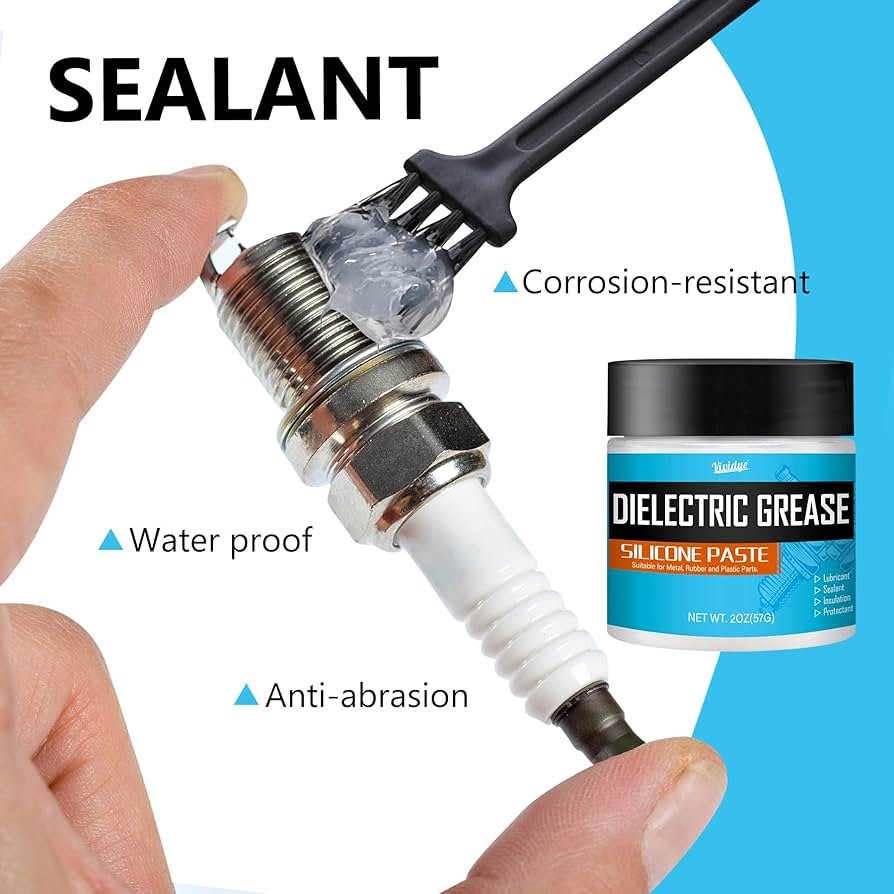
Are you wondering if dielectric grease is really necessary for your spark plugs? If you’ve ever worked on your car or motorcycle, you might have heard conflicting advice.
Using the right products can make a big difference in how your engine runs and how long your spark plugs last. You’ll discover exactly what dielectric grease does, why it matters, and whether it’s worth adding to your maintenance routine.
Keep reading to make sure you’re taking the best care of your engine and avoiding costly mistakes.

Credit: www.amazon.com
Purpose Of Dielectric Grease
Dielectric grease plays an important role in vehicle maintenance. It protects electrical connections and spark plugs from damage. The grease keeps moisture, dirt, and corrosion away. This helps the spark plugs work better and last longer. Understanding its purpose helps decide if it is necessary for your spark plugs.
What Dielectric Grease Does
Dielectric grease is a non-conductive silicone-based lubricant. It seals electrical parts to stop moisture and dirt. It prevents corrosion on metal contacts. The grease also stops electrical arcing between parts. This keeps the spark plug connections clean and reliable. It does not improve spark plug performance directly but protects the parts around it.
Common Applications
- Coating spark plug boots to seal out moisture
- Protecting battery terminals from corrosion
- Sealing connectors in ignition systems
- Lubricating rubber gaskets and seals
- Preventing electrical shorts in wiring harnesses
Using dielectric grease in these areas helps maintain strong electrical connections. It is especially useful in wet or humid environments. Proper use extends the life of spark plugs and other electrical parts.
Benefits For Spark Plugs
Dielectric grease offers several benefits for spark plugs, helping your engine run smoothly. It protects the spark plug components and improves their performance. Understanding these benefits can help you decide if dielectric grease is right for your vehicle.
Preventing Moisture And Corrosion
Moisture can damage spark plugs by causing corrosion. Dielectric grease creates a barrier that keeps water and dirt away. This barrier prevents rust and corrosion on the spark plug’s metal parts. It also stops electrical shorts caused by moisture. Keeping spark plugs dry helps maintain a strong spark and reliable engine performance.
Improving Electrical Insulation
Dielectric grease is a good insulator. It stops electricity from leaking outside the spark plug connection. This ensures the electrical current flows only through the spark plug wire and electrode. Better insulation means a consistent spark and improved engine efficiency. It also reduces the risk of misfires and rough idling.
Enhancing Spark Plug Longevity
Applying dielectric grease helps spark plugs last longer. It reduces wear and tear by protecting against heat and corrosion. The grease also makes spark plug removal easier during maintenance. This saves time and prevents damage to the spark plug and ignition system. Longer-lasting spark plugs mean fewer replacements and better engine reliability.
When To Use Dielectric Grease
Knowing when to use dielectric grease can save you from common engine troubles. It’s not just an optional extra but a smart step for certain spark plug tasks. Let’s look at the key moments when applying this grease makes a real difference in performance and durability.
New Spark Plug Installation
Applying dielectric grease during new spark plug installation helps create a strong seal. It prevents moisture and dirt from creeping into the connection, which can cause misfires or corrosion. You don’t need much—just a thin layer on the inside of the spark plug boot will do the job.
I once skipped this step on a friend’s car, and within months, he faced rough idling due to moisture in the spark plug connection. After adding dielectric grease, the problem vanished. This simple habit can protect your engine from similar issues.
Maintenance And Replacements
During routine maintenance or when replacing spark plugs, dielectric grease keeps the ignition system clean and reliable. It stops the boots from sticking to the spark plugs, making future removal easier and less damaging. This saves you time and prevents costly repairs.
If you notice corrosion or difficulty removing spark plugs, consider whether dielectric grease was used. Adding it during maintenance can improve the lifespan of your spark plugs and ignition wires. Have you experienced stuck boots or corrosion? Dielectric grease might be the solution you need.

Credit: www.youtube.com
Application Tips
Applying dielectric grease to spark plugs requires care and precision. Proper use enhances spark plug performance and prevents issues. Follow these tips to apply the grease correctly and safely.
Correct Amount To Apply
Use a small amount of dielectric grease. Too much grease can cause problems. A thin layer on the boot or connector is enough. The grease should not touch the spark plug electrode. This helps keep the connection clean and secure.
Areas To Avoid
Avoid applying grease on the spark plug threads. Grease here can affect the torque during installation. Do not put grease inside the spark plug gap. This area must stay clean for proper spark. Also, keep grease away from the engine sensors and ignition coil contacts.
Tools And Safety Measures
Use gloves to protect your hands from chemicals. Clean the spark plug area before applying grease. Use a small brush or your finger to spread the grease. Work in a well-ventilated space. Keep the grease container sealed after use to prevent contamination.
Common Myths And Misconceptions
There’s a lot of confusion around using dielectric grease on spark plugs. Some say it’s a must-have, while others warn it could cause problems. Sorting facts from myths helps you make the right choice for your engine’s health.
Grease As A Conductor
A common myth is that dielectric grease conducts electricity. In reality, it’s an insulator, meaning it doesn’t allow electricity to pass through. This is why it’s safe to use around spark plug boots without worrying about electrical shorts.
Many people think applying grease will improve the spark’s path. But since it blocks electricity, it actually prevents unwanted current leaks. This keeps the spark focused where it’s needed—in the combustion chamber.
Impact On Spark Performance
Some believe dielectric grease boosts spark performance by enhancing the connection. But it doesn’t directly affect the spark’s strength or timing. Its role is more about protecting parts from moisture and corrosion.
If you’ve experienced misfires or rough idling, it’s rarely due to grease on spark plugs. Instead, check for worn electrodes or poor ignition timing. Using dielectric grease correctly can prevent issues caused by moisture, but it won’t fix mechanical or electrical faults.
Alternatives To Dielectric Grease
Dielectric grease is popular for spark plugs, but some prefer alternatives. These options can also protect spark plug connections from moisture and corrosion. They offer different features and benefits worth knowing.
Other Protective Compounds
Silicone grease is a common substitute. It resists heat and moisture well. Anti-seize lubricant also helps prevent spark plug threads from sticking. Some mechanics use petroleum jelly, though it lacks heat resistance. Each product serves to protect spark plug parts in different ways.
Pros And Cons Compared
| Compound | Advantages | Disadvantages |
|---|---|---|
| Dielectric Grease | Prevents moisture and corrosion Non-conductive | May cause misfire if over-applied |
| Silicone Grease | Heat resistant Waterproof | Less effective as insulator |
| Anti-Seize Lubricant | Prevents thread seizure Eases removal | Conductive, can cause misfire if misused |
| Petroleum Jelly | Easy to apply Inexpensive | Melts under heat Not durable |

Credit: www.amazon.com
Frequently Asked Questions
What Is Dielectric Grease Used For On Spark Plugs?
Dielectric grease prevents moisture and corrosion on spark plug boots. It also improves electrical insulation and seals connections. This helps maintain a strong spark and reliable engine performance.
Can Dielectric Grease Improve Spark Plug Lifespan?
Yes, dielectric grease protects spark plug connections from corrosion and wear. This reduces misfires and extends spark plug life. Proper application ensures better engine efficiency.
Should I Apply Dielectric Grease To Spark Plug Threads?
No, dielectric grease should not be applied to spark plug threads. Use anti-seize compound on threads instead to prevent seizing and ease future removal.
Does Dielectric Grease Affect Spark Plug Performance?
Dielectric grease does not affect spark plug firing or spark quality. It only improves electrical insulation and protects connections from moisture and dirt.
Conclusion
Dielectric grease can protect spark plugs from moisture and corrosion. It ensures smooth electrical connections and longevity. Regular maintenance with dielectric grease prevents misfires and engine troubles. Applying it is simple and effective for plug care. Consistent use can save time and money on repairs.
Remember, a small amount goes a long way. Keep your vehicle running smoothly with this simple step. It’s a worthwhile addition to your car care routine. Stay mindful of your vehicle’s needs for optimal performance.