Are you wondering how often you should replace your spark plugs? If so, you’re not alone.
Many car owners find themselves puzzled over this seemingly simple yet crucial aspect of vehicle maintenance. Spark plugs might be small, but they play a big role in keeping your engine running smoothly. Ignoring them can lead to decreased performance, lower fuel efficiency, or even costly repairs.
You’ll discover the signs that indicate it’s time for a change, and how often you should really be replacing those spark plugs to keep your car in top shape. By the end, you’ll have the knowledge to make informed decisions that could save you money and headaches down the road. Ready to dive in and learn how to keep your engine purring like a kitten? Let’s get started!
Spark Plug Basics
Spark plugs play a vital role in a vehicle’s engine. They create the spark that ignites the fuel-air mixture inside the cylinders. This ignition powers the engine and keeps the car running smoothly. Understanding the basics of spark plugs helps in knowing when to replace them. Proper spark plug maintenance improves fuel efficiency and engine performance.
Role In Engine Performance
Spark plugs deliver a high voltage spark to ignite the air-fuel mixture. This ignition drives the pistons and produces engine power. Worn or dirty spark plugs cause misfires and reduce engine efficiency. They can lead to rough idling, poor acceleration, and higher fuel consumption. Healthy spark plugs ensure smooth starts and steady engine operation.
Types Of Spark Plugs
Several spark plug types suit different engines. Common types include:
- Copper:Basic and affordable, but wears out faster.
- Platinum:Lasts longer and resists corrosion better.
- Iridium:Most durable with excellent performance and longevity.
Choosing the right type affects engine efficiency and spark plug lifespan. Always check the vehicle manual for recommended spark plugs.

Credit: beachautomotive.com
Signs Of Worn Spark Plugs
Worn spark plugs can quietly sabotage your car’s performance without an obvious warning. Noticing the signs early can save you from costly repairs and keep your engine running smoothly. Here are key indicators that your spark plugs might need a replacement.
Engine Misfires
Have you felt your engine stumble or jerk while driving? This is often a sign of spark plugs failing to ignite the fuel-air mixture properly.
Misfires can cause rough idling and uneven acceleration, making your ride less smooth. Ignoring this issue can lead to damage in other engine components.
Poor Fuel Economy
Are you filling up your gas tank more often than usual? Worn spark plugs reduce combustion efficiency, forcing your engine to burn more fuel.
This inefficiency directly impacts your wallet. Paying attention to sudden drops in mileage can help you catch worn plugs before they drain your fuel budget.
Difficulty Starting
Does your car struggle or take longer to start, especially on cold mornings? Faulty spark plugs often cause weak or inconsistent sparks that hinder ignition.
If you notice repeated hard starts, it’s a sign that your spark plugs may be nearing the end of their life. Replacing them can restore quick and reliable starts.
Replacement Intervals
Replacement intervals for spark plugs vary based on several factors. Knowing the right time to replace them keeps your engine running smoothly. Worn spark plugs can cause poor fuel economy and engine misfires. Understanding different recommendations helps you maintain your vehicle properly.
Manufacturer Recommendations
Car makers provide specific spark plug replacement schedules. These intervals usually range from 30,000 to 100,000 miles. Check your owner’s manual for exact guidance. Following these instructions ensures optimal engine performance. Ignoring them may lead to costly repairs later.
Impact Of Driving Conditions
Harsh driving conditions can shorten spark plug life. Frequent stop-and-go traffic or short trips cause quicker wear. Dusty or wet environments also affect spark plug durability. Heavy towing or high-speed driving demands more frequent checks. Adjust replacement intervals based on how you drive.
Modern Vs Traditional Plugs
Modern spark plugs last longer than traditional ones. Platinum and iridium plugs often reach up to 100,000 miles. Copper plugs typically need replacement every 30,000 miles. Modern plugs resist wear and corrosion better. Knowing your spark plug type helps set proper replacement timing.

Credit: www.slashgear.com
How To Check Spark Plug Condition
Checking the condition of your spark plugs helps keep your engine running smoothly. It can prevent misfires and poor fuel economy. Regular inspections catch problems early, saving you money and time. Learn simple ways to check spark plugs at home.
Visual Inspection Tips
Remove the spark plug carefully using a wrench. Look at the metal tip and ceramic insulator. A healthy spark plug is clean and light gray or tan in color.
- Black, sooty deposits mean a rich fuel mix or weak spark.
- Oily or wet plugs suggest oil leaks inside the engine.
- Cracks or chips on the ceramic show damage and need replacement.
- Worn or rounded electrodes reduce spark quality.
- Check the gap between electrodes; it should match your car’s specs.
Use a wire brush or spark plug cleaner to remove light deposits. Replace the plug if damage or heavy buildup appears.
Using A Spark Plug Tester
A spark plug tester checks if the spark plug fires properly. Connect the tester between the spark plug and ignition wire. Crank the engine and watch the tester for a spark.
- A bright blue spark means the plug is working well.
- A weak or no spark indicates the plug or ignition system may be faulty.
- Test each spark plug to find the bad one.
This tool helps diagnose ignition problems without removing plugs. It is easy to use and gives quick results.
Replacing Spark Plugs
Replacing spark plugs is a key part of keeping your engine running smoothly. Over time, spark plugs wear out, causing rough starts, poor fuel efficiency, and reduced power. Knowing how to replace them yourself can save you time and money.
Tools Required
- Spark plug socket:A deep socket with rubber grip to hold the plug securely.
- Ratchet wrench:For turning the socket and loosening or tightening plugs.
- Torque wrench:To tighten plugs to the correct specification without overdoing it.
- Extension bar:Helps reach plugs that are deep in the engine bay.
- Gap gauge:Ensures the new spark plugs have the correct gap for optimal performance.
- Dielectric grease:Prevents corrosion and helps with spark plug installation.
- Compressed air or brush:To clean debris around spark plug holes before removal.
Step-by-step Replacement Process
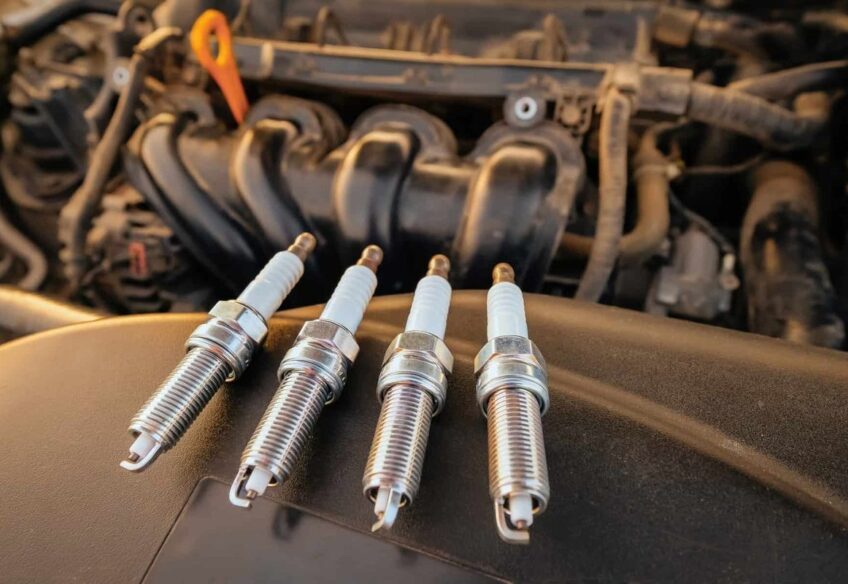
Start by opening your car’s hood and locating the spark plugs. Use compressed air or a brush to clean any dirt around the plug area. This prevents debris from falling into the cylinder when you remove the plug.
Next, carefully remove the spark plug wire or coil-on-plug assembly. Pull straight out to avoid damaging the connection. Use the spark plug socket and ratchet to turn the plug counterclockwise until it comes loose.
Once removed, check the old plug for wear signs like heavy deposits or a worn electrode. Use the gap gauge to set the new plug’s gap according to your vehicle’s manual. Apply a small amount of dielectric grease inside the boot of the spark plug wire or coil.
Thread the new spark plug in by hand first to avoid cross-threading. Then, use the torque wrench to tighten it to the manufacturer’s recommended torque. Reattach the spark plug wire or coil firmly, ensuring a good connection.
Repeat these steps for each spark plug. Have you noticed any difference in your car’s performance after changing your spark plugs yourself? It’s rewarding to see immediate improvements like smoother idling and quicker starts.
Credit: www.westsideauto.com.au
Benefits Of Timely Replacement
Replacing spark plugs on time brings many advantages to your vehicle. It helps keep the engine running smoothly and saves money on repairs. Neglecting spark plug replacement can cause poor performance and higher fuel costs. Regular maintenance ensures your car stays reliable and efficient.
Improved Engine Efficiency
Fresh spark plugs create a strong spark for better fuel ignition. This leads to smoother starts and steady engine power. Your car uses fuel more effectively, reducing waste. Engine efficiency improves, which helps your vehicle run better on every drive.
Reduced Emissions
Worn spark plugs cause incomplete fuel burning. This produces more harmful gases from your car’s exhaust. Timely replacement lowers these emissions, helping the environment. Cleaner exhaust means your vehicle meets pollution rules and runs cleaner.
Longer Engine Life
Good spark plugs reduce engine stress by ensuring proper combustion. This prevents damage to engine parts over time. Regular changes avoid costly repairs and engine wear. A well-maintained engine lasts longer and keeps your car dependable.
Cost Considerations
Cost plays a key role in deciding when to replace spark plugs. Knowing the expenses helps plan your vehicle maintenance budget. Spark plug prices and labor charges vary widely. Choosing between professional service and DIY affects overall cost. Understanding these factors aids smart decisions on spark plug replacement.
Price Of Spark Plugs
Spark plug prices depend on type and brand. Standard copper plugs cost less. Iridium and platinum plugs are more expensive but last longer. Prices range from $2 to $20 per plug. Most cars need four to six plugs. High-performance vehicles might require special plugs, increasing the price. Buying in sets often reduces the cost per plug.
Labor Costs Vs Diy
Professional installation saves time but adds labor fees. Labor costs vary by location and shop rates. Typical labor fees range from $40 to $100 per hour. Replacing spark plugs usually takes one to two hours. Doing it yourself cuts labor costs to zero. DIY requires basic tools and some mechanical skill. Mistakes during installation can cause engine problems. Weigh the savings against the risk and effort.
Frequently Asked Questions
How Often Should Spark Plugs Be Replaced?
Spark plugs typically need replacement every 30,000 to 100,000 miles. Check your vehicle’s manual for exact intervals. Regular replacement ensures engine efficiency and smooth performance.
What Are Signs Of Worn-out Spark Plugs?
Worn spark plugs cause engine misfires, poor fuel economy, rough idling, and difficulty starting. If you notice these, inspect or replace your spark plugs.
Can I Replace Spark Plugs Myself?
Yes, replacing spark plugs is a simple DIY task with basic tools. Follow your car manual carefully to avoid damage and ensure proper installation.
Do Spark Plug Types Affect Replacement Frequency?
Yes, copper spark plugs wear faster, needing replacement around 30,000 miles. Platinum or iridium plugs last longer, up to 100,000 miles or more.
Conclusion
Replacing spark plugs regularly keeps your engine running smooth. Old plugs can cause poor fuel use and engine trouble. Check your car’s manual for the right change time. Signs like rough idling or slow starts mean it’s time to replace them.
Simple care helps avoid bigger repairs later. Keep your vehicle healthy by staying on top of spark plug changes. A small step that saves money and keeps driving easy. Don’t wait for problems; act before they start. Your car will thank you with better performance and fuel savings.





