You’re driving down the road, and suddenly, that dreaded check engine light flickers on. It’s enough to make anyone’s heart skip a beat.
You might wonder, “Is it something serious? Could it be just a minor issue? ” One common culprit that might not immediately come to mind is your spark plugs. Yes, those small but mighty components can indeed trigger that ominous warning light.
But how exactly do spark plugs influence your car’s performance and health? And more importantly, what can you do about it? Stick with us as we delve into the world of spark plugs and uncover why they might be behind your check engine light woes. Discover simple solutions and insights to keep your car running smoothly and your mind at ease.
Credit: www.mccluskeychevrolet.com
Check Engine Light Basics
The check engine light on your dashboard can catch you off guard. It’s a warning system designed to alert you when your vehicle’s computer detects an issue. Understanding the basics of this light can help you decide your next move before panic sets in.
What Triggers The Light
The check engine light can turn on for many reasons, ranging from minor to serious. It activates when your car’s computer senses a problem with the engine, emissions, or other critical systems.
- Loose or damaged gas cap
- Faulty oxygen sensor
- Malfunctioning spark plugs
- Issues with the catalytic converter
- Problems with the mass airflow sensor
Have you ever ignored this light, thinking it was nothing? Small issues can escalate quickly if left unchecked.
Common Engine Issues
Among the frequent causes of the check engine light is bad spark plugs. These tiny components play a big role in how your engine runs. When they fail, your engine may misfire, run rough, or lose power.
Other common issues include:
- Ignition coil problems causing weak sparks
- Fuel injector faults disrupting fuel delivery
- Vacuum leaks affecting air-fuel mixture
Have you noticed your car hesitating or stalling? These symptoms often accompany a check engine light and can point toward spark plug trouble or related engine problems.

Credit: www.fcmuffler.com
Role Of Spark Plugs
Spark plugs play a crucial role in your vehicle’s engine. They create the spark that ignites the air-fuel mixture inside the engine cylinders. Without properly functioning spark plugs, your engine can’t perform at its best, which might even trigger the check engine light.
Function In Engine Performance
Spark plugs deliver the electrical spark needed to ignite the fuel-air mixture. This ignition causes the combustion that powers your engine. If a spark plug is faulty, the combustion process becomes uneven or weak.
Uneven combustion leads to rough idling, poor fuel economy, and reduced power. The engine may misfire or hesitate when you accelerate. This directly affects how smoothly your car runs and can cause the check engine light to come on.
Signs Of Worn Spark Plugs
How do you know if your spark plugs need attention? Here are some common signs:
- Engine misfires or runs roughly
- Difficulty starting the engine
- Reduced fuel efficiency
- Decreased acceleration response
- Check engine light illumination
Ignoring these signs can lead to bigger engine problems. You might find yourself stuck on the road or paying more for fuel. Have you checked your spark plugs recently to avoid these issues?
Link Between Spark Plugs And Check Engine Light
The check engine light on your dashboard can be a source of anxiety, especially when you’re unsure what triggered it. One common yet often overlooked cause is bad spark plugs. Understanding how spark plugs relate to this warning light can save you time and money on repairs.
How Faulty Spark Plugs Affect Sensors
Spark plugs ignite the air-fuel mixture inside your engine’s cylinders. When they malfunction, combustion becomes uneven or incomplete. This irregular firing causes sensors, like the oxygen sensor or the crankshaft position sensor, to detect abnormal engine behavior.
These sensors send data to your car’s computer system. If the information indicates poor performance or emissions issues, the check engine light activates. Have you ever noticed rough idling or poor acceleration before the light came on? That’s often the spark plugs signaling a problem through your sensors.
Error Codes Related To Spark Plugs
When the check engine light turns on due to spark plug issues, your vehicle’s diagnostic system stores specific error codes. Mechanics use these codes to pinpoint the problem quickly. Codes like P0300 (random/multiple cylinder misfire) or P0301-P0308 (cylinder-specific misfires) often point directly to spark plug troubles.
Other codes related to ignition timing or emissions can also hint at faulty plugs. You can even use an OBD-II scanner at home to check for these codes yourself. This can help you decide if you need new spark plugs or if the issue lies elsewhere.

Credit: www.reddit.com
Diagnosing Spark Plug Problems
Diagnosing spark plug problems is key when your check engine light comes on. Spark plugs play a vital role in your engine’s performance, and spotting their issues early can save you from costly repairs. Let’s look at how you can identify spark plug faults effectively.
Using An Obd-ii Scanner
An OBD-II scanner is a handy tool that plugs into your vehicle’s diagnostic port. It reads error codes from your car’s computer, helping you pinpoint if a spark plug is causing trouble. These codes often hint at misfires, which are common signs of spark plug problems.
Once you have the code, you can research what it means or share it with a mechanic. This approach can save time and money by targeting the exact issue. Have you ever tried scanning your car yourself? It’s easier than most people think.
Visual Inspection Tips
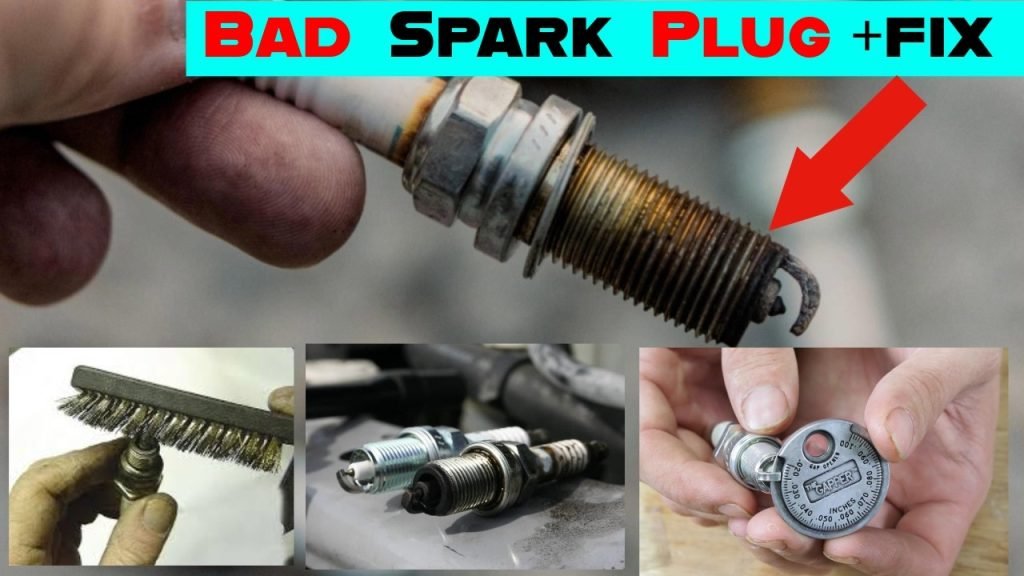
Sometimes, a simple look can reveal spark plug issues. First, remove the spark plugs carefully and check for signs like carbon buildup, cracks, or worn electrodes. These are clear indicators that your spark plugs need replacement.
Keep an eye out for oil or fuel deposits, which can suggest other engine problems affecting your plugs. Using a magnifying glass can help you spot fine cracks or damage. Don’t rush this step—thoroughness can prevent misdiagnosis.
Fixing Spark Plug Issues
Fixing spark plug issues is key to keeping your car running smoothly. Bad spark plugs can trigger the check engine light. Replacing them quickly prevents engine misfires and poor fuel economy.
Understanding how to replace spark plugs and what to expect helps you avoid surprises. Knowing the cost and time involved lets you plan maintenance better.
Replacement Guidelines
Always use spark plugs that match your vehicle’s specifications. Check the owner’s manual for the right type and gap size. Remove the old spark plugs carefully to avoid damaging the threads.
Clean the area around each plug before removing it. Use a torque wrench to tighten new plugs to the correct setting. Over-tightening can harm the engine.
Replace spark plugs one at a time to keep the ignition wires or coils in place. Inspect wires and coils for wear and replace if needed.
Cost And Time Estimates
| Service | Average Cost | Time Required |
|---|---|---|
| Spark Plug Replacement (Parts Only) | $10 – $20 per plug | — |
| Labor Cost | $40 – $100 | 30 to 60 minutes |
| Total Estimated Cost | $60 – $140 | 30 to 60 minutes |
Cost varies by car model and spark plug type. Labor takes less than an hour for most vehicles. Doing the job early saves money on fuel and repairs later.
Preventing Future Problems
Preventing future problems with your spark plugs is key to keeping your engine running smoothly and avoiding that dreaded check engine light. Paying attention to regular care and making smart choices can save you time, money, and stress down the road. Let’s look at some practical steps you can take to protect your vehicle.
Maintenance Schedule
Sticking to a consistent maintenance schedule for your spark plugs is crucial. Check your vehicle’s manual to know the recommended replacement intervals—usually between 30,000 and 100,000 miles depending on the type.
Ignoring this can lead to misfires, poor fuel economy, and eventually trigger the check engine light. Setting reminders for inspections or replacements ensures you catch wear early and avoid bigger engine problems.
Choosing Quality Spark Plugs
Not all spark plugs are created equal. Investing in high-quality plugs designed for your vehicle’s make and model improves performance and longevity.
Cheap or incorrect spark plugs can wear out faster and cause engine issues, including triggering the check engine light. Think about it this way: spending a little more on reliable spark plugs now can prevent costly repairs later.
Frequently Asked Questions
Can Bad Spark Plugs Trigger The Check Engine Light?
Yes, faulty spark plugs can cause the check engine light to turn on. They affect engine performance and emissions, leading to error codes.
How Do Bad Spark Plugs Affect Engine Performance?
Bad spark plugs cause misfires, rough idling, and poor acceleration. This reduces fuel efficiency and increases emissions, triggering warning lights.
Can Replacing Spark Plugs Turn Off The Check Engine Light?
Replacing bad spark plugs often resolves misfire-related issues. Once fixed, the check engine light may turn off after a few drive cycles.
What Symptoms Indicate Spark Plugs Need Replacement?
Look for engine misfires, rough idle, poor fuel economy, and difficulty starting. These symptoms often accompany a check engine light related to spark plugs.
Conclusion
Bad spark plugs can trigger the check engine light. They affect engine performance and fuel efficiency. Replacing faulty plugs often solves the problem quickly. Regular maintenance helps avoid unexpected issues. Watch for signs like rough idling or poor acceleration. A simple spark plug check can save time and money.
Stay alert to keep your car running smoothly. Don’t ignore the check engine light—it’s a helpful warning. Taking care of spark plugs keeps your engine healthy.





