The best time to use GrubEx isn’t about the calendar, it’s about biology. If you apply it too early or too late, you’re just throwing granules on the lawn and hoping for the best. GrubEx works by targeting young, feeding grubs, so timing your application to their lifecycle is everything. Miss that window, and you’ll waste money while your turf stays vulnerable.
In our research, manufacturer specifications and university extension data consistently show that soil temperature is the real trigger, not the date on your phone. As of 2026, chlorantraniliprole-based products like GrubEx remain one of the most effective preventive options, but only when applied within the narrow 55, 65°F soil temp range that signals active grub feeding. That’s why your region, grass type, and local microclimate all dictate your personal application schedule.
Why Timing Matters for GrubEx
GrubEx isn’t a cure, it’s a shield. It prevents damage by stopping grubs before they chew through your roots. But that shield only works if the grubs are actually eating when the product is active in the soil. Apply it too early, and it breaks down before hatch.
Too late, and the grubs have already tunneled deep or stopped feeding for the season. Either way, you get patchy results and a thinner wallet.
Think of it like locking your car: you don’t wait until after the theft to click the fob. You lock it before the risk window opens. Same idea here. GrubEx needs to be in the root zone exactly when new larvae start munching, usually within days of egg hatch.
That’s why timing isn’t optional; it’s the entire point.
How Grubs Work—and Why That Dictates Your Schedule
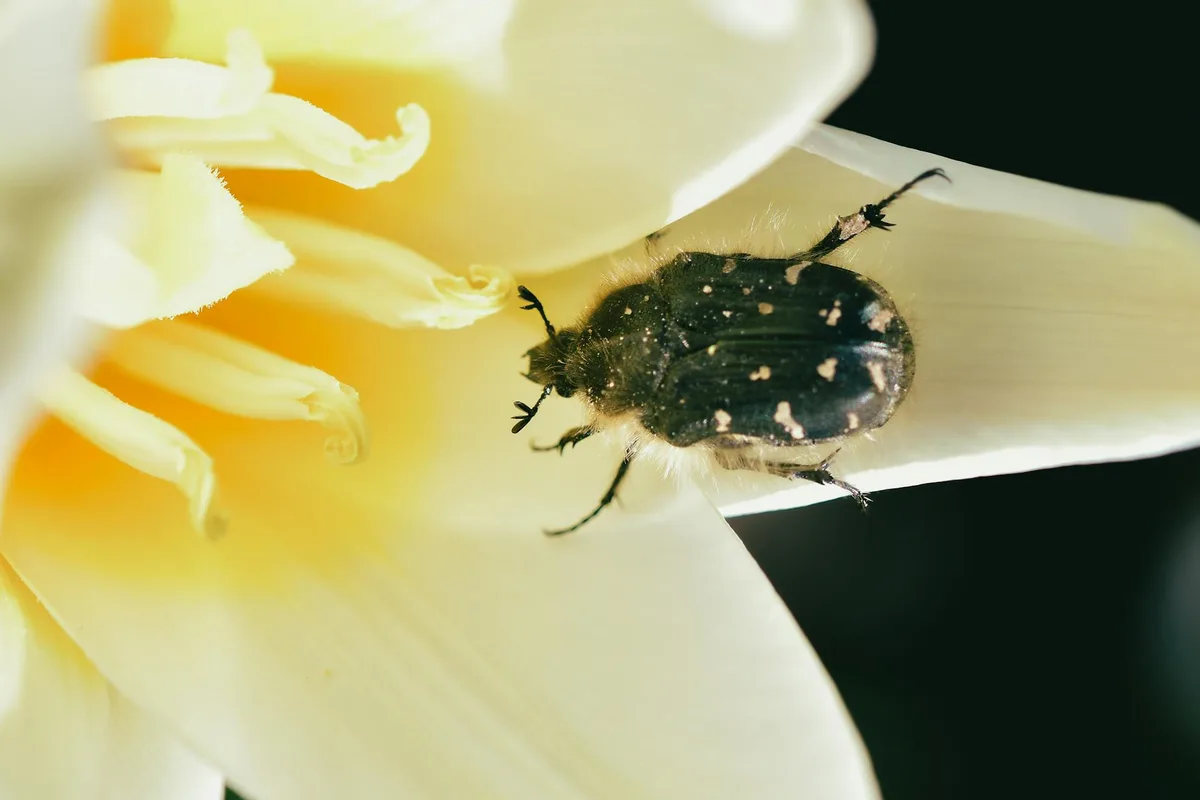
White grubs, the larvae of Japanese beetles, June beetles, and masked chafers, don’t just appear overnight. They follow a predictable seasonal rhythm tied tightly to soil warmth. Adult beetles lay eggs in mid-to-late summer, but those eggs don’t hatch immediately. They wait for consistent soil temps above 55°F, usually in late spring or early fall depending on your zone.
Once hatched, the tiny larvae feed aggressively on grass roots for 4, 8 weeks before burrowing deeper to overwinter.
This feeding window is your only shot with GrubEx. The active ingredient, chlorantraniliprole, gets taken up by grass roots and poisons grubs when they bite. But if grubs aren’t feeding, or if they’ve already grown too large, the product can’t reach them. That’s why understanding the local grub lifecycle isn’t academic; it’s practical lawn defense.
Your Region Decides Your Window
There’s no national “GrubEx day.” Your ideal application window shifts dramatically based on latitude and grass type. Cool-season lawns in the northern U.S. (think Minnesota, Michigan, New York) see peak grub hatch in late May to early June. Warm-season lawns in the South (Texas, Georgia, Florida) face their main threat in August and September.
The transition zone, Kansas, Kentucky, parts of Virginia, gets hit twice: once in spring, once in fall.
Even within regions, microclimates matter. A south-facing slope warms faster than a shaded backyard. Coastal areas lag behind inland zones by 2, 4 weeks. Relying on a generic “apply in spring” tip from a forum or box label will often land you weeks off-target.
Always cross-check with local soil temps and extension service alerts.
Soil Temperature: The Real Trigger (Not the Calendar)
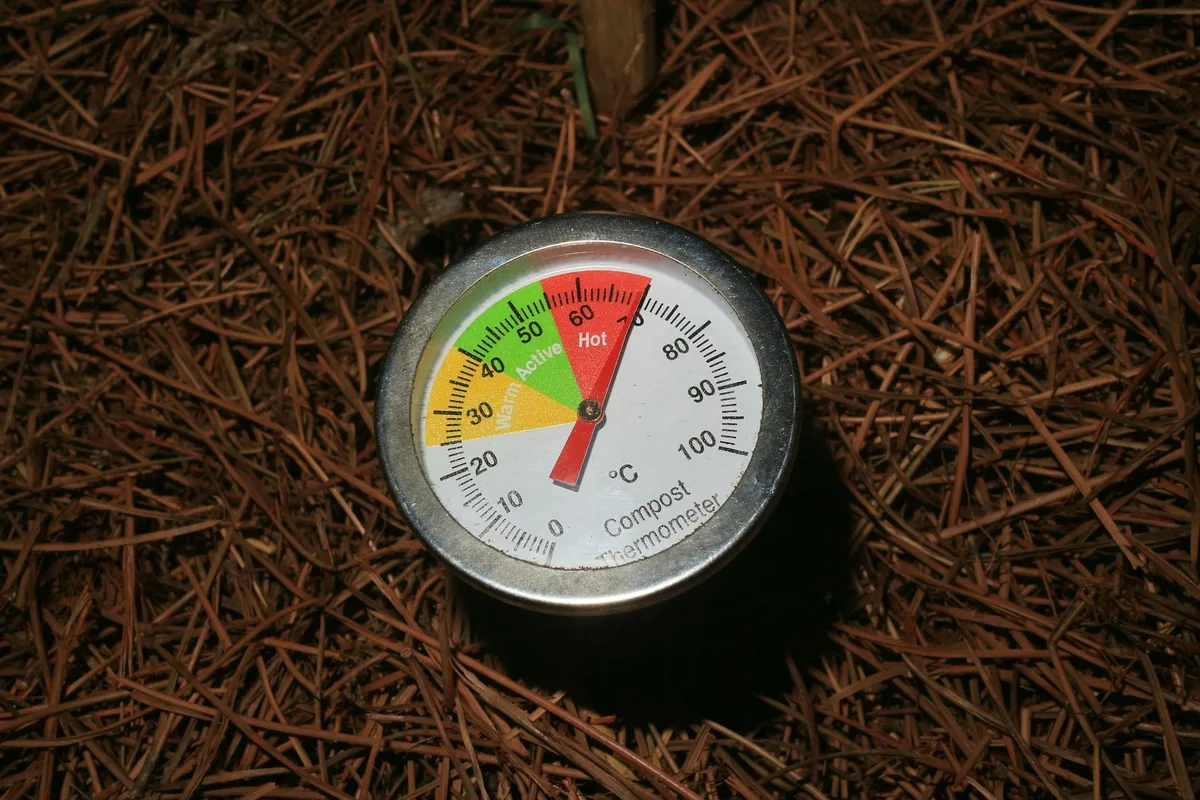
Forget what the calendar says. Soil temperature is the only metric that matters for GrubEx timing. Grubs begin feeding when the top 4 inches of soil consistently hit 55°F and stay there. Below that, they’re dormant.
Above 65°F, many species slow feeding or move deeper. GrubEx works best in that sweet spot: 55, 65°F.
You can’t guess this by feeling the air or checking your patio stones. Air temp fluctuates daily; soil temp changes slowly and lags behind. A single warm day in April doesn’t mean it’s go-time. You need 3, 5 consecutive days of stable soil temps in the target range.
That’s why guessing leads to wasted product, and vulnerable grass.
How to Check Soil Temp Like a Pro
Checking soil temperature isn’t complicated, but it does require a simple tool: an outdoor soil thermometer (around $10, $15 at garden centers or online). Don’t use a meat thermometer, they’re not calibrated for this. Insert the probe 4 inches deep in a representative lawn area (avoid compost piles, sprinkler zones, or bare patches). Take readings in the early morning for consistency, and log them for 3, 5 days.
If you don’t have a thermometer, some weather stations and university extension sites publish regional soil temp maps. But local variation still applies, your backyard may differ from the county average. When in doubt, err on the side of waiting. Applying GrubEx too early is far costlier than waiting an extra week.
Cool-Season Lawns: When to Apply in the North
If you're growing Kentucky bluegrass, tall fescue, or ryegrass from Minnesota down to Pennsylvania, your main grub hatch happens in late spring. Soil temps in the 55, 65°F range typically arrive between mid-May and early June, depending on snowmelt and spring rains. That’s your prime window. Apply GrubEx then, and you’ll catch the first wave of larvae just as they start feeding.
Don’t wait for beetle sightings. Adult Japanese beetles emerge in June and July, but their eggs don’t hatch until soil warms the following spring. By the time you see beetles, it’s already too late for prevention. Proactive northern homeowners treat in late May, right after the last frost and once soil temps stabilize.
A single application usually covers the entire risk period.
Warm-Season Lawns: Timing for the South and Transition Zone
Bermuda, zoysia, and St. Augustine lawns in Texas, Georgia, and the Carolinas face a different schedule. Here, grubs hatch in late summer, August through September, when soils stay warm well into fall. Apply GrubEx too early in spring, and it breaks down before the real threat arrives.
Wait until soil temps hit 60°F in August, and you’ll hit the sweet spot.
The transition zone, stretching from Kansas to Virginia, gets tricky. You might see two smaller hatches: one in late spring, another in early fall. Many turf managers split applications or choose a single late-summer treatment to cover the bigger fall risk. Check your local extension service; they often publish regional hatch forecasts based on degree-day models.
Step-by-Step: Applying GrubEx at the Right Time
Once your soil hits the target range, act within 7, 10 days. Mow your lawn first to reduce thatch, which can block granules from reaching the soil. Use a broadcast or drop spreader set to the rate on the label, usually around 2, 3 lbs per 1,000 sq ft. Walk at a steady pace to avoid streaks or gaps.
Water immediately after application. GrubEx needs moisture to dissolve and move into the root zone. Aim for ½ inch of irrigation within 24 hours. Skip mowing for 48 hours to let the product settle.
If rain is forecast, still water lightly, natural rainfall can be uneven and may not penetrate thick turf.
What If You Miss the Window?
Missing your ideal window doesn’t mean all is lost. If it’s only a week or two late and grubs are still small, GrubEx may still offer partial control. But if soils are above 70°F and grubs are large, switch tactics. Curative products like trichlorfon (Dylox) work faster on mature larvae, though they’re less effective and require precise timing.
In extreme cases, like visible turf lifting or heavy bird digging, you may need both. Apply a curative first to knock down active feeders, then follow with GrubEx the next season to prevent reinfestation. Never apply two insecticides at once without checking label compatibility.
Common Timing Mistakes That Waste Money
Applying based on the calendar is the top error. We’ve seen homeowners in Ohio treat on Memorial Day weekend for years, only to learn their soil was still below 50°F. Others in Florida apply in March, long before southern grubs are active. Both scenarios leave lawns unprotected when it counts.
Another trap: over-relying on beetle sightings. Adults don’t equal immediate grubs. Eggs take weeks to develop, and hatch depends on soil warmth, not beetle numbers. Also, don’t skip the soil temp check because “it worked last year.” Microclimates shift, and product efficacy drops fast outside the optimal range.
GrubEx vs. Other Grub Treatments: Timing Differences
GrubEx isn’t your only option, but it’s one of the few that works preventively with a long residual window. Products like imidacloprid and clothianidin also prevent grubs but require earlier application, sometimes 6, 8 weeks before hatch, because they move slower through the soil. That makes them riskier if your timing is off by even a couple of weeks.
Curative treatments like trichlorfon (Dylox) act fast on large grubs but only last 10, 14 days. They’re best for emergency use, not season-long protection. Biological options such as beneficial nematodes need cool, moist soils and precise timing to survive, which limits their reliability in hot or dry climates.
If you’re in a high-risk area with recurring infestations, GrubEx’s 4-month window offers more forgiveness. But if you’ve already seen damage, don’t waste time, switch to a curative immediately and plan for prevention next season.
Signs You’re Too Late (and What to Do Instead)
Brown patches that peel back like carpet are the classic red flag. Birds, raccoons, or skunks digging up your lawn are even clearer signals, they’re after the protein-rich grubs. If you can roll back the turf with your hands, the roots are already gone.
At this point, GrubEx won’t help. The grubs are too large, deep, or finished feeding. Instead, apply a curative insecticide within 48 hours and water it in lightly. Resist the urge to overwater, soggy soil stresses grass further and can drown beneficial microbes.
After rescue treatment, focus on recovery. Aerate, overseed if needed, and avoid heavy fertilization until fall. Prevention next year starts now: mark your calendar for the right soil temp window and consider a split application if you’re in the transition zone.
Final Decision Guide: Pick Your Perfect Application Window
Your ideal GrubEx timing hinges on three things: your grass type, your region, and your soil temperature. Cool-season lawns in the north go late May to early June. Warm-season lawns in the south target August to September. Transition zones may need a late-summer focus or split timing.
Always confirm with a soil thermometer. If temps aren’t stable in the 55, 65°F range, wait. Better to be a week late than a month early. And remember: seeing beetles doesn’t mean it’s time, it means eggs were laid, not that they’ve hatched.
When in doubt, check your local university extension. They track regional hatch models and often publish alerts. Pair that with a soil temp log, and you’ll hit your window every time.





