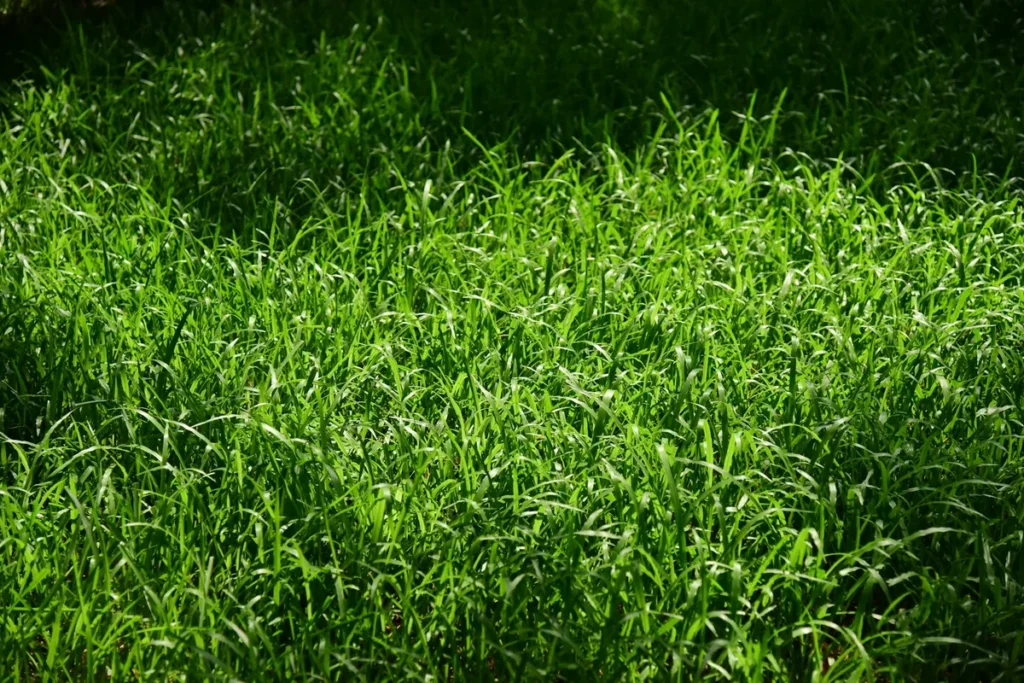
The best time to plant Kentucky bluegrass isn’t just about picking a month, it’s about hitting the narrow window where soil warmth, air temperature, and seasonal rainfall align to give seedlings their strongest start. If you seed too early, summer heat can scorch young shoots; too late, and roots won’t establish before winter freeze. In our research, fall seeding consistently outperforms spring across most regions, with soil temperatures between 50, 65°F (10, 18°C) delivering the highest germination success rates as of 2026.
Kentucky bluegrass thrives in cool-season climates, but your exact planting date depends on local conditions, not a generic calendar. Whether you’re laying sod, spreading seed on bare soil, or overseeding an existing lawn, timing dictates survival. Let’s walk through the key factors that determine your ideal window, starting with why fall usually wins.
Why Timing Matters for Kentucky Bluegrass
Kentucky bluegrass isn’t like fast-germinating ryegrass or drought-hardy fescue. It’s a slow starter that needs steady cool weather to develop deep roots before facing temperature extremes. Plant at the wrong time, and you’ll get patchy growth, weed invasion, or outright seedling death. Get it right, and you’ll have a dense, self-repairing lawn that looks lush for years.
The core issue is this: Kentucky bluegrass germinates best when soil stays consistently between 50, 65°F (10, 18°C). Below 50°F, germination stalls; above 65°F, seedlings struggle with heat stress and moisture loss. That sweet spot rarely overlaps with spring’s unpredictable swings or summer’s intensity, but it shows up reliably in early fall across most of its growing range.
The Two Golden Windows: Fall vs. Spring
There are really only two viable seasons to plant Kentucky bluegrass: early fall and mid-to-late spring. Everything else is compromise.
Fall seeding (late August to mid-October, depending on zone) gives grass 6, 8 weeks of cool weather to establish before dormancy. Days are shorter, nights cooler, and rainfall more consistent, perfect for steady root growth without evaporation stress. Plus, fewer weeds compete this time of year.
Spring seeding (mid-April to late May) can work if you’re in a colder zone where fall rains were scarce, but it comes with risks. Soil warms quickly, crabgrass seeds explode to life, and summer heat arrives fast. Spring-planted bluegrass often looks good at first, then thins out by August.
If you’re choosing between the two, fall wins nine times out of ten, unless your region had a wet summer and dry fall forecast.
Know Your Zone: Climate Dictates Your Calendar
Kentucky bluegrass grows best in USDA hardiness zones 3, 7. Outside that range, especially in the humid South or arid Southwest, it struggles with disease, drought, or extreme heat. Even within those zones, microclimates matter. A yard in Minneapolis (zone 4b) should seed by early September, while one in northern Virginia (zone 7a) can wait until mid-October.
Check your local extension service’s frost date charts. Your target seeding date should be 8, 10 weeks before your first average hard frost. That gives seedlings enough time to reach mowing height and develop winter-hardy roots. Don’t rely on calendar months alone, track actual soil temps instead.
Soil Temperature: The Real Deciding Factor
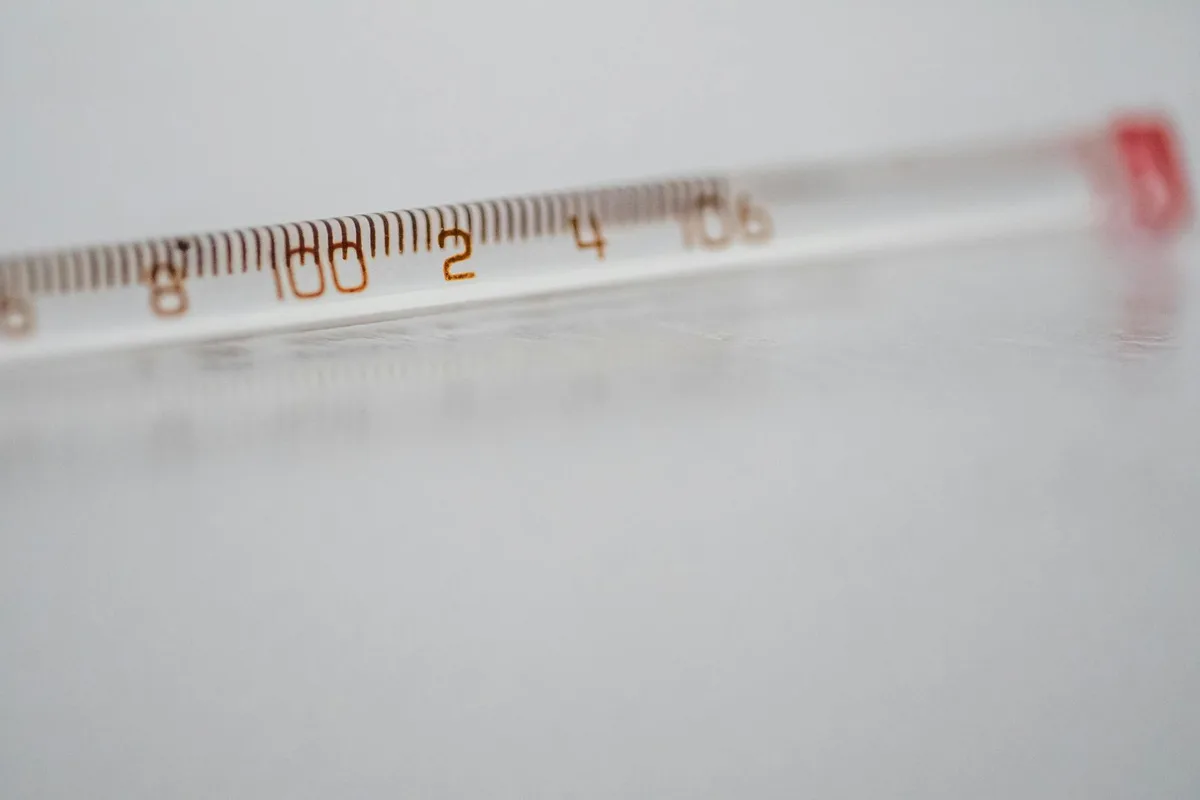
Forget the calendar. The only metric that truly matters is soil temperature at 1-inch depth. Kentucky bluegrass won’t germinate reliably below 50°F (10°C), and above 65°F (18°C), seedlings face heat stress and rapid moisture loss.
Use a soil thermometer (available at garden centers for under $15) and check it at 9 a.m. for three consecutive days. If it reads 55, 60°F consistently, you’re in the zone. In most northern states, this happens in late August to early September. In milder zones like 6b, 7a, it might not hit that range until mid-September.
Pro tip: Don’t guess based on air temperature. Soil lags behind air by several degrees and stays more stable, critical for even germination.
New Lawn vs. Overseeding: Different Timing Rules
Planting into bare soil? You’ve got a bit more flexibility because you control prep and watering. Overseeding an existing lawn? Timing gets stricter, you need active growth without competition.
For new lawns, aim for 8, 10 weeks before your first hard frost. That gives seedlings time to tiller and knit together. Late August to early September is ideal in zones 3, 5; push to mid-September in zones 6, 7.
For overseeding, the window narrows. Do it 6, 8 weeks before frost so new grass establishes before winter. Avoid overseeding in spring unless you’re repairing winter damage, it’s harder to keep soil moist under mature grass, and crabgrass will outcompete slow-starting bluegrass.
Either way, aerate first. Seed-to-soil contact is non-negotiable for germination.
Step-by-Step: How to Hit Your Planting Window
Hitting the right week isn’t enough, you need the right prep and follow-through. Even perfect timing fails without proper soil contact, consistent moisture, and protection from birds or foot traffic.
Start by clearing debris and mowing low (1.5 inches). For new lawns, till 4, 6 inches deep and amend compacted soil with compost. For overseeding, power rake or dethatch to expose bare soil. Then aerate with a core aerator, pulling plugs opens channels for seed, water, and oxygen.
Broadcast seed evenly using a drop or broadcast spreader at the rate on the bag (usually 2 lbs per 1,000 sq ft for overseeding, 3 lbs for new lawns). Lightly rake to cover seed with ¼ inch of soil, then roll gently to press seed into contact. Water immediately.
Pre-Seed Prep Checklist
- Test soil pH (aim for 6.0, 7.0); lime if below 6.0
- Remove weeds manually or with pre-emergent (only if not seeding, pre-emergents block grass germination too)
- Aerate compacted areas
- Level low spots to prevent puddling
- Choose a coated seed blend for better moisture retention
Seeding Day: What to Do (and Not Do)
Water lightly but thoroughly right after seeding, enough to moisten the top inch without washing seed away. Then water twice daily for the first two weeks, keeping the surface damp but not soggy. Think “damp paper towel,” not “puddle.”
Don’t walk on seeded areas. Don’t let the soil dry out for more than a few hours during germination. And don’t fertilize heavily at seeding, use a starter fertilizer with higher phosphorus (like 10-20-10) to boost root development, not leaf growth.
Post-Seed Care for Strong Roots
After germination (usually 14, 21 days), reduce watering to once daily, then every other day, encouraging roots to grow deeper. Mow for the first time when grass reaches 3.5 inches, never remove more than one-third of blade height.
Apply a light nitrogen feed (½ lb per 1,000 sq ft) 6, 8 weeks after seeding to support fall root growth. Avoid heavy fertilization before winter; it promotes tender growth that won’t harden off.
Common Mistakes That Ruin Your Timing
Seeding based on calendar dates instead of soil temperature tops the list. August 15 might feel “early,” but if soil’s still 70°F, you’re asking for trouble. Similarly, waiting for “perfect” weather often means missing the window entirely, aim for good enough conditions within your zone’s safe range.
Overwatering is another trap. New seedlings drown in soggy soil as easily as they die in dry. Shallow, frequent watering keeps roots near the surface, making them vulnerable to drought later. Deep, less frequent watering after germination builds resilience.
Skipping soil prep guarantees patchy results. Kentucky bluegrass won’t grow through thatch or compacted clay. If you don’t aerate or till, you’re just scattering seed on mulch.
Spring vs. Fall: Side-by-Side Comparison
| Factor | Fall Seeding | Spring Seeding |
|---|---|---|
| Soil temperature | Consistently 50–65°F | Unpredictable, often too warm |
| Weed competition | Low (crabgrass dormant) | High (crabgrass germinates with grass) |
| Moisture stress | Moderate (cooler temps, fall rains) | High (summer heat arrives fast) |
| Root development | 6–8 weeks before frost | Often cut short by summer |
| Best for | New lawns, large renovations | Small repairs, winter damage fixes |
Fall wins on every metric except one: if your lawn took a beating from snow mold or ice damage, spring overseeding may be your only option. Even then, do it as early as soil allows, late April at the latest in most zones.
What If You Miss the Window? Damage Control Options
If you’re staring at November snow or June heat, don’t panic, you’ve got backups. For missed fall seeding, hold onto your seed (store in a cool, dry place) and plan for early spring, but treat it as a repair job, not a full lawn build. Use a fast-germinating companion like perennial ryegrass to fill gaps while bluegrass establishes.
In extreme cases, consider sodding. Sod bypasses the germination window entirely and gives instant cover, though it’s 3, 5 times more expensive than seed. It’s worth it for high-traffic areas or slopes prone to erosion.
Another option: dormant seeding. In late fall (after soil drops below 40°F but before ground freezes), spread seed. It won’t germinate until spring, but snow and frost help work it into the soil. It’s risky, birds, erosion, and spring washout can steal seed, but better than nothing.
Final Decision Guide: When to Plant Based on Your Situation
Your ideal planting date isn’t universal, it’s personal. Here’s how to decide:
- You’re in zones 3, 5, planting a new lawn: Seed between August 20 and September 15. Prioritize soil temp over calendar.
- You’re in zones 6, 7, overseeding: Aim for September 10, October 10. Watch for early frosts.
- You have heavy clay or shade: Add 1, 2 weeks to your window, these conditions slow germination.
- Your spring was wet and fall looks dry: Shift to early spring, but overseed lightly and irrigate carefully.
- You’re repairing winter damage: Overseed in late April, but accept that summer survival odds drop.
When in doubt, check your local extension office’s soil temp reports. They track regional averages and often post weekly updates through October. Planting smart beats planting early, every time.





