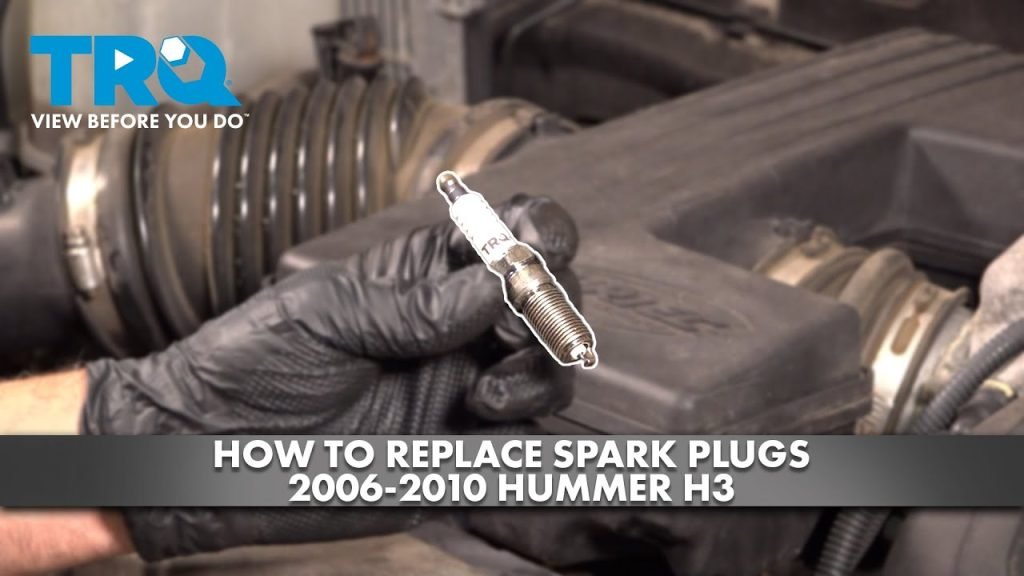
If your car isn’t running as smoothly as it used to, a worn-out spark plug could be the reason. Replacing a spark plug might sound tricky, but with the right steps, you can do it yourself and save time and money.
Imagine getting your engine back to its best performance without waiting for a mechanic. In this guide, you’ll learn exactly how to replace a spark plug in your car—quickly, safely, and with confidence. Keep reading, and you’ll discover simple tips that make the whole process easier than you think.
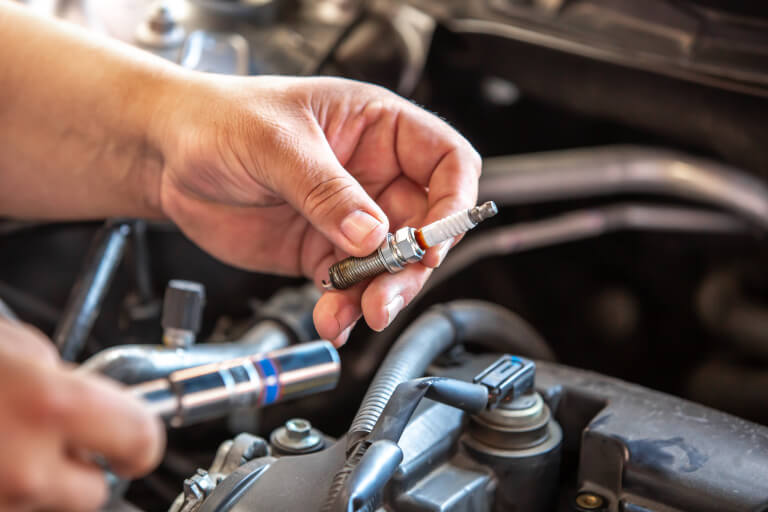
Credit: www.blackcircles.com
Signs Of A Bad Spark Plug
Knowing the signs of a bad spark plug can save you time and money on repairs. Spark plugs play a crucial role in your car’s engine performance, and when they fail, your vehicle will show clear symptoms. Recognizing these signs early helps you decide when to replace them before bigger issues arise.
Engine Misfires And Rough Idling
If your engine feels like it’s skipping or hesitating, it could be a sign of a bad spark plug. Misfires happen because the spark plug isn’t igniting the fuel-air mixture properly. You might notice the engine running unevenly or hearing popping sounds when idling.
Have you ever experienced your car shaking at a stoplight? That rough idling is a warning signal. Fixing this early can prevent damage to other engine parts and improve your drive’s smoothness.
Poor Fuel Efficiency
Are you filling up your gas tank more often than usual? Worn-out spark plugs cause incomplete combustion, which wastes fuel. This means your car burns more gasoline to go the same distance.
Pay attention to a sudden drop in miles per gallon. Replacing spark plugs can restore fuel efficiency and reduce your fuel expenses over time.
Difficulty Starting The Engine
Does your car struggle to start or take longer to turn over? Faulty spark plugs make it harder for the engine to catch the spark needed for ignition. You might find yourself turning the key multiple times before the engine fires up.
This issue can be frustrating, especially on cold mornings. Checking the spark plugs should be one of your first steps if starting your car feels like a challenge.
Tools And Materials Needed
Replacing a spark plug needs the right tools and materials. Having these ready makes the job easier and safer. Use tools that fit your car’s spark plugs and work well together. Preparing everything first saves time and avoids frustration during the task.
Spark Plug Socket And Ratchet
A spark plug socket fits snugly around the spark plug. It helps remove and install plugs without damage. Use a ratchet with the socket to turn and loosen or tighten the plug. Choose a socket size that matches your spark plugs exactly.
Gap Gauge
A gap gauge measures the space between the electrodes of the spark plug. Correct gap size ensures proper engine performance. Check the gap on new plugs before installation. Adjust the gap carefully with the gauge if needed.
Replacement Spark Plugs
Use spark plugs designed for your car model. Check the owner’s manual for the right type and heat range. New plugs improve engine efficiency and reduce emissions. Keep the plugs clean and handle them gently to avoid damage.
Anti-seize Compound
Anti-seize compound prevents spark plugs from sticking in the engine. Apply a small amount on the plug threads before installation. This helps with easier removal during future maintenance. Use a compound made for automotive spark plugs only.
Preparing Your Vehicle
Preparing your vehicle properly is essential before replacing spark plugs. Taking a few careful steps ensures your safety and makes the task smoother. It also helps prevent damage to engine components and avoids frustration during the process.
Ensure Engine Is Cool
Never start working on your spark plugs right after driving. The engine and spark plugs can be extremely hot and cause burns. Let your vehicle sit for at least 30 minutes, or until you can comfortably touch the engine without discomfort.
Have you ever rushed and ended up with a painful burn? Taking this simple precaution saves you from that mistake.
Locate The Spark Plugs
Finding the spark plugs is easier if you know what to look for. They usually sit along the engine’s cylinder head and are connected to thick wires or coil packs. Check your vehicle’s manual if you’re unsure about their exact location.
Remember, not all engines look the same. Some have spark plugs tucked under components, so take your time to identify them correctly.
Remove Engine Covers If Necessary
Many modern cars have plastic engine covers that protect key parts. These covers often need to be removed to access the spark plugs. Use the appropriate tools, like a screwdriver or socket wrench, and keep track of the screws or clips.
Don’t rush this step. Misplacing a screw or damaging a clip can cause extra work later. Keeping everything organized makes reassembly quicker and easier.

Credit: www.youtube.com
Removing Old Spark Plugs
Removing old spark plugs is a key step in changing them. This process clears the way for new plugs to work efficiently. Start by carefully handling the parts to avoid damage. Old plugs might be stuck, so patience is important. Use the right tools for a smooth removal.
Disconnect Spark Plug Wires
Locate the spark plug wires attached to each plug. Grip the boot, not the wire, to avoid pulling it off. Twist gently and pull to disconnect. Keep track of the wire positions to reconnect correctly later.
Use Socket To Unscrew Plugs
Select a spark plug socket that fits snugly on the plug. Attach it to a ratchet or breaker bar. Turn counterclockwise to loosen the plug. Apply steady pressure to avoid damaging the threads. Remove the plug carefully once loose.
Inspect Removed Spark Plugs
Examine the spark plugs for wear or damage. Look for cracks, carbon buildup, or corrosion. Check the gap between the electrodes with a gauge. Comparing old plugs helps decide if replacement is necessary. Save the information for future reference.
Installing New Spark Plugs
Installing new spark plugs correctly is crucial for your car’s performance and fuel efficiency. It’s not just about swapping out old parts; the way you place the new plugs can affect how your engine runs. Paying attention to small details during installation can save you from future headaches and costly repairs.
Check And Adjust Spark Plug Gap
Before you install the new spark plugs, check the gap between the electrodes. This gap needs to match your car manufacturer’s specifications exactly. If it’s too wide or too narrow, your engine might misfire or run inefficiently.
Use a spark plug gap tool to measure the space. If the gap is off, gently bend the ground electrode to adjust it. Don’t guess—accurate spacing makes a big difference in ignition performance.
Apply Anti-seize Compound
Applying a small amount of anti-seize compound on the spark plug threads helps prevent them from sticking in the cylinder head. This makes future removal easier and reduces the risk of damaging the threads.
Be careful not to overapply; too much compound can cause incorrect torque readings. A light, even coating is enough to protect and lubricate the threads without interfering with the spark plug’s function.
Hand-tighten And Torque Properly
Start by threading the spark plug into the hole by hand. This prevents cross-threading, which can cause serious damage to the cylinder head. Never use a wrench to force the plug in initially.
Once hand-tight, use a torque wrench to tighten the plug to the manufacturer’s recommended setting. Over-tightening can strip threads or break the plug, while under-tightening can cause poor sealing and engine issues.
Have you ever experienced engine trouble after a quick spark plug change? Taking the time to properly gap, lubricate, and torque the plugs can help you avoid those problems and keep your engine running smoothly.
Reconnecting And Testing
After replacing the spark plug, reconnecting and testing are crucial to ensure your car runs smoothly. This final phase confirms that everything is properly installed and functioning as it should. Taking your time here can save you from future engine troubles and unexpected breakdowns.
Reattach Spark Plug Wires
Carefully reconnect the spark plug wires to the new spark plug. Make sure each wire snaps securely onto the plug’s terminal—loose connections can cause misfires or rough idling. Double-check the order if your engine has multiple plugs; mixing them up can lead to serious engine problems.
Start The Engine
Turn on your engine and listen closely to how it sounds. A smooth start with no hesitation or sputtering means your spark plug is working correctly. If the engine struggles or stalls, it’s worth turning off and checking the connections again.
Check For Smooth Performance
Take your car for a short drive to really test the spark plug’s performance. Pay attention to acceleration and whether the engine runs quietly without any jerking. Notice any unusual smells or vibrations? These could signal that the plug isn’t firing properly or that further adjustment is needed.
Tips For Spark Plug Maintenance
Maintaining your spark plugs is key to keeping your car running smoothly and efficiently. Simple care can prevent engine misfires, poor fuel economy, and hard starts. Let’s look at some practical tips that help you extend the life of your spark plugs and keep your engine in top shape.
Regular Inspection Schedule
Checking your spark plugs regularly helps you catch problems early. Aim to inspect them every 30,000 miles or according to your car’s manual. Look for signs like worn electrodes, heavy deposits, or cracks in the ceramic insulator.
Noticing black soot or oily residue? These can indicate engine issues that need attention. I once ignored a rough idle until a quick spark plug check revealed fouling—saving me from a costly repair later. How often do you take a peek under your hood?
Choosing The Right Spark Plugs
Picking the correct spark plug is crucial for engine performance. Check your owner’s manual for the recommended type and heat range. Using plugs that are too hot or too cold can cause damage or reduce efficiency.
Consider factors like material too—copper plugs are affordable but wear out faster, while iridium or platinum plugs last longer. When you replaced your plugs last time, did you stick to the recommended specs or try something different? Your choice can impact your car’s performance and maintenance intervals.
When To Seek Professional Help
Some spark plug issues require a mechanic’s expertise. If you encounter persistent engine misfires, difficulty starting, or unusual noises after replacing plugs, it’s time to get professional advice. Incorrect installation or wrong spark plugs can cause these problems.
Also, if your engine uses coil-on-plug systems, replacing spark plugs can be tricky without the right tools. Don’t hesitate to ask a technician if you’re unsure—proper care here can prevent bigger headaches down the road.

Credit: www.youtube.com
Frequently Asked Questions
How Often Should I Replace My Car’s Spark Plugs?
Spark plugs typically need replacement every 30,000 to 100,000 miles. Check your car’s manual for specific intervals. Regular replacement ensures optimal engine performance and fuel efficiency.
What Tools Are Needed To Replace Spark Plugs?
You need a spark plug socket, ratchet wrench, extension bar, and a gap gauge. These tools help remove and install spark plugs safely and accurately.
How Do I Know If My Spark Plugs Need Replacement?
Signs include engine misfires, poor fuel economy, rough idling, and difficulty starting. Inspect spark plugs for wear, deposits, or damage to confirm replacement.
Can I Replace Spark Plugs Myself Safely?
Yes, with basic mechanical skills and the right tools, you can replace spark plugs safely. Follow your vehicle’s manual and take precautions to avoid damage.
Conclusion
Changing spark plugs can boost your car’s performance. A smooth ride awaits with new plugs. Always use the right tools. Follow the steps carefully for safety. Regular checks keep your engine healthy. Save money by doing it yourself. It’s simple and rewarding.
No more engine misfires. Enjoy a more efficient drive. Don’t ignore the signs of worn-out plugs. Your car deserves the best care. Keep learning and practicing. You’ll get better each time. So, grab your tools and get started. Happy driving!





