Have you noticed your car not performing as smoothly as it used to? It might be time to take a closer look under the hood.
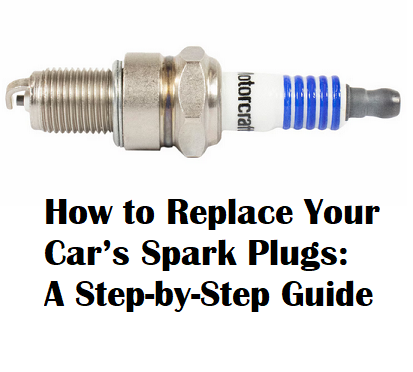
One of the most common culprits for poor engine performance is worn-out spark plugs. If you’re thinking, “How do I replace spark plugs? ” You’re in the right place. Replacing spark plugs might sound daunting, but it’s simpler than you think and can save you a trip to the mechanic, not to mention a significant amount of money.
Imagine the satisfaction of doing it yourself and feeling your car run like new again. Dive into this guide where you’ll discover step-by-step instructions, handy tips, and the confidence to tackle this task on your own. Ready to give your car the boost it needs? Let’s get started!
Credit: www.blackcircles.com
Tools And Materials Needed
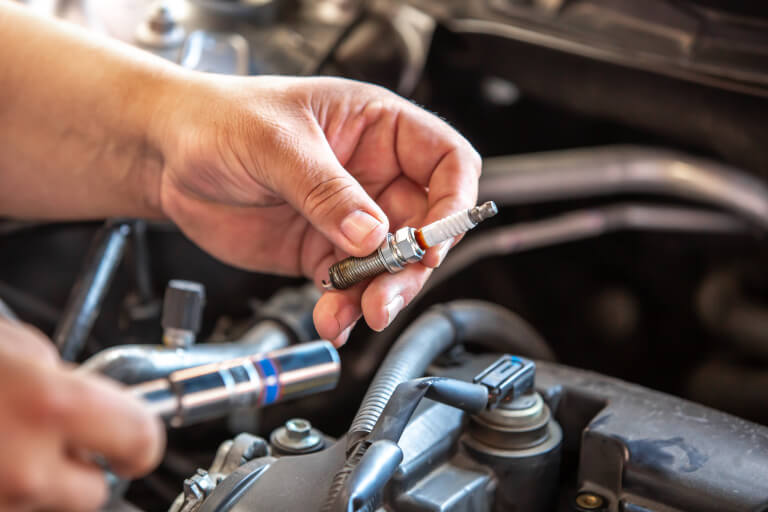
Replacing spark plugs needs the right tools and materials. Using proper equipment makes the job easier and safer. It also helps avoid damage to your engine. Before starting, gather everything you will need.
Choosing The Right Spark Plugs
Spark plugs come in different sizes and types. Choose plugs that fit your car’s engine model. Check your owner’s manual for the correct part number. Using the wrong spark plugs can cause poor engine performance.
Look for plugs with the right heat range for your vehicle. The heat range affects how the plug handles engine temperature. Iridium or platinum spark plugs often last longer and perform better. Choose based on your budget and driving needs.
Essential Tools List
- Spark plug socket wrench – fits around the spark plug for removal
- Ratchet with extension – for better reach and leverage
- Torque wrench – to tighten plugs to the correct specification
- Gap gauge – to measure and adjust the spark plug gap
- Dielectric grease – protects the plug boot from moisture
- Anti-seize compound – prevents spark plug threads from sticking
- Shop rag or compressed air – cleans the spark plug area
- Protective gloves – to keep hands safe and clean

Credit: www.youtube.com
Preparing Your Vehicle
Before you dive into replacing your spark plugs, it’s crucial to get your vehicle ready. Proper preparation not only makes the job easier but also protects you and your car. Taking a few moments now can save you from headaches later.
Safety Precautions
Always start by disconnecting the battery to avoid any electrical shocks. Wear gloves to protect your hands from hot engine parts and sharp tools. Make sure your engine is completely cool; working on a hot engine can cause burns and damage spark plug threads.
Keep a fire extinguisher nearby just in case, especially if you’re working in a garage. Clear the area around your vehicle to prevent tripping over tools or debris. Have a flashlight handy if you need extra light to see tight spaces clearly.
Locating The Spark Plugs
Finding your spark plugs might be trickier than you expect, depending on your car’s make and model. Look for the thick wires (spark plug wires or ignition coils) attached to the engine block. These wires lead directly to the spark plugs.
Consult your owner’s manual or search online for the exact location if you’re unsure. Sometimes, spark plugs are hidden beneath engine covers or manifolds, so removing these parts carefully is essential. Knowing exactly where they are saves time and prevents unnecessary damage.
Removing Old Spark Plugs
Removing old spark plugs is an essential step before installing new ones. It requires careful handling to avoid damaging the wires or the engine components. Taking your time and using the right tools will make this task smoother and safer.
Disconnecting Spark Plug Wires
Start by gently pulling the spark plug wire boot, not the wire itself. Pulling the wire can cause internal damage, leading to poor engine performance later. If the boot feels stuck, twist it slightly while pulling to loosen it without force.
Keep track of which wire goes to which spark plug. Labeling them with tape or taking a quick photo can save you from confusion during reassembly. Have you ever mixed up the wires and noticed your engine misfiring? Avoid that hassle by organizing beforehand.
Using The Spark Plug Socket
Fit the spark plug socket onto your ratchet or wrench and carefully place it over the spark plug. The socket is designed to grip the plug securely, preventing damage during removal. Turn the ratchet counterclockwise to loosen the plug.
Sometimes spark plugs can be stubborn, especially if they’ve been in place for years. Applying steady, controlled force usually helps loosen them without breaking. If a plug feels stuck, avoid rushing; instead, try a penetrating oil or warming the engine slightly to ease removal.
Installing New Spark Plugs
Installing new spark plugs is a key step in maintaining your car’s engine. It ensures smooth ignition and better fuel efficiency. This process needs careful attention to detail. Using the right techniques helps avoid engine problems later.
Checking And Adjusting Gap
Each spark plug has a small gap between its electrodes. This gap affects how the spark jumps to ignite fuel. Use a spark plug gap tool to measure this space. Check the gap size against your car’s manual. Adjust the gap by gently bending the electrode. Make sure the gap is not too wide or too narrow. Proper gap ensures strong sparks and better engine performance.
Properly Inserting Spark Plugs
Start by hand-threading the spark plug into the cylinder head. This avoids cross-threading, which can damage the engine. Turn the spark plug gently until it fits snugly. Use a torque wrench to tighten the plug to the correct specification. Over-tightening can crack the plug or damage threads. Under-tightening may cause poor contact and misfires. Ensure each spark plug sits securely for the best engine operation.
Reconnecting And Testing
After installing new spark plugs, reconnecting and testing is a crucial stage that ensures your engine runs smoothly. Proper reconnection guarantees the spark plugs receive the right electrical charge to ignite the fuel-air mixture. Testing the engine afterward confirms that your replacement work was successful and highlights any issues early.
Reattaching Spark Plug Wires
Always reconnect the spark plug wires one at a time. This prevents mixing up the firing order, which can cause engine misfires and poor performance.
- Match each wire to the correct spark plug by referring to your vehicle’s manual or marking wires before removal.
- Push the wire firmly onto the spark plug until you feel it snap or click into place.
- Check the wires for any damage or corrosion before reconnecting; damaged wires can cause weak sparks.
I once skipped marking the wires, and my engine struggled to start. It took extra time to diagnose that the firing order was off. Don’t make the same mistake—take your time here.
Starting The Engine
Once all wires are reattached, turn on the engine. Listen closely for smooth idling without hesitation or knocking sounds.
If the engine stalls or runs rough, double-check your spark plug wire connections. Loose or incorrect connections are the most common culprits.
Also, watch the dashboard for warning lights. If any appear, they might indicate sensor issues or other related problems to address.
Have you noticed how a simple sound or vibration can reveal so much about your engine’s health? Trust your senses—they’re your best diagnostic tools during testing.
Maintenance Tips
Maintaining spark plugs is key to keeping your engine running smoothly. Regular checks and timely replacement prevent engine problems and improve fuel efficiency. Knowing when to replace spark plugs helps avoid unexpected breakdowns. Watch for signs that indicate wear and tear. Proper maintenance saves time and money on repairs.
When To Replace Spark Plugs
Spark plugs usually last between 30,000 and 100,000 miles. Check your vehicle’s manual for exact intervals. Replace spark plugs if you notice poor engine performance or rough idling. Regular inspections every 20,000 miles help catch early wear. Always replace all spark plugs at the same time for balanced engine performance.
Signs Of Worn Spark Plugs
Engine misfires or slow acceleration may signal worn spark plugs. Hard starts or engine hesitation also indicate issues. Check for increased fuel consumption or poor mileage. Inspect spark plugs for deposits, cracks, or corrosion. These signs mean your spark plugs need replacement soon.

Credit: www.youtube.com
Frequently Asked Questions
How Often Should I Replace Spark Plugs?
Spark plugs typically last 30,000 to 100,000 miles. Check your vehicle manual for exact intervals. Regular replacement ensures efficient engine performance and fuel economy.
What Tools Do I Need To Replace Spark Plugs?
You need a spark plug socket, ratchet wrench, gap gauge, and possibly an extension bar. Having these tools makes the replacement process easier and safer.
How Do I Check Spark Plug Gap Size?
Use a gap gauge to measure the electrode gap. Adjust by gently bending the electrode. Correct gaps ensure optimal ignition and engine efficiency.
Can I Replace Spark Plugs Myself Safely?
Yes, with basic mechanical skills and proper tools, you can replace spark plugs safely. Always work on a cool engine and follow the vehicle manual instructions.
Conclusion
Replacing spark plugs can save money and improve car performance. Follow the steps carefully and take your time. Use the right tools and check each plug before installing. Regular spark plug changes help your engine run smooth and use less fuel.
Keep your car healthy by doing this simple task yourself. It’s easier than you think. Give your car the care it needs with fresh spark plugs.





