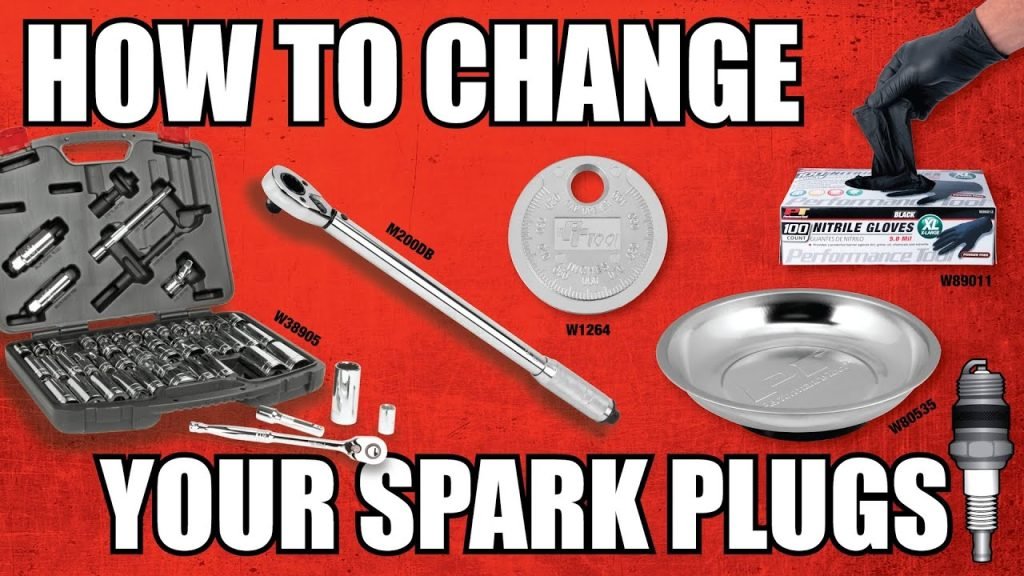
Changing spark plugs might seem like a daunting task at first, but with the right tools, it becomes a straightforward and satisfying job. By doing it yourself, you not only save money but also get the satisfaction of maintaining your vehicle.
So, what tools do you need to change spark plugs? Understanding this can make the process smooth and efficient, ensuring your engine runs at its best. Imagine the pride of knowing you’ve tackled this essential maintenance task on your own.
You’re about to discover the essential tools that can transform you into a confident DIY mechanic. Stay with us, and you’ll see just how simple and rewarding changing spark plugs can be.

Credit: www.xsr700forums.com
Basic Tools For Spark Plug Change
Changing spark plugs requires a few basic tools. These tools help you reach, loosen, and tighten the spark plugs safely and efficiently. Having the right tools makes the job easier and prevents damage to your engine parts.
Understanding these basic tools is important before starting the task. Each tool has a specific role in the spark plug change process. Here are the essential tools you need.
Spark Plug Socket
A spark plug socket is a special socket designed to fit spark plugs perfectly. It has a rubber insert or a magnetic core to hold the plug securely. This prevents the spark plug from falling or breaking during removal and installation.
The socket size varies depending on your vehicle’s spark plugs. Common sizes are 5/8 inch and 13/16 inch. Using the correct socket size avoids stripping or damaging the spark plug.
Ratchet Wrench
A ratchet wrench provides the leverage to turn the spark plug socket. It allows you to loosen and tighten spark plugs with ease. The ratchet mechanism lets you turn in one direction without removing the tool from the plug.
Choose a ratchet wrench with a comfortable handle for better grip. A 3/8 inch drive ratchet works well for most spark plug sockets. This tool saves time and effort compared to using a standard wrench.
Extension Bars
Extension bars attach between the ratchet wrench and the spark plug socket. They help reach spark plugs located deep in the engine bay. Extension bars come in different lengths, usually 3 to 6 inches.
Using the right extension bar gives better access and control. It prevents hand injuries and reduces the chance of dropping the spark plug. Having one or two extension bars is useful for most spark plug changes.

Credit: www.amazon.com
Additional Helpful Tools
Changing spark plugs requires more than just a socket wrench. A few extra tools make the job easier and safer. These tools help ensure the spark plugs fit perfectly and work well. They also protect your engine parts from damage.
Torque Wrench
A torque wrench tightens spark plugs to the exact pressure. Too tight can damage threads. Too loose can cause misfires. This tool prevents both problems. It shows the right amount of force in units like foot-pounds.
Spark Plug Gap Gauge
The gap gauge measures the distance between the spark plug electrodes. Correct gaps improve engine performance. Wrong gaps cause poor fuel burning and engine trouble. This tool slides between the electrodes to check the gap size.
Dielectric Grease
Dielectric grease protects the spark plug boots from moisture and dirt. It also stops electrical shorts. A small amount inside the boot keeps connections safe and lasting longer. This grease is non-conductive and heat-resistant.
Safety Gear
Changing spark plugs involves working with hot engine parts, tight spaces, and potentially sharp tools. Wearing the right safety gear protects your hands and eyes from injuries that could slow you down or end your project early. Don’t overlook safety gear—it’s a small step that can make a big difference in your comfort and confidence while working.
Gloves
Gloves shield your hands from burns, cuts, and grime. Choose gloves that offer a good grip and flexibility, like nitrile or mechanic’s gloves. They let you handle spark plug sockets and wires without losing dexterity or feeling bulky.
I once skipped gloves to save time and ended up with a painful scrape that made the rest of the job uncomfortable. That experience taught me that gloves aren’t just for protection—they keep you working efficiently. Would you rather stop midway to treat an injury or finish smoothly?
Safety Glasses
Safety glasses protect your eyes from flying debris, dirt, and accidental sparks. Engines can hide dust and rust that easily dislodge when you loosen spark plugs. Wearing glasses prevents small particles from causing irritation or damage to your eyes.
Clear safety glasses are best for indoor or low-light work, while tinted ones work well outdoors. Investing in a pair that fits snugly ensures they stay put while you bend and twist. Have you ever felt the sting of a tiny metal shard in your eye? That’s a risk you don’t want to take.
Choosing The Right Tools
Choosing the right tools makes spark plug replacement easier and safer. The right tools help prevent damage to your vehicle and save time. Quality and compatibility matter most for a smooth task.
Tool Quality And Material
Good tools last longer and work better. Look for tools made of strong metals like chrome vanadium steel. These resist rust and wear over time. Cheap tools may break or slip, causing injury or damage. Investing in quality tools ensures a firm grip and precise control.
Compatibility With Your Vehicle
Every car needs specific tools for spark plugs. Check your vehicle’s manual to find the right spark plug size. Use a socket wrench with the correct socket size. Some cars require a deep socket or swivel extension. Using the right size avoids stripping or breaking the spark plug. Always match tools to your vehicle model for best results.
Maintenance Tips For Tools
Proper care of your tools extends their life and ensures better performance. Keeping your spark plug tools well-maintained helps avoid damage and makes your work easier. Simple habits protect your investment and save money.
Cleaning And Storage
Clean tools after every use. Wipe off dirt, grease, and debris with a dry cloth. Use a mild cleaner for stubborn grime. Avoid harsh chemicals that may damage tool surfaces. Store tools in a dry place to prevent rust. Use a toolbox or organizer to keep tools tidy. Proper storage prevents loss and damage.
Regular Inspection
Check tools before each use. Look for cracks, wear, or rust on sockets and handles. Test moving parts for smooth operation. Replace worn or broken tools immediately. Regular checks help spot problems early. Safe tools reduce accidents and improve job quality.

Credit: www.amazon.com
Frequently Asked Questions
What Basic Tools Are Needed To Change Spark Plugs?
You need a spark plug socket, ratchet wrench, and extension bar. A gap gauge and torque wrench are also helpful for precision and safety.
Can I Change Spark Plugs Without Special Tools?
Basic tools like a ratchet and socket can work. However, a spark plug socket and gap gauge ensure proper fit and gap adjustment.
Why Is A Torque Wrench Important For Spark Plugs?
A torque wrench ensures spark plugs are tightened correctly. This prevents damage and ensures optimal engine performance and safety.
How Do I Choose The Right Spark Plug Socket?
Select a socket that matches your spark plug size and has a rubber insert. This protects the plug and helps with easy removal.
Conclusion
Changing spark plugs is simple with the right tools. A spark plug socket, ratchet, and gap tool are must-haves. Gloves and a torque wrench help with safety and accuracy. Having these tools saves time and avoids damage. Keep them ready for easy maintenance.
Spark plug care improves engine performance and fuel efficiency. Grab your tools, follow steps carefully, and enjoy a smoother ride. Simple tools, clear steps, better car health.





