Aeration is one of the highest-impact lawn care tasks you can perform, yet most homeowners get the timing wrong. Do it too early, and you're tearing into dormant turf that can't recover. Do it too late, and you're adding stress right before extreme heat or frost arrives.
The truth is simple: the best time to aerate depends on your grass type and local climate, not the calendar. While many general guides suggest "spring or fall," the actual determining factor is soil temperature and whether your grass is in its active growth phase. This guide breaks down exactly when to aerate for every grass category, how to confirm your lawn actually needs it, and common pitfalls that waste your effort. For more on this, see our guide on best time of year to aerate lawn.
Why Aeration Timing Matters More Than You Think
Core aeration removes small plugs of soil from your lawn, relieving compaction and allowing air, water, and nutrients to reach the root zone. But those holes are essentially minor wounds across your entire yard. If your grass isn't actively growing, it cannot close those wounds quickly. The result is bare patches that invite weeds and crabgrass to move in before your lawn ever recovers.
Think of aeration as a surgical procedure for your turf. You only perform surgery when the patient is strong enough to heal — never during dormancy, drought, or a heatwave. When timed correctly, aeration sparks a flush of new root growth that makes your lawn denser, more drought-tolerant, and better able to crowd out weeds. When timed poorly, you lose both the benefits and the recovery window. For more on this, see our guide on best time to aerate lawn spring vs fall.
Match Aeration to Your Grass Type: The Golden Rule
Before you ask "when," ask "what's growing in my yard?" Grasses fall into two categories, each with completely opposite growth cycles.
Cool-season grasses (Kentucky bluegrass, tall fescue, perennial ryegrass, fine fescue) grow most aggressively during the mild conditions of spring and fall. They slow down significantly in summer heat and go fully dormant in winter. For these grasses, the ideal aeration window is early fall, with a secondary window in early spring. For more on this, see our guide on best time to aerate lawn in ohio.
Warm-season grasses (Bermuda, Zoysia, St. Augustine, centipede) thrive during the heat of late spring and summer. They turn brown and rest once soil temperatures drop near 60°F (15°C). For warm-season turf, aerate in late spring to early summer when growth momentum is peaking.
Aerating outside your grass's active growth phase risks tearing roots that won't regrow until the next season turns. This is the single most important concept to understand. For more on this, see our guide on best time to aerate and overseed lawn.
| Grass Type | Examples | Peak Growth | Best Aeration Window | Why |
|---|---|---|---|---|
| Cool-Season | Kentucky bluegrass, tall fescue | Spring & Fall | Early Fall (secondary: early Spring) | Grass recovers quickly, weeds decline, cool nights reduce stress |
| Warm-Season | Bermuda, Zoysia, St. Augustine | Late Spring & Summer | Late Spring to Early Summer | Maximum growth momentum fills holes fast |
| Transition Zone | Mixed cool/warm varieties | Variable | Fall + light Spring treatment | Split approach supports each grass type's growth cycle |
Cool-Season Grasses: Aerate in Early Fall
If your lawn is dominated by cool-season varieties, early fall (September through early October in most northern zones) is the clear winner for annual aeration.
Here's what happens during that window: daytime temperatures are mild, nighttime temperatures drop into the 50s, soil moisture increases, and weed seed germination slows down dramatically. These conditions create a perfect environment for your grass to channel energy into root development after aeration. The grass heals quickly, fills in the holes, and builds a deeper root system before the ground freezes. For more on this, see our guide on best time to seed lawn massachusetts.
Fall aeration also pairs perfectly with overseeding. Those aeration holes provide ideal seed-to-soil contact, giving fescue, bluegrass, or ryegrass seed a sheltered pocket to germinate. Cool-season grass seed thrives in the cooler, more consistent moisture of autumn.
One important caveat: avoid aerating too late in fall. Once soil temperatures consistently dip below 45°F (7°C), grass growth grinds to a halt and any overseeded seed will sit dormant until spring — an open invitation for winter weeds. For further reading, see call811.com.
A spring aeration (April to early May) works as a backup option if you missed fall, but it's generally less effective because spring is also prime weed germination season. The holes you create can serve as perfect seedbeds for crabgrass right as you're triggering a weed-preventer application.
Warm-Season Grasses: Late Spring Is Prime Time
For southern lawns of Bermuda, Zoysia, or St. Augustine, late spring (May through early June) is your best window.
Wait until soil temperatures consistently reach around 75°F (24°C) or higher. At that point your grass is growing aggressively and will rapidly knit its roots back together, filling in aeration holes within two to three weeks. Aerating any earlier — say, March or early April — risks opening up dormant turf that contains little to no active root growth. The holes will sit empty, inviting weeds and allowing moisture to escape from the root zone.
Late-spring aeration also positions your lawn to perform well through future summer stress. Deeper roots from aeration mean the grass can access water stored deeper in the soil profile when southern heat and humidity peak in July and August. If you overseed warm-season lawns, do it immediately following aeration while soil temperatures remain above 65°F (18°C).
Soil plugs left on the surface after core aeration in late spring; they break down naturally within two weeks.
The Transition Zone: A Split Approach
The transition zone — roughly spanning from eastern Kansas across to central Virginia — is where grass types collide. Many homeowners in this region grow warm-season grass like Zoysia but overseed with cool-season fescue in fall. Others maintain pure tall fescue lawns that behave like cool-season turf but suffer through brutal summers.
If you're in the transition zone, realize that a single annual aeration often isn't enough. The most effective schedule is two lighter aerations per year: one in early fall to support cool-season growth and overseeding, and one in late April to early May to give warm-season components a growth boost before summer heat sets in. Space these at least six to eight weeks apart so roots have time to recover between sessions.
Transition-zone homeowners who split their approach consistently report better turf density and fewer weed invasions compared to those who stick to one rigid annual date.
How to Test Whether Your Lawn Needs Aeration
Not every lawn needs annual aeration. Younger lawns established in quality topsoil may go years without it. Check these three simple indicators before committing to the process.
First, perform the screwdriver test. Take a standard flathead screwdriver and push it into the ground. If it slides in easily to a depth of 3 inches, your soil is likely fine. If you meet hard resistance within the top inch or two, compaction is a problem.
Second, look for water pooling. After a moderate rain, does water stand on the surface for more than 10–15 minutes? That's a classic sign of compacted soil preventing infiltration. Healthy lawns should absorb water within minutes.
Third, check your thatch layer. Dig up a small slice of turf and measure the spongy layer between the grass blades and the soil surface. If thatch exceeds ½ inch (1.25 cm), aeration helps break it down by encouraging microbial activity. A thin thatch layer (under ½ inch) is healthy and should not be removed — it helps cushion the lawn and retain moisture.
If any of these tests point to compaction, your lawn genuinely needs aeration regardless of the calendar. Just wait for the correct growth window for your grass type before acting.
Core vs. Spike Aeration: Choose the Right Tool
Not all aeration is equal. Spike aerators use solid tines to poke holes. They are cheap, easy to operate, and available at nearly every hardware store. But in clay-heavy or heavily compacted soil, spike aeration actually makes compaction worse. Each spike squeeze compresses soil against the sides of the hole, essentially creating a sealed wall that impedes root penetration.
Core aerators (also called plug aerators) remove actual soil cores — typically 2–4 inches deep — from the ground. This physically removes compacted material rather than pushing it aside. The cores you pull up are loaded with organic matter and gradually break down, returning nutrients to the surface.
For real compaction problems — high foot traffic, heavy clay, or years of neglect — core aeration is the only effective tool. Spike aeration works acceptably on sandy or loose soil where compaction is minimal but air exchange is still beneficial. If you're renting equipment, always request hollow-tine or coring tines rather than solid spikes.
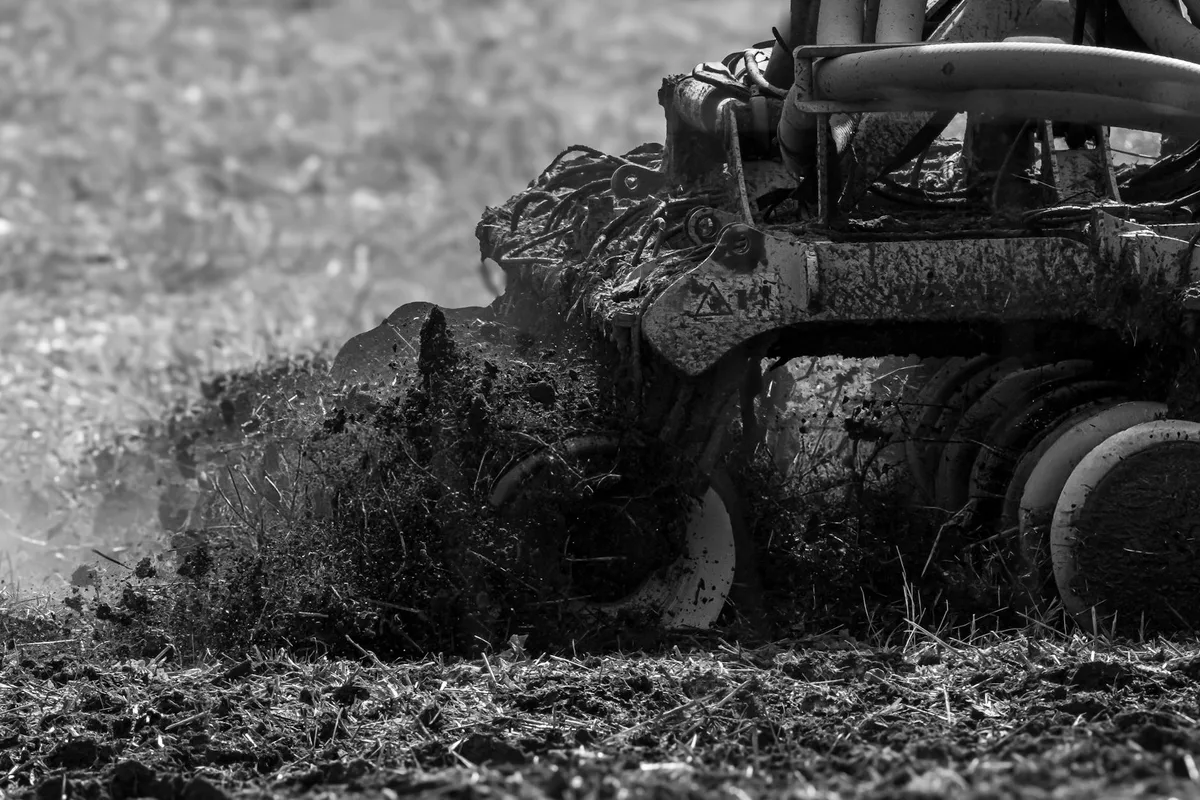
Core aeration (left) removes soil plugs; spike aeration (right) merely presses holes into the ground.
Step-by-Step: How to Aerate Your Lawn Correctly
Once you've confirmed the timing and selected a core aerator, follow this sequence to maximize results:
Mow your lawn shorter than usual (about 2 inches) one day before aerating, so the tines can reach deeper and make better soil contact. Water the lawn lightly 24 to 48 hours before aeration if rain hasn't fallen. You want moist — not soggy — soil. If it's too dry and hard, the tines won't penetrate. If it's soggy, you'll create muddy ruts and smear the soil.
Walk the lawn and mark sprinkler heads, shallow irrigation lines, and any utility box covers. Aeration tines reach 3–4 inches deep and can sever irrigation supply lines or sprinkler risers.
Then, run the aerator in a grid pattern. Start by going north-south, then follow with an east-west pass across the entire lawn. Overlap slightly to avoid missing strips. On heavy compaction, go over high-traffic areas twice.
Leave the soil plugs exactly where they fall. They'll dry out and crumble within 7–14 days, returning nutrients to the soil surface. If the appearance bothers you, rake them lightly after a few days to break them up. But never remove them from the lawn entirely — that removes valuable soil and microbial life.
After aerating, keep foot traffic off the lawn for at least two weeks to give roots time to recover.
Common Aeration Mistakes to Avoid
Many homeowners sabotage their own aeration with a few easily avoidable errors:
- Aerating during drought or heatwaves — the lawn is already stressed and won't recover quickly.
- Aerating frozen or waterlogged soil — both reduce tine penetration and increase turf damage.
- Using spike aerators on compacted clay — as noted, this worsens compaction.
- Aerating immediately before overseeding without checking soil temps — seed won't germinate if bare soil is still too cold or already baking hot.
- Aerating more than twice per year — root systems need time to recover between sessions.
- Skipping soil moisture prep — dry hard soil will simply bounce the tines instead of cutting clean cores.
Should You Overseed Immediately After Aerating?
If your goal is a thicker, denser lawn, then yes — aerating and overseeding together deliver dramatically better results than either alone. The aeration holes provide protected seed beds with excellent soil-to-seed contact, the single biggest factor in germination success. Broadcasting seed over compacted ground yields poor germination because the seed never reaches soil.
For cool-season lawns, combine fall aeration with overseeding in the same session. The cooler fall temperatures give seedlings a stress-free start. For warm-season lawns, overseed in late spring immediately after aeration, once soil temperatures have climbed above 65°F (18°C).
Before overseeding, rake up dead grass and debris so the seed actually touches bare soil. Use a seed blend that matches your region and local sunlight levels — shade-tolerant species in low-light areas and high-traffic blends in play zones. After sowing, water lightly twice daily for 7–10 days until seedlings establish. Keep traffic off the area until new grass reaches mowing height, and stick to a consistent mowing schedule that supports seedling development rather than demanding stress tests.
Rental Costs, Tools, and What to Expect After Aeration
Core aerators are widely available for rental at most hardware and big-box garden centers. Expect typical rental costs of $50–$100 per day, with walk-behind models covering up to 5,000 square feet per hour. If you own a mid-size or larger property, consider renting a tow-behind aerator that attaches to a riding mower. For small yards under 1,000 square feet, manual push aerators cost $20–$50 to purchase and work fine — though they require substantial physical effort.
Within the first week after aeration, you'll notice soil plugs scattered across the lawn. This is normal and beneficial. Within 10–14 days, the plugs crumble and the holes noticeably fill in with new grass growth. You'll also observe improved water absorption, reduced puddling, and gradually greener color as nutrients reach the root zone.
Choosing the Right Mower for Post-Aeration Care
After aeration, it's crucial to continue mowing at a height that supports recovery without scalping the tender young growth. For cool-season turf, that typically ranges between 2.5 and 3 inches in fall. For warm-season grasses, adjust to a summer-specific mowing height. If you're shopping for new equipment to manage your lawn, consider a quality machine suited to your property size, or explore our guide to commercial zero turn mowers for larger estates. Whatever you choose, sharp blades and consistent mowing intervals help the freshly aerated lawn knit together cleanly.
Safety First: Call Before You Dig
Aerator tines can reach 3–4 inches deep, which is enough to hit shallow utility lines, irrigation valves, or sprinkler heads. In the United States, dial 811 at least 48 hours before you plan to aerate. This free service will mark your buried utility lines so you can avoid them.
Wear closed-toe shoes, work gloves, and eye protection when operating powered equipment. Keep children and pets off the lawn after aeration until the plugs break down, to prevent tripping hazards and reduce tracking mud into the house.
FAQ
Can I aerate my lawn in the summer? For cool-season grasses, summer aeration is strongly discouraged. The heat and dryness stress actively growing grass, and the holes you create will lose moisture quickly, potentially worsening drought damage. Warm-season grasses, however, can benefit from aeration in early summer when they're in peak growth — just avoid the hottest mid-summer months.
Is spring or fall better for aeration? For cool-season lawns, fall is the clear winner because soil temperatures are dropping and weed pressure declines. Spring is a usable backup, but it comes with a higher weed seed germination risk. For warm-season lawns, late spring is the true optimal window.
How often should I aerate my lawn? Most healthy lawns need aeration once annually. Heavily trafficked lawns or those on clay soil may benefit from twice a year, using the split-season method outlined above. Sandy soil lawns under light traffic may only need aeration every two years.
What should I do with the soil cores after aerating? Leave them. The plugs break down within 1–2 weeks, recycling nutrients and organic matter back into the root zone. If they're unsightly, rake them lightly, but never sweep or vacuum them away.
Can I aerate a new lawn? Wait until the grass has been established for at least one full growing season. Aerating a young lawn that hasn't developed a mature root system may do more harm than good.
Final Decision: Your Timeline by Lawn Type
If you have cool-season grass north of the transition zone, mark your calendar for early September. That's when soil temperatures are most likely to sit in that 50–65°F sweet spot that triggers rapid root recovery.
If you grow warm-season varieties in the South, set your reminder for mid-May. Consistent soil temperatures above 75°F mean your grass is charging into its peak growth phase and will close aeration holes within two weeks.
If you're in the transition zone, plan for two sessions per year: one in late April and one in early September, spaced at least eight weeks apart. This split approach addresses both cool- and warm-season turf needs.
Still unsure? Check your local cooperative extension service's soil temperature maps or grab an inexpensive soil thermometer. When in doubt, err on the side of waiting — aerating slightly late during active growth is far better than aerating on time during dormancy. Properly timed aeration is one of the highest-return investments in lawn health you'll ever make.





