
Are you considering tackling the task of replacing spark plugs yourself? You might be wondering just how challenging this endeavor could be.
Perhaps you’ve heard stories of frustration or triumph from friends or family, and now you’re curious about what’s really involved. The truth is, replacing spark plugs is a task that varies in difficulty based on several factors. But don’t worry! This guide is here to break it all down for you.
We’ll explore whether this is a job you can handle on your own or if it’s something best left to the professionals. By the end of this article, you’ll have a clear understanding of what’s involved and be equipped with the knowledge to make an informed decision. Let’s dive in and discover if this is the right DIY project for you.
Signs You Need New Spark Plugs
Knowing the signs that indicate you need new spark plugs can save you from unexpected car troubles. Spark plugs play a crucial role in your engine’s ignition system, and worn-out plugs can cause noticeable issues. Recognizing these signs early helps you maintain your vehicle’s health and avoid costly repairs.
Common Symptoms Of Worn Spark Plugs
Worn spark plugs often cause your engine to misfire. You might notice a rough idle or hear unusual knocking sounds when the engine is running. If your car struggles to start or takes longer than usual to turn over, it could be due to failing spark plugs.
Another clear symptom is decreased fuel efficiency. When plugs don’t ignite fuel properly, your engine burns more gas to compensate. You might also experience hesitation or jerking during acceleration, making your drive less smooth and more frustrating.
Impact On Engine Performance
Faulty spark plugs reduce the power your engine produces. This means your car won’t respond as quickly when you press the gas pedal. Over time, ignoring spark plug issues can cause damage to other components, like the catalytic converter, leading to more expensive repairs.
Think about how your car feels during your daily commute. Does it seem sluggish or less responsive? That’s a sign your spark plugs are not firing correctly. Regularly checking and replacing spark plugs keeps your engine running efficiently and your drives enjoyable.
Credit: www.chase.com
Tools Required For Replacement
Replacing spark plugs might seem straightforward, but having the right tools makes all the difference. Without them, you could struggle with tight spaces or risk damaging your engine components. Let’s look at what tools you absolutely need and which ones can make your job easier.
Essential Tools Checklist
- Spark Plug Socket:This is a must-have. It’s specially designed with a rubber insert to grip the plug and prevent damage.
- Ratchet Wrench:A good ratchet wrench helps you apply the right torque and reach the spark plugs comfortably.
- Socket Extensions:Depending on your engine design, extensions help you reach deeply seated plugs.
- Torque Wrench:Critical for tightening spark plugs to the manufacturer’s specs, avoiding overtightening or under-tightening.
- Gap Gauge:Ensures your new spark plugs have the correct electrode gap for optimal performance.
Without these, you risk either damaging your spark plugs or not installing them correctly. Have you ever tried using a regular socket and ended up with a stripped plug? That’s exactly why these tools are non-negotiable.
Optional Tools For Easier Installation
- Magnetic Pickup Tool:Handy for retrieving dropped spark plugs or small parts in tight engine spaces.
- Compressed Air or Canned Air:Blowing out debris around the spark plug holes prevents dirt from falling into the cylinder.
- Anti-Seize Lubricant:Applying a small amount on the plug threads can make future removal easier, but use it sparingly.
- Dielectric Grease:Helps ensure a secure electrical connection and prevents moisture buildup.
These extras might not be essential, but they make the task smoother and reduce frustration. Have you noticed how tiny details, like using compressed air before removal, can save you from bigger headaches? Adding these tools to your kit can turn a tough job into a manageable one.
Step-by-step Replacement Guide
Replacing spark plugs is a task many car owners can handle with care. It requires attention and the right tools. This guide breaks down the process into simple steps. Follow along to replace spark plugs safely and correctly.
Preparing Your Vehicle
Start with a cool engine to avoid burns. Open the hood and locate the spark plugs. Check your vehicle manual for exact locations and specifications. Gather tools like a spark plug socket, ratchet, and extension. Disconnect the battery to prevent electric shocks. Clean the area around spark plugs to keep dirt out. Organize your workspace for easy access to tools and parts.
Removing Old Spark Plugs
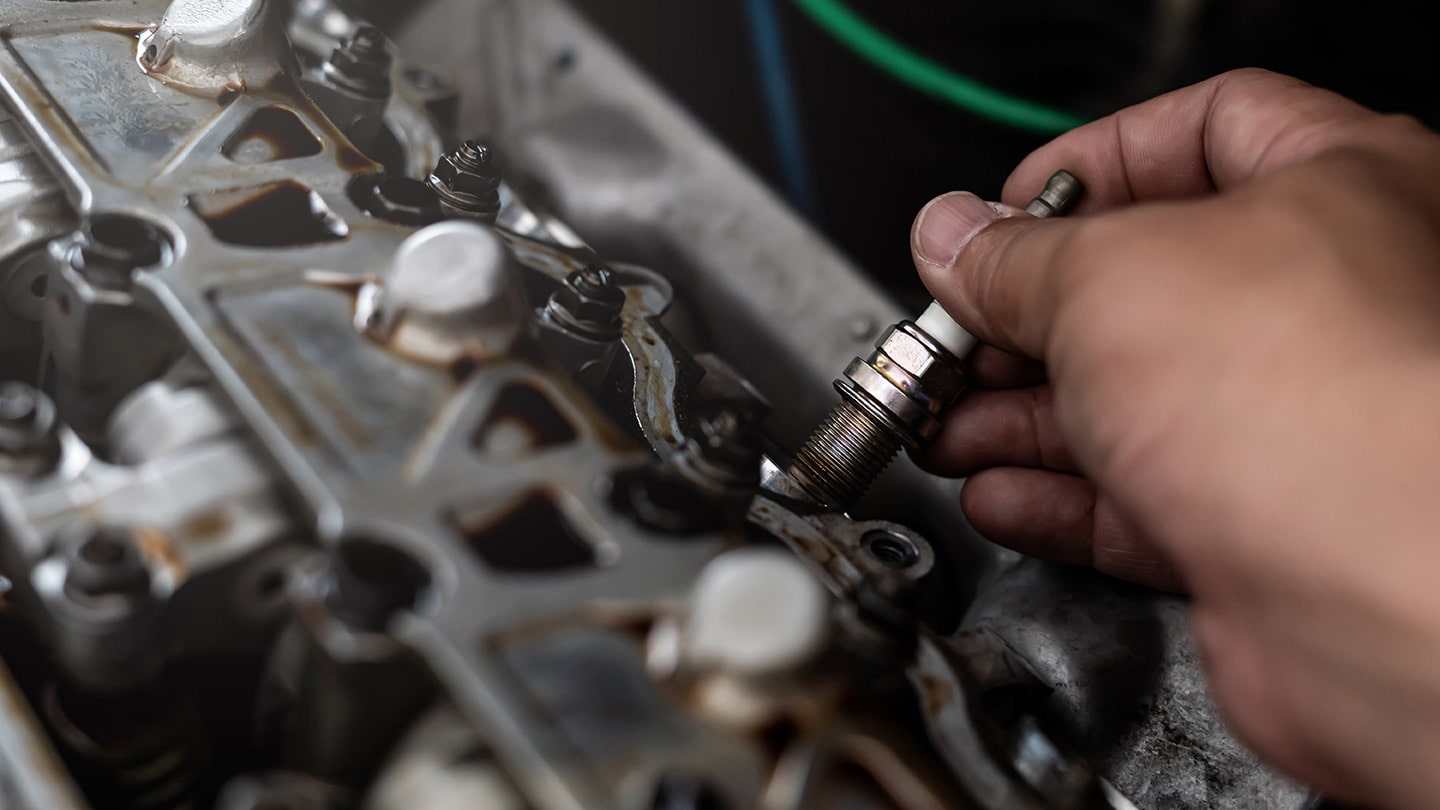
Remove the spark plug wires or ignition coils carefully. Pull straight to avoid damage. Use the spark plug socket and ratchet to turn counterclockwise. Apply steady force until the plug loosens. Take out the old spark plugs and inspect them. Look for signs of wear or damage. Keep them for comparison with the new plugs.
Installing New Spark Plugs
Check the gap on new spark plugs with a gap tool. Adjust it to match the vehicle’s specifications. Thread the new plugs by hand into the cylinder head. Avoid cross-threading by turning gently. Use the ratchet to tighten the plugs snugly. Do not over-tighten to prevent damage. Reattach spark plug wires or ignition coils firmly. Reconnect the battery and start the engine to test.

Credit: www.pomonaswapmeet.com
Common Challenges During Replacement
Replacing spark plugs is not always simple. Some issues can make the task tough and time-consuming. Knowing common challenges helps prepare for the job and avoid mistakes.
Many spark plugs get stuck due to heat and carbon buildup. This makes removal tricky and risks breaking the plug inside the engine. Careful handling and the right tools are essential to free stuck plugs safely.
Dealing With Stuck Spark Plugs
Stuck spark plugs often result from rust or deposits. They may not turn easily with a wrench. Applying a penetrating oil can help loosen them. Let the oil sit for several minutes before trying again.
Using the correct size socket and a breaker bar gives better control. Avoid forcing the plug too hard to prevent snapping it off. Gentle back-and-forth movement can break the seal gradually.
Heat can make stuck plugs easier to remove. Warming the engine slightly may expand the metal and reduce tightness. Be cautious not to overheat or cause burns.
Avoiding Damage To Threads
Damaging threads in the cylinder head is a common risk. Cross-threading or overtightening can ruin the hole, leading to costly repairs. Always start threading spark plugs by hand to ensure proper alignment.
Use a torque wrench to tighten plugs to the manufacturer’s recommended specification. This prevents over-tightening and protects the threads. Loose plugs can cause engine misfires and poor performance.
Inspect threads for dirt or debris before installation. Clean threads help plugs fit smoothly and seat correctly. Taking these precautions increases the chances of a successful spark plug replacement.
Expert Tips For A Smooth Process
Replacing spark plugs can seem tricky at first. Expert tips make the process easier and safer. These tips help avoid common mistakes and save time. Knowing the right steps leads to a smooth spark plug change.
Best Practices For Spark Plug Maintenance
- Check spark plugs every 30,000 miles or as your car manual suggests.
- Use the correct spark plug type for your engine model.
- Clean spark plugs if they have light deposits but avoid harsh scrubbing.
- Apply anti-seize compound on the spark plug threads to prevent sticking.
- Tighten spark plugs to the recommended torque; too tight can damage threads.
- Replace spark plug wires if they look worn or cracked.
- Inspect ignition coils for signs of damage or corrosion.
When To Seek Professional Help
Complex engine layouts can make spark plug replacement hard to reach.
Use professional help if you lack proper tools or mechanical experience.
Difficulty removing old spark plugs may cause damage without expert care.
Consult a mechanic if your engine shows misfires or poor performance after replacement.
Professionals can spot hidden issues beyond spark plugs, improving engine health.

Credit: simonsautorepairtaunton.com
Cost And Time Considerations
Replacing spark plugs involves costs and time that vary widely. Knowing these factors helps plan the job better. Both DIY and professional options affect the total expense. Time needed depends on the vehicle and experience level.
Diy Vs Professional Replacement Costs
Doing it yourself saves money on labor. Spark plugs themselves cost between $10 and $20 each. Tools might be needed if not already owned. Professional service adds labor fees, usually $50 to $150.
Costs vary by car model and spark plug type. Some vehicles need special plugs, raising prices. Professionals provide warranty on work, adding value.
Estimated Time For The Job
Changing spark plugs takes 30 to 90 minutes for most cars. Experienced DIYers often finish faster. Cars with engine covers or hard-to-reach plugs need more time.
Professional mechanics usually complete the job quicker. They have proper tools and practice. Time saved can justify paying for service.
Frequently Asked Questions
How Difficult Is It To Replace Spark Plugs Yourself?
Replacing spark plugs is moderately easy with basic tools and knowledge. It requires patience and careful handling to avoid damaging wires or threads. Most cars have accessible spark plugs, making the job straightforward for beginners willing to follow a step-by-step guide carefully.
What Tools Are Needed To Replace Spark Plugs?
You need a spark plug socket, ratchet wrench, extension bar, and a gap gauge. A torque wrench is helpful for proper tightening. Having anti-seize lubricant and dielectric grease improves installation and spark plug lifespan. These tools ensure a smooth and safe replacement process.
How Often Should Spark Plugs Be Replaced?
Spark plugs typically need replacement every 30,000 to 100,000 miles, depending on the type. Check your vehicle’s manual for exact intervals. Regular inspection helps maintain engine efficiency and fuel economy. Worn plugs can cause misfires and rough idling, signaling timely replacement.
Can Replacing Spark Plugs Improve Engine Performance?
Yes, new spark plugs improve ignition efficiency and fuel combustion. This leads to smoother starts, better acceleration, and increased fuel economy. Dirty or worn plugs cause misfires and reduced power. Timely replacement helps your engine run cleaner and more reliably.
Conclusion
Replacing spark plugs is not as hard as many think. With basic tools and a little patience, anyone can try it. Knowing the steps helps avoid mistakes and saves money. Taking your time makes the job easier and safer. Regular spark plug care keeps your engine running smooth.
Give it a chance—you might surprise yourself with what you can do.





