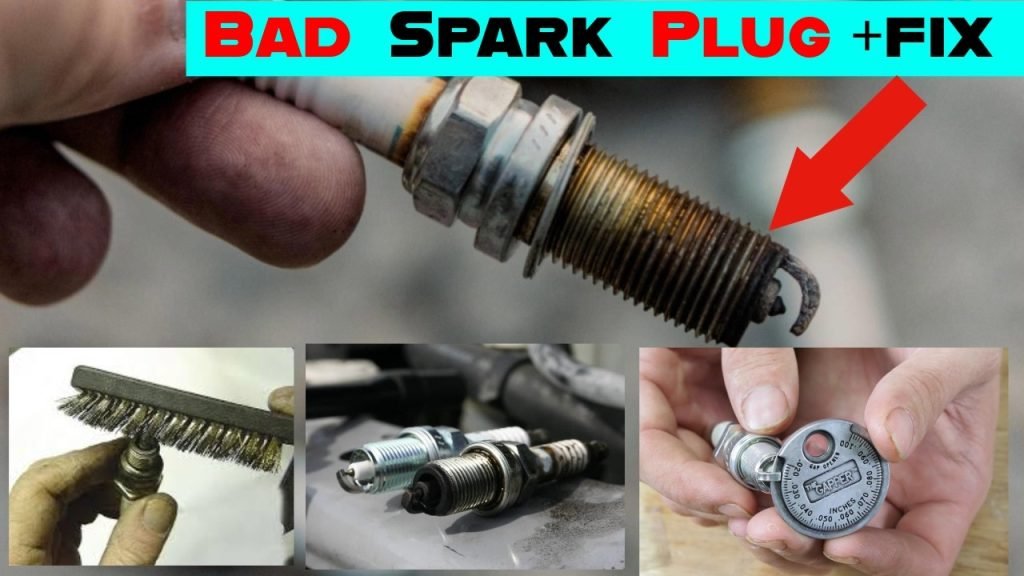
Are you wondering why your car isn’t running as smoothly as it used to? It might be time to check your spark plugs.
Identifying a bad spark plug can make all the difference in keeping your engine purring like a kitten. But how can you tell when a spark plug is no longer doing its job? Understanding the signs of a failing spark plug can save you time, money, and a whole lot of hassle.
In this guide, you’ll discover the simple yet crucial indicators of a bad spark plug, empowering you to take action before minor issues become major headaches. Stick around to learn how you can diagnose the problem like a pro and keep your vehicle in tip-top shape.
Common Spark Plug Issues
Identifying common spark plug issues can save you time and money on car repairs. Spark plugs play a crucial role in your vehicle’s ignition system, and any problems with them can affect engine performance. Recognizing the signs of a bad spark plug early helps you avoid unexpected breakdowns and keeps your car running smoothly.
Worn Electrodes
Over time, the electrodes on spark plugs wear down due to constant sparking. This wear increases the gap between the electrodes, making it harder for the spark to jump and ignite the fuel-air mixture properly.
If your engine is misfiring or struggling to start, worn electrodes might be the cause. Have you noticed a drop in fuel efficiency or rough idling? These are common symptoms linked to this issue.
Carbon Buildup
Carbon deposits can accumulate on spark plugs when your engine runs too rich or you often take short trips. This buildup looks like a black, dry soot covering the plug’s tip.
Carbon buildup blocks the spark and causes weak ignition. If you see this on your spark plugs, consider checking your fuel system or air filters to prevent further problems.
Oil Fouling
Oil fouling happens when oil leaks into the combustion chamber and coats the spark plug. This creates a wet, oily residue that stops the spark from firing properly.
Have you ever noticed blue smoke from your exhaust or difficulty starting your car? Oil fouling could be the reason, often signaling engine wear or seal issues that need attention.
Cracked Insulator
The ceramic insulator around the spark plug can crack due to physical damage or extreme heat changes. A cracked insulator causes misfires because it allows the spark to short-circuit before reaching the electrode.
Finding a cracked insulator means you should replace the plug immediately. Driving with this issue can lead to poor engine performance and even damage other parts of your ignition system.

Credit: www.reddit.com
Visual Signs Of A Bad Spark Plug
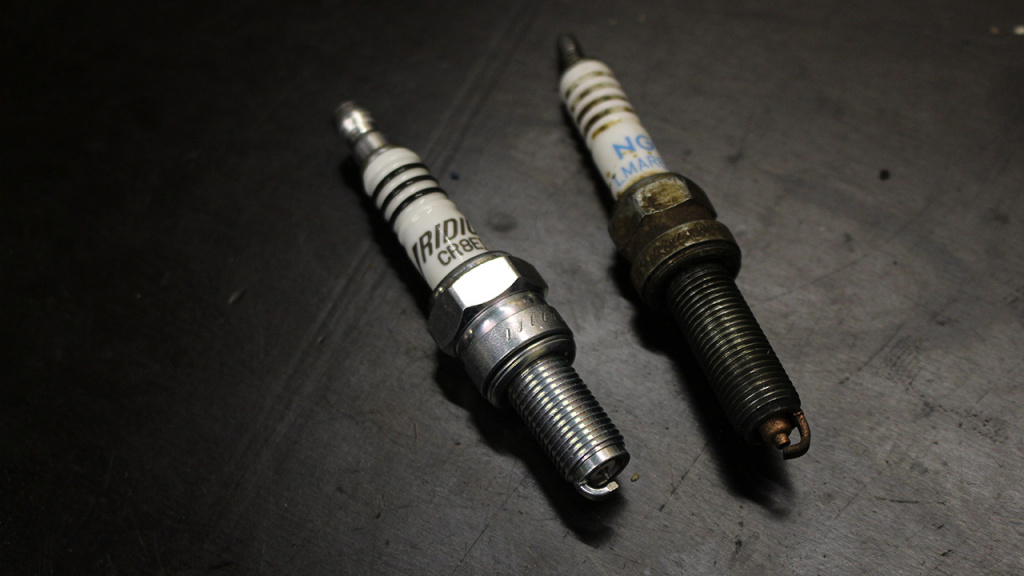
Visual signs reveal much about a spark plug’s health. Checking the spark plug’s appearance can help spot issues early. Clear signs on the plug surface indicate possible problems. This section explains common visual cues of a bad spark plug.
Black Sooty Deposits
Thick black soot on the spark plug means it is running too rich. This occurs when there is too much fuel and not enough air. The soot can cause weak sparks and poor engine performance. Cleaning or replacing the spark plug is needed to fix this.
White Or Ashy Appearance
A white or ashy coating on the spark plug tip shows overheating. This can damage the plug and reduce its effectiveness. It may also point to incorrect spark plug heat range or engine problems. Such plugs need immediate attention or replacement.
Burn Marks Or Melting
Burn marks or melted areas on the spark plug indicate extreme heat exposure. This can cause serious engine damage if not addressed. These marks often mean the spark plug is failing or the engine is misfiring. Replacement is crucial to avoid bigger issues.
Corrosion And Rust
Corrosion or rust on the spark plug threads or electrodes harms conductivity. This reduces spark quality and affects engine starting and running. Corrosion often results from moisture or poor maintenance. Cleaning or replacing the plug prevents further engine problems.
Performance Symptoms To Watch For
Spotting performance issues early can save you time and money on repairs. Your spark plugs play a crucial role in how smoothly your engine runs. Watching for specific symptoms can help you identify if a spark plug is failing before it causes bigger problems.
Engine Misfires
Have you noticed your engine suddenly jerking or hesitating? This is often a clear sign of a bad spark plug. When a spark plug doesn’t ignite the fuel-air mixture properly, the engine misfires, causing rough performance and a loss of power.
Misfires can also trigger the check engine light. Don’t ignore this warning—misfires can damage other engine parts if left unchecked. Pay attention to how your car responds during acceleration or when climbing hills.
Poor Fuel Economy
If your fuel gauge seems to drop faster than usual, faulty spark plugs could be the culprit. Bad plugs fail to ignite the fuel efficiently, forcing your engine to burn more gas to maintain performance. This wastes fuel and increases your expenses.
Try monitoring your mileage before and after replacing spark plugs to see the difference. You might be surprised how much better your car runs with fresh plugs. Have you ever tracked your fuel economy closely?
Hard Starting
Struggling to start your car in the morning or after it sits for a while? Old or fouled spark plugs often cause this problem. Without a strong spark, your engine needs extra attempts to fire up.
This issue can worsen in cold weather when the engine requires a stronger spark to ignite the fuel. If you find yourself turning the key multiple times, it’s time to check your plugs. What’s your experience with cold starts?
Rough Idling
Does your engine shake or vibrate noticeably when idling? Rough idling is a common symptom of spark plug trouble. When plugs don’t deliver consistent sparks, the engine runs unevenly at low speeds.
This can lead to increased wear on engine components over time. Pay attention to unusual noises or vibrations when stopped at traffic lights. How does your car feel when idling compared to a few months ago?
Tools To Inspect Spark Plugs
Knowing how to inspect your spark plugs is key to keeping your engine running smoothly. Using the right tools makes the process easier and more accurate. Let’s look at the essential tools you need to check if your spark plugs are in good shape or need replacing.
Spark Plug Socket
A spark plug socket is specially designed to fit snugly around the plug, making removal and installation simple and safe. It has a rubber insert inside to grip the plug without damaging it. If you try to remove spark plugs without this tool, you risk breaking them or damaging the threads.
Having the right socket size prevents stripping, which can lead to costly repairs. Do you own a socket set? If not, investing in a spark plug socket can save you a lot of trouble during your next inspection.
Gap Gauge
The gap gauge helps you measure the gap between the center and ground electrode of the spark plug. This gap affects how well your engine fires. If it’s too wide or too narrow, your engine might misfire or lose power.
Gap gauges come in different styles like wire or feeler gauges. Using one is straightforward: just slide the gauge into the gap and check the fit. If it doesn’t match your vehicle’s recommended specifications, you’ll need to adjust or replace the plug.
Multimeter
A multimeter can measure resistance in the spark plug’s firing element, which indicates its health. High resistance or infinite reading suggests the plug is faulty. This tool gives you a clear, objective way to test the plug beyond visual cues.
Testing with a multimeter requires setting it to the resistance mode and touching the probes to the plug’s terminals. Have you ever thought about combining visual checks with electrical testing? It’s a smart way to be sure about your spark plug’s condition.
Visual Inspection Tips
Sometimes a simple look can reveal a lot. Check for signs like black soot, oil deposits, cracks, or worn electrodes. These are red flags that your spark plug isn’t performing well.
Look closely for any melting or blisters on the insulator, which indicate overheating. Also, uneven wear can point to engine problems beyond just the plug itself. What do you notice when you take a close look at your spark plugs?
When To Replace Spark Plugs
Knowing when to replace spark plugs keeps your engine running smoothly. Spark plugs wear out over time and lose their ability to ignite the fuel-air mix. Replacing them at the right time avoids engine problems and saves money on repairs. Watch for signs that show your spark plugs need attention.
Mileage Recommendations
Most spark plugs last between 30,000 and 100,000 miles. The exact number depends on the spark plug type and vehicle model. Check your car’s manual for specific advice. Using spark plugs beyond their recommended mileage reduces engine efficiency. Plan to replace them according to the manufacturer’s schedule.
Signs Of Irreparable Damage
- Cracked or broken ceramic insulator
- Heavy carbon buildup on the electrode
- Worn or eroded electrode tip
- Corrosion or rust on the metal parts
- Oil fouling causing dark, oily deposits
These damages mean the spark plug cannot work properly. Replace spark plugs showing these signs immediately.
Impact On Engine Health
Bad spark plugs cause poor fuel combustion. This leads to rough idling, engine misfires, and lower fuel economy. Hard starts and reduced power also occur. Neglecting bad spark plugs can damage the catalytic converter. Timely replacement protects engine parts and improves performance.
Credit: finntrail.com

Credit: www.reddit.com
Frequently Asked Questions
What Are Common Signs Of A Bad Spark Plug?
Common signs include engine misfires, poor acceleration, rough idling, and difficulty starting your vehicle. These symptoms indicate spark plug issues.
How Does A Bad Spark Plug Affect Engine Performance?
A bad spark plug causes incomplete combustion, reducing power and fuel efficiency. It also increases emissions and can damage the engine.
Can A Bad Spark Plug Cause Engine Misfires?
Yes, faulty spark plugs often cause engine misfires. They fail to ignite the air-fuel mixture properly, leading to rough running.
How Often Should Spark Plugs Be Replaced?
Spark plugs typically need replacement every 30,000 to 100,000 miles, depending on type and vehicle. Check your owner’s manual for specifics.
Conclusion
Bad spark plugs cause engine problems and reduce fuel efficiency. Watch for rough idling, hard starts, or poor acceleration. Check plugs regularly to catch issues early. Clean or replace them to keep your engine running smoothly. A small fix can save you big costs later.
Stay alert to signs and maintain your vehicle well. Good spark plugs help your car perform its best.





