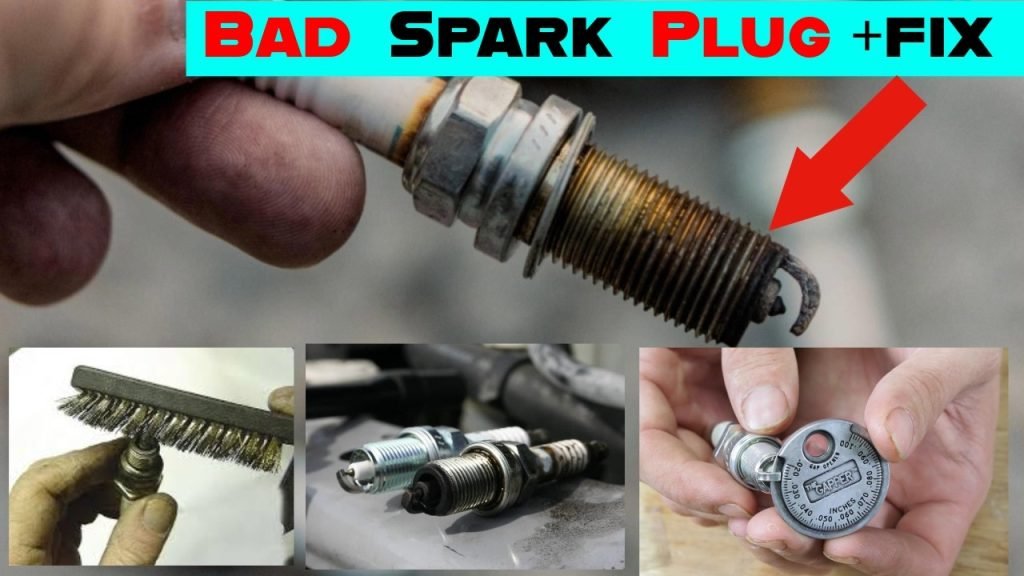
Imagine driving down the road when suddenly, your car starts to sputter and lose power. Frustrating, right?
That annoying hiccup in your ride could be caused by a bad spark plug. But how do you know if a spark plug is bad? Knowing the signs can save you from costly repairs and keep your car running smoothly.
You’ll learn exactly what to look for and how to fix it before it leads to bigger problems. Stick with us, and by the end, you’ll be equipped with the knowledge to keep your engine purring like a kitten. Don’t miss out on these vital insights that could transform how you maintain your vehicle!

Credit: www.subaruoutback.org
Common Spark Plug Issues
Identifying common spark plug issues can save you from unexpected engine troubles. Spark plugs wear out or get dirty over time, affecting your vehicle’s performance. Knowing what to look for helps you decide when it’s time for a replacement or cleaning.
Worn Electrodes
Electrodes wear down with use, causing a larger gap that makes it harder for the spark to jump. You might notice rough idling or difficulty starting your engine if this happens.
Check the electrode tips for rounded edges or thinning metal. If they look significantly eroded, it’s a clear sign the spark plug isn’t firing efficiently anymore.
Carbon Deposits
Carbon buildup appears as black, dry soot on the spark plug. It’s often caused by a rich fuel mixture or frequent short trips where the engine doesn’t fully warm up.
Carbon deposits can prevent proper sparking and lead to misfires. Cleaning or replacing the plug can restore smooth performance and better fuel efficiency.
Oil Fouling
Oil fouling leaves the spark plug covered in wet, oily residue. This usually means oil is leaking into the combustion chamber, often due to worn piston rings or valve seals.
If you spot oil on your spark plug, your engine might burn oil, causing smoke and higher emissions. Fixing the source of the leak is crucial before replacing the plugs.
Overheating Signs
Overheated spark plugs show signs like blistered or melted electrodes. This can happen if your engine runs too hot or the spark plug heat range is incorrect.
Ignoring overheating sparks can lead to engine knocking or severe damage. Monitoring your spark plugs regularly helps you catch this issue early before it worsens.

Credit: www.reddit.com
Symptoms Of A Bad Spark Plug
Bad spark plugs can cause several problems in your vehicle’s performance. Spotting the signs early helps avoid bigger engine issues. Recognizing symptoms can guide you to check and replace spark plugs promptly.
Engine Misfires
Engine misfires happen when the spark plug fails to ignite the fuel-air mix. This causes the engine to jerk or hesitate. Misfires reduce power and make driving rough. You might hear popping sounds or feel vibrations.
Poor Fuel Economy
Worn spark plugs burn more fuel than usual. This lowers your car’s fuel efficiency. You will notice more frequent visits to the gas station. Poor fuel economy means the engine struggles to run smoothly.
Difficulty Starting
Bad spark plugs make starting the engine hard. The car may crank longer before it starts. Sometimes, the engine won’t start at all. This happens because the spark is weak or missing.
Rough Idling
When spark plugs are faulty, the engine idles unevenly. The car may shake or sound uneven when stopped. Rough idling wastes fuel and can harm engine parts. This symptom signals spark plugs need attention.
Checking Spark Plug Condition
Checking the condition of a spark plug helps keep your engine running smoothly. It reveals issues that affect performance and fuel efficiency. Regular checks prevent bigger problems and costly repairs.
Visual Inspection Tips
Remove the spark plug and look closely at its tip. A healthy plug has a light tan or gray color. Black, oily, or sooty deposits mean the plug is dirty or worn out. Cracks or chips on the ceramic insulator show damage. Check for worn or rounded electrodes. Corrosion or heavy buildup signals replacement is needed.
Measuring Spark Plug Gap
The spark plug gap is the space between the center and ground electrode. This gap must be correct for proper firing. Use a feeler gauge to measure the gap. Compare the measurement to your vehicle’s specifications. A gap too wide or too narrow can cause misfires or poor performance. Adjust the gap carefully using a gap tool if needed.
Testing With A Multimeter
A multimeter helps check the spark plug’s electrical resistance. Set the multimeter to the ohms setting. Touch one probe to the center electrode and the other to the metal shell. A very high or infinite reading means the plug is bad. Low resistance suggests the plug is still good. This test confirms internal damage not seen by eye.
Credit: www.toyotanation.com
Solutions For Faulty Spark Plugs
Faulty spark plugs cause many engine problems. They reduce fuel efficiency and cause rough idling. Fixing spark plugs improves engine performance and saves money. Here are simple solutions to handle bad spark plugs.
Cleaning Techniques
Cleaning spark plugs can extend their life. Use a wire brush to remove carbon buildup. Spray a spark plug cleaner to dissolve dirt. Dry plugs fully before reinstalling. Avoid sandpaper; it may damage the plug. Check the gap and adjust if needed after cleaning.
Replacing Spark Plugs
Replace spark plugs if cleaning does not help. Use a spark plug socket and ratchet for removal. Check the new plug’s gap before installing. Tighten plugs to the correct torque to avoid damage. Replace all plugs at once for even engine performance. Follow your car manual for replacement intervals.
Choosing The Right Spark Plug
Select spark plugs designed for your engine type. Consider heat range, thread size, and electrode type. Use OEM recommended plugs for best results. Iridium or platinum plugs last longer than copper ones. Consult your car manual or a mechanic for advice.
Regular Maintenance Tips
- Inspect spark plugs every 30,000 miles or as advised.
- Keep the engine clean to reduce plug fouling.
- Check ignition wires and replace if cracked or worn.
- Use quality fuel to prevent deposits on plugs.
- Listen for engine misfires or rough starts as warning signs.
Frequently Asked Questions
How To Identify A Bad Spark Plug?
Check for engine misfires, poor fuel economy, and difficulty starting. Inspect the plug for wear, carbon deposits, or damage. These signs indicate a bad spark plug affecting engine performance.
What Causes Spark Plugs To Fail Early?
Spark plugs fail due to carbon buildup, oil leaks, or incorrect heat range. Poor fuel quality and improper installation also cause early failure. Regular maintenance helps prevent these issues and extends spark plug life.
Can A Bad Spark Plug Cause Engine Misfire?
Yes, a bad spark plug often causes engine misfires. It disrupts combustion by failing to ignite the fuel-air mixture properly. This leads to rough idling, hesitation, and reduced power during acceleration.
How Often Should Spark Plugs Be Replaced?
Replace spark plugs every 30,000 to 100,000 miles, depending on type and vehicle. Follow your manufacturer’s recommendation for optimal performance and fuel efficiency. Regular checks help detect wear before failure.
Conclusion
Bad spark plugs cause poor engine performance and fuel waste. Watch for rough idling, hard starts, or low power signs. Check plugs regularly to keep your car running smooth. Clean or replace damaged plugs to avoid bigger problems. Simple care helps save money and time on repairs.
Stay alert to your car’s signals for safe driving. Knowing spark plug health keeps your vehicle reliable every day.





