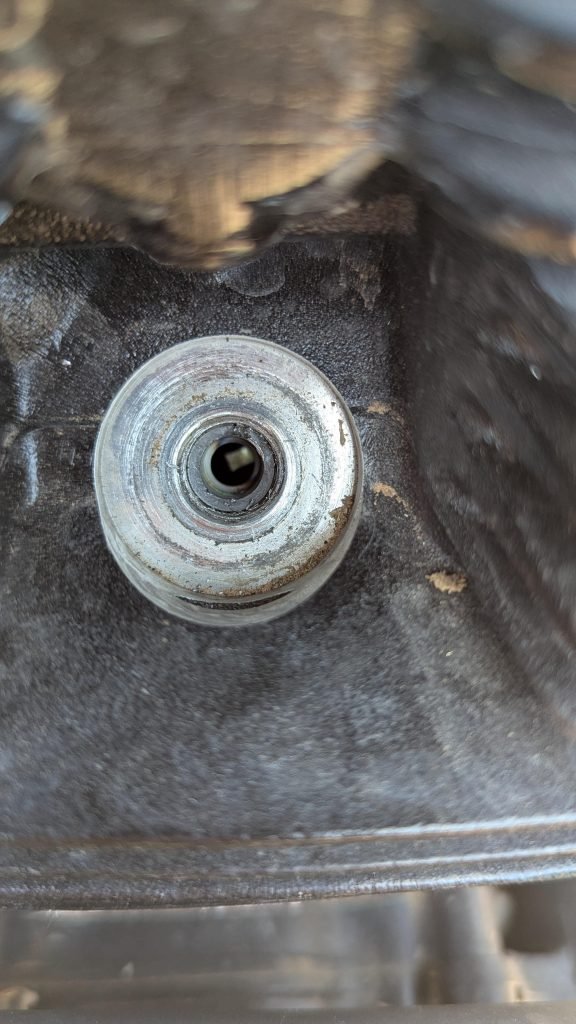
Are you staring at a spark plug stuck deep in its hole, feeling frustrated and unsure of what to do next? You’re not alone.
This common car maintenance challenge can leave you scratching your head, wondering how to safely and effectively remove the plug without causing damage to your engine. But don’t worry—help is at hand. We’ll guide you through the simple steps to get that pesky spark plug out with ease.
Whether you’re a seasoned DIY mechanic or just starting out, our expert tips are designed to make the process straightforward and stress-free. Ready to tackle this task and get your engine running smoothly again? Let’s dive in!

Credit: www.reddit.com
Tools Needed
Removing a spark plug might seem straightforward, but having the right tools makes all the difference. Using the proper equipment not only protects your engine but also saves you time and frustration. Before you start, gather these essential tools to make the process smooth and efficient.
Spark Plug Socket
This is a special socket designed to fit spark plugs perfectly. It usually has a rubber insert or a magnet inside to grip the plug securely and prevent damage. Using a regular socket can slip or break the spark plug, so investing in a good spark plug socket is key.
Ratchet Wrench
A ratchet wrench gives you the leverage to turn the spark plug socket easily. Its ratcheting mechanism allows you to loosen or tighten the plug without removing the tool from the bolt every turn. Think about how much easier it is to work in tight spaces with this tool in hand.
Extension Bar
Spark plugs are often recessed deep into the engine. An extension bar connects to your ratchet and spark plug socket to reach those hard-to-access spots. Without it, you might struggle to get a good grip or risk stripping the plug.
Torque Wrench
After removing and replacing spark plugs, it’s important to tighten them to the manufacturer’s recommended torque. Over-tightening can damage the threads, while under-tightening may cause poor engine performance. A torque wrench helps you apply the exact amount of force needed.
Penetrating Oil
Sometimes, spark plugs get stuck due to rust or carbon buildup. Applying penetrating oil and letting it sit for a few minutes can loosen the bond. This simple step can prevent you from breaking a spark plug or damaging the cylinder head.
Prepare The Engine
Before you attempt to remove the spark plug from its hole, preparing the engine properly is essential. This preparation helps prevent damage and ensures your safety during the process. Taking a few simple but crucial steps can make a big difference in how smoothly your task goes.
Ensure Engine Is Cool
Never try to remove a spark plug while the engine is hot. A hot engine can cause burns and make the spark plug difficult to unscrew due to expansion. Wait at least 30 minutes after turning off the engine to let it cool completely.
Have you ever tried to unscrew a part only to have it seize because it was too hot? Cooling the engine avoids this frustrating situation and protects your hands from injury.
Clean Area Around Spark Plug
Before you remove the spark plug, clean the area around it thoroughly. Dirt and debris can fall into the cylinder once the plug is out, causing engine problems later. Use a soft brush or compressed air to remove any dust or grime.
Think about how small particles can cause big issues inside your engine. Taking a few minutes to clean the surface prevents costly repairs down the road.
Disconnect Battery
Always disconnect your vehicle’s battery before working on the spark plugs. This step prevents accidental electric shocks and protects the vehicle’s electronic systems. Simply remove the negative terminal cable using a wrench.
Have you ever experienced a sudden spark or shock while working on your car? Disconnecting the battery keeps you safe and avoids unexpected problems.
Apply Penetrating Oil
Applying penetrating oil is a crucial step when you’re trying to get a spark plug out of a stuck hole. This oil works by seeping into the tight threads and loosening any rust or debris that’s holding the spark plug in place. Without this step, you risk damaging the plug or the engine, which can lead to costly repairs.
Spray Oil Around Spark Plug
Start by spraying a generous amount of penetrating oil around the base of the spark plug. Make sure to cover the entire area where the plug meets the engine. This helps the oil get into the threads and break down rust or grime that might be causing the spark plug to stick.
Don’t spray just on the plug itself; aim for the gap between the plug and the engine. This ensures the oil reaches the tight spaces where rust often hides. You can use a spray with a thin straw attachment for precision.
Wait For Oil To Soak
After spraying, give the oil time to work. Waiting at least 10 to 15 minutes allows the oil to penetrate deeply into the threads. Sometimes, waiting longer, even overnight, can make a huge difference if the spark plug is severely stuck.
Have you ever tried to force a spark plug out without waiting? It often leads to stripped threads or broken plugs. Patience here not only saves you headaches but also protects your engine’s integrity.

Credit: www.bmwlt.com
Loosen The Spark Plug
Loosening the spark plug is a delicate task that requires patience and the right tools. The spark plug sits tightly in the engine, so careful handling is essential. Taking your time helps prevent damage to the plug or the engine’s threads.
Start by using a socket and an extension to reach the spark plug easily. This setup provides better control and grip. Then, turn the spark plug counterclockwise slowly to loosen it. Quick or forceful turns can cause problems, so a gentle approach is best.
Applying too much force can strip the threads or break the spark plug. Always use steady, gentle pressure to avoid damage. If the spark plug does not budge, pause and check for rust or debris before trying again.
Attach Socket And Extension
Choose the correct size socket for the spark plug. Attach it firmly to an extension bar to reach deep into the engine. This setup gives better leverage and control while turning.
Turn Counterclockwise Slowly
Rotate the spark plug slowly in a counterclockwise direction. A slow turn helps loosen the threads without causing damage. Avoid quick or jerky movements during this process.
Avoid Applying Excessive Force
Use only steady, moderate pressure while loosening the spark plug. Excessive force can damage the threads or break the plug. Stop and reassess if the plug is stuck or hard to turn.
Remove The Spark Plug
Removing the spark plug is a key part of engine maintenance. It requires care to avoid damage. Follow these steps to safely take out the spark plug from its hole. Use the right tools and work slowly for best results.
Unscrew By Hand
Start by turning the spark plug socket counterclockwise. Use your hand to unscrew gently. Avoid forcing it to prevent thread damage. If it feels tight, apply a little more pressure but stay cautious. Keep turning until the spark plug is loose enough to move freely.
Lift Out Carefully
Once loose, hold the spark plug firmly. Pull it straight up without twisting. This prevents breaking the plug inside the hole. Check for any dirt or debris before lifting. Place the spark plug on a clean surface to avoid contamination.
Inspect The Spark Plug
Before removing the spark plug, it’s important to inspect it carefully. This helps you understand why the spark plug might be stuck and what condition it’s in. Taking a moment to check the spark plug can save you time and prevent damage to your engine.
Check For Damage
Look closely at the spark plug for any visible damage. Cracks, chips, or broken electrodes are signs that the spark plug needs replacement. Damaged spark plugs can cause misfires and reduce engine performance.
If the threads are stripped or worn, the spark plug might be difficult to remove or reinstall properly. You might notice bent or melted parts, which usually indicate overheating or incorrect spark plug type. Catching these issues early can help you avoid engine problems down the road.
Look For Carbon Deposits
Carbon deposits appear as black, soot-like buildup on the spark plug’s tip. These deposits can cause poor engine starts and rough idling. If you see thick carbon layers, it might mean your engine is running too rich or the spark plug is too cold for your engine.
Cleaning carbon deposits can sometimes restore spark plug function, but heavy buildup often means replacement is the better option. Have you noticed your engine running roughly or using more fuel lately? Checking for carbon deposits might give you the answer.
Tips To Avoid Damage
Removing a spark plug can be tricky, especially if you want to avoid damaging the threads or the plug itself. Damage can lead to costly repairs and more frustration. Use these tips to protect your engine and make the process smoother.
Use Correct Tools
Using the right tools is essential. A spark plug socket with a rubber insert or a magnetic feature helps grip the plug securely without slipping. Avoid using pliers or adjustable wrenches, as they can round off the edges or break the plug.
Have you ever struggled with a stuck spark plug because you used a regular socket? Investing in the correct tool saves time and prevents damage. A torque wrench also helps you apply the right amount of force when reinstalling, so you don’t overtighten or strip the threads.
Work In A Clean Environment
Keep the area around the spark plug hole clean before you start. Dirt or debris falling into the cylinder can cause engine problems later. Use compressed air or a small brush to clear out any dust or grime.
It’s tempting to rush, but taking a moment to clean can save you headaches. Imagine removing a spark plug and finding dirt inside the engine—how would you fix that? A clean workspace protects your engine’s internals.
Take Your Time
Don’t rush the removal process. Turning the plug slowly and steadily reduces the risk of snapping it inside the hole. If it feels stuck, stop and apply a penetrating lubricant, then wait before trying again.
Patience pays off here. Have you ever broken a spark plug because you hurried? Waiting a bit and working carefully avoids that costly mistake. Remember, steady hands prevent damage and keep your engine healthy.
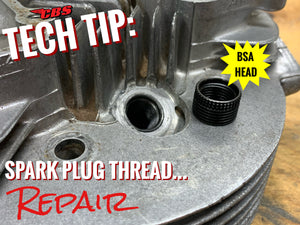
Credit: www.classicbritishspares.com
Frequently Asked Questions
How Do I Safely Remove A Stuck Spark Plug?
First, apply penetrating oil around the spark plug. Let it sit for 15 minutes. Use a proper spark plug socket and a breaker bar. Turn counterclockwise slowly without forcing. If stuck, gently tap the socket with a rubber mallet to loosen it.
What Tools Are Needed To Extract A Spark Plug?
You need a spark plug socket, ratchet wrench, and extension bar. Penetrating oil helps loosen rust or debris. A torque wrench is useful for reinstalling. Optionally, use a rubber mallet for stuck plugs. Proper tools prevent damage to the plug and engine.
Can I Remove A Spark Plug Without Damaging The Engine?
Yes, use the correct socket size and avoid excessive force. Always let penetrating oil soak if the plug is tight. Turn the plug slowly and steadily. Avoid jerking or using power tools. This prevents thread damage and engine harm.
How To Avoid Breaking A Spark Plug During Removal?
Apply penetrating oil well before removal. Use the right socket and tools. Turn the plug gently, not too fast or hard. Stop if it feels stuck and apply more oil. Avoid using excessive force or incorrect tools to prevent breakage.
Conclusion
Removing a spark plug takes patience and the right tools. Take your time and avoid rushing. Use a spark plug socket and a good grip. Clean the hole before trying again. If the plug feels stuck, try gentle rocking motions.
Keep your workspace clear and well-lit. These steps help prevent damage and save effort. You can handle spark plugs safely with care. Practice makes the process easier over time. Stay calm and follow the guide for best results.





