Have you ever wondered why your car sometimes feels sluggish or struggles to start? One of the hidden reasons could be worn-out spark plugs.
These small but mighty parts play a big role in your car’s performance. But how often should you change your car spark plugs to keep your engine running smoothly? Understanding the right timing can save you money, improve fuel efficiency, and prevent unexpected breakdowns.
Keep reading, and you’ll discover simple tips to know exactly when it’s time for a change—so you can drive with confidence every day.
Spark Plug Basics
Spark plugs are small but mighty parts of your car’s engine. They play a key role in keeping your vehicle running smoothly. Understanding their basics helps you know why regular changes matter.
Function In Your Engine
Your spark plugs create the spark that ignites the air-fuel mixture inside the engine cylinders. This ignition drives the pistons, producing the power needed to move your car.
Without a strong spark, your engine can misfire, lose power, or even stall. Have you ever noticed your car struggling to start or running roughly? That could be a sign your spark plugs are worn out.
Types Of Spark Plugs
There are several types of spark plugs, each designed for different engine needs and performance levels. Common types include:
- Copper:Basic and budget-friendly, but they wear out faster.
- Platinum:Last longer than copper and offer better performance.
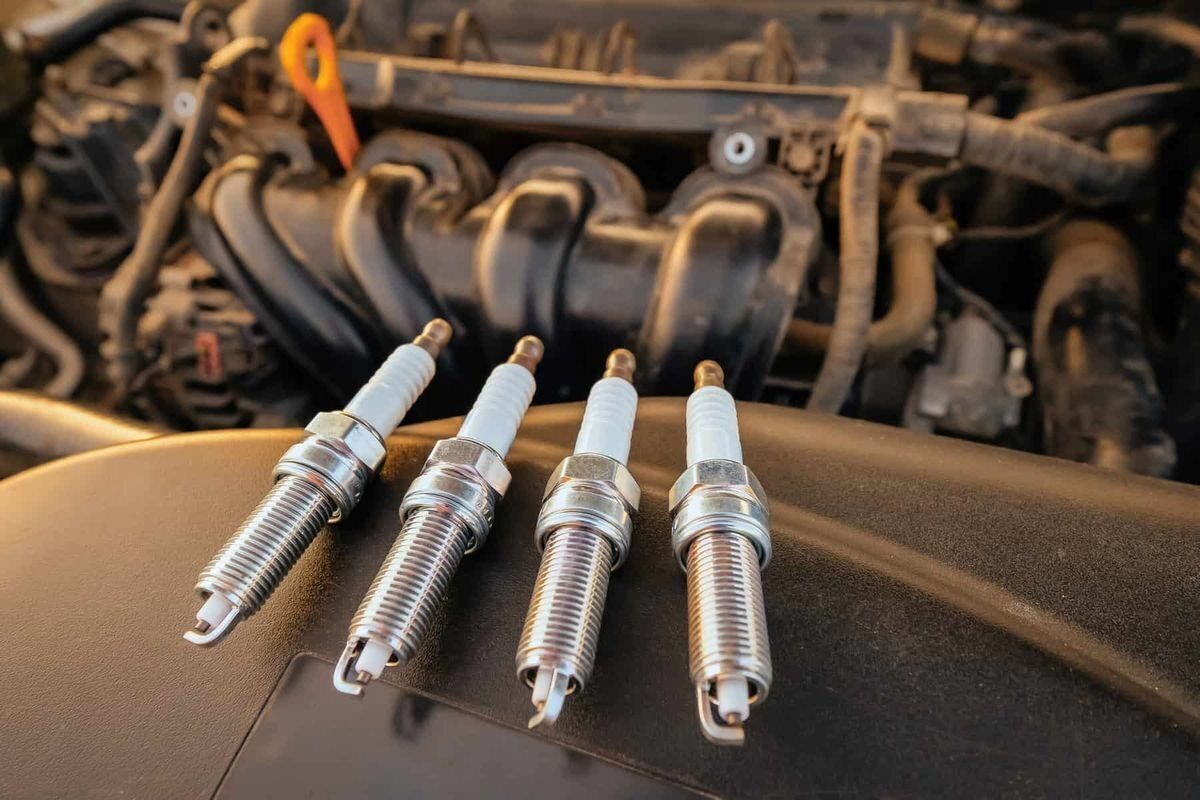
- Iridium:Known for durability and excellent ignition, ideal for modern engines.
Choosing the right type depends on your car’s make and your driving style. Have you checked which spark plugs your vehicle requires? Using the wrong type can reduce efficiency and cause damage over time.
Signs Of Worn Spark Plugs
Worn spark plugs can cause several problems in your car’s engine. They affect performance and fuel use. Recognizing signs of worn spark plugs helps avoid bigger issues. Watch for changes in how your car runs. These signs often show early before serious damage occurs.
Engine Misfires
Engine misfires happen when spark plugs fail to ignite fuel properly. The engine may jerk or hesitate during acceleration. You might feel rough idling or hear unusual noises. Misfires reduce engine power and cause poor driving experience. Replacing spark plugs often fixes this problem quickly.
Poor Fuel Efficiency
Old spark plugs burn more fuel than needed. This lowers your car’s fuel efficiency. You may notice more trips to the gas station. Poor mileage means your car is wasting fuel. New spark plugs help the engine run cleaner and save gas.
Difficulty Starting
Worn spark plugs make starting your car harder. The engine may crank longer or fail to start. Cold weather can make this worse. If your car struggles to start, check the spark plugs. Replacing them can restore quick and easy starts.
Recommended Replacement Intervals
Knowing the recommended replacement intervals for spark plugs keeps your car running smoothly. Spark plugs wear down over time and affect engine performance. Replacing them at the right time prevents misfires and saves fuel. Different cars need spark plug changes at different times. Understanding these intervals helps avoid costly repairs and breakdowns.
Manufacturer Guidelines
Every car maker provides specific advice for spark plug replacement. These guidelines appear in the owner’s manual. Most recommend changing spark plugs between 30,000 and 100,000 miles. Modern cars with iridium or platinum plugs often last longer. Sticking to manufacturer advice ensures your engine works efficiently.
Factors Affecting Spark Plug Life
Spark plug lifespan varies with driving habits and conditions. Short trips and stop-and-go traffic cause faster wear. High engine temperatures or poor fuel quality also reduce spark plug life. Using the wrong spark plug type speeds up damage. Regular checks help spot problems before they get worse.
How Driving Habits Impact Spark Plugs
Driving habits play a big role in how long spark plugs last. Different driving styles and conditions affect their wear and tear. Understanding these impacts helps you know when to replace them. Spark plugs face varied stress depending on how and where you drive.
City Vs Highway Driving
City driving involves frequent stops and starts. Engines work harder at low speeds and idle more often. This causes spark plugs to foul quicker due to incomplete combustion. Spark plugs in city-driven cars may need changing sooner.
Highway driving keeps the engine running at steady speeds. This allows spark plugs to burn fuel more efficiently. They generally last longer on highways. However, long trips at high speeds can cause heat stress on the plugs.
Effect Of Extreme Conditions
Extreme weather affects spark plug life significantly. Cold starts in winter put extra strain on the plugs. They must ignite fuel in lower temperatures, which can wear them faster.
Hot climates also impact spark plugs. High engine temperatures may cause premature wear or damage. Dusty or sandy areas increase the risk of deposits forming on spark plugs. These conditions require more frequent checks and replacements.
Choosing The Right Spark Plugs
Choosing the right spark plugs affects your car’s performance and fuel efficiency. The right spark plug ensures smooth engine operation and fewer emissions. Picking the best type depends on your vehicle and driving habits. Understanding the key factors helps you make a smart choice.
Material Options
Spark plugs come in different materials. Each type lasts different lengths and performs differently.
- Copper:Cheapest, good conductor, but wears out quickly.
- Platinum:More durable than copper and lasts longer.
- Iridium:Most durable, offers better spark, and lasts the longest.
Your car’s manual usually suggests the best material type. Choose based on cost, lifespan, and performance needs.
Heat Range Considerations
Heat range tells how hot the spark plug runs. It must match your engine’s design.
- Cold plugs:Handle high temperatures, prevent overheating in fast engines.
- Hot plugs:Stay hotter to burn off deposits in slower engines.
The wrong heat range can cause engine knocking or fouling. Always pick a heat range suited for your driving style.
Credit: www.westsideauto.com.au
Diy Spark Plug Replacement Tips
Replacing your car’s spark plugs yourself can save money and give you a satisfying sense of accomplishment. It’s not as hard as you might think, especially if you have the right tools and clear instructions. Before you dive in, make sure you understand the process well to avoid common pitfalls that can lead to bigger problems.
Tools Needed
- Spark plug socket:A special socket with rubber inside to grip the plug securely.
- Ratchet wrench:To turn the spark plug socket.
- Extension bar:Helps reach spark plugs located deep in the engine bay.
- Torque wrench:Ensures you tighten the spark plugs to the manufacturer’s specifications.
- Gap gauge:Measures the spark plug gap to make sure it matches your car’s requirements.
- Anti-seize lubricant:Optional, but helpful to prevent the plugs from sticking in the cylinder head.
- Dielectric grease:Used on the spark plug boots to improve electrical contact and prevent moisture.
Step-by-step Process
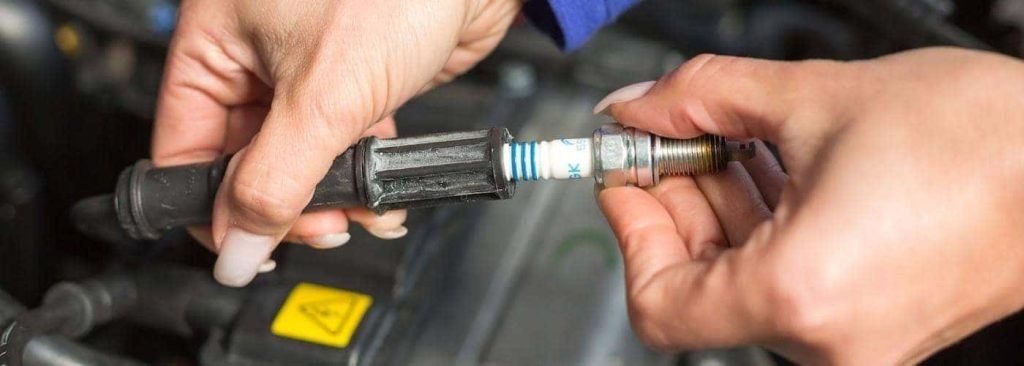
First, make sure your engine is cool to avoid burns. Locate the spark plugs by tracing the ignition wires or coil packs to where they connect to the engine.
Remove the ignition wires or coil packs carefully, pulling on the boot, not the wire. Use your spark plug socket and ratchet to unscrew each plug by turning counterclockwise.
Check the gap on the new spark plugs using your gap gauge. Adjust it if necessary to match your car’s manual specifications. Apply a small amount of anti-seize lubricant to the threads if you choose to use it.
Insert the new spark plug into the socket and carefully thread it by hand to avoid cross-threading. Once it’s hand-tight, use the torque wrench to tighten it to the recommended torque.
Apply a small amount of dielectric grease inside the spark plug boot before reconnecting the wires or coil packs. Repeat the process for each spark plug, then start your engine to test for smooth operation.
Common Mistakes To Avoid
- Over-tightening spark plugs:This can damage the threads and cause costly repairs.
- Using the wrong gap:Incorrect gaps lead to misfires and poor fuel economy.
- Pulling on wires instead of boots:This can damage ignition wires and cause weak sparks.
- Skipping the torque wrench:Guessing tightness risks under or over-tightening.
- Not checking plug compatibility:Using the wrong spark plugs can affect engine performance.
Have you ever tried replacing spark plugs yourself? Notice how small details like proper tightening and gap adjustment made a difference? Paying attention to these details prevents frustration and keeps your engine running smoothly.
When To See A Mechanic
Knowing when to see a mechanic about your spark plugs can save your car from serious issues. Spark plugs play a key role in your engine’s performance. Signs of worn or failing plugs can be subtle or obvious. Timely professional help ensures your vehicle runs smoothly and efficiently.
Diagnostic Testing
Mechanics use diagnostic tests to check spark plug health. These tests identify misfires, rough idling, and poor fuel economy. Diagnostic tools read error codes from your car’s computer. This helps pinpoint exact spark plug problems quickly. Testing also reveals related engine issues affecting spark plugs.
Professional Inspection Benefits
A professional inspection provides a thorough spark plug check. Mechanics examine the plugs for wear, corrosion, and deposits. They can spot damage that you might miss. Inspections prevent engine damage by fixing spark plugs early. Regular checks keep your car’s performance at its best.

Credit: www.acg.aaa.com
Credit: beachautomotive.com
Frequently Asked Questions
How Often Should You Replace Car Spark Plugs?
Car spark plugs typically need replacement every 30,000 to 100,000 miles. Check your vehicle’s manual for specific intervals. Regular replacement ensures optimal engine performance and fuel efficiency.
What Are Signs Of Worn-out Spark Plugs?
Common signs include engine misfires, rough idling, poor fuel economy, and trouble starting. If you notice these issues, inspect or replace your spark plugs promptly.
Can Old Spark Plugs Damage My Engine?
Yes, worn spark plugs can cause engine misfires and poor combustion. This can lead to engine damage over time and reduced fuel efficiency.
How Do Spark Plug Types Affect Replacement Frequency?
Copper spark plugs wear out faster, needing replacement every 20,000-30,000 miles. Platinum or iridium plugs last longer, up to 100,000 miles, offering better durability.
Conclusion
Regular spark plug checks keep your car running smoothly. Changing them every 30,000 miles is usually best. But, check your car manual for specific advice. Old plugs can cause engine issues and lower fuel efficiency. Fresh plugs improve performance and save money in the long run.
Always consult a mechanic if unsure. Regular maintenance ensures your car stays in top shape. Remember, a well-maintained car means a safer drive. Keep your vehicle’s heart beating strong with timely care.





