When was the last time you thought about your car’s spark plugs? If you’re like most drivers, it might not be something you consider often.
However, these small components play a huge role in keeping your car running smoothly. Ignoring them could lead to sluggish performance, poor fuel efficiency, or even costly repairs. So, how often should you change spark plugs in your car? This is a question many car owners overlook, but knowing the answer can save you time, money, and a lot of headaches.
Stick around, and you’ll discover the simple steps to maintain your car’s spark plugs and ensure your vehicle stays in peak condition. Your car—and your wallet—will thank you!
Why Spark Plugs Matter
Spark plugs play a crucial role in your car’s engine, yet many drivers overlook their importance until something goes wrong. They are small but mighty components that ensure your engine runs smoothly and efficiently. Understanding why spark plugs matter can help you maintain your vehicle better and avoid costly repairs down the road.
Role In Engine Performance
Your spark plugs ignite the air-fuel mixture inside the engine’s cylinders. This ignition creates the explosion that powers your car’s movement. If the spark plugs are in good condition, your engine starts quickly and runs efficiently.
Worn or dirty spark plugs can cause misfires, rough idling, and reduced fuel efficiency. You might notice your car hesitates when accelerating or struggles to start on cold mornings. These symptoms directly affect how your engine performs every day.
Signs Of Worn Spark Plugs
Recognizing worn spark plugs early can save you from unexpected breakdowns. Common signs include:
- Engine misfires or rough running
- Decreased fuel economy
- Difficulty starting your car
- Unusual engine noises or vibrations
Have you ever experienced sudden jerks or a sluggish drive? These might be your spark plugs asking for attention. Checking them regularly can keep your engine healthy and your drives smooth.

Credit: www.acg.aaa.com
Recommended Replacement Intervals
Knowing the right time to change spark plugs keeps your engine running smoothly. Spark plugs wear out over time. Replacing them at the correct interval prevents engine misfires and poor fuel economy. Recommended replacement intervals vary by car and usage. Following these helps avoid costly repairs and improves performance.
Manufacturer Guidelines
Car makers provide specific spark plug change intervals in the owner’s manual. These recommendations depend on the engine type and spark plug design. Most cars suggest changing plugs every 30,000 to 100,000 miles. Some modern spark plugs last longer, up to 100,000 miles or more. Sticking to manufacturer advice ensures optimal engine health and warranty coverage.
Impact Of Driving Conditions
Driving habits affect how quickly spark plugs wear out. Frequent short trips cause more deposits on plugs. Stop-and-go traffic adds extra strain on the ignition system. Extreme weather, such as very hot or cold climates, also impacts spark plug life. Towing heavy loads or driving on rough roads can reduce plug lifespan. Adjust replacement intervals based on these conditions to keep your car reliable.
Types Of Spark Plugs
Choosing the right spark plug for your car isn’t just about replacement intervals—it can affect your engine’s performance and fuel efficiency. Different types of spark plugs suit different driving styles and engine designs. Knowing the differences helps you make smarter decisions for your vehicle’s maintenance.
Copper Vs Platinum Vs Iridium
Copper spark plugs are the traditional choice. They conduct electricity well but wear out faster, typically lasting around 20,000 to 30,000 miles. If you drive an older car or on a tight budget, copper plugs can be a practical option.
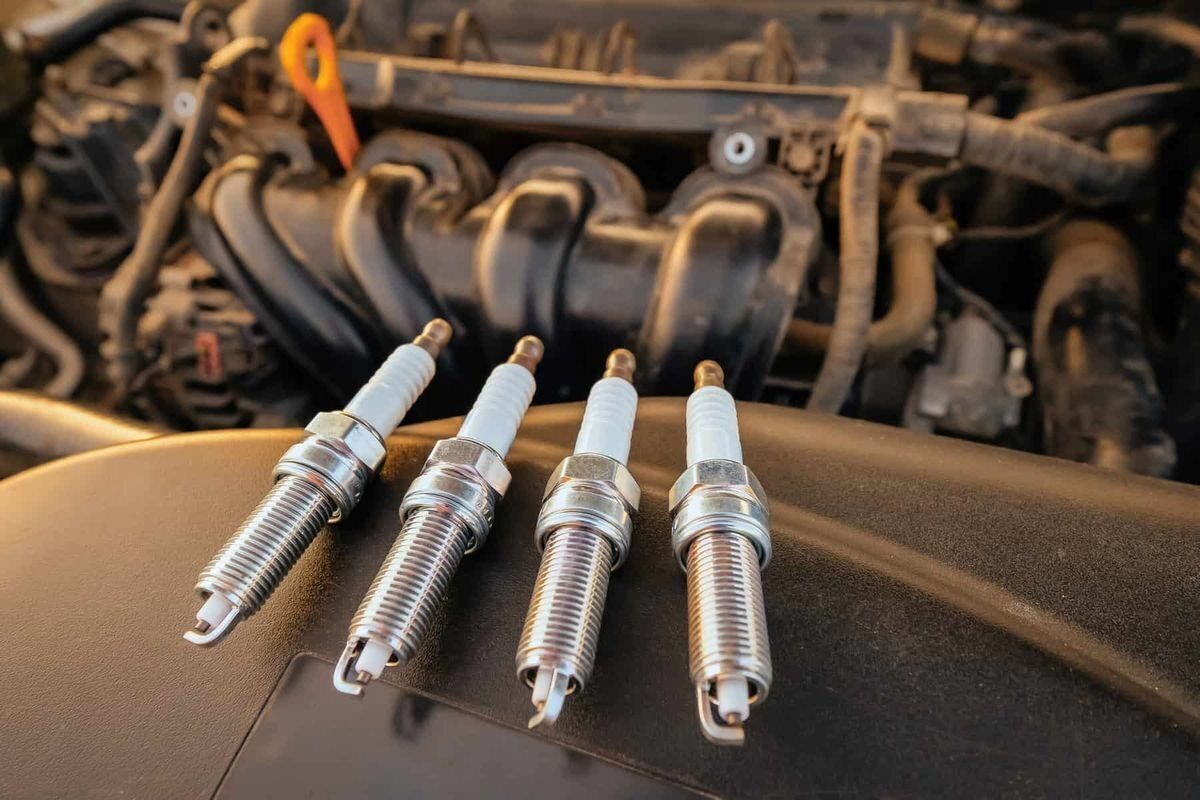
Platinum plugs last longer, usually up to 60,000 miles. Their fine wire center electrode resists erosion better than copper. Many modern cars come equipped with platinum plugs because they balance cost and durability effectively.
Iridium spark plugs take longevity to the next level, often exceeding 100,000 miles. They’re made with a very hard metal, which makes them highly resistant to wear. Iridium plugs also provide a stronger spark, improving ignition and sometimes boosting fuel efficiency.
Choosing The Right Plug For Your Car
Your car’s manual usually recommends a specific spark plug type and gap size. Following that advice ensures optimal engine performance. But what if you want to upgrade for better efficiency or power?
Consider how you use your car daily. For city driving with frequent stops, iridium plugs might reduce misfires and improve smoothness. On the other hand, if you mostly do highway miles, platinum plugs can be a cost-effective choice without sacrificing performance.
Pay attention to your engine’s condition. If it’s older and has higher mileage, switching to a copper plug might not be the best idea as it wears faster. Instead, opting for iridium or platinum could extend service intervals and reduce maintenance hassles.
Checking Spark Plug Condition
Checking the condition of your spark plugs is a crucial part of maintaining your car’s engine performance. Regular inspections can help you spot early signs of wear, saving you from costly repairs down the road. Knowing what to look for and the right tools to use makes this task straightforward and effective.
Visual Inspection Tips
Start by removing the spark plug carefully to avoid damaging the threads. Look closely at the electrode and insulator for signs like:
- Carbon deposits:Black, dry soot can indicate a rich fuel mixture or weak ignition.
- Oil fouling:Wet, oily deposits suggest oil is leaking into the combustion chamber.
- Burnt or eroded electrodes:This points to overheating or normal wear over time.
- Cracks in the ceramic insulator:A cracked insulator can cause misfires and poor engine performance.
Ask yourself: does the spark plug look clean and intact? If not, it’s a clear sign you need to replace it.
Tools For Spark Plug Testing
Visual checks can tell you a lot, but some tools give more precise data on your spark plug’s health. A spark plug tester lets you see if the plug generates a strong spark under pressure. This is essential because a weak spark can cause engine misfires and lower fuel efficiency.
A multimeter can also measure the plug’s resistance and continuity, helping you spot internal damage that isn’t visible. Using these tools at home is easier than you might think, and it can prevent you from guessing whether your spark plugs are working well.
Diy Replacement Steps
Changing spark plugs yourself can save money and give you a sense of accomplishment. It’s not as hard as you might think, especially if you prepare well and follow clear steps. Let’s walk through what you need and how to replace spark plugs safely and efficiently.
Gathering Tools And Materials
Before you start, make sure you have the right tools and materials ready. This will prevent interruptions and frustration during the job.
- Spark plug socket:This special socket fits snugly on spark plugs and often has a rubber insert to grip the plug.
- Ratchet wrench and extension:Helps reach deep spark plugs in the engine.
- Gap gauge:Ensures your new spark plugs have the correct gap for your engine model.
- Torque wrench:To tighten spark plugs to the manufacturer’s specifications without over-tightening.
- Anti-seize compound:Optional but useful to prevent spark plugs from sticking in the cylinder head.
- Dielectric grease:Helps protect spark plug boots from moisture and corrosion.
- New spark plugs:Make sure they are the correct type and heat range for your vehicle.
Have a clean rag and some compressed air handy to clear debris around the spark plug area before removal.
Step-by-step Removal And Installation
Start with the engine cool to avoid burns or damage. Locate your spark plugs—consult your vehicle’s manual if you’re unsure.
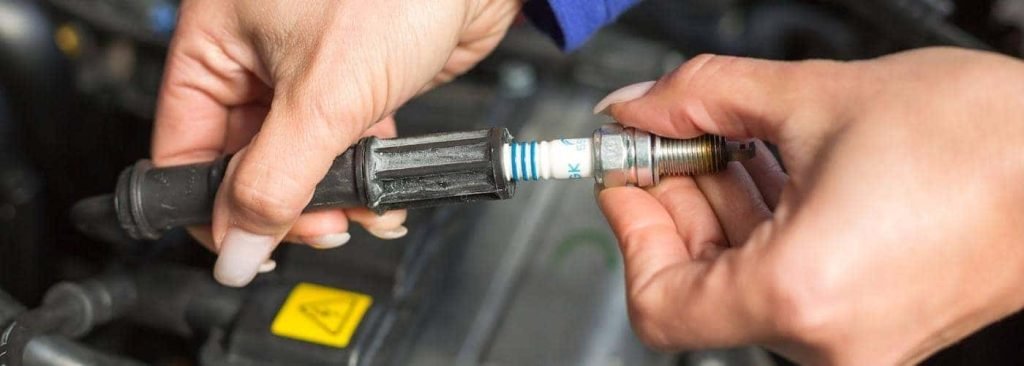
- Remove the spark plug wire or coil pack:Gently twist and pull to avoid damaging the wire or boot.
- Clean the area:Use compressed air or a brush to remove dirt to stop debris from falling into the cylinder.
- Loosen the spark plug:Attach the spark plug socket and turn counterclockwise. Don’t rush—spark plugs can be tight.
- Remove the spark plug:Carefully pull it out, noting its condition. Are the electrodes worn or covered in deposits? This tells you a lot about your engine’s health.
- Check and set the gap on the new spark plug:Use your gap gauge to adjust it to the recommended measurement.
- Apply anti-seize compound:A small amount on the threads can make future removal easier, but check if your spark plugs already come pre-coated.
- Install the new spark plug:Thread it by hand first to avoid cross-threading, then tighten with your torque wrench to the specified torque.
- Replace the spark plug wire or coil pack:Apply dielectric grease inside the boot if you have it, then push it firmly back onto the spark plug.
Repeat this process for each spark plug, and remember—taking your time now prevents costly mistakes later. How confident do you feel about handling this maintenance task on your own?

Credit: www.slashgear.com
When To Seek Professional Help
Knowing when to seek professional help for changing spark plugs can save you time, money, and potential engine damage. Spark plug replacement might seem simple, but certain situations require an expert’s touch to ensure your car runs smoothly and efficiently.
Complex Engine Types
Some modern cars have complex engine designs that make spark plug replacement tricky. Engines with coil-on-plug ignition or deep spark plug wells require special tools and techniques to avoid damage.
If your car has a turbocharged or direct injection engine, it’s best to consult a professional. Attempting to change spark plugs yourself in these cases could lead to stripped threads or broken components, costing you more in repairs.
Ask yourself: does your engine look different from traditional designs? If yes, a mechanic’s expertise can ensure the job is done right without risking costly mistakes.
Signs Of Installation Issues
After changing spark plugs, watch for unusual engine behavior. Rough idling, misfires, or a sudden drop in fuel efficiency can indicate installation problems.
Incorrectly gapped plugs, loose connections, or overtightening can cause these issues. If you notice any of these signs, don’t hesitate to get a professional to inspect your work.
Remember, a small mistake during installation can lead to bigger problems later. Trusting a mechanic to double-check your spark plugs might save your engine from unnecessary wear and tear.
Benefits Of Timely Spark Plug Changes
Changing spark plugs on time keeps your car running smoothly. It prevents many engine problems and saves money on repairs. Timely spark plug changes improve how your car performs every day.
Improved Fuel Efficiency
Fresh spark plugs ignite fuel better. This leads to more complete combustion in the engine. Your car uses less fuel to go the same distance. It helps you save money at the gas station. Poor spark plugs cause wasted fuel and lower miles per gallon.
Enhanced Engine Longevity
Good spark plugs reduce engine stress. They ensure smooth running without misfires or rough idling. This lowers wear and tear on engine parts. Your engine lasts longer and stays reliable. Old plugs cause damage that can shorten engine life.
Credit: www.westsideauto.com.au
Frequently Asked Questions
How Often Should Spark Plugs Be Replaced?
Spark plugs typically need replacement every 30,000 to 100,000 miles. Check your car’s manual for exact intervals. Regular replacement ensures optimal engine performance and fuel efficiency.
What Are Signs Of Worn Spark Plugs?
Common signs include engine misfires, rough idling, poor acceleration, and reduced fuel efficiency. If you notice these, inspect or replace your spark plugs promptly to avoid engine damage.
Can Bad Spark Plugs Affect Fuel Economy?
Yes, worn spark plugs cause incomplete combustion, lowering fuel efficiency. Replacing them regularly improves mileage and reduces emissions, saving you money on fuel and repairs.
Does Driving Style Impact Spark Plug Lifespan?
Aggressive driving and frequent short trips can wear spark plugs faster. Smooth driving and regular maintenance help extend their lifespan and maintain engine health.
Conclusion
Changing spark plugs regularly keeps your car running smooth and strong. Most cars need new plugs every 30,000 to 100,000 miles. Check your owner’s manual for exact advice. Worn spark plugs can cause poor fuel economy and engine trouble. Don’t wait for problems to start; replace them on time.
Taking care of spark plugs saves money on bigger repairs later. Keep your engine healthy with simple, timely maintenance. Your car will thank you with better performance and reliability. Easy to do, and worth every effort. Spark plugs matter more than you might think.





