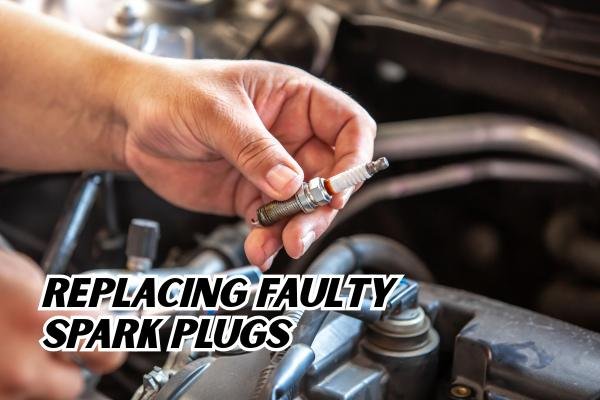
Your car’s spark plugs play a small but mighty role in keeping your engine running smoothly. But how do you know when it’s time to change them?
Ignoring worn-out spark plugs can lead to poor performance, lower fuel efficiency, and even costly repairs. You’ll discover the clear signs that tell you it’s time for a change, simple steps to check your spark plugs, and why timely replacement can save you both money and stress.
Keep reading to make sure your car stays in top shape and you avoid unexpected breakdowns.
Credit: motorist.org
Signs Your Spark Plugs Need Replacement
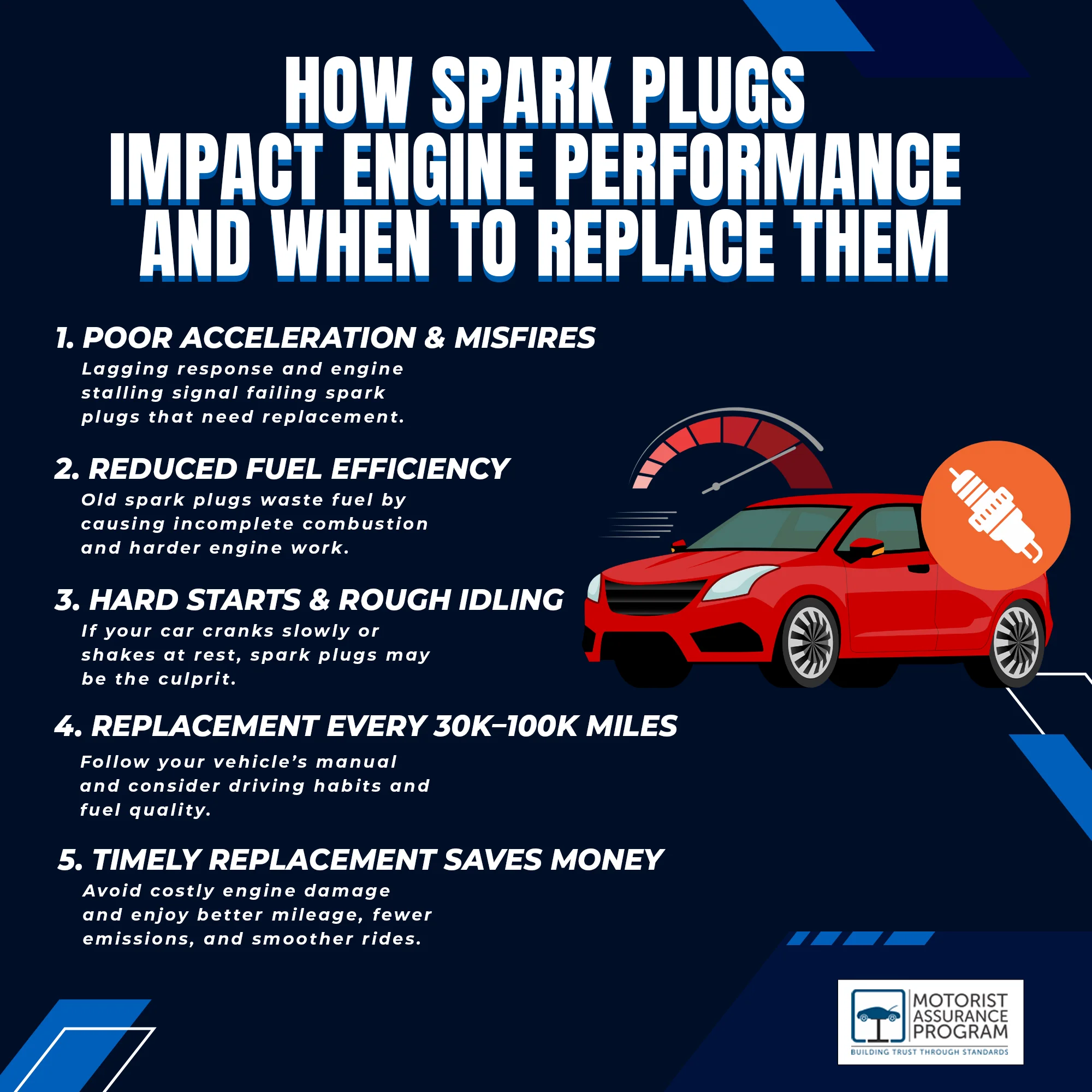
Knowing the signs that your spark plugs need replacement can save you from unexpected car troubles and costly repairs. Spark plugs play a vital role in your engine’s performance, and worn-out plugs can cause noticeable issues. Recognizing these symptoms early helps you maintain your car’s health and avoid breakdowns.
Poor Engine Performance
Have you noticed your car struggling to accelerate or feeling sluggish? Worn spark plugs cause incomplete combustion, which directly affects engine power. If your car hesitates during acceleration or just doesn’t feel as responsive, it’s time to check those spark plugs.
Difficulty Starting The Car
Do you find yourself turning the key longer than usual before the engine starts? Old or fouled spark plugs can make ignition harder because they fail to create a strong enough spark. This means your engine has to work extra hard just to get going, signaling a spark plug replacement is due.
Reduced Fuel Efficiency
Has your fuel gauge been dropping faster than normal? Faulty spark plugs cause your engine to burn more fuel to compensate for weak sparks. This inefficiency not only hits your wallet but also increases emissions. Keeping your spark plugs in good shape helps maintain optimal mileage.
Engine Misfires And Rough Idling
If your car’s engine feels like it’s skipping beats or idling roughly, worn spark plugs could be the culprit. Misfires occur when the spark plug fails to ignite the fuel-air mixture properly. This can cause vibrations, jerking, or even stalling, making your drive uncomfortable and unsafe.

Credit: www.acg.aaa.com
Recommended Spark Plug Lifespan
Spark plugs are vital for your car’s engine to run smoothly. Knowing their lifespan helps avoid engine problems and keeps fuel efficiency high. Different types of spark plugs have various durability levels. Understanding these can guide you on the right time to replace them.
Standard Copper Spark Plugs
Copper spark plugs have the shortest lifespan among common types. They usually last about 20,000 to 30,000 miles. Copper conducts electricity well but wears out faster. These plugs need more frequent replacement to keep engine performance steady.
Platinum And Iridium Plugs
Platinum and iridium spark plugs last longer than copper ones. Platinum plugs can last up to 60,000 miles. Iridium plugs are more durable, often lasting 80,000 to 100,000 miles. Their design resists wear and maintains a strong spark over time.
Manufacturer’s Guidelines
Car makers provide recommended spark plug replacement intervals. Check your vehicle’s owner manual for specific advice. These guidelines consider your car’s engine type and spark plug model. Following them helps avoid premature wear and engine issues.
Factors Affecting Spark Plug Wear
Spark plugs don’t wear out at the same pace for every driver. Several factors influence how quickly they degrade, and understanding these can help you decide the best time to replace them. Paying attention to these details not only saves money but also keeps your engine running smoothly.
Driving Conditions
Your daily driving habits have a big impact on spark plug wear. Frequent short trips prevent the engine from reaching optimal temperature, which can cause deposits to build up on the plugs faster. On the other hand, if you often drive in stop-and-go traffic or tow heavy loads, your spark plugs work harder and wear out sooner.
Have you noticed rough idling or reduced fuel efficiency after a lot of city driving? It might be time to check those spark plugs. Adjusting your driving style or maintenance schedule to match your conditions can extend their life.
Engine Type
Different engines demand different things from spark plugs. High-performance or turbocharged engines generate more heat and pressure, causing spark plugs to wear out more quickly than in standard engines. Conversely, older engines might tolerate longer intervals between changes but can suffer from fouling if plugs aren’t replaced timely.
Knowing your engine’s specifications helps you select the right spark plug and replacement interval. Have you checked your owner’s manual for manufacturer recommendations tailored to your engine type?
Fuel Quality
The type and quality of fuel you use affect spark plug longevity. Low-quality or contaminated fuel can leave deposits that clog spark plugs, leading to misfires and poor engine performance. Using premium fuel or additives might reduce buildup and extend plug life, but it depends on your vehicle’s requirements.
Think about the last time you switched fuel brands. Did you notice any change in engine smoothness or fuel economy? Keeping an eye on fuel quality can help you protect your spark plugs and engine health.
How To Check Spark Plugs
Checking your car’s spark plugs is a simple way to keep your engine running smoothly and efficiently. It helps you spot problems early and decide if replacement is needed. Let’s look at how you can inspect your spark plugs yourself, even if you’re not a mechanic.
Visual Inspection Techniques
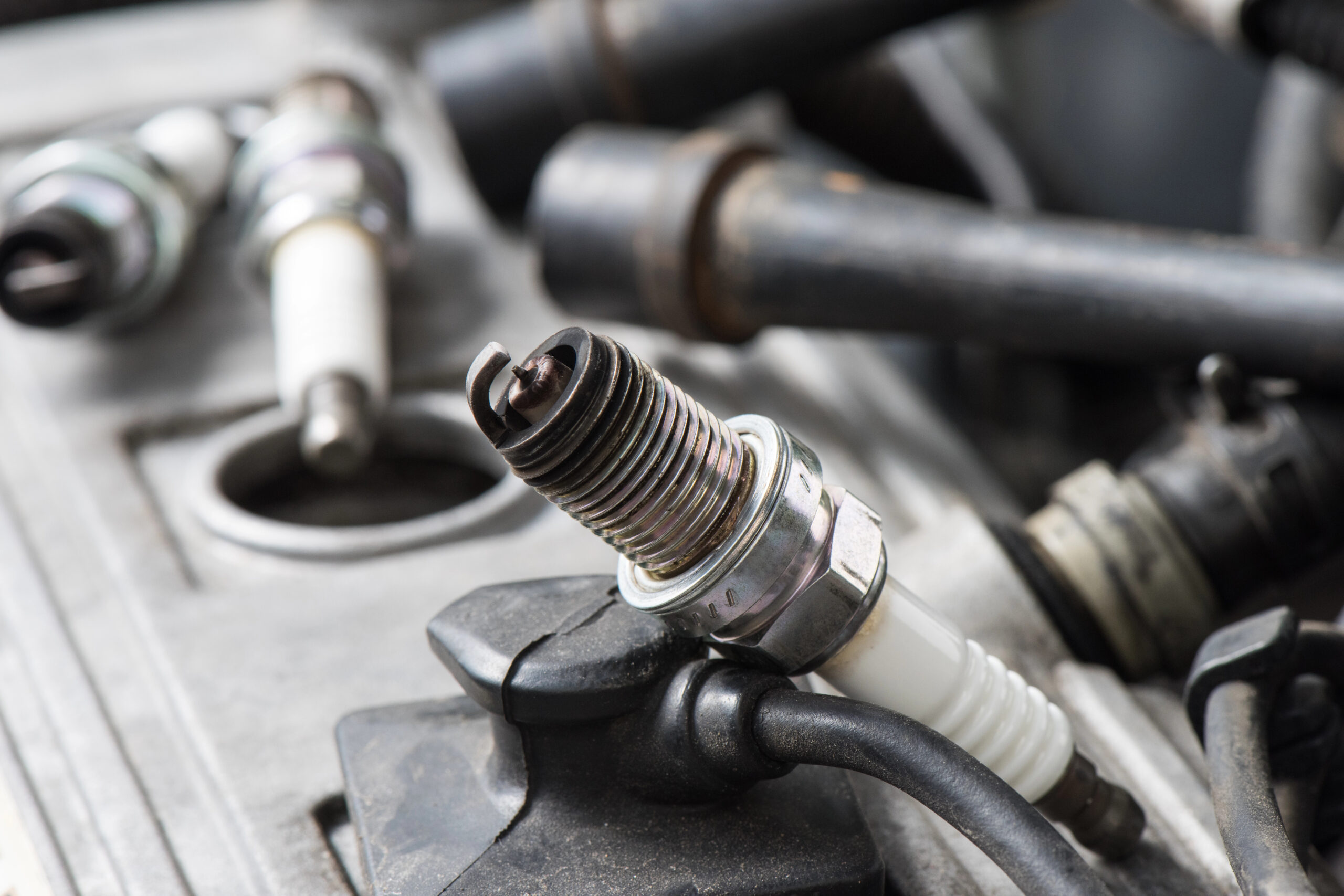
Start by removing the spark plug using a proper socket wrench. Look closely at the tip and the electrode for signs of wear or damage.
- Color:A healthy spark plug usually has a light tan or grayish color. If you see black, oily, or sooty deposits, it could mean your engine is burning oil or running too rich.
- Cracks or chips:Any physical damage to the ceramic insulator or electrode means the spark plug needs replacing immediately.
- Burn marks:Excessive heat can cause the spark plug to look blistered or melted. This often points to engine overheating or incorrect fuel mixture.
Have you ever noticed your car misfiring? Visual inspection might reveal the culprit without extra tools.
Measuring Electrode Gap
The gap between the center and ground electrode is crucial for proper spark generation. If the gap is too wide or narrow, your engine performance can suffer.
Use a spark plug gap tool or a feeler gauge to measure the gap. Check your car’s manual for the exact gap specification—this varies between models.
- If the gap is too small, gently widen it by bending the ground electrode outward.
- If the gap is too large, carefully bend the electrode inward.
Do you feel unsure about adjusting the gap? It’s a delicate task but mastering it can save you money and improve fuel efficiency.
When To Consult A Mechanic
Not every spark plug issue is DIY-friendly. If you notice deep deposits, severe damage, or if your car still runs poorly after replacing spark plugs, it’s time to get expert help.
Some engines have spark plugs located in hard-to-reach areas. Trying to remove them without the right tools can cause damage.
Also, if you’re uncomfortable working around engine components or lack experience, a mechanic’s inspection ensures safety and accuracy.
Would you rather risk a quick fix or invest in professional service to avoid bigger problems down the road?
Benefits Of Timely Spark Plug Replacement
Replacing your spark plugs on time offers clear and immediate benefits. It helps keep your car running smoothly and prevents costly issues down the road. Have you ever noticed your engine feeling sluggish or your fuel gauge dropping faster than usual? These could be signs that your spark plugs need attention.
Improved Engine Efficiency
Worn spark plugs can cause your engine to misfire or run unevenly. When you replace them promptly, your engine fires up better and runs more smoothly. This means your car responds quicker when you hit the gas pedal, making every drive more enjoyable.
Lower Emissions
Old spark plugs often cause incomplete combustion, which increases harmful emissions. By swapping them out on time, you reduce the amount of unburned fuel released into the air. This helps your car pass emissions tests and contributes to cleaner air around you.
Enhanced Fuel Economy
Have you noticed your trips to the pump costing more lately? Faulty spark plugs can waste fuel by not igniting the mixture efficiently. Changing them regularly improves fuel consumption, so you get more miles per gallon and save money over time.
Diy Vs Professional Replacement
Changing spark plugs can be a simple task or a tricky job. Deciding between doing it yourself or hiring a professional depends on your skills and tools. Understanding the differences helps you save money and avoid car problems.
Tools Needed For Diy
- Spark plug socket
- Ratchet wrench
- Extension bar
- Torque wrench
- Gap gauge
- Dielectric grease
- Anti-seize compound
- Safety gloves
Having the right tools makes the job easier and safer. Each tool plays a role in removing and installing plugs properly.
Risks Of Incorrect Installation
- Engine misfires
- Poor fuel efficiency
- Damage to spark plug threads
- Over-tightening or under-tightening
- Engine rough idling
- Possible engine damage
Wrong installation can cause serious engine problems. It can cost more in repairs than the spark plugs themselves.
When To Seek Expert Help
Choose a professional if you lack tools or experience. Complex engine designs may need expert skills. If the spark plugs are hard to reach, a mechanic is best. Signs of engine trouble after a DIY change also call for help.
Credit: jerry.ai
Frequently Asked Questions
How Often Should I Change Spark Plugs In My Car?
Most manufacturers recommend changing spark plugs every 30,000 to 100,000 miles. Check your car’s manual for exact intervals. Regular changes ensure optimal engine performance and fuel efficiency.
What Are Signs My Spark Plugs Need Replacement?
Common signs include engine misfires, rough idling, poor fuel economy, and difficulty starting. If you notice any, inspect or replace spark plugs promptly to avoid engine damage.
Can Old Spark Plugs Affect Car Performance?
Yes, worn spark plugs cause misfires, reduced power, and lower fuel efficiency. Replacing them restores smooth engine operation and improves overall performance.
Are All Spark Plugs The Same For Every Car?
No, spark plugs vary by engine type and manufacturer specifications. Always use plugs recommended in your vehicle’s manual for best results and compatibility.
Conclusion
Spark plugs play a vital role in your car’s performance. Replacing them on time keeps your engine running smoothly. Ignoring worn-out spark plugs can lead to misfires. This could cause poor fuel economy and reduced power. Regular checks ensure they are in good condition.
Always follow your car’s maintenance schedule. If unsure, consult your mechanic. They can advise on the best time to change spark plugs. Proper care extends your car’s life. It also saves money on repairs. Keep your car in top shape with timely maintenance.
Your car will thank you.





