
Have you ever been in the middle of mowing your lawn when suddenly your lawnmower sputters and dies? It’s frustrating, isn’t it?
This common issue might be caused by a faulty spark plug. Understanding how to tell if a lawnmower spark plug is bad can save you time, money, and a lot of headaches. You don’t need to be a mechanic to solve this problem.
With a few simple steps, you can diagnose the issue and get your mower running smoothly again. Keep reading to discover the telltale signs of a bad spark plug and learn how to fix it yourself. Don’t let a small spark plug issue keep you from having the perfect lawn.

Credit: www.youtube.com
Spark Plug Basics
Spark plugs are small but vital parts of a lawnmower engine. They create the spark needed to ignite the fuel and air mixture. Without a good spark plug, the engine will not run smoothly or may not start at all. Understanding spark plug basics helps you spot problems early and keep your lawnmower in top shape.
Role In Lawnmower Engine
The spark plug’s main job is to generate an electric spark inside the engine cylinder. This spark lights the fuel-air mix, causing combustion. Combustion powers the engine and moves the mower blades. A bad spark plug can cause poor engine performance, rough idling, or difficulty starting. It also affects fuel efficiency and emissions.
Common Spark Plug Types
Several spark plug types fit lawnmower engines. The most common ones include:
- Standard Copper Spark Plugs:Affordable and good for basic mowers.
- Platinum Spark Plugs:Last longer and resist fouling better.
- Iridium Spark Plugs:Offer the best durability and performance.
Choosing the right spark plug depends on your mower model and usage. Always check the owner’s manual for recommended types and specifications.

Credit: www.reddit.com
Signs Of A Faulty Spark Plug
Recognizing the signs of a faulty spark plug can save you time and frustration while maintaining your lawnmower. A bad spark plug disrupts your engine’s performance, making your work harder than it needs to be. Paying close attention to how your mower behaves helps you spot problems early and keep your equipment running smoothly.
Difficulty Starting Engine
Have you ever struggled to start your lawnmower even after several pulls? This is often the first sign of a worn-out or fouled spark plug. Without a strong spark, the engine won’t ignite the fuel properly, causing repeated failed attempts to start.
Engine Misfires
If your mower’s engine sounds uneven or jerks while running, it might be misfiring. Misfires happen when the spark plug fails to ignite the fuel-air mixture consistently. This interrupts smooth operation and can lead to rough idling or sudden stalls.
Reduced Power And Performance
Notice your mower struggling to cut through thick grass or slowing down on slopes? A bad spark plug can reduce engine power, making tasks take longer and requiring more effort. This drop in performance often means the spark plug isn’t delivering the reliable spark your engine needs.
Poor Fuel Economy
Are you refueling more often than usual? Faulty spark plugs cause incomplete combustion, wasting fuel and lowering efficiency. Watching your fuel consumption rise without a change in usage signals it’s time to check those plugs.
Excessive Smoke From Exhaust
Excess smoke from the exhaust can indicate a spark plug problem too. When the spark is weak or inconsistent, unburnt fuel escapes through the exhaust, producing thick or black smoke. This not only harms your mower but also impacts the environment.
Visual Inspection Tips
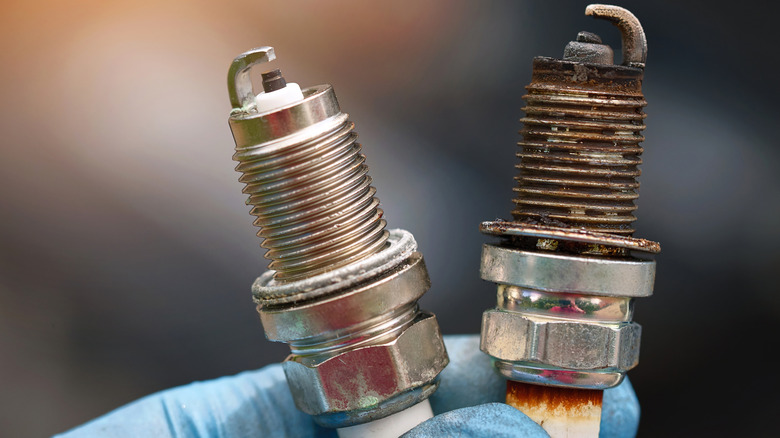
Visual inspection of your lawnmower spark plug can reveal a lot about its health. You don’t need special tools to start; just a keen eye and a little patience. Spotting issues early saves you time and avoids frustrating breakdowns during your mowing sessions.
Checking For Carbon Deposits
Look closely at the spark plug tip. A black, sooty layer means carbon buildup, which can stop the spark from firing properly. This often happens if your engine runs too rich or if you use the wrong fuel mixture.
If you see thick deposits, it’s a sign to clean or replace the plug. Have you noticed your mower stalling or struggling to start? Carbon deposits might be the culprit.
Examining Electrode Wear
The electrode is the small metal piece that creates the spark. Over time, it wears down and becomes rounded or thin. This wear increases the gap, making it harder for the spark to jump across.
Measure the gap if you can or visually check for uneven wear. Worn electrodes signal that it’s time to swap the plug to keep your mower running smoothly.
Looking For Oil Or Fuel Fouling
If you spot wet, oily residue or a smell of raw fuel on the spark plug, it indicates fouling. This can happen if oil leaks into the combustion chamber or if the engine floods with fuel.
This fouling stops the plug from sparking effectively. Ask yourself if you’ve noticed excessive smoke or rough running; these symptoms often link back to fouled plugs.
Inspecting For Cracks Or Damage
Check the ceramic insulator around the electrode for any cracks or chips. Damage here can cause misfires or prevent the spark from forming properly. Also, look for bent or broken electrodes.
Even small cracks can lead to big problems. If your plug looks physically damaged, don’t risk it—replace it immediately to protect your engine.
Testing The Spark Plug
Testing the spark plug helps find out if it works well or needs replacement. It checks the spark plug’s ability to create a spark. Without a good spark, the engine won’t start or run properly. Two common ways to test a spark plug are using a spark tester and measuring resistance with a multimeter. Both methods are simple and give clear results.
Using A Spark Tester
A spark tester shows if the spark plug produces a spark. First, remove the spark plug wire from the plug. Connect the spark tester to the spark plug and the wire. Hold the tester close to the metal engine part.
- Pull the starter cord or turn on the engine.
- Look for a bright blue spark inside the tester.
- No spark or a weak, yellow spark means the plug may be bad.
This test is quick and safe. It tells if the spark plug fires properly under normal conditions.
Measuring Resistance With A Multimeter
Resistance testing checks the spark plug’s internal condition. Set the multimeter to the ohms (Ω) setting. Touch one probe to the top of the spark plug terminal. Touch the other probe to the metal tip at the bottom.
- A good spark plug usually shows low resistance, often less than 10,000 ohms.
- Very high resistance or no reading means the spark plug is faulty.
This test helps find internal damage or wear inside the spark plug. It is useful if the spark tester shows unclear results.
When To Replace The Spark Plug
Knowing when to replace your lawnmower’s spark plug is key to keeping your mower running smoothly. A worn-out spark plug can cause hard starts, rough idling, or even stop your mower from running altogether. Paying attention to the right timing can save you from unexpected breakdowns and costly repairs.
Recommended Replacement Intervals
Most lawnmower manufacturers suggest changing the spark plug after about 25 hours of use or at least once every mowing season. If you mow frequently or have a heavy-duty model, replacing it more often might be necessary. Check your owner’s manual for specific guidance tailored to your mower’s make and model.
Here’s a quick reference table for spark plug replacement based on common usage:
| Usage Level | Recommended Replacement Interval |
|---|---|
| Light (once a month) | Once per season |
| Moderate (weekly) | Every 25 hours of operation |
| Heavy (multiple times a week) | Every 20 hours or sooner if problems arise |
Factors Affecting Spark Plug Life
Your spark plug’s lifespan isn’t fixed—it depends on several factors that influence wear and tear. For example, using the wrong type of fuel or oil can cause deposits to build up on the plug, making it less effective.
Environmental conditions also play a role. Operating your mower in dusty or wet areas can shorten spark plug life because debris and moisture cause corrosion or fouling.
- Fuel quality and type
- Frequency and duration of use
- Operating conditions (dust, moisture, temperature)
- Engine tuning and maintenance
Have you noticed your mower struggling even after recent maintenance? It might be time to inspect the spark plug. Regularly checking it can help you catch problems early before they affect your lawn care routine.
Credit: www.slashgear.com
Tips For Choosing The Right Spark Plug
Choosing the right spark plug matters for your lawnmower’s performance. The correct spark plug ensures smooth starting and efficient running. Picking the wrong one can cause poor engine function and more wear over time. Focus on key aspects to find the best spark plug for your mower.
Matching Manufacturer Specifications
Always check your lawnmower’s manual for spark plug details. Use the exact size and type recommended by the maker. This includes thread diameter, length, and heat range. Using the right fit prevents damage to the engine. It also keeps your mower running safely and efficiently.
Material And Heat Range Considerations
Spark plugs come in different materials like copper, platinum, and iridium. Copper plugs cost less and work well but wear out faster. Platinum and iridium plugs last longer and resist fouling. Heat range shows how hot the plug runs inside the engine. Choose a heat range that matches your mower’s engine design. The right heat range avoids overheating or fouling, which can affect performance.
Maintaining Spark Plug Health
Maintaining the health of your lawnmower’s spark plug is key to keeping your mower running smoothly. A well-kept spark plug ensures efficient ignition and helps avoid frustrating breakdowns during your yard work. Regular attention and care can extend the life of the spark plug and improve your mower’s performance.
Regular Cleaning Techniques
Cleaning your spark plug is easier than you think and can make a big difference. Remove the spark plug and use a wire brush or spark plug cleaner to gently scrub away dirt, carbon deposits, and oil. Be careful not to damage the electrode or ceramic insulator while cleaning.
After brushing, check the spark plug for stubborn buildup. If needed, use a spray-on cleaner designed for spark plugs, then wipe it dry with a clean cloth. This simple step helps maintain a strong spark and prevents misfires.
Have you noticed your mower struggling to start or running roughly? It might be time to clean your spark plug. Regular cleaning, especially after 25 hours of use, keeps your engine firing reliably.
Proper Installation Practices
Installing the spark plug correctly is just as important as cleaning it. Always check the gap between the electrodes with a gap tool and adjust it according to your mower’s manual specifications. A gap that’s too wide or too narrow can cause poor engine performance.
When screwing the spark plug back in, avoid overtightening. Tighten it snugly by hand first, then use a wrench to secure it firmly but without forcing it. Over-tightening can damage the threads and lead to costly repairs.
Did you know that even a slightly loose spark plug can cause your mower to stall? Double-check the fit each time you replace or clean the plug. This small habit can save you time and frustration during your mowing sessions.
Frequently Asked Questions
How Do I Know If My Lawnmower Spark Plug Is Bad?
A bad spark plug often causes hard starting, rough idling, or poor engine performance. Check for carbon buildup, cracks, or worn electrodes to confirm.
What Are Common Signs Of A Faulty Spark Plug?
Signs include engine misfires, reduced power, increased fuel consumption, and difficulty starting. Visual inspection can reveal corrosion, deposits, or damaged parts.
Can A Dirty Spark Plug Affect Lawnmower Performance?
Yes, dirt or carbon deposits can prevent proper sparking. This leads to inefficient combustion, causing poor engine performance and increased emissions.
How Often Should I Replace My Lawnmower Spark Plug?
Replace the spark plug every 25 hours of use or at least once per season for optimal performance and reliability.
Conclusion
A bad spark plug can stop your lawnmower from working well. Check it often to keep your mower running smoothly. Look for signs like rough starting, poor power, or black soot. Cleaning or replacing the spark plug fixes many problems.
Taking care of this small part saves time and money. A healthy spark plug means a healthy lawnmower. Keep your mower ready for the job every time you need it. Simple steps make a big difference in lawn care.





