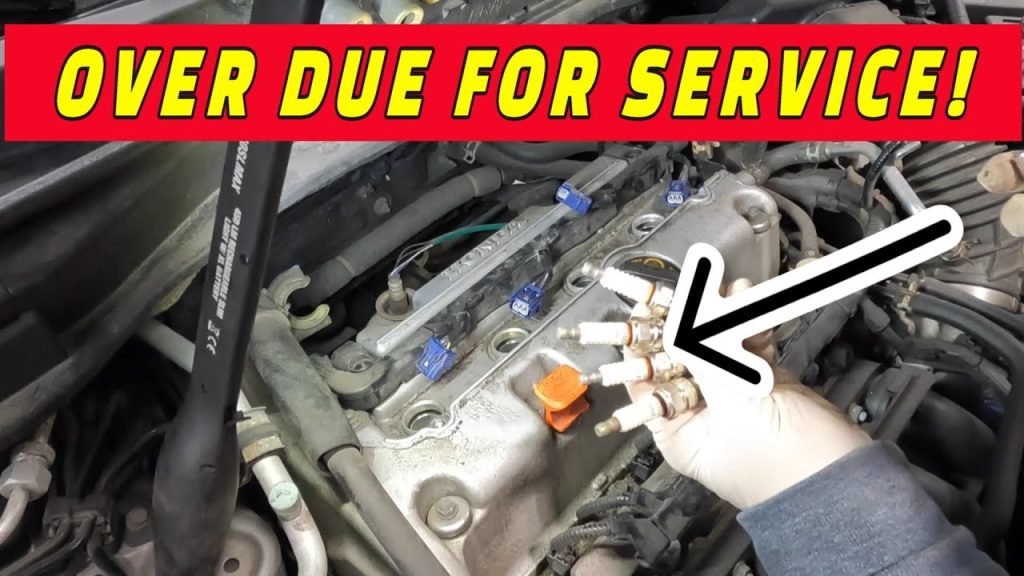
When it comes to understanding your car, every detail counts. You might have heard about spark plugs, but do you know where they are located?
This small yet mighty component plays a crucial role in your vehicle’s engine. Without them, your car simply wouldn’t start. Knowing where your spark plugs are located can save you time and money, whether you’re troubleshooting a problem or simply curious about how your car works.
Imagine being able to identify an issue before it turns into a costly repair. By the end of this article, you’ll have a clear picture of where to find these essential parts in your car. Keep reading to discover the exact location of spark plugs, and empower yourself with knowledge that can enhance your vehicle maintenance skills.
Spark Plug Placement In Engines
Spark plugs play a crucial role in igniting the air-fuel mixture inside an engine’s cylinders. Their placement varies based on the engine design. Understanding where spark plugs sit helps with maintenance and troubleshooting. Here is how spark plugs are arranged in common engine types.
Position In Inline Engines
Inline engines have cylinders arranged in a straight line. Spark plugs sit on the cylinder head, usually on the top or side. Each cylinder has one spark plug. They are spaced evenly along the engine block. This layout makes spark plugs easy to access for inspection or replacement.
Arrangement In V-type Engines
V-type engines have two cylinder banks set at an angle. Each bank has its own row of spark plugs. The plugs are located on the cylinder heads, facing outward. This setup allows the plugs to be positioned closer to the engine’s exterior. It may be harder to reach some plugs without removing other parts.
Location In Boxer Engines
Boxer engines have cylinders lying flat in two opposing banks. Spark plugs sit on the top of each cylinder head. Because the cylinders spread horizontally, plugs are on the sides of the engine. This layout keeps the center of gravity low. It may require specific tools for spark plug maintenance due to tight spaces.

Credit: www.youtube.com
Accessing Spark Plugs
Accessing spark plugs requires a clear understanding of their placement. They sit in the engine’s cylinder head and ignite the air-fuel mix. Finding them under the hood can be simple with the right approach. Preparation and the correct tools make the task easier and safer.
Tools Needed For Removal
- Spark plug socket wrench
- Ratchet with extension bar
- Torque wrench for proper tightening
- Dielectric grease for spark plug boots
- Compressed air or a brush to clean debris
- Gloves for hand protection
Steps To Locate Under The Hood
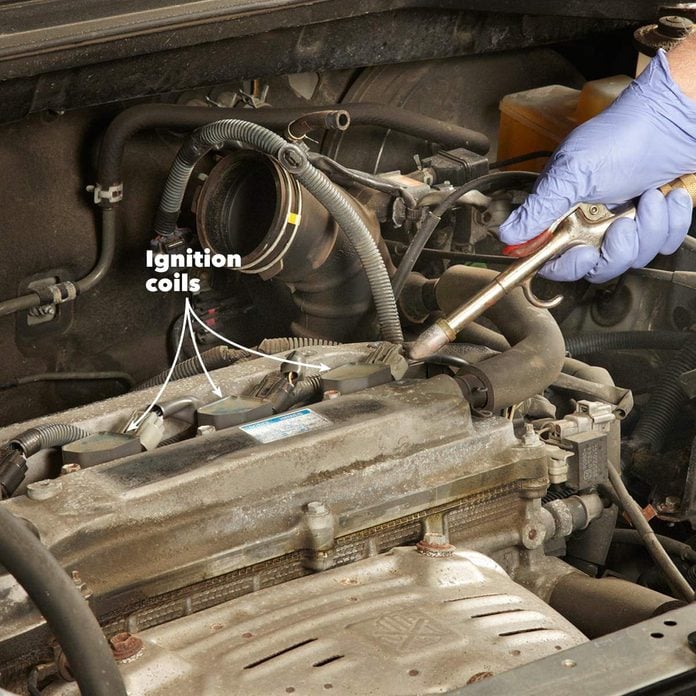
Open the car hood and find the engine block. Look for thick wires or ignition coils leading to spark plugs. They usually line up on top or side of the engine. Remove any covers blocking access to the plugs. Check the owner’s manual for exact locations if needed.
Common Obstacles And Solutions
- Tight spaces:Use a socket with an extension for hard-to-reach plugs.
- Dirty engine area:Clean around plugs with compressed air before removal.
- Stuck spark plugs:Apply penetrating oil and let it sit before unscrewing.
- Fragile wires:Handle ignition wires carefully to avoid damage.
- Confusing layout:Refer to diagrams in the car manual or online guides.
Signs Of Spark Plug Issues
Noticing issues with your car’s performance? Spark plugs might be the hidden culprit. These small components play a big role in your engine’s health, and their problems often show clear signs you shouldn’t ignore.
Engine Misfires
One of the first signs of spark plug trouble is engine misfires. You might feel your car jerking or shaking during acceleration. This happens because faulty spark plugs fail to ignite the fuel-air mixture properly, causing incomplete combustion.
If you hear unusual popping sounds or see your check engine light flicker, it’s time to inspect the plugs. Don’t wait until misfires damage other engine parts.
Poor Fuel Economy
Have you noticed your gas mileage dropping suddenly? Worn spark plugs can cause your engine to burn more fuel than necessary. When plugs don’t create a strong spark, the engine compensates by injecting extra fuel, which means more trips to the pump.
Tracking your fuel consumption can help you spot this early. Imagine saving money just by replacing a small, inexpensive part!
Difficulty Starting
Struggling to start your car, especially on cold mornings? This could be a spark plug issue. Weak or fouled plugs can make it harder for the engine to ignite the fuel mixture, leading to longer cranking times or no start at all.
Next time your engine hesitates to start, think about checking the plugs before replacing expensive components. Sometimes, the simplest fix makes the biggest difference.
Credit: www.familyhandyman.com
Spark Plug Maintenance Tips
Proper spark plug maintenance keeps your car running smoothly. Neglecting spark plugs can cause poor engine performance and lower fuel efficiency. Regular care helps avoid costly repairs and extends spark plug life.
When To Replace Spark Plugs
Spark plugs usually need replacement every 30,000 to 100,000 miles. Check your car’s manual for exact intervals. Signs of worn spark plugs include rough idling, hard starts, and decreased gas mileage. Replace them sooner if you notice these issues.
Cleaning And Inspection
Remove spark plugs carefully to inspect for damage or dirt. Look for carbon buildup, oil deposits, or worn electrodes. Use a wire brush or spark plug cleaner to remove grime. Avoid harsh chemicals that may damage the plug. Inspect the gap with a feeler gauge and adjust if necessary.
Choosing The Right Spark Plug
Use the spark plug type recommended by your vehicle manufacturer. Consider the heat range, thread size, and electrode design. Choosing the wrong plug can harm engine performance and cause damage. Consult your owner’s manual or a trusted mechanic for guidance.
Diy Vs Professional Replacement
Deciding whether to replace spark plugs yourself or hire a professional can significantly affect your car’s performance and your wallet. Understanding the pros and cons of each option helps you make the best choice for your situation. Let’s explore the benefits of DIY replacement and when it’s smarter to seek expert help.
Benefits Of Diy Replacement
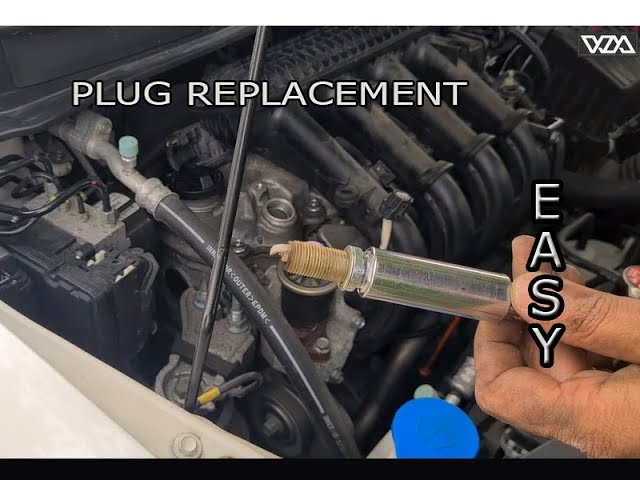
Replacing spark plugs yourself can save you money on labor costs. The parts are usually affordable, and with basic tools, you can complete the task in under an hour.
Doing it yourself gives you a deeper understanding of your car’s engine. This knowledge can make future maintenance easier and even help you spot other issues early.
- You control the quality of parts used.
- It’s a satisfying skill to learn and master.
- You avoid waiting for appointments or service delays.
However, make sure you follow the manufacturer’s torque specifications and use a proper spark plug socket to avoid damage. Have you ever felt the pride of fixing something on your own that seemed complicated at first?
When To Seek Professional Help
If your spark plugs are hard to reach, or you don’t have the right tools, a professional mechanic is the safer choice. Modern engines can be complex, with components packed tightly together.
Also, if your car shows symptoms like rough idling, misfires, or poor fuel economy, a mechanic can perform a thorough diagnosis beyond just replacing spark plugs.
- Complex engine layouts may require advanced tools.
- Risk of damaging ignition coils or wiring if not careful.
- Professionals can spot related issues early.
Think about whether you’re comfortable handling delicate parts under the hood. Sometimes, investing in professional help saves time and prevents costly mistakes down the line.
Credit: www.youtube.com
Frequently Asked Questions
Where Exactly Are Spark Plugs Found In A Car Engine?
Spark plugs are located on the cylinder head of the engine. They fit into threaded holes above each cylinder. Their position allows them to ignite the air-fuel mixture inside the combustion chamber efficiently.
How Can I Identify The Spark Plug Location?
Look for thick wires or ignition coils connected to the engine’s cylinder head. These wires lead directly to the spark plugs. Removing the engine cover may be necessary for clear access and identification.
Are Spark Plugs In The Same Place For All Cars?
Most spark plugs are located in the cylinder head, but placement varies. Some engines have spark plugs buried deeper or under components. Always consult the vehicle’s manual for the exact location and access tips.
Why Is Knowing Spark Plug Location Important?
Knowing spark plug location helps with maintenance like replacement or inspection. Proper access ensures better engine performance and fuel efficiency. It also helps diagnose misfires or ignition issues faster.
Conclusion
Spark plugs sit on top of the engine’s cylinder head. They help start the car by creating sparks inside the engine. Finding them is easier once you know their location. Regular checks keep your car running smooth. Worn spark plugs can cause engine problems and lower fuel efficiency.
Knowing where spark plugs are saves time and money. Keep your engine healthy by inspecting spark plugs often. Simple steps make car care less stressful and more effective.





