Have you ever wondered why your vehicle’s engine isn’t running as smoothly as it should? The answer might lie in a simple yet crucial component: the spark plug.
When it comes to ensuring your engine’s peak performance, one term you’ll frequently come across is “gapping a spark plug. ” But what does it really mean, and why is it so important for your vehicle? Understanding how to gap a spark plug correctly can make a world of difference in how your engine performs, its fuel efficiency, and its longevity.
By learning how to perfect this small adjustment, you can potentially save money on fuel, reduce emissions, and even extend the life of your engine. Intrigued? Let’s dive deeper into the world of spark plugs and discover the secrets to unlocking your vehicle’s full potential.
Credit: www.vanguardpower.com
Spark Plug Gap Basics
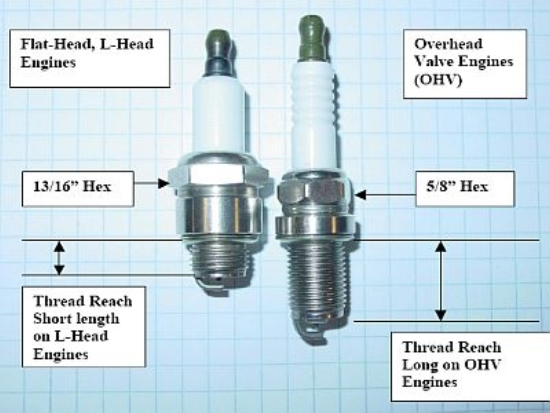
Understanding the basics of spark plug gap is key to keeping your engine running smoothly. The gap refers to the space between the center and side electrodes of the spark plug. This small space plays a big role in how well your engine ignites the air-fuel mixture. Setting the correct gap ensures efficient combustion and better engine performance.
Role Of Spark Plug Gap
The spark plug gap controls the size of the spark that ignites the fuel. A correct gap helps create a strong spark that burns fuel efficiently. If the gap is too small, the spark may be weak, causing poor engine performance. Too large a gap can cause misfires or hard starts. The right gap balances power and fuel economy.
Common Gap Sizes
Gap sizes vary by engine type and manufacturer recommendations. Most passenger cars use gaps between 0.028 and 0.060 inches (0.7 to 1.5 mm). Smaller engines often need smaller gaps, while high-performance engines require larger gaps for better ignition. Always check your vehicle’s manual for the exact gap size to avoid engine problems.

Credit: craigscarcare.com
How Gap Affects Engine Performance
The gap of a spark plug plays a crucial role in your engine’s performance. It determines how effectively the spark ignites the air-fuel mixture inside the cylinder. Even small changes to this gap can have noticeable effects on how your engine runs and feels.
Impact On Combustion Efficiency
The spark plug gap controls the size of the spark that jumps between the electrodes. A properly set gap ensures a strong, consistent spark that fully ignites the air-fuel mixture.
If the gap is too wide, the spark might be weak or inconsistent, leading to incomplete combustion. On the other hand, a gap that’s too narrow can cause a weak spark that struggles to ignite the mixture evenly.
Have you noticed your engine misfiring or running rough? It might be time to check your spark plug gap to improve combustion efficiency.
Effects On Fuel Economy
A correct spark plug gap helps your engine burn fuel more completely. This means your car uses less fuel to produce the same amount of power.
When the gap is off, incomplete combustion wastes fuel, which lowers your miles per gallon. Adjusting the gap can help you save money at the pump without changing your driving habits.
Think about the last time you filled up your tank—could a simple gap adjustment boost your fuel efficiency next time?
Influence On Engine Power
The gap affects how quickly and efficiently the air-fuel mixture ignites, directly impacting engine power. A strong spark means better combustion pressure and more power output.
If your spark plug gap is incorrect, you might feel sluggish acceleration or less responsive throttle performance. Correcting the gap can restore lost power and make your engine feel more lively.
Ever felt your car hesitate when you hit the gas? Adjusting your spark plug gap might be the fix you need for smoother power delivery.
Tools For Measuring And Adjusting Gap
Correctly gapping a spark plug needs the right tools to measure and adjust the gap. These tools help ensure the spark plug performs well and the engine runs smoothly. Using precise tools avoids damage to the plug and improves fuel efficiency.
Gap Gauge Types
Several types of gap gauges exist for measuring spark plug gaps. The most common include wire gauges, feeler gauges, and coin gauges. Wire gauges use thin wires of different thicknesses to measure the gap size. Feeler gauges have flat metal strips marked with exact thicknesses. Coin gauges are simple discs used to check if the gap is too wide or narrow.
Using A Feeler Gauge
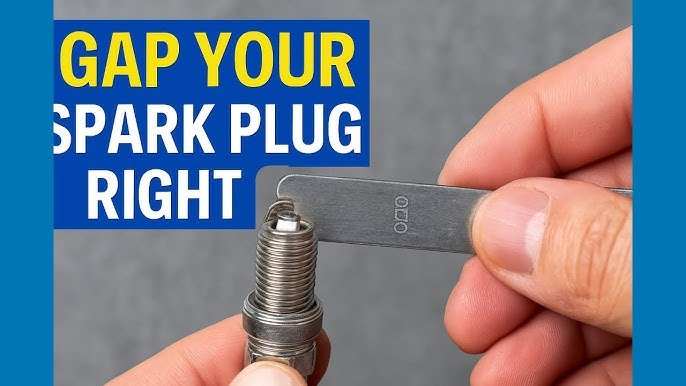
A feeler gauge is a precise tool for measuring spark plug gaps. Select the metal strip with the recommended gap size. Slide the strip gently between the spark plug electrodes. It should fit snugly but move without force. If too tight or loose, adjust the gap by bending the ground electrode carefully.
Using A Gap Tool
A gap tool helps both measure and adjust spark plug gaps. Insert the tool between the electrodes to check the space. Many gap tools have a round end to bend the electrode. Use the tool to widen or narrow the gap slowly. Check the gap again with the tool until it fits the recommended size.

Credit: www.youtube.com
Step-by-step Gapping Process
Gapping a spark plug is a precise task that can significantly affect your engine’s performance. Getting the gap right ensures efficient combustion and smooth running. Let’s break down the process into clear, manageable actions that you can follow with confidence.
Removing The Spark Plug
Start by ensuring your engine is cool to avoid burns. Use a spark plug socket with a ratchet to carefully loosen and remove the plug. Keep track of the plug’s position if you’re working with multiple ones—it matters for reinstallation.
Measuring The Current Gap
Use a spark plug gap tool or feeler gauge to check the distance between the center and ground electrode. Slide the tool gently into the gap; it should fit snugly without forcing it. Not sure what the correct gap is? Check your vehicle’s manual or the spark plug packaging for exact specs.
Adjusting The Gap
If the gap is too wide, gently tap the ground electrode on a hard surface or use the tool’s adjusting slot to close it slightly. Too narrow? Carefully pry the electrode outward using the same tool. Avoid bending the center electrode—it’s delicate and can break easily.
Reinstalling The Plug
Thread the plug in by hand first to avoid cross-threading. Once snug, tighten it with the ratchet to the recommended torque—too tight can damage the threads, too loose can cause poor performance. Double-check the gap one last time before finishing up.
Tips For Maintaining Optimal Gap
Maintaining the correct spark plug gap is key for engine efficiency. The gap affects how well the spark ignites the air-fuel mix. Small changes in the gap can cause poor performance or higher fuel use. Keeping the gap optimal extends spark plug life and improves engine start. These tips help maintain the right gap for smooth engine running.
Checking Gap Regularly
Check the spark plug gap every time you service your vehicle. Use a feeler gauge or gap tool to measure the gap accurately. Look for signs of wear or damage on the spark plug electrodes. Measure multiple spark plugs to ensure uniform gaps. Adjust the gap carefully if it is too wide or narrow. Regular checks prevent engine misfires and rough idling.
Replacing Worn Spark Plugs
Old or damaged spark plugs may lose the correct gap. Replace spark plugs after the recommended mileage or if they show corrosion. Worn plugs cause poor ignition and reduce fuel economy. New spark plugs come pre-gapped but always verify before installation. Proper replacement keeps the gap consistent and the engine running well.
Avoiding Over-gapping
Do not increase the gap beyond manufacturer specifications. Over-gapping makes the spark jump harder, stressing ignition parts. It can lead to weak sparks and engine misfires. Use the vehicle manual or spark plug box for the right gap size. Adjust with care to avoid damaging the electrodes. Correct gapping ensures reliable starts and smooth acceleration.
Troubleshooting Common Issues
Troubleshooting common issues related to gapping a spark plug can save you time and money. Incorrect spark plug gaps often lead to performance problems that are easy to diagnose once you know what signs to look for. Understanding these symptoms helps you pinpoint the root cause and take action before minor issues turn into costly repairs.
Misfiring Symptoms
Misfiring happens when the spark plug fails to ignite the air-fuel mixture properly. You might notice a sudden jerk or hesitation while driving, especially during acceleration. If your engine feels uneven or you hear popping sounds from the exhaust, a misfire could be the culprit.
Check the spark plug gap to see if it’s too wide or too narrow. An improper gap can cause weak sparks or no spark at all, leading to incomplete combustion. Have you ever experienced your engine missing beats and wondered why? This is often the answer.
Rough Idling Causes
When your car idles roughly, it may shake or vibrate more than usual. This discomfort often points to an issue with the spark plug gap. A gap that’s off affects the spark’s strength, causing inconsistent firing during idle.
Try inspecting the gap with a feeler gauge to ensure it matches manufacturer specs. Even a small deviation can cause rough idling, making your vehicle less smooth and efficient. Don’t ignore this sign—it often hints at a simple fix that improves your driving experience.
Poor Acceleration Signs
Notice your vehicle struggling to speed up or feeling sluggish when you press the gas? Poor acceleration can stem from a spark plug gap that’s not set correctly. This disrupts the timing and power of the spark needed for quick engine response.
Check if your spark plug gap is consistent across all plugs. Uneven gaps can create uneven power delivery, making acceleration feel jerky or weak. Next time your car hesitates on the road, consider this as a possible cause before jumping to more complicated issues.
Frequently Asked Questions
What Is Gapping A Spark Plug?
Gapping a spark plug means adjusting the distance between its electrodes. This gap controls the spark size that ignites the fuel-air mix. Proper gapping ensures efficient engine performance, better fuel economy, and smoother starts.
Why Is Spark Plug Gap Important?
The spark plug gap affects ignition timing and combustion efficiency. A correct gap ensures optimal spark strength, reducing misfires and improving engine power. Incorrect gaps can cause poor fuel economy and engine roughness.
How To Measure Spark Plug Gap?
Use a spark plug gap tool or feeler gauge to measure the electrode gap. Insert the tool between the electrodes and check if it matches the vehicle’s recommended gap. Adjust carefully to avoid damage.
Can Wrong Spark Plug Gap Damage Engine?
Yes, an incorrect gap can cause misfires, poor combustion, and increased emissions. It may lead to engine knocking, reduced power, and potential long-term damage if left uncorrected.
Conclusion
Gapping a spark plug helps your engine run smoothly and efficiently. It ensures the spark jumps correctly to ignite the fuel. A wrong gap can cause poor performance or engine trouble. Checking and setting the gap is simple and saves money on repairs.
Regular maintenance keeps your vehicle healthy and reliable. Small steps like this make a big difference in how your engine works. Keep your spark plugs properly gapped for better fuel use and longer engine life.





